



 日本語
日本語  English (UK)
  Русский
  العربية
  한국어
한국어  Magyar
  Türkçe
  Español
  Čeština
  Svenska
  Português
  Ελληνικά
  Suomi
Suomi  Nederlands
  Română
  Italiano
  Français
  Polski
  Українська
  Deutsch
  简体中文
简体中文  Slovenčina
 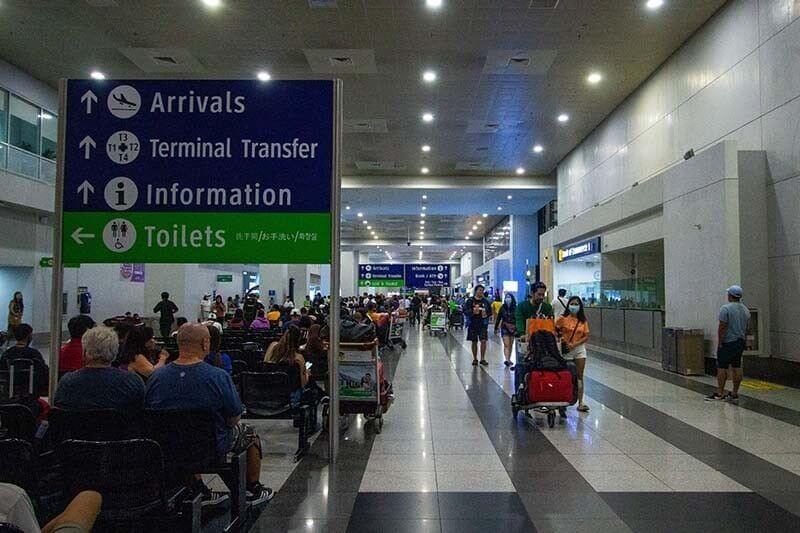 Pangilinan and Villanueva push to repeal the Philippines travel tax under Senate Bill 1843">

Senate Bill 1843 and the immediate fiscal details
Senate Bill 1843 proposes abolishing the Philippines’ travel tax, currently set at P2,700 for first-class passengers and P1,620 for economy class. The draft mandates repeal of the relevant provision in the Tourism Act of 2009 and provides for a refundable tax for passengers with trips scheduled on or after the law’s effectivity.
Key provisions at a glance
| Provision | Current status | Proposed change |
|---|---|---|
| Travel tax amounts | P2,700 (first-class); P1,620 (economy) | Abolish all travel tax collections |
| Funding for tourism programs | Funded by travel tax receipts | Shift charge to TIEZA (Tourism Infrastructure and Enterprise Zone Authority) |
| Legal reference | Tourism Act of 2009 | Repeal of travel tax provisions |
| Passenger relief | None | Guaranteed tax refunds where applicable |
Economic rationale and expected knock-on effects
The explanatory note attached to the bill argues that removing the travel tax will lower the economic burden on Filipino travelers, stimulate international passenger volume, and increase spending across transport, accommodation, food, and services. Proponents, including Kiko Pangilinan and earlier-sponsoring Joel Villanueva, stress the move will enhance the Philippines’ position as a more accessible destination in the region. President Ferdinand Marcos Jr. has labeled the repeal a priority for the administration.
Short-term demand signals
- Lower out-of-pocket costs for outbound passengers may increase bookings for flights and package trips.
- Tour operators and airlines could see marginal increases in passenger load factors.
- Hospitality and F&B sectors in origin cities and destinations may capture additional spend.
Stakeholder responsibilities
If enacted, the bill reallocates the funding burden for programs previously paid from travel-tax receipts to TIEZA, an agency attached to the Department of Tourism. That administrative shift will require budgetary adjustments and coordination with finance authorities to maintain continuity of funded projects.
How ground transport, taxis and transfers could feel the change
At a glance, the direct impact on local taxi and transfer services is indirect but measurable. Lower travel barriers can raise outbound and inbound passenger flows, which in turn affects demand for airport transfers, city cabs, private shuttles and limousine services. Operators may see:
- Higher demand for airport pick-ups and drop-offs at peak flight times.
- More bookings for multi-day private car hires and intercity transfers.
- A need for transparent pricing as travelers compare fares and seek exact costs per route.
Operational implications for providers
Transport companies and licensed drivers will need to monitor changes in passenger volume and adjust fleet deployment, fare promotion, and app-based inventory. Platforms and operators should ensure clear information on vehicle make, model, seat configuration and driver credentials to capture travelers prioritizing comfort and certainty.
Practical scenarios: what travelers and operators should expect
| Scenario | Short-term effect | Action for drivers/providers |
|---|---|---|
| Spike in weekend international departures | Increased demand for airport transfers | Offer dynamic scheduling and promote pre-booked fares |
| More budget-conscious travelers | Preference for cheaper, private seater or shared services | Highlight economy options and exact fare estimates |
| Higher inbound tourist numbers | Growth in city-to-destination circuits | Coordinate with hotels and tour companies for bundled offers |
What this means for travelers booking transfers
Prospective travelers should have a mind to plan transfer needs in advance: book exact airport rides, compare car types (from cab and private seater to limousine and larger multi-seater vehicles), and check driver licenses and ratings. Platforms that display vehicle make, model, driver rating and transparent prices provide a smoother experience as demand shifts.
Highlights: the bill could ease the cost pressure on Filipino travelers and encourage travel-related spending that benefits many sectors, from airlines to local taxi operators. Still, even the most reliable reviews and the most honest feedback can’t replace first-hand experience. On GetTransfer, you can hire a car with driver from verified providers at reasonable prices. This empowers you to make the most informed decision without unnecessary expenses or disappointments. Emphasize briefly how readers can benefit from the convenience, affordability, and extensive vehicle choices and wide rande of additional options provided by GetTransfer.com, aligning directly with the context and theme of your article. Book your Ride GetTransfer.com
In summary, the proposed repeal of the travel tax under Senate Bill 1843 could modestly shift travel demand patterns and reduce per-passenger costs, influencing fares, app bookings, and transfer logistics at the airport and around the city. For travelers asking how much to budget for a trip, the removal of the tax lowers the upfront price and may change the calculus for whether to get a private car or a cheaper cab option. Providers and companies should prepare by displaying exact fares, vehicle and driver details, and flexible booking windows to capture increased volumes. GetTransfer.com supports these needs by offering a transparent platform where users can view the car, seat layout, driver license verification, ratings and prices before they book—making it easier to secure the best service for any destination, time or fare.
コメント