Why Nordic Tours are the Ultimate Mindful Escape
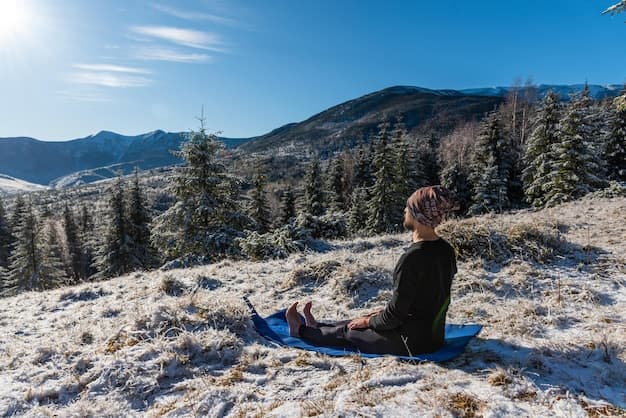
In a world that moves at lightning speed, slowing down can feel like a luxury. Yet in the Nordic countries, it is a way of life. A Nordic countries tour offers a rare opportunity to reconnect with nature, culture and yourself through the art of slow travel.
I spent an hour in a Copenhagen bakery last May with a pastry and a coffee, watching the canal outside. No itinerary, no next sight to reach. It was, objectively, one of the better hours of the trip. That's what these countries do to you if you let them.
________________
Denmark: hygge is not a marketing concept
The Danes have a word — hygge — for the warm, present feeling of being comfortable and connected to simple things. You feel it in Copenhagen before you even know what to call it.
The city is 9 km end to end. You can cover it by bike in a few hours without feeling rushed. Nyhavn's colourful waterfront, a quiet square with coffee, Rosenborg Castle without a tour group pushing you through — these work better when you're not trying to finish them. Museum tickets run around 20 euros. Take your time inside.
________________
Norway: stillness is built into the landscape
Oslo's Opera House has a marble roof that slopes into the sea. People walk across it and stand there looking at the water. Nobody is hurrying anywhere.
From the Opera House to Akershus Fortress is 20 minutes on foot. The fjords outside the capital take longer — a cruise through the western fjords runs 3 to 6 hours and costs 80 to 150 euros depending on the route. Norwegians call outdoor living friluftsliv — not just being outside, but feeling genuinely grounded in it. Pack walking shoes you've already broken in.
________________
Sweden: reflection as much as relaxation
Stockholm sits across islands connected by ferries that cost 5 euros and run every 30 minutes. Gamla Stan — the Old Town — covers less than one square kilometre. Half a day is enough to wander it properly, which means stopping when something catches your attention rather than moving to the next item on a list.
The Vasa Museum is 18 euros and you can stay as long as you want. Djurgården island has parks and waterfront paths that reward an afternoon with no particular destination. Swedes call their approach to balance lagom — just the right amount of everything.
________________
Estonia: the surprise on the itinerary
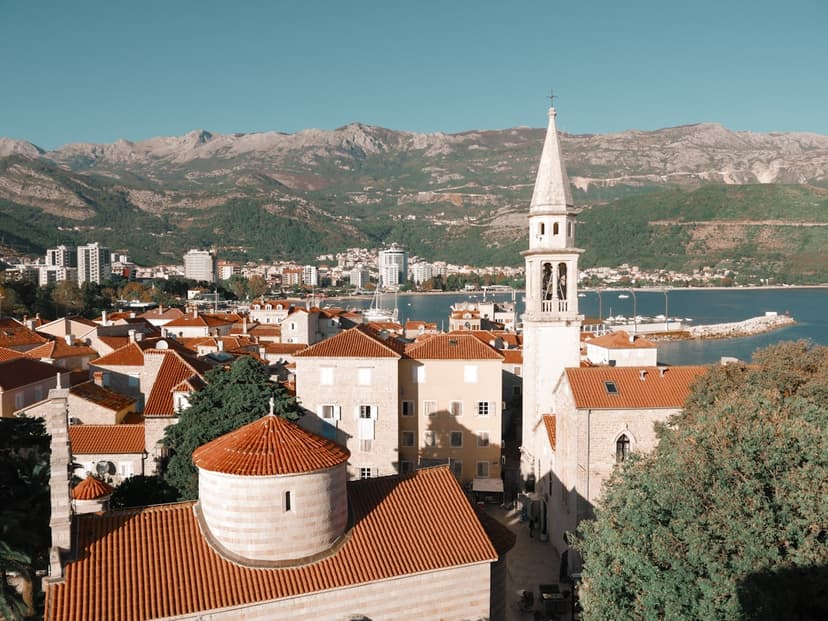
Tallinn gets overlooked between the Scandinavian countries, which is a mistake. The medieval Upper Town has panoramic viewpoints where the terracotta rooftops glow in afternoon light — the kind of view that makes you put your phone away rather than photograph it immediately. The climb takes 15 minutes from the main square.
Coffee in the old town squares costs 3 to 5 euros. I spent nearly two hours once sitting on the city walls watching the light change across the rooftops. Nobody asked me to move.
________________
Finland: the world's happiest country makes it look effortless
Helsinki starts well with Esplanadi Park and the harbour in the morning. Senate Square, a coffee, fresh pastries — 6 euros for a cinnamon bun and coffee. The city's architecture is clean and unhurried in the way the culture is.
Porvoo is 50 minutes by car from Helsinki: wooden houses, riverside warehouses, cobblestone lanes. The kind of place where you notice the smell of baking bread and the reflection of pastel facades in the water. In the evening, a public sauna costs from 15 euros. The sequence of heat, cold water, and silence is about as close to enforced mindfulness as anything I've found.
________________
Iceland: nature sets the pace
Reykjavik is small enough to cross on foot in 25 minutes. Start at the harbour with coffee while fishing boats come in. Colourful houses, small galleries, no pressure.
The Golden Circle covers 230 km and takes 8 to 10 hours with proper stops — Þingvellir National Park where you stand between two tectonic plates, geysers, Gullfoss waterfall. End in a geothermal lagoon with volcanic rock and steam around you. Entry runs 40 to 70 euros. It is physically impossible to rush the experience.
________________
Why this region works for slow travel
The Nordic countries don't require a particular philosophy to enjoy. They just make speed feel unnecessary. The fjords don't care if you're behind schedule. The sauna won't heat faster if you're in a hurry.
A 14-day loop through these countries gives you 2 to 3 days per country — enough to settle into each place without grinding through it. Shoulder seasons, May and September, offer mild weather, fewer crowds, and lower prices than summer. Winter brings a different kind of stillness that some people prefer.
________________
FAQ
How long per country? Two to three days works well within a 14-day itinerary. Enough to find the rhythm without rushing. Add buffer days for weather — especially in Iceland.
Good for solo travellers? Yes. The relaxed pace suits solo travel particularly well. Museum visits, ferry rides, short walks — all easy to do alone and often better that way.
Best time of year? May and September for mild weather and fewer crowds. Summer for long daylight hours — sunset at 10pm in June means long evenings for walking. Winter for snow-covered quiet, which is its own experience entirely.