Why Boat Travel Is Having a Major Comeback in 2026
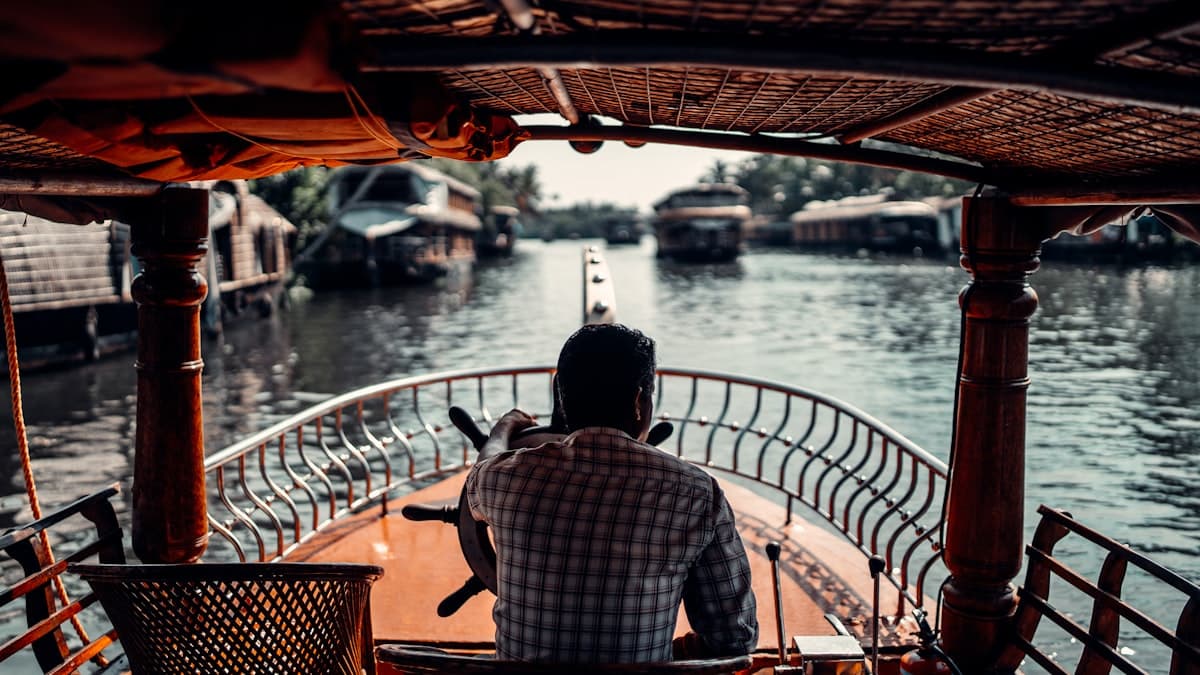
My friend Marcus spent 15 years booking the same type of holiday — flight, hotel, day trips, fly home. Last September he chartered a bareboat in Croatia for a week with three other people, split the cost four ways, and came back describing it as the best trip he'd taken in a decade. He doesn't sail. He'd never been on a boat longer than a ferry crossing.
That story is becoming less unusual.
________________
What changed
Boat travel used to mean one of two things: serious sailing with all the technical complexity that implies, or serious money on a crewed yacht. Neither category applied to most people, so most people didn't consider it.
Both of those barriers have eroded. Modern navigation systems are reliable enough that a first-time charterer can handle coastal routes that would have required an experienced sailor fifteen years ago. Engines are more dependable. When something does need attention, the modular design of modern boat parts means repairs are more manageable and less likely to strand you somewhere. The fear of a mechanical failure ruining a trip has receded significantly.
The charter market caught up to this reality. You can now rent a vessel, take a one-day sailing course beforehand if you want, and go.
________________
Why conventional tourism is pushing people toward the water
Mass tourism in 2026 has a problem that's hard to argue with: it doesn't feel good anymore. Airports operating above capacity. Famous beaches managed by crowd control systems. City centres hollowed out by short-term rentals and souvenir shops, where the "authentic" restaurant is now a themed version of itself aimed at people who flew in for 48 hours.
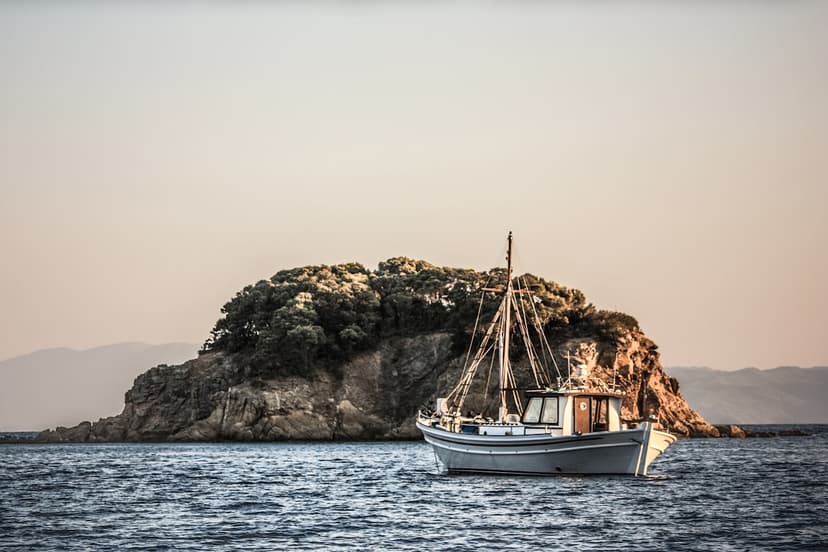
Boats sidestep most of this structurally. Water routes spread people along coastlines and into ports that land infrastructure never reaches. A small sailing vessel can anchor in a bay that sees three other boats a week. It can access shallow bays and narrow straits that cruise ships and ferries can't navigate. The places that infrastructure can't scale to are, in many cases, the places still worth going.
________________
The cost calculation people get wrong
Boat travel has a reputation for being expensive. That's accurate if you're looking at it wrong.
A crewed luxury yacht is expensive. A bareboat charter split between four people for a week in Croatia — covering accommodation, most meals, and local transport for the entire period — is not obviously more expensive than doing the same trip conventionally. Longer stays reduce the daily cost further. People who run the actual numbers rather than reacting to the headline charter fee are usually surprised.
________________
The environmental side
Flying less is increasingly a real consideration, not just a stated intention. Boat travel — particularly sailing or hybrid-powered options — offers lower-emission movement between destinations. For a week along the Adriatic or the Aegean, the alternative is multiple short-haul flights. The comparison isn't flattering for aviation.
The slower pace also means fewer destinations per trip and longer stays per location. That's better for the places themselves, and it fits a broader shift away from checklist tourism toward something more considered.
________________
The flexibility argument
The last few years taught a lot of travellers that carefully planned trips are fragile. Flight cancellations, hotel overbooking, visa complications — the fixed nature of conventional itineraries became a liability when circumstances changed.
Boat travel doesn't work that way. You leave when you want. You stay longer if a place is worth it. You reroute if the weather changes or you hear about something better. No check-in times, no checkout deadlines, no queue for a bus to the airport at 5am. That autonomy matters in ways that become obvious only after you've had a conventional trip fall apart on you.
________________
The remote work factor
A traveller who doesn't need to be in a specific city on a specific day fits boat travel perfectly in a way that hotels don't accommodate as well. Power and connectivity on modern vessels have improved significantly. People who tried the liveaboard lifestyle five years ago and found it logistically frustrating are returning to find it materially better.
The result is a category of trip that emerged organically: part holiday, part extended stay, part working environment that happens to change location every few days.
________________
What's actually different about 2026
None of these ingredients are new. The technology improvements have been building for a decade. The shift away from mass tourism has been visible for years. Remote work has been a factor since 2020.
What's different now is that enough of these threads converged that a meaningfully larger group of people started treating boat travel as a realistic option rather than an aspiration. The charter market expanded to meet that demand. The information barrier dropped. Social proof accumulated — through people's networks, through social media, through Marcus coming back from Croatia and telling everyone within earshot about it.
The format was always available. It's now genuinely accessible: to people without sailing experience, without yacht-owner budgets, and without a lifestyle that was built around boats from the start.
That's what's actually new in 2026.