Gravel, Granite, and Glory: A Journey Through the Red Sea's Rugged Heart
From Fishing Village to Frontier Town
Hurghada wasn't always the resort hub you see today. A century ago it was a quiet strip of Red Sea coastline where pearl fishers worked the shallows, far from everything. Oil changed that first — when drillers arrived in the early 1900s, they dragged roads, infrastructure, and workers into a landscape that had known almost none of those things. Then the world discovered what was beneath the water, and the focus shifted. The city reinvented itself around tourism and hasn't looked back.
That history explains why Hurghada feels the way it does: a little rough around the edges near the old quarter and the marina, then suddenly giving way to bays so clear you can count coral heads from the surface. It's an odd combination, but it works.
Two Experiences, One Place
Most visitors plant themselves at a beach resort — which is entirely reasonable, because the snorkelling off Giftun Island is genuinely world-class and it would be a shame to miss it. But stopping there means only seeing half of what's here.
Head inland and the landscape changes completely. The desert stretching toward the mountains isn't dramatic in a postcard way. It's stark, sun-hammered, and strangely compelling once you're actually in it. The contrast between the brilliant sea behind you and the emptiness ahead is jarring in the best possible sense.
Quad Biking: Better Than It Sounds
If someone had told me beforehand that quad biking through the desert would be a highlight, I'd have been sceptical. It sounds like a tourist filler activity for people who couldn't think of anything better. I was wrong.
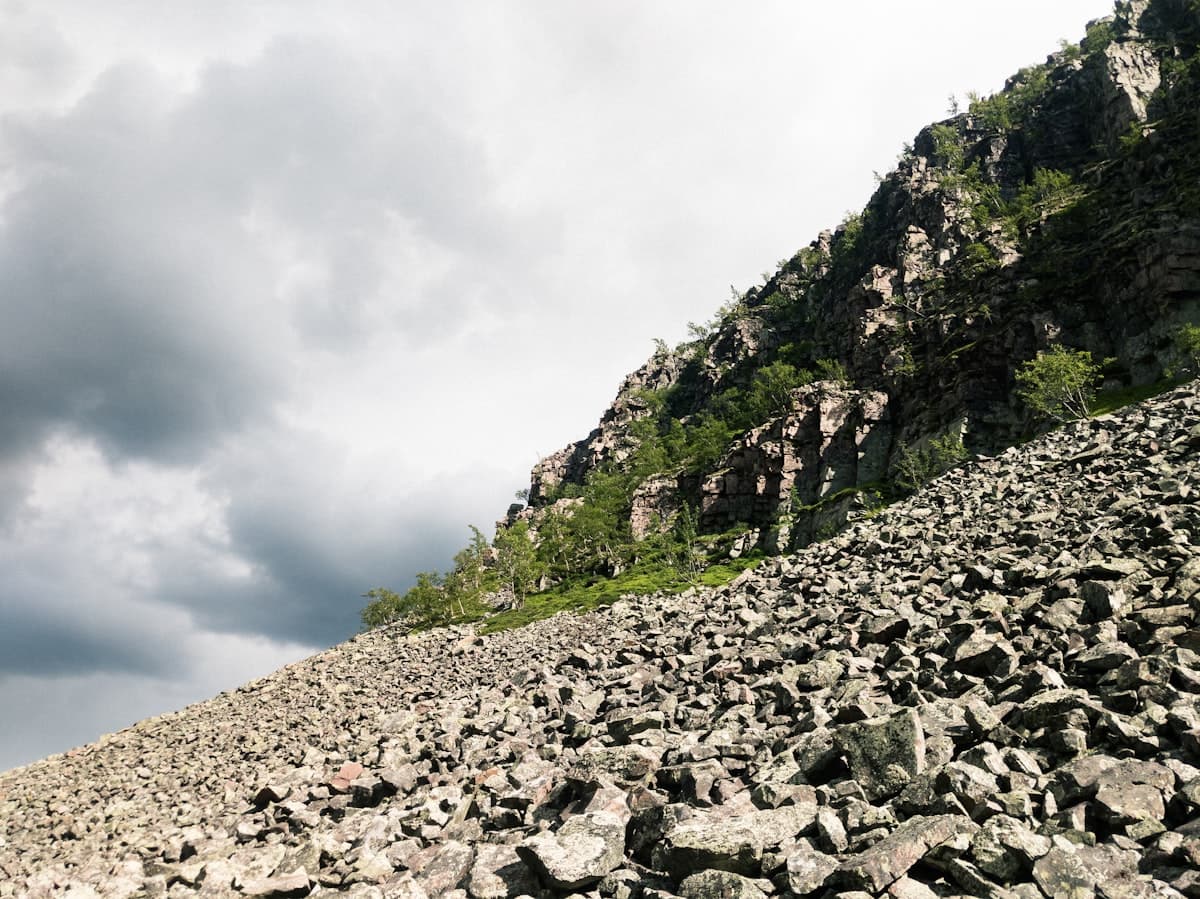
A quad Hurghada excursion takes you into the geological formations that ring the city — long sandy plateaus, hidden wadis that cut between the hills, stretches of gravel plain that look genuinely otherworldly. You move fast enough to feel the wind, slow enough to actually look around. The guides know routes that aren't on any map: narrow canyons that the main roads bypass entirely, viewpoints with no other tourists in sight.
Wear proper clothes, not beach kit. The dust is fine and gets into everything, and the wind drops the temperature faster than expected once you're moving.
Mons Porphyrites: The Emperor's Quarry
This is the one most visitors skip, which is a genuine mistake. Fifty kilometres into the Eastern Desert lies one of the stranger historical sites in Egypt: the place where Roman emperors got their purple stone.
Porphyry — deep red-purple volcanic rock — was reserved for imperial use in the ancient world. No emperor's palace was complete without it, and the only deposit in the entire Roman Empire was here, in these mountains above the Red Sea. A Mons Porphyrites day trip brings you to the ruins of the fortified quarry settlement: barracks, a temple, the stone-cutting beds, and thousands of fragments abandoned when the Western Empire collapsed and the operation simply stopped.
What stays with you isn't just the history — it's the logistics. Workers transported massive blocks across this desert to the Nile, then floated them north to Alexandria and across the Mediterranean. Standing among those abandoned fragments, you start to understand the scale of what they pulled off.
Before You Head Out
- A traditional headscarf keeps fine desert dust off your face and hair — especially useful on a moving quad.
- Apply high-SPF sunscreen every couple of hours. The wind makes it feel cooler than it is, which catches people off guard.
- Closed-toe shoes with decent grip. The volcanic rock at Mons Porphyrites is sharp, and shifting sand needs a proper sole.
- A wide-angle lens if you're photographing — both the mountain scenery and the archaeological site need the width to do them justice.
- A small first-aid kit and hand sanitiser. Bedouin tea at the site is excellent, but you'll want clean hands before accepting a cup.