Boston to Provincetown: Ferry, Bus, Driving or a Private Car
Boston to Provincetown is about 115 miles by road and roughly 50 across the water. The gap between those two numbers is the whole story of this route: the drive traces the Cape's arm the long way round, the ferry cuts straight across the bay. On a summer Friday the difference can be three hours.
The fast ferry
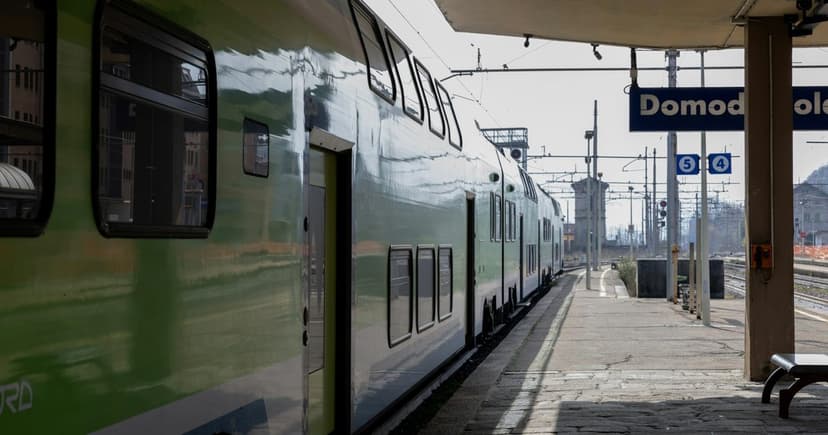
For most of the season this is the obvious answer. Bay State Cruise Company sails from 200 Seaport Blvd on the Boston waterfront to MacMillan Wharf in Provincetown in about 95 minutes, running daily from 16 May to 18 October 2026 and weekends through 15 November. Boston Harbor City Cruises runs the same crossing from Long Wharf, by the New England Aquarium, in a comparable 95 minutes.
Bay State lists adult one-way fares of $87–102 and a $128 round trip for 2026, departing Boston at 08:30, 13:00 and 17:30; bikes travel for $10 one way and $20 return. City Cruises prices its sailings by date and demand rather than a fixed table, so check its booking calendar.
Both boats land you a short walk from Commercial Street, which matters more than it sounds. Parking in Provincetown in August is its own problem, and arriving without a car removes it. The catch is the calendar and the weather: there is no winter service, and a rough forecast can cancel a crossing.
Driving yourself
Route 3 to the Sagamore Bridge, then Route 6 along the length of the Cape. Maps will promise two and a half hours. On a July Friday afternoon that is optimistic by a wide margin: the bridge approaches and the Orleans rotary are the reliable pinch points, and five hours happens.
Count the whole cost before deciding: fuel both ways, tolls, and municipal parking in Provincetown, which is neither cheap nor plentiful in high season. If you are staying a week and the car will sit in a lot the entire time, it is a poor deal.
If you do drive, Route 6A through Sandwich is the better road, the old grey-shingled Cape rather than the strip beside the highway. It is slower and worth it. The Cape Cod Canal at Sagamore makes a good leg-stretch with children in the car, and Coast Guard Beach in Eastham sits about twenty minutes off the main route.
The bus
Plymouth & Brockton runs the Boston–Provincetown route and works well if you are travelling light and your schedule is genuinely flexible. Fixed departures and no detours: you will not be stopping at Highland Light because the cliffs look like that. It is the cheapest way to make the trip and the least comfortable one on a hot Friday.
A car with a driver
The case for a private transfer on this route is narrow but real: winter, when the ferry is not sailing; a late arrival at Logan; a group with luggage that does not suit a ferry gangway; or a trip where the stops along the way are part of the point. Rates on this route generally run around $350–420 for a sedan, $450–700 for a large SUV and $700–1,000 for a van, fixed when you book rather than metered.
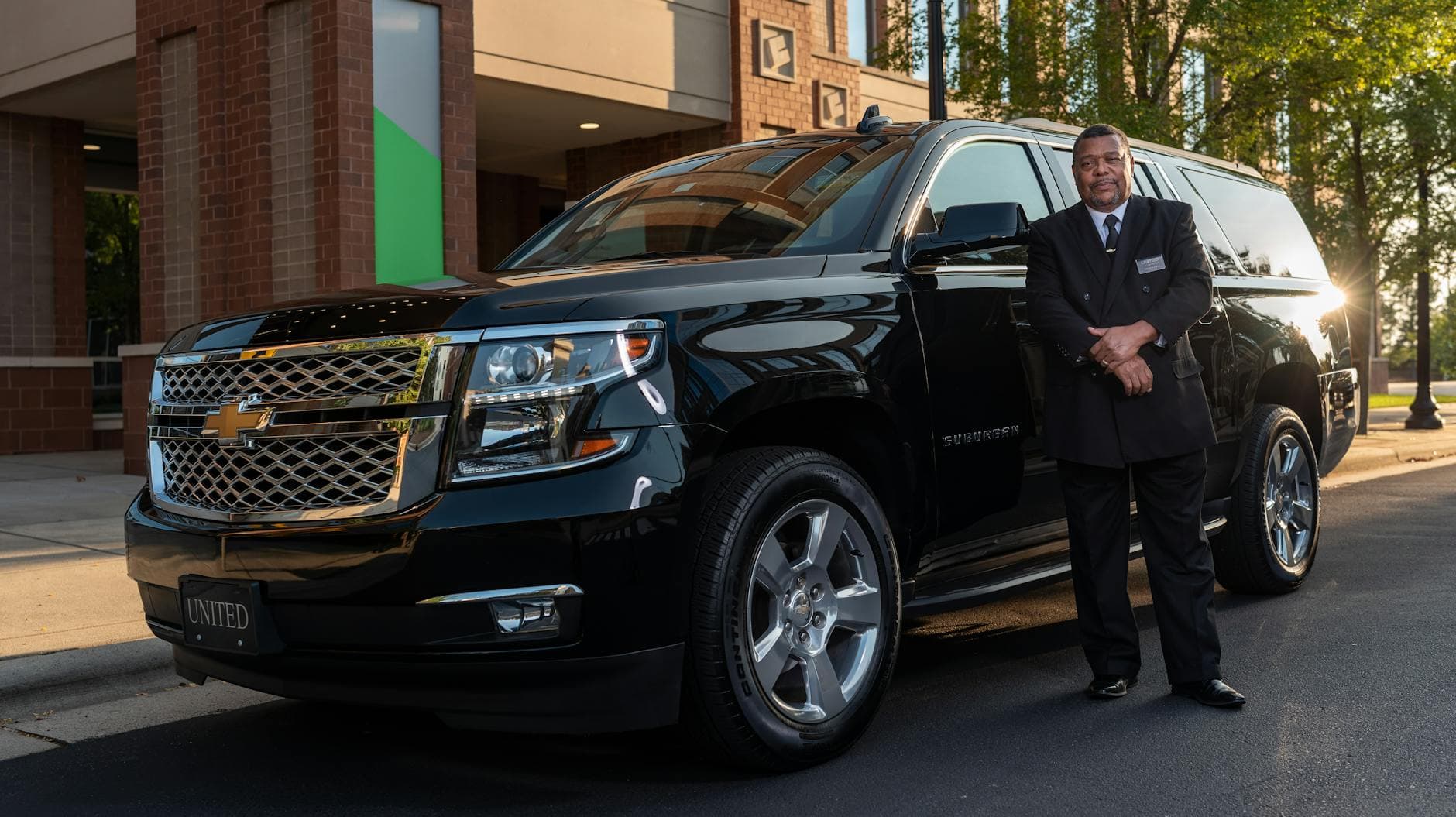
Vehicle size matters more than people expect. A sedan takes two adults and two large cases comfortably. Three adults in the back for two hours is endurance rather than comfort, so from three passengers up an SUV is the honest minimum, and it is the only class that takes two car seats and a stroller without engineering. Seven or more means a van.
Whoever you book with, confirm the pickup point the day before, flag odd luggage such as surfboards or bikes and any car seats when you book rather than at the kerb, and read the cancellation terms. On the Cape, where plans bend around weather and ferry schedules, a refundable rate is often worth the 12–20% it adds.
Which one, honestly
In season, travelling light, no car needed at the other end: take the ferry. Winter, a late flight into Logan, or a group with real luggage: book a car. Tight budget and a flexible schedule: the bus. Driving yourself makes sense mainly if you need a car once you are there, and on the outer Cape most visitors do not.