Is Croatia Safe to Travel? Discover the Safety Measures You

Introduction
Dreaming of Croatia? You're probably wondering: Is Croatia safe to travel? Good question! With its charming old towns, amazing coastal views, and lively culture, Croatia has become a popular destination. Like anywhere, though, you need to think about safety. This article will cover what you need to know before you go.
Why Croatia?
Croatia is known as one of the most beautiful countries in Europe. Its spectacular scene, from the Adriatic coast to the peaceful countryside, offers a ton of different experiences. Whether you’re interested in island hopping, chilling on the beach, or seeing historical landmarks, Croatia has something for everyone.
Rich Cultural Heritage
With a history stretching back to the Roman empire, you'll see remnants of the past wherever you go. From the ancient city walls of Dubrovnik to the architecture of Split, Croatia is packed with culture.
Delicious Cuisine
The food! The combination of Mediterranean and Central European flavors makes every meal an adventure. Try some local seafood and Croatian wines!
Safety in Croatia: The Details
So, is Croatia safe? Yes, it’s generally considered a safe place to travel. Here's what to know:
Crime Rates
Petty theft and pickpocketing can happen—especially where tourists gather—but violent crime is rare. Keep your belongings secure and pay attention to what's happening around you.
Travel Insurance
Get travel insurance. It covers medical emergencies and unexpected trip cancellations or losses. Worth it.
Transportation
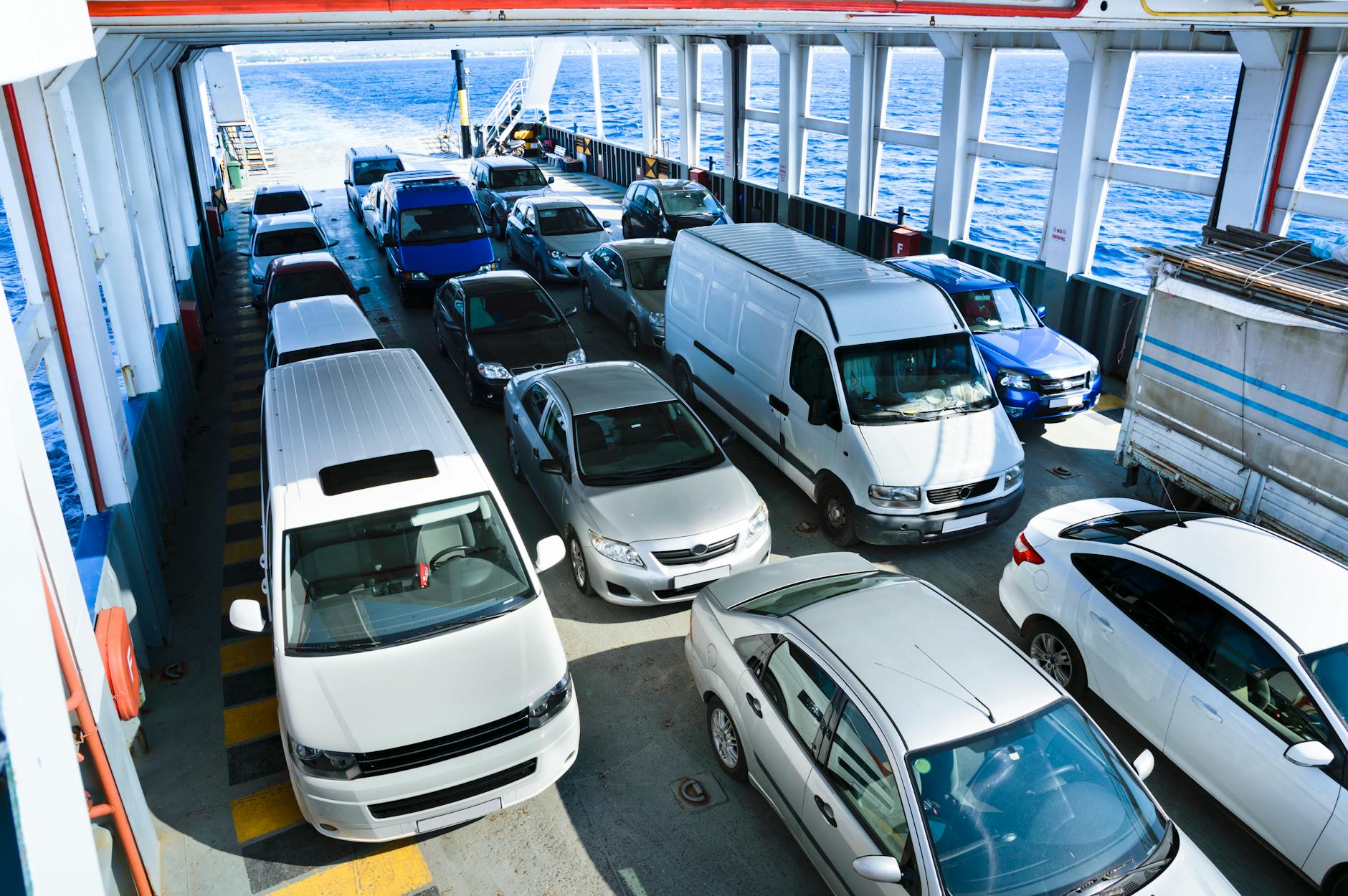
Public transport is efficient and safe. Buses and trains connect major cities. If you're visiting remote areas, consider booking a private transfer.
Tips for a Safe Trip
Here's how to travel smart:
- Watch your surroundings: Common sense is key. Keep an eye on your stuff, especially in crowds.
- Official transport: Use licensed taxis.
- Travel Insurance: Always have travel insurance.
- Learn phrases: Knowing some Croatian helps and is appreciated.
- Don't flaunt wealth: Keep expensive jewelry out of sight.
Health & Safety
Here are some health tips:
Food Safety
Eat at reputable restaurants. Street food can be great, but choose vendors that look clean and busy.
Hydration
Drink plenty of water, especially in summer. Use bottled water.
Bugs
If you're going into natural areas, use insect repellent.
Must-See Places
Here are some destinations to consider:
| Location | Attraction |
|---|---|
| Dubrovnik | Old Town and City Walls |
| Split | Diocletian's Palace |
| Zagreb | The Upper Town |
| Plitvice Lakes | National Park Waterfalls |
| Hvar | Beaches and Nightlife |
Seasonal Safety Considerations
Summer
Summer in Croatia means sun, sea, and...crowds. The coastal cities become very busy, increasing the risk of petty theft. Keep a close watch on your belongings, especially on beaches and in markets. Also, the sun is intense, so stay hydrated and use sunscreen. Honestly, the crowds can be overwhelming, so consider visiting in the shoulder season (May-June or September-October) for a more relaxed experience.
Winter
Winter brings a different kind of beauty to Croatia, with fewer tourists and snow-dusted landscapes. However, some coastal areas might feel deserted, and ferry services to the islands are reduced. Be prepared for colder temperatures, especially inland. If you're driving, be aware of icy roads, particularly in mountainous regions. Many smaller restaurants and shops may be closed, so plan accordingly.
Spring
Spring is a sweet spot in Croatia. The weather is pleasant, the tourist crowds haven't yet arrived, and everything is in bloom. It's a great time for hiking and exploring national parks. Be aware that the sea might still be too cold for swimming early in the season. Also, some seasonal businesses might not open until late spring. I went in April once and found it perfect for exploring without the summer rush.
Autumn
Autumn offers mild weather and stunning fall colors, especially in the inland regions. It's harvest season, so you'll find local markets filled with fresh produce. The sea is still warm enough for swimming in early autumn. However, be prepared for occasional rain, especially in late October and November. Some tourist facilities might start closing down towards the end of the season.
Conclusion
Croatia is one of the safest places to travel in Europe, thanks to low crime rates and hospitality. Whether you’re traveling solo or with family, stay alert and make smart choices. With the right travel insurance and some practical tips, you can enjoy this country without worry. One last tip: download an offline map on your phone, especially if you plan to hike or explore rural areas. Cell service can be spotty!