Connecting at Frankfurt Airport: What the Transfer Actually Involves
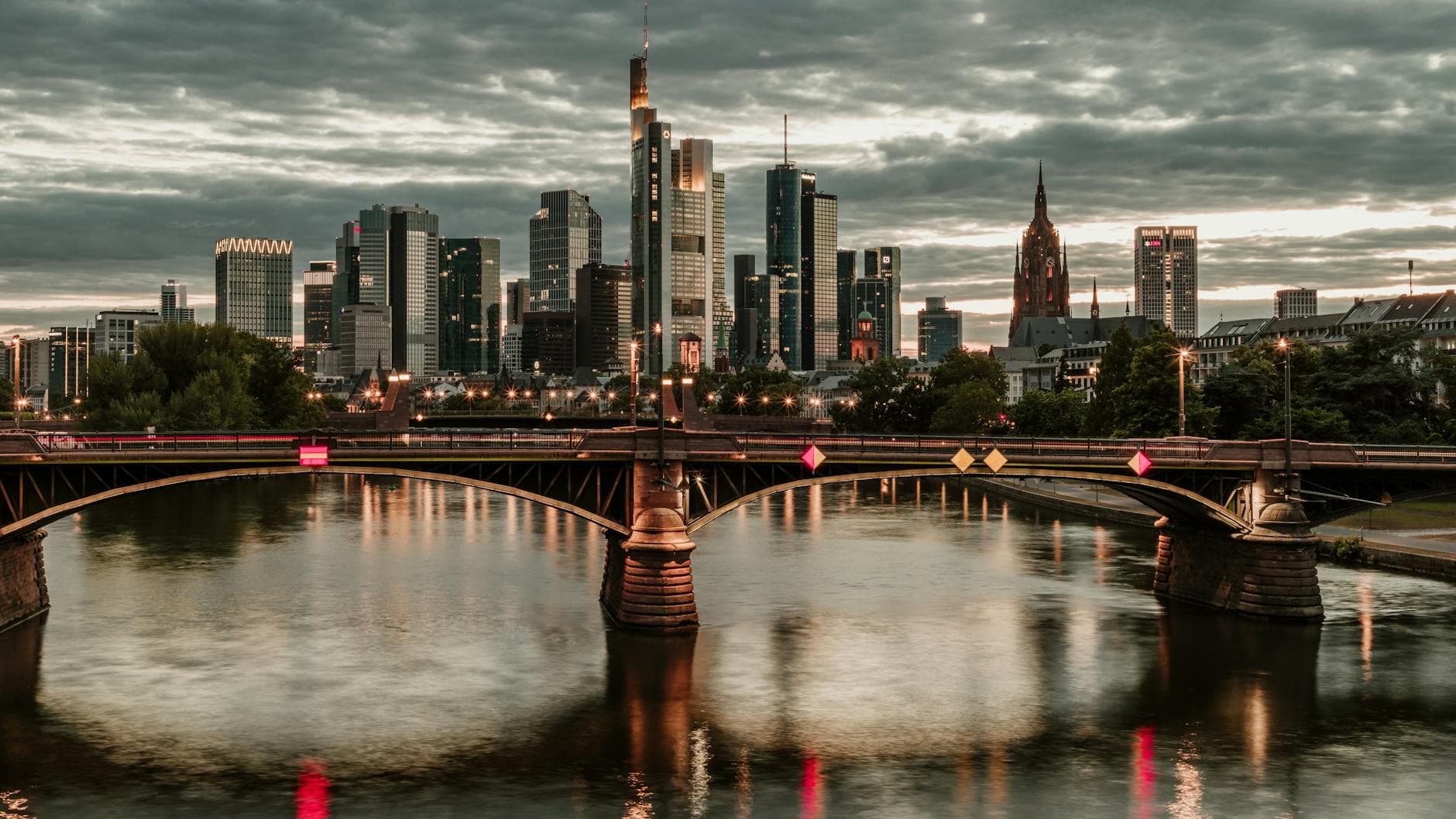
Frankfurt handled just over 63 million passengers in 2025, which places it sixth in Europe by traffic. Fraport puts the transfer share at just under half of all passengers. The airport supports connections once you know the layout. Ignore the details and you easily miss your next flight.
Terminal 1 vs Terminal 3: The Core Difference
The terminal map changed in 2026. Terminal 3, on the south side of the airport, took its first flights on 23 April 2026. Terminal 2 closed permanently on 9 June 2026 for a refurbishment of around €1.5 billion that Fraport expects to run into the mid-2030s. Every airline that flew from Terminal 2 now uses Terminal 3.
- Terminal 1 handles Lufthansa, all Star Alliance carriers (United, Singapore Airlines, ANA, Swiss, Austrian, etc.), and Condor. Condor stays in Terminal 1 until its planned move to Terminal 3 in summer 2027.
- Terminal 3 handles the rest: British Airways, easyJet, Emirates, Qatar Airways, Wizz Air, Delta, Etihad, and others, at gates G, H, and J.
The new Sky Line people mover links Terminal 1 and Terminal 3 in eight minutes. It is out of service for the moment. Fraport suspended it on 28 May 2026 for technical inspections, and shuttle buses cover the route instead. Walking to the bus, riding across the airport, and walking to the gate at the other end takes far longer than the train. When your connection involves a terminal change, subtract the full transfer time from the published connection window and decide whether the margin feels safe.
Minimum Connection Times
Lufthansa publishes Minimum Connection Times (MCT) for FRA. These official thresholds show the shortest times the airline will accept on a single ticket. They do not represent comfortable connections.
- Terminal 1 → Terminal 1, Schengen to Schengen: 60 minutes (Lufthansa raised this from 45 in March 2025).
- Terminal 1 → Terminal 1, involving a non-Schengen segment: 60 minutes.
- Terminal 1 ↔ Terminal 3: plan 90 minutes or more while the Sky Line is suspended and buses carry the transfer traffic.
If you do not fly through FRA regularly, add 20 to 30 minutes to each of these figures. That buffer keeps you from running. The MCT marks the limit below which the airline will not sell the connection. Lufthansa and its Star Alliance partners all sit in Terminal 1, so most single-ticket itineraries avoid a terminal change.
Schengen vs Non-Schengen Transfers
Connections that cross a Schengen border require passport control. An arrival from the US or UK followed by a flight inside Germany is one common example. Queues at FRA passport control change a lot. Treat any tight connection that crosses the boundary with extra care, especially when several US flights land between 7 and 9 a.m.
Connections that stay inside Schengen skip this step and stay more reliable on short windows. If you change terminals, leave room for a security re-check before your departure gate as well.
If Your Inbound Flight Is Late
Lufthansa runs so many connections at FRA that staff actively manage delay cascades. When you hold a Lufthansa booking or any Star Alliance ticket the airline controls, gate agents receive instructions for delayed passengers. Follow the agent. A different flight or a gate hold often solves the problem.
Independently booked connections on two separate tickets leave you responsible for rebooking costs if the first flight runs late. Travel insurance that covers missed connections is worth having on any tight FRA itinerary bought on separate tickets.
Ground Transport from FRA
If your journey ends at Frankfurt or you continue by road:
- The Frankfurt Fernbahnhof (long-distance rail station) sits next to Terminal 1, a few minutes away on foot. ICE trains to Berlin, Munich, Hamburg, Stuttgart, and Cologne run frequently.
- The S-Bahn (S8/S9 lines) connects FRA to Frankfurt Hauptbahnhof in about 12 minutes, roughly every 10 minutes. Both rail stations sit on the Terminal 1 side, so from Terminal 3 you ride the shuttle bus first.
- For destinations not well served by rail, such as the Rhine-Main suburbs, Wiesbaden, Darmstadt, Mainz, or the Messe area hotels, pre-booked private transfers with fixed pricing cover the gap the rail network doesn't.
Terminal 3 has its own drop-off zone with a direct link to the A5 motorway, so a car reaches it without the shuttle step. For arrivals before 06:00, when S-Bahn frequency drops, and for groups with luggage, a private transfer booked in advance is consistently faster door-to-door than the public transport alternative.
Terminal transfer and rail: the verified figures
The new Sky Line between Terminal 1 and Terminal 3 is free and takes eight minutes when it runs. Fraport built it to carry up to 4,000 passengers per hour in each direction. It has been suspended since 28 May 2026 for technical inspections and adjustments. Until it returns, shuttle buses run every two to three minutes during the day and every 10 minutes between 11 p.m. and 5 a.m., from stops in front of the terminal buildings at the arrivals level. Connecting passengers use a separate airside shuttle, according to Fraport. Check the airport website before you fly for the current status.
Lufthansa changed its minimum connecting time at FRA for intra-European flights. The figure rose to 60 minutes on 30 March 2025. The earlier exception that allowed 45 to 50 minutes no longer applies to those connections. Check the connection time printed on your own ticket, since the limit varies by route.
For the city centre, take the S-Bahn from the airport regional station. Lines S8 and S9 reach Frankfurt Hauptbahnhof in about 12 minutes. Trains run roughly every 10 minutes through the day. At the main station they use the lower-level platforms 103 and 104. The regional station lies beneath Terminal 1. From Terminal 3, allow 15 to 20 extra minutes to reach it by shuttle bus.