Contemporary Indigenous Art on Display and the Transport
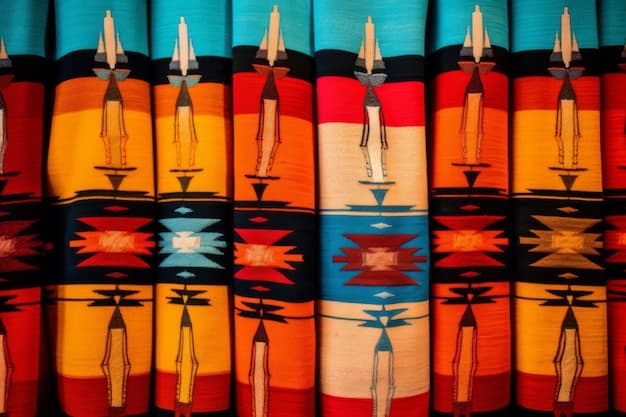
The Penn Museum recently enhanced its Native North America Gallery with seven contemporary Indigenous works. This involved climate-controlled freight, custom crates, detailed condition reports, insurance, and a hand-carried courier to meet strict museum conservation standards and interstate transport regulations.
The New Native Artworks at the Penn Museum
By displaying modern creations alongside ancient artifacts, the gallery emphasizes the continuation of tradition. Each piece had specific requirements for packing, handling, and display, which influenced both the curation and visitor flow.
| Work | Artist / Nation | Materials | Transport & Handling Notes |
|---|---|---|---|
| Emerging from Raven | Preston Singletary (Lingít) | Glass, colored overlays | Shock-absorbing crate; stable humidity 45–55% RH |
| I Am More Than Fluff | Holly Wilson (Delaware Nation/Lenape) | Bronze, glass, feathers | Feather isolation, non-abrasive packing, careful display mounts |
| Halibut Hook | Jonathan Rowan (Lingít) | Alaskan yellow cedar, Pacific yew | Pest-control certification; wooden-conservation protocols |
| Parceled Space #2 | Brenda Mallory (Cherokee Nation) | Felt, thread spools, wood panel | Vibration mitigation; textile-safe supports |
| Pot Ring | Christopher Lewis (Zuni Pueblo) | Yucca, willow | Humidity control; flattened storage during transit |
| Ovoid Earrings | Vina Brown (Haíłzaqv Nation) | Beads, silver | Small-object trays; anti-tarnish measures |
| Dancing Bears Carving | Charlie Watty (Eastern Band Cherokee) | Walnut | Foam-lined packing; monitor for shock and vibration |
Meet the Artists
Preston Singletary (Lingít) — Emerging from Raven
Singletary's work blends Northwest form-line design with American Studio Glass techniques. The gallery carefully controls temperature and UV exposure to protect this glass piece, affecting its placement and lighting.
Holly Wilson (Delaware Nation/Lenape) — I Am More Than Fluff
Wilson’s mixed-media piece, incorporating metal and feathers, tells a story through its construction. Conservators used specialized display methods to accommodate the differing needs of feathers and patinated metals.
Visitor Tips
The gallery's schedule influences how busy it is, particularly on weekends. Here are some tips for a smoother visit:
- Book transportation in advance to avoid long waits during peak hours.
- Choose a vehicle with enough trunk space for shopping or camera gear.
- Allow extra time for security and coat checks, especially if you're heading to the airport afterward.
- If visiting with a group, check accessibility and seating arrangements.
Planning Around Museum Events
Major temporary exhibitions can increase demand for taxis and a private transfer service, especially on opening weekends. Coordinating event schedules with these services can help reduce wait times. If you're visiting for a big event, book your transport early.
The Collaborative Process
Curators collaborated with Indigenous consultants and conservation experts to ensure cultural sensitivity and professional standards. This influenced everything from crate design to the wording of interpretive labels. The goal is a safe and respectful presentation.
Checklist for Institutions Lending Art
- Prepare detailed condition reports and courier instructions.
- Use inert materials for crates and mounts.
- Specify climate and lighting conditions.
- Handle insurance and customs paperwork early.
This exhibition highlights how contemporary Indigenous artists honor tradition while embracing modern techniques. Experiencing these works connects viewers to a legacy of craftsmanship in toolmaking, basketry, glasswork, and woodcarving.
The mix of old and new, the meticulous handling, and the involvement of Indigenous curators are the most compelling parts of this exhibition. Seeing it in person is the best way to appreciate it. Worth it.
The addition of contemporary Indigenous works to the Penn Museum is significant for local and regional cultural tourism, drawing scholars, collectors, and informed travelers.
The exhibit demonstrates the behind-the-scenes effort—from crate construction to climate control—required to make art accessible. To make your visit easier, plan your timing, choose the right transport, and know museum policies. These measures will enhance your experience of Indigenous art. One practical tip: check the museum's website for any temporary closures or special events before you go.