The Importance of Our Oceans: A Call to Action

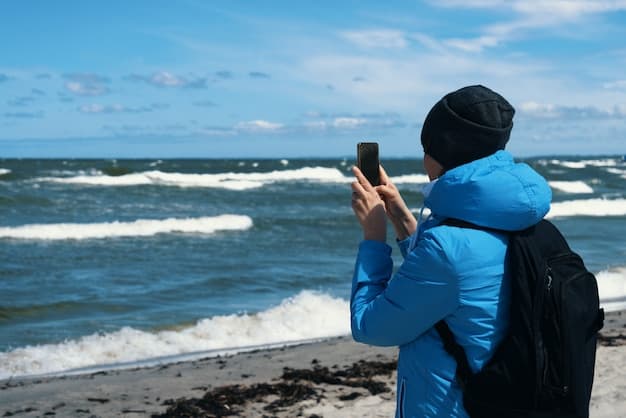
Why Our Oceans Matter
The health of our oceans is a hot topic, and rightly so. Covering over 70% of the planet, the ocean is more than just water; it's a critical resource that sustains life and regulates our climate. Yet, it's an environment that's often underappreciated and under threat.
What's World Oceans Day About?
Celebrated every June 8th, World Oceans Day highlights the ocean's importance. Officially recognized in 2008, it's a global call to acknowledge the ocean's benefits and act to protect it. Each year's theme focuses on different aspects of marine conservation, raising awareness of the challenges our oceans face.
How the Ocean Regulates Climate
The ocean is important in regulating the Earth's climate. It's a huge heat sink, absorbing carbon dioxide and buffering us from the worst of climate change. It's also incredibly biodiverse, home to countless species and ecosystems that directly or indirectly benefit us.
We Depend on Ocean Resources
We rely heavily on the ocean for food, transport, and recreation, yet it doesn't get the attention it deserves. Over three billion people depend on the ocean as their primary protein source, so its health directly affects global food security. Plus, coastal and marine tourism creates jobs and boosts local economies.
What Challenges Do Our Oceans Face?
Ocean ecosystems face many challenges. Pollution, overfishing, and climate change all threaten the delicate balance of marine life. Plastic pollution, in particular, has gained attention as vast amounts of waste accumulate in ocean gyres, harming wildlife and habitats.
David Attenborough's Ocean Advocacy
Sir David Attenborough, the well-known naturalist, is using his platform to raise awareness through his latest film. He believes the future of life on Earth depends on the health of our oceans. He finds hope in the resilience of marine ecosystems, saying that “if left alone, the ocean may not just recover but thrive.” It's a call to action for world leaders to genuinely protect marine territories.
What Can Be Done?
Attenborough's key message is that conservation efforts aren't pointless. Promises have been made to protect large areas of the ocean, but we need real action to make these commitments a reality. Some organizations promote eco-friendly travel options that reduce your carbon footprint while letting you explore beautiful coastlines. Prioritizing sustainable transport shows how travel and ocean conservation are linked.
Is There Hope for Our Oceans?
The state of the oceans can seem overwhelming, but there's still reason to be optimistic. Discoveries show that marine ecosystems can recover faster than we thought if given the chance. Conservation efforts, especially those supported by films and campaigns, can raise public awareness and influence policy.
What Individuals and Organizations Can Do
- Educate others about ocean conservation.
- Join or support local clean-up events.
- Choose sustainable travel options.
Even small individual actions can add up to make a big difference. While expert opinions are valuable, personal experience is key. When planning trips to coastal areas, consider using sustainable transport options, such as booking a private transfer service where you can choose a vehicle that fits your needs.
Our oceans are vital, not just for biodiversity but for human survival. The connection between conservation, travel, and how we interact with the ocean is more important than ever. A private transfer service can help you make informed travel choices that consider environmental sustainability while offering options for different budgets and preferences.
Ongoing discussions about ocean conservation highlight it's important role in our world. Our blue planet isn't just a backdrop for our vacations; it's a lifeline for countless species, including us. By prioritizing sustainable practices, we can help ensure our oceans thrive for generations to come. Make your travel plans with a platform that offers convenient and eco-conscious journeys—Book your Ride a transfer service.
Practical Tip: When you're visiting coastal areas, spend your money at local businesses that are committed to sustainability. It helps the environment and makes your trip better. Honestly, those tourist traps aren't worth it.