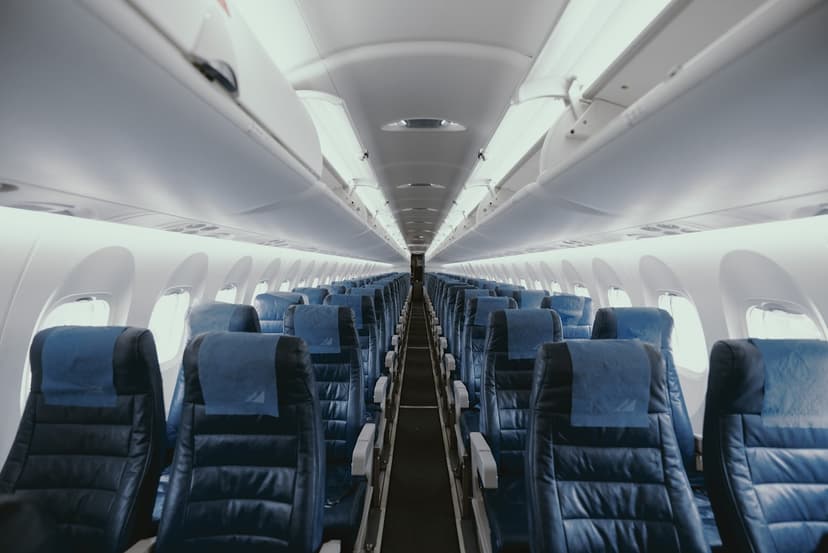
Gujarat advances plans for seaplane manufacturing
Gujarat Eyes Seaplane Corridors: A New Era for Regional Connectivity?
Gujarat is exploring the possibility of seaplane routes connecting Ahmedabad to Dharoi, Somnath, and Dwarka. This initiative aligns with the Union budget's focus on boosting local seaplane manufacturing and a proposed VGF (viability gap funding) scheme.
Seaplane Policy: Key Changes and Incentives
The Union budget has introduced incentives to encourage local seaplane production and a dedicated VGF to improve connectivity to remote areas. Gujarat's revised civil aviation policy will include measures to promote local manufacturing and designate areas near ports for potential seaplane manufacturing facilities. The state aims to attract investment by offering special incentives and speeding up the approval process.
Reviving Key Routes and Infrastructure
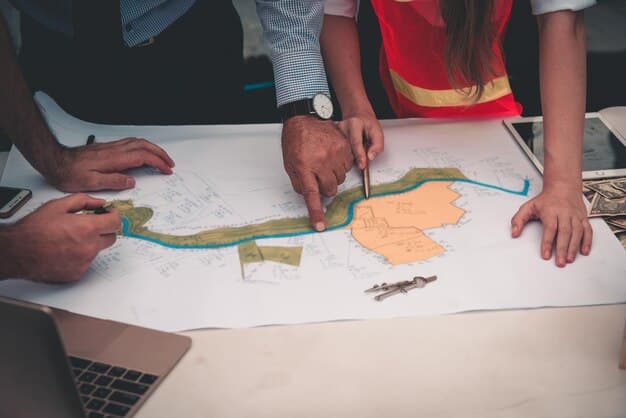
The state government plans to re-establish seaplane connections on popular routes. They intend to propose 3–4 routes and conduct site-specific studies to ensure Gujarat is ready when central VGF support becomes available. The Ahmedabad–Ektanagar service, launched on October 31, 2020, was suspended in April 2021 after a short period. The state invested approximately Rs 19 crore in that project, constructing waterdromes at the Sabarmati riverfront in Ahmedabad and Ektanagar. I think it's a shame that the pilot didn't last, but hopefully they've learned from the experience.
| Route | Current status | Key considerations |
|---|---|---|
| Ahmedabad – Dharoi | Under feasibility study | Water availability, docking, last‑mile road links |
| Ahmedabad – Somnath | Proposed | Tourist demand seasonality, weather windows |
| Ahmedabad – Dwarka | Proposed | Port perimeter sites, marine approvals |
| Ahmedabad – Ektanagar | Suspended since 2021 | Operator viability, pandemic impact, operator contracts |
Overcoming Operational Hurdles
Seaplane operations involve both aviation and marine regulations. Prerequisites include licensing, certified waterdrome maintenance, pilot training, and safety inspections. The state will need to work with port authorities, coastal regulation zones, and civil aviation regulators to ensure operations run smoothly. For manufacturers, supply-chain logistics, component sourcing, skilled labor, and testing facilities are very important, and policy incentives will need to address these factors.
Improving Ground Connectivity
Seaplane services will change how passengers are transferred to and from their final destinations. Passengers arriving at waterdromes will require dependable road transport to city centers, airports, and tourist spots. To minimize transfer times and confusion, effective scheduling, clear signage at waterdromes, and integrated ticketing are essential. Private transfer services and taxis can anticipate increased demand during scheduled seaplane arrivals and departures, while operators will need to manage luggage and shuttle coordination. Here's a breakdown of key considerations:
- Passenger considerations: weather delays, luggage limits, safety briefings.
- Operator tasks: docking procedures, marine insurance, crew licensing.
- Infrastructure needs: fuel handling, passenger lounges, emergency response.
- Commercial factors: fare setting, VGF eligibility, seasonal pricing.
The Economic and Tourism Impact
The establishment of seaplane manufacturing and operations could lead to the creation of aerospace and marine service hubs around Gujarat's ports, creating jobs and diversifying local suppliers. For tourism, faster access to religious and coastal destinations may encourage shorter trips and weekend getaways. The global effect, however, will probably be limited unless similar policies are implemented across other coastal states. Still, this is significant for transport planners and transfer companies to monitor regionally.
The plan highlights targeted route revival, manufacturing incentives, and port-area site selection. However, its feasibility depends on operator interest and timely policy implementation. Prospective passengers will be the best judges of convenience and value.
In conclusion, Gujarat's effort to combine seaplane manufacturing with operational routes has the potential to reshape regional connectivity by adding a waterborne element to aviation and ground transportation networks. The logistical challenges include licensing, waterdrome readiness, route economics, and ground transfer integration. For travelers and transfer services—taxi drivers, airport shuttle operators, limousine and private car services—these changes mean new pick-up locations, adjusted fares, and opportunities to offer combined services through apps or direct booking. Pricing for combined transfers will depend on location, travel time, vehicle type, seating configuration, and licensing requirements, but the potential for convenient and affordable intercity and airport connections is evident.
My tip: If you're planning to use these services, factor in extra time for potential delays, especially during monsoon season.