The Future of Intercity Mobility: Insights on Tier-2 and
The Changing Face of City Transportation
India's transportation scene is changing, especially in smaller cities. As these cities get richer, people want travel that's safer, has air conditioning, and uses technology. This is a big shift, opening doors for new ways of doing business and improving how we travel between cities.
Urban Growth and Staying Connected
India's cities are growing fast, and not just the big ones. Tier-2 and tier-3 cities are seeing lots of new residents, showing that economic activity is spreading out. More and more cities have over a million people. States like Telangana and Andhra Pradesh are leading the way in this growth. The urban growth story isn't just about the major cities anymore.
As these cities grow, so does people's income, especially in the smaller ones. More families are earning between ₹10 lakh and ₹25 lakh, so they expect better travel options. But even with this economic growth, it's not always easy to get around. Air travel is becoming more popular, but it's still a small part of how people travel between cities. Most people still use buses, cars, and trains.
Tackling Travel Troubles
Trains are often packed, and can't keep up with demand. Air travel is still rare in smaller cities. Government programs like the UDAN scheme want to make air travel easier by adding more airport routes, but it will take time to see real changes. So, road transport is still the main way people get around in these growing cities.
The Digital Age: A Driver for Change
More people in smaller cities are using the internet, which is boosting the travel revolution. Over 690 million people are online, and many of them live in these cities. People are using phones, buying tickets online, and using digital payments, making it easier to use better bus services.
Also, the gig economy is doing well in these areas, with more flexible job opportunities than in big cities. This digital activity not only creates demand for better travel but also allows transport companies to find workers more easily.
How Travel is Changing
Many people are moving from small towns to growing urban centers, especially in the southern states. This increases the need for reliable ways to travel between cities. More women are working, which also means there's a need for safe and convenient transport.
Government Support and Building Infrastructure
Government investments are key to improving infrastructure in tier-2 and tier-3 cities. Programs like the Smart Cities Mission are working to improve roads and city transport. Recent budgets have focused on connecting regions, with money set aside for airlines and investments in smaller towns. This could lead to better and more efficient roads for intercity buses and other transport.
What Customers Want
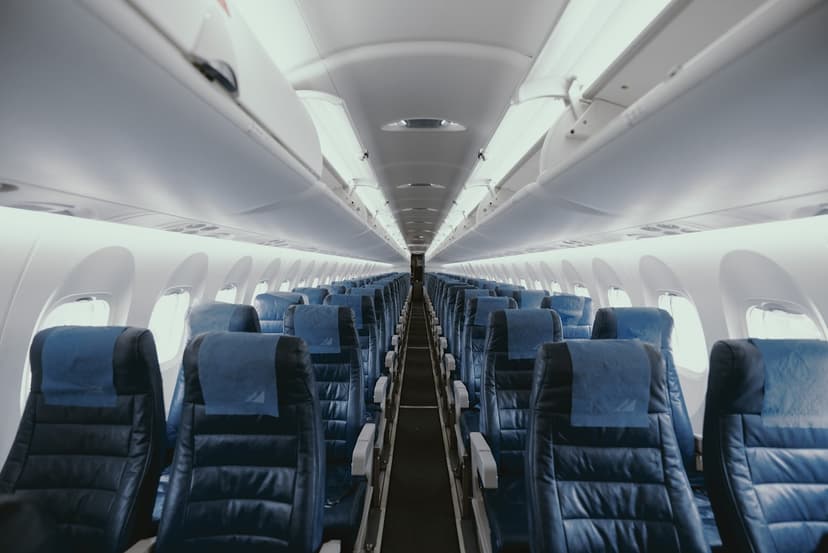
As people become wealthier, they want better, more reliable travel that's both comfortable and affordable. More people want air-conditioned and safe bus services, which is leading to new ways of doing business and better services. Honestly, I think people are right to expect more for their money.
Sustainable Travel Options
For transport companies, routes in tier-2 and tier-3 cities offer good opportunities for growth. Unlike big city routes, it's often cheaper to operate here, and steady demand means vehicles are used efficiently. This allows transport providers to find new and profitable ways to expand.
New Ways of Doing Business in Intercity Travel
The future of travel in India will depend on connecting different types of transport. Smaller cities will be important in linking local services with long-distance routes. More people are using digital technology, policies are supportive, and people in these regions have bigger goals, making them central to the changing transportation scene.
In Conclusion
As India's transportation changes, smaller cities are set to lead the way. They're where traditional and modern travel solutions come together, creating a great opportunity that requires investment in solutions tailored to the needs of millions of travelers.
While reviews can be helpful, nothing beats trying something yourself. A private transfer service lets you hire vehicles with drivers from trusted providers at reasonable prices. This helps you make good choices and avoid disappointment. The service focuses on convenience, affordability, and a wide selection of vehicles, which fits well with the growing travel trends mentioned above. Book your ride at a booking platform.
The transformation of India's travel scene shows not just economic changes, but also how intercity travel is changing. With tier-2 and tier-3 cities taking the lead, it's important to use user-friendly platforms like a transfer service, which makes personalized transfers and trips easy. Start planning your next trip and book your worldwide transfer with a transfer service. I've used similar services and it's worth it.
Pro Tip: If you're traveling at night, consider safety. Check if the bus company has good reviews for safety and reliability. Some of the night buses aren't great, so do your research.