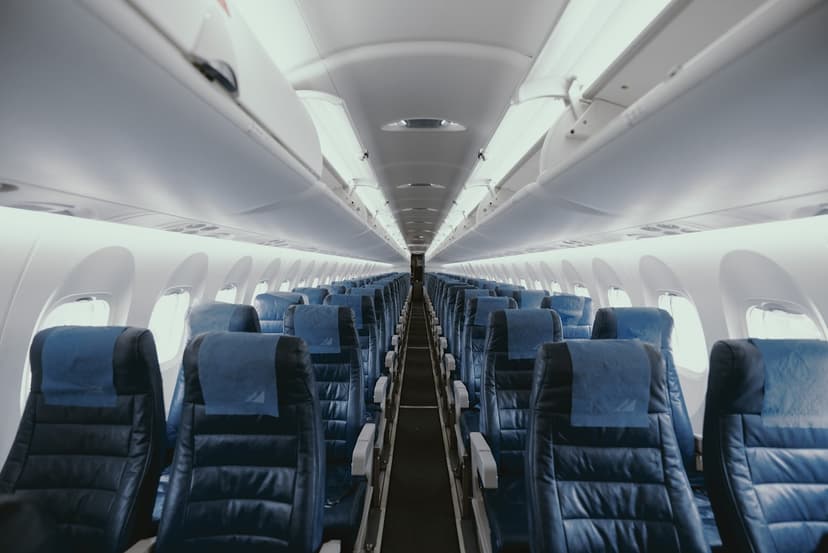
How A320 and 737-800 additions reshape South African

Fleet Changes: What's Happening and Why It Matters
Global Aviation is adding a 16-year-old Airbus A320 to LIFT's fleet, while FlySafair has acquired a Boeing 737-800 formerly operated by China Airlines. These changes will probably affect flight capacity, turnaround times, and ground transportation needs.
What It All Means
These moves highlight contrasting strategies: Global Aviation is opting for a pre-owned aircraft to cut costs, while FlySafair is incorporating a dependable 737-800 to enhance service frequency. Both decisions will increase the number of available seats, which could put pressure on gate availability and ground services at busy airports like O.R. Tambo and Cape Town International.
Operational Impact
The addition of an A320 and another 737-800 has several implications. The increased seating capacity might lead airlines to increase flight frequency or deploy larger aircraft on popular routes. However, this also necessitates careful management of flight slots and could result in extended taxi and turnaround times. Ground crews will need to prepare for additional flights, particularly during peak holiday periods.
Side-by-Side Comparison
| Operator | Aircraft | Strategy | Key Benefit |
|---|---|---|---|
| Global Aviation / LIFT | Airbus A320 (16 years) | Cost-conscious, second-hand acquisition | Lower initial cost; flexible deployment on regional routes |
| FlySafair | Boeing 737-800 (ex-China Airlines) | Fleet reinforcement with reliable type | Consistency, fuel efficiency, higher frequency |
Impact on Airports and Schedules
With more planes in operation, expect busier schedules and potentially tighter connection times. Airlines will need to optimize flight timings to minimize disruptions. Airports may also need to re-evaluate the allocation of space, gates, and baggage handling facilities to maintain efficiency.
Ground Transportation Considerations
As flight capacity expands, so does the need for ground transportation. Increased flight frequency and larger aircraft can lead to passenger surges at taxi ranks and shuttle pick-up points, as well as increased demand for private car services. If you require a ride at a specific time, it's best to book in advance. This way, you'll have all the details about your ride sorted out beforehand.
- More passengers during peak hours mean a greater need for taxis and ride-share vehicles.
- Shifting peak times due to new flight schedules require transportation providers to adjust their operations.
- Pre-booked car services can streamline your airport transfers and lower the risk of missing your flight.
Travel Tips
To avoid any last-minute anxiety, pre-book your airport transportation, especially if you're arriving on a new or late-night flight. Confirm the driver's credentials, vehicle details, and fare when you book. Having this information at hand can save you a lot of trouble.
Cost Factors and Industry Trends
Using older aircraft, like the A320, allows airlines to grow faster without huge capital expenditures. At the same time, adding or upgrading a fleet with 737-800 models helps maintain reliable schedules and predictable operating costs. For airlines still recovering financially, balancing cost management and performance is key to growth. Worth it.
In conclusion, the addition of an Airbus A320 to LIFT and the new Boeing 737-800 planes for FlySafair will increase the number of available seats and place new demands on airport operations. For travellers, this means more options, but also the need to plan transport and check prices in advance.
Practical tip: Before your next flight, compare the costs of taxis, shared shuttles, and pre-booked car options. Sometimes, a slightly higher upfront cost for a pre-arranged ride can save you time and worry in the long run.