How to Transfer to San José - A Practical Guide for Moving
Touchdown: Airport Transfers to San José
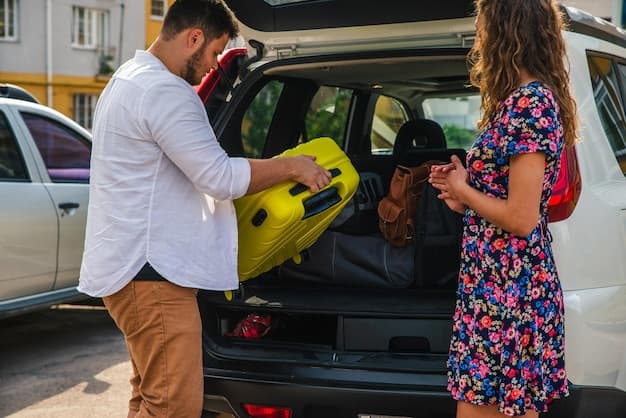
So here's the thing about landing in a new country: it can be a bit of a whirlwind. I always think pre-booking a private airport transfer from SJO to downtown San José is a smart move. You get to pick the ride that’s just right for you and enjoy a straight shot to where you're going, all at a fixed price. Imagine this: your driver is there waiting, holding a sign with your name, ready to wrestle your bags into the car. (That's the dream, right?) A service that keeps tabs on your flight in real-time and lets you cancel if plans change? That’s the kind of peace of mind you can't put a price on after a long flight.
Now, before you click "book," do a quick double-check of the important stuff. What kind of vehicle are we talking about (sedan, SUV, van)? How many people can it realistically handle? What’s the baggage allowance? And what are the cancellation rules? Don't forget to give them your flight number so they know if you're delayed. If you’ve got special requests, like needing a child seat, don’t be shy – ask! All this helps make sure everything goes off without a hitch, and you get where you need to be, right on schedule.
When you're comparing prices, keep your eye on the total cost. Don't get distracted by the "per person" price. Private transfers usually land somewhere around $25–60 to get you to the heart of San José. Shared shuttles? Think $12–25 per person. Taxis might be $20–35, but that can change quickly depending on the traffic. And don’t forget to factor in tolls, airport fees, and potential waiting time. Honestly, getting a guaranteed price is worth it – no nasty surprises, and you can actually find the best deal for your travel budget.
Heads up: If you're rolling with a ton of gear, double-check those weight limits and luggage space. Some companies offer child seats, and some even make room for skis or golf clubs. Travel a lot? Consider looking into corporate or loyalty programs – they can save you some real cash over time.
San José Timeline: Packing, Shipping, and Arrival Lowdown

Two weeks before you move, dive into packing. Create a simple inventory of what you’re packing and label each box with a number (think box 101, box 102). Keep a basic list of what each box contains, and keep a copy with your booking details. And, I can't stress this enough: arrange for a driver to pick up your boxes within a specific time frame. Pack essentials separately, and cushion those fragile items like they're made of glass. Pack a separate bag with the stuff you'll need on the trip – passports, meds, chargers, a change of clothes. Pro tip: Put the things you use most often in a tote bag that you carry with you on the day of your departure. Trust me, it'll make your life a lot easier!
Packing Timeline and Things to Do Before You Leave
Two weeks out, finish packing and slap those labels on the boxes so they're super visible. This way, you can actually find stuff later. Between days 10 and 14, lock in your booking with the moving company and drivers, and double-check that pickup window. Jot down a short list of stuff you'll need during the trip and mark special items so they don't get mixed up when loading the truck. If you're shipping stuff from, say, Lauderdale or Dubai, check shipping times and nail down the option that fits your schedule best. Talk to your agent and finalize the route. And if a box looks damaged, snap a photo and note it before you seal it up.
As departure day gets closer, double-check those labels and keep a checklist of the super-important items (documents, chargers, that lucky pen). Here’s a tip I learned the hard way: pack a separate bag with the things you’ll need during your first few days in San José – basic kitchen stuff, a few dishes, cleaning supplies. That way, you can start settling in right away. If something needs extra-special handling, make a clear note so the drivers know what's up when they're loading. It just makes the whole thing less chaotic.
Shipping, Arrival Dates, and Getting Settled
Your shipment should leave its origin within 5 to 14 days after you book, depending on the route and the carrier. International shipments to the Alajuela area usually clear customs in 2 to 6 business days after arrival. Just keep in mind that delays can happen if there's paperwork to fix. Once your shipment lands in Costa Rica, it'll head to a local warehouse near the city. Then, the agent will give you a delivery window. When you're near the airport or your final spot, plan to meet the driver to check the shipment and confirm the handover. Have a dedicated spot ready for the first stuff to be unloaded – it makes things faster and easier. You might even want to arrange for a few hours of unpacking help to get the essential rooms, like the bedroom and kitchen, set up first.
Once everything is off the truck, give each box a quick inspection, especially if they've traveled a long way. Spot anything wrong? Write it down and get in touch with the logistics team ASAP. After unloading, focus on setting up the areas you'll use every day – bed, a small dining area, bathroom – to keep things functional while you unpack the rest. This helps you settle in and prevents clutter from taking over. Bottom line: Confirm the next steps with the drivers and the moving team so everything stays smooth during your first week in the city.
San José Housing: Neighborhoods, Leases, and Move-in Pointers
Look, finding the right neighborhood is key. If you want a good mix of walkability, safety, and public transport, zoom in on Amón, San Pedro, and Barrio Escalante. The apartments are generally big enough for families, and you’re close to shops, schools, and healthcare. My advice? Use a local agent to arrange viewings and make sure those listings are legit with reliable landlords.
Word on the street is that Amón has cool historic houses and a killer café scene, San Pedro has a more university vibe, and Barrio Escalante is all about the restaurants. Escazú and Santa Ana? Newer high-rises and bigger apartments with parking and gyms – great for young families. The public transport in these areas is pretty solid, so getting downtown is quick, and you won't spend your life stuck in traffic. You can often find language support in property offices, and I've heard some managers even offer leases in multiple languages to help out non-Spanish speakers.
Most leases are fixed-term, usually 6–12 months. Some listings offer shorter terms (3–6 months), but month-to-month options are rare. Apartments near universities? Often furnished. Unfurnished units are better for longer stays. The security deposit is usually one or two months' rent, and you won't be charged for normal wear and tear. Utilities might be included or billed separately, so ask about internet speeds and if there are any limits on energy use, especially if you’ve got kids or a big home setup.
When you move in, do a proper check: go through every room, test the water pressure, make sure the appliances work, and check the hot water. Take photos of the condition of the property and keep a copy of your signed lease. If you can, get references from previous landlords, and make sure the lease specifies how long repairs will take. And during lease negotiations, think about asking for slightly lower rent in exchange for a longer lease or paying upfront. Also, know the pet policies if you have a furry friend.
For families planning to stay a while, look for buildings with elevators, secure entry, nearby parks, and pediatric clinics in either public or private networks. Look for signs in different languages and make sure the building's amenities meet your needs – like good public transport, safe stairwells, and proximity to grocery stores and schools. Moving with little ones? Ask for cribs, kid-friendly furniture, and designated quiet hours to make the whole transition easier.
To see properties without wasting time, use booking platforms to schedule viewings and ask about local happenings, like markets or weekend events. A local contact can help with a transfer service and airport pickups. That helps make your first week smoother. Getting a sense of community means meeting your neighbors and exploring local spots. And reliable shuttle options and transit routes that connect you to work, school, and social events? They’re game-changers.
Documents and Visas: Pre-Move Checklist
Sort out your passport and visa *before* you book your move. Trust me on this one. And keep digital and physical copies handy.
Start looking into visa options early and put together a solid application – it'll make your entry way easier. Getting all the necessary approvals from the powers that be, plus any translations or legal certifications you need, will smooth the path. If you're connecting through Lauderdale or other hubs, double-check the transit requirements and have all the right documents for each leg of the trip. For airport transfers, check online booking platforms for quotes. Having a clear plan? It’ll save you headaches at immigration and make pickups and luggage handling straightforward.
-
Pick your visa and gather documents
- Figure out which visa you'll need for San José based on how long you're staying (tourist, work, study, or residency). Check the official consulate or immigration websites to confirm exactly what documents you'll need and how long it will take.
- Get your birth and marriage certificates if you need them. Make sure they're translated and legalized if necessary.
- Get proof of your financial resources, your onward or return travel plans, and a local address for those first few weeks.
-
Passport, copies, and timing
- Make sure your passport is valid for at least six months *after* you plan to arrive. Bring the original, plus two sets of copies, and keep a digital backup online where you can reach it.
- Keep your travel documents in a separate carry-on bag and a second secure bag for easy access after you arrive.
-
Translations and legalization
- If your documents aren't in Spanish, have them translated by a certified translator. Get an apostille or other legal certification if the authorities need it.
- Get stamped copies from the agency that issued the documents, and make sure the translations match the originals to avoid delays. Accuracy really cuts down on having to fix things later.
-
Financial and fee planning
- List the visa application fees and budget for translation, legal certification, and courier costs. Keep in mind that cancellation policies might apply if your plans change.
- Keep all your receipts and track every payment. This will make it easier to get refunds or adjustments down the line.
-
Housing and local setup
- When you're booking an apartment, compare prices, locations, and lease terms. Check the deposit and renewal options, and read the cancellation policies before you sign anything.
- Get documents from landlord references, employment letters, and any credit checks that the landlord or property manager needs.
-
Moving logistics
-
Arrange for a reliable mover to pick up your stuff. Confirm the schedule, insurance coverage, and how they'll handle any large items to avoid delays on moving day.
Clearly label your luggage and crates and create an inventory for customs to make inspection and release easier when you arrive.
Arrival and local requirements
Honestly the night buses aren't great, so I'd suggest arriving during the day if you can.
- When you land in San José, show your passport, visa approval, and entry form at immigration. You might need to give an address in the city and proof of health insurance if you're considering temporary residency.
- Register with the local government if required, and keep the contact information for your agent or service provider handy in case you need help. Friendly support can really ease the process.
Arrival services and support
- Arrange airport transfers in advance; review options on airporttransfercom and choose a service that offers flight tracking and a friendly driver (caballeros staff can assist with luggage handling and directions).
- When planning, consider a short stay in alojamiento or reserve alternative accommodations if your long-term rent (appartamenti) is not ready yet–the extra time reduces risk of delays and provides peace of mind.
- Ask your agent about additional services (will, additional, and flexible terms) that can simplify the move, such as furniture assembly, utility setup, and mail forwarding.
Moving Your Belongings: Customs, Insurance, and Packaging Guidelines
Get transit insurance that will cover loss, theft, and damage during customs clearance and transport. Compare pricing across providers and choose an affidabile plan with clear claims handling, so you know what to expect if a claim arises. Those experiences with caballeros and airporttransfercom can guide you toward selecting a partner you can trust; youre planning a move, so desiderate realizzare a smooth transition. Providing clear support numbers reduces stress for nostre travel plans and keeps bambini safer during the trip. With 15+ years of experience in handling international moves, you can rely on professionals.
Customs and documentation: prepare a detailed inventory in English and Spanish, list item values, and note any restricted items. The politica of your carrier should specify allowed items; base politica should align with your destination country’s rules. Dont rely on memory–ask for a written policy and keep copies with you. If you travel with bambini, include a child-friendly inventory and mark items accordingly.
Packaging guidelines: use double-walled boxes, strong packing tape, and anti-shock padding; wrap fragile items (glassware, ceramics, electronics) in bubble wrap and place them in the center of the box to reduce shifting. Fill empty spaces with packing paper or air pillows. Label each box with contents and destination room; keep a separate box for essentials you’ll need on arrival. This is a necessari step to protect your belongings on the road and at the airport. Providing checklists helps you stay organized.
Coordination tips for allarrivo and travel: confirm pickup and drop-off times with your mover, reserve loading slots, and provide the driver your contact details. Ask for a written politica outlining coverage, limits, and exclusions; confirm whether the policy includes international transfers to San José. Keep contact numbers of the base office and the local juan office if you have questions; dont hesitate to reach out with any customs concerns. If desiderate more specifics for travel from dubai or other ports, ask your base team and outline your tour details.
| Category | Action | Notes |
|---|---|---|
| Fragile items | Use double-walled box, wrap in bubble wrap | Mark as fragile; ship in inner cartons if possible |
| Electronics | Document serial numbers, keep original adapters | Check voltage compatibility for destination |
| Valuables | Keep with you or insure separately | Review limits in policy |
| Documents | Copy passport, inventory, insurance policy | Carry copies in carry-on if allowed |
Airport Arrival and City Transfer: From Juan Santamaría to Downtown San José
Reserve a transfers service in advance to guarantee a smooth start from juan Santamaría to Downtown San José. A driver meets passengers in the arrivals area, holding a sign with the name on file; conferma of pickup time, vehicle type, and luggage details appears on your ticket, and the guida team is ready to assist if your flight is delayed. This approach reduces waiting and elevates satisfaction.
Choose from options that fit your party: a convenient sedan for individuals, a larger SUV for families, or a large van for groups with oversized luggage. All transfers can be booked conveniently online, and drivers navigate into the city efficiently to reach downtown on time, with facile booking and clear details about route and rate to enhance confidence.
On arrival, follow aeroportuali signs to the binario area near vicinanze of the terminal exit for the pickup. The fissi meeting point keeps everyone aligned, and the driver can adapt to flight changes to ensure a smooth transfer. If you need special accommodations, share the details in advance so the vehicle can reserve the right setup.
Durata of the ride is typically 25–40 minutes, depending on traffic into the country capital. The politica is transparent, and the driver presents a clear ticket (ticket) before departure, confirming the route and any extras. This process minimizes surprises and increases satisfaction for juan, dominican, and international passengers alike.
How to reserve: use the online form or call center, then receive a conferma by email and an electronic ticket. Include flight number, passengers, luggage details, and any accessibility needs to help the driver prepare. Dominican travelers frequently opt for this reliable transfers option to start their vacanza with ease and confidence.
Getting Around San José: Public Transit, Rideshares, and Driving Rules
Start with a rideshare from the airport to your hotel for a reliable, front-door pick-up that saves time and reduces hassle. Use the inglese interface to view prezzo estimates before you confirm, and choose the arrivals area to speed up the pickup. A typical fare from SJO to downtown San José ranges around CRC 9,000–14,000 depending on traffico, making it a practical option for vacanza or late arrivals.
Public transit in the city centers your day around the center, with buses that cover principal puntos and neighborhoods. Buses run frequently in daytime, with departures posted at each stop, and lines categorized by numbers in many areas. Carry small bills or coins for fare, and plan longer trips by checking the line types and routes in advance. If you plan several rides in a day, a daily pass can enhance your efficiency between key zonas, saving time during busy hours.
Rideshares offer predictable pick-ups and transparent pricing. In addition to Uber, several local options operate in San José, so compare prices in-app and pick the option that suits your needs. For airport pick-ups, add your flight details and select a straightforward pickup point near the arrivals front; during busy periods you may see slightly different prices, so verify the fare before confirming your ride. If you share your itinerary with the driver, the journey stays smooth durante your viaggio.
Driving rules keep traffic smooth and safe. Drive on the right, wear a seat belt, and keep hands free from the phone unless using hands-free navigation. Expect speed limits around 40–60 km/h in urban streets and stricter enforcement near school zones. Use GPS for real-time updates and plan parking in designated zonas; note that some areas impose restrictions at certain hours, so read the signs carefully to avoid fines. Tolls (peajes) apply on major routes, and accepting policy guidance from local police or tránsito officers helps you stay compliant with the politica in force.
When you need to traverse longer distances, lanes and binario cues guide intercity movements, but most travelers rely on buses or rideshares to keep the jaunt simple. Between neighborhoods, plan to depart in daylight for longer blocks (lunghe segments) and to avoid late-night gaps in service. For those staying in the centro or near it, walking short distances to a local bus stop or a reliable pick-up point from your center hotel can save time and reduce stress. This ensures your viagem unfolds without delays, regardless of your anni of travel experience.
Contact Details and Local Resources: Important Agencies, Numbers, and Online Guides
Dial 911 for emergencies; for transfers, contact the airport information desk to conferma arrival details, arrange a shuttle, and reach pickup points (posto) quickly. The airport team can assist with luggage questions, including oversized items, and help you choose a private or shared veicolo, which is molto convenient for families.
Key Agencies
Airport and transport authorities: The Juan Santamaría International Airport information desk provides real-time guidance on transfers, baggage rules, and curbside pickup. Check the official site for hours, contact mail options, and quick assistance. For national tourism info, the Instituto Costarricense de Turismo (ICT) publishes online guides with maps, driving tips, and travel advice at turismo.go.cr.
Emergency and safety contacts: Emergency line 911 is always active. Non-emergency numbers and transit helplines appear on city pages and airport portals. If you plan to arrive by treno or bus, use the official guides to verify schedules and avoid long delays (lunghe).
Rental and vehicle services: For anyone renting a veicolo (car) or using a shuttle, the guides explain cancellazione terms and how to prenotando with minimum risk. They also outline also convenient pickup locations and how to raggiungere the hotel or office from the terminal.
Online Guides and Booking Tools
Online guides tell you about mode options–private cars, shuttle services, or taxi–and show hour windows and luggage handling rules. They emphasize convenience (convenience) and the advantages of booking directly through official portals. Expect pochi clicks to compare fares, read reviews, and confirm (conferma) details before prenotando.
When vacation planning (vacanza) or a business trip, use maps and transport sites to locate veicoli, routes, and arrival times. The guides also provide mail contact forms and customer-friendly support to help you reach (raggiungere) your destination without stress and with advantages like transparent cancellation (cancellazione) policies and clear hour windows. Some pages embed code fragments with atob-like examples–note these are for developers and do not affect transfer planning.