Hamad International Airport Guide - Terminals, Airlines
Arrive at Hamad International Airport at least 3 hours before your flight. This allows time for check-in and security, and the information desks can assist with transfers between zones. Staying at a nearby hotel? A pre‑flight transfer will definitely reduce stress for late-night departures. Follow the signs and posted times to get around the terminal, and consider Qatar facilities for a quicker start to your trip.
Inside Hamad, the terminal combines landside and airside areas with clear signage. Look at the art installations and the souq-style shops for items from regional makers. The help desks near security can assist with transfers or boarding, and you can ask for an upgrade for a calmer wait before your next flight. If you have a plan, this layout makes transfers easy.
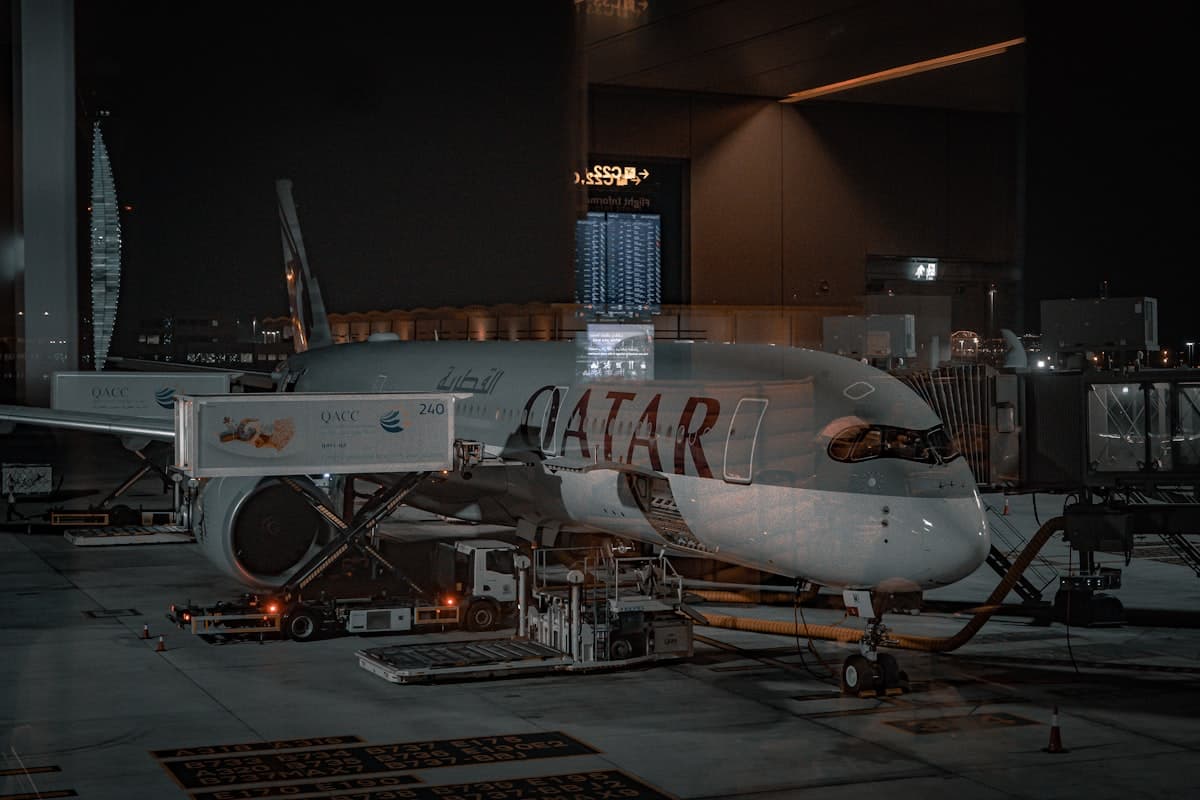
Qatar Airways is the hub, with connections to destinations worldwide. Other carriers such as Emirates, Turkish Airlines, Lufthansa, and Air France also fly from Hamad. Use the self-service kiosks near the main entrance for check-in. Staffed counters can assist with transfers if needed. For itineraries, check the timetable before your connections to match your times.
Shop at the souq-inspired zones to find art and practical items. If you have a long time between flights, go to lounges or quiet zones to relax. For transfers to your hotel or to explore beyond the airport, rental desks and transfer teams can arrange options close to the terminal. This highlights Doha’s hospitality and helps you enjoy a new perspective on travel, whether you’re planning a stay of months or a quick overnight stop.
Terminal Overview: Airlines, Gates, and Transfer Points
Check your airline and terminal on the DOH map. Check the gate on the screens, and if you need help, use the information desks–they can guide you to the fastest transfer points and shopping and restaurants.
Terminal A focuses on international carriers, with gates A1 through A40 connected to a central transfer area. Take the A-to-B skytrain or the underground transfer walk to Concourse B, then continue toward Concourse C if you have a longer layover. There are many restaurants, a large shopping area, and several rooms for rest, making it easy for families to stretch their legs between flights. From Doha to countries across the globe, this hub is the main entry point for long-haul journeys, with partner airlines that have you covered without paying extra for essentials at the transfer point–only for extras you choose.
Terminal B hosts regional and value-focused partner airlines, with gates B1 through B28 arranged along a concourse. A transfer point links B to Terminal C via a shuttle and walkways, helping you reach your next gate quickly. The space is comfortable for all travelers, including families. You’ll pass shopping outlets and kid-friendly areas, plus lounges and quiet rooms. If you need to switch planes quickly, you can reach connections toward the world’s major markets, supported by staff who offer help and clear signage.
Terminal C is family-friendly, with mid-range carriers and premium options, featuring gates C1 through C26. A transfer corridor connects to Terminal D, allowing walking if you’re changing between sections; this route helps reduce fatigue on longer layovers. The garden-inspired seating zones and comfortable seating areas invite you to pause, while a selection of shops and restaurants means you can shop and eat without leaving the airside area. Families with children will appreciate the play zones, and the rooms and quiet corners offer rest between flights.
Terminal D focuses on premium experiences and business services, hosting international and regional partners across gates D1 through D18. This terminal is a major transfer point for long connections, with routes to Concourse A and Concourse B via the central area and transport links. Expect lounges, check-in areas for last-minute changes, and dining options for a quick bite or a meal. Staff can help you get around, and the layout supports easy navigation for families and solo travelers. If you’re arriving from or departing to Oman or other countries, you’ll appreciate the transfers, signs, and opportunities to collect souvenirs or prepare for the next stage of your trip, with access to rest areas and business centers.
Transit and Terminal Transfers: Shuttles, Walking Routes, and Wayfinding
Book transfers between terminals before you land to avoid delays. The system is reliable, and the staff can help you choose the best way to go.
Shuttles run between key areas with seats available across terminals, and the service is good for tight connections. Staff can assist with luggage and boarding details. Typical travel time between major zones is short, around 5–10 minutes, with signals highlighting icons on floor panels.
Walking is an option if transfer times allow. Follow the central area from check-in to the boarding gates, and allow 10–15 minutes for most connections. You pass through garden-like concourses and well-lit areas, making the route pleasant even in peak hours. Pack light items to keep a smooth pace and be aware of your boarding time.
Wayfinding is simple: signs in English and Arabic, color-coded paths, and maps at information desks help you stay on course. Check the airport app for new routes and estimated times. Kiosks near hotel zones provide real-time updates, including transfers availability and boarding information, so you can plan a quick transfer or a longer stroll to enjoy the services before reaching your destination.
Facilities: Lounges, Dining, Wi‑Fi, Shops, Prayer Rooms, and Rest Areas
Ask for lounge access through your airline app or at the desk for a resting spot. Around the transit areas you’ll find lounges, quiet corners, and work zones with seating, outlets, and coffee. Hours vary, from early morning to late night.
For luggage, use secure storage options in designated places; confirm access at the information desk. Transfers between concourses are easy via walking routes and shuttle services.
Lounges and Quiet Rest Areas

The selection includes premium lounges near the international gates, family-friendly zones, and quiet rooms for work. Expect comfort with seating, lighting, and power. If you need privacy, ask for a shower suite or quiet room; some lounges incorporate garden-inspired spaces to help you relax before your next flight.
Dining, Wi‑Fi, Shops, and Practical Tips
The dining options range from cafés to restaurants offering international and regional flavors. Shops in every area sell items, from duty-free goods to electronics and local crafts. Wi‑Fi covers the terminal with a simple login; for higher speeds, ask about bandwidth options via the app. Ask for guidance at the information desks for schedules, transfers, and pickup points. If you have time for a tour, you can arrange one from the desk. Garden corners and rest areas offer calm pauses before your next flight. Airport guidance highlights the best places to rest, eat, and shop.
Check‑In, Security, Immigration, and Boarding: Steps for Passengers
Check in online 24 hours before your flight to secure booking and seats. Download your boarding pass and start your journey.
At the check‑in area, use the online option or self‑service kiosks to drop bags if needed, then go to security with your boarding pass and passport. If you have lots of bags, this saves time. If you encounter a problem, staff can usually resolve it.
Security is fastest when you follow the rules: arrive early, place liquids (≤100 ml) in a transparent bag, remove belts and bulky items, and keep laptops and tablets accessible. If you qualify for priority lanes, use them to save time. Otherwise stick to the standard lanes and proceed to immigration.
Immigration for international flights uses dedicated lines when available; present your passport, visa if required, and reservation details. Ensure names on documents match the booking and have your flight number handy. After officers stamp or approve entry, follow signs to the arrivals or transfers area, consulting our page for up‑to-date schedules.
Boarding begins once the crew closes the door. Watch the displays for your gate and zone, then queue by your assigned group. Have your boarding pass and passport ready when you reach the gate, and listen for announcements. If you have lounge access, you can wait there until your call. For a smoother departure, keep devices on flight mode and ready to reconnect once you are on the plane.
Tip: If you are connecting to an onward flight, double-check the terminal information as soon as you deplane. I once nearly missed a flight because I assumed my connection would be in the same terminal!
For quienes llegan to Hamad and have a transfers or booking to manage, our nuestros representatives guide you through la ruta más eficiente, including opciones de tur o tour departures right from the terminal. Explore la gama de servicios disponibles en la zona de arte and the ciudad vibe outside, with quick access to llegadas boards and the portal of flight information. If you need a privado meeting point or a club lounge, our staff can arrange transfers to your hotel or next flight, ensuring a smooth experiencia from start to finish. Hasta la próxima aventura, tus opciones de precios y servicios están disponibles en nuestra pagina y booking para viajeros que buscan una experiencia fluida en este hub internacional.
Evolution Timeline: Milestones and Future Developments at Hamad

Plan your trip by checking the official Hamad timeline to align pasajeros, días, and necesidades with anticipated tráfego, then use walking routes, priority transit lanes, and privadas lounges to smooth your stay at aeropuertos.
Milestones
- 2014 – Hamad International Airport opens as the international hub for Qatar, delighting passengers with efficient check-in, spacious design, and mejoras in wayfinding for pasajeros and tours alike.
- Mid‑decade – Concourse and concession upgrades expand capacity; walking connections link gates, improving transit flow and reducing tráfico across the terminal complex.
- Early 2020s – Baggage handling, signage, and customer-service enhancements raise reliability for passenger transfers; more beverage and dining options serve throughput and estancia comfort.
- Recent years – Private lounges and VIP services expand for privados, with multilingual ayuda and simplified billetes processes to support international compras and connections.
Future Developments
- Phase 2 expansion will add gates and improved conectividad entre terminals, delivering mejores experiences for pasajeros, transit, and visiting tours; expect más opciones for billetes and opción de estancias longer than días de layover.
- New concourses and renewed curbside and pickup zones will optimize tráfico, with dedicated taxi and private transport lanes near aeropuertos entrances to shorten transfer times entre terminals.
- Smart-service upgrades include self‑check‑in, baggage drop, beverage kiosks, and multilingual ayuda; signage and digital guidance will support pasajeros with necesidades especiales and queuing priorities.
- Enhanced surrounding amenities around Doha (alrededores) plus expanded services for qatar visitors will raise the overall experience for international travelers, offering medio‑term stays and tours‑friendly options to enjoy the city.