
Chauffeur Services in the US - Luxury Private Car for Airports and Business Travel

Choose a vetted, discreet chauffeur service for airports and business travel to guarantee you arrive on time. An elegant private car experience that takes care of parking, tolls, and luggage handling keeps your schedule intact and lets you start meetings refreshed.
Look for a provider that specializes in corporate travel, offers reliable lincoln sedans or SUVs, and is clear about location and pricing so you know what to expect at your destination.
Such a service is vetted, with drivers background-checked and trained to handle sensitive information with mind and discretion. Next, you can arrive relaxed whether your trips take you to angeles or houston.
Wherever you go, the team should converge on your timeline: curbside meet-and-greet, discreet luggage handling, and real-time updates, so you can get back to work quickly.
Limited availability during peak seasons makes advance booking essential. If you value options, confirm a backup vehicle like lincoln or another trusted model.
finding the right provider comes down to reviews, transparent pricing, and a clear process for learning your preferences. Compare three options, take a test ride, and learn what works best for your schedule.
Fleet Overview: Sedans, SUVs, and Stretch Limos for All Airports
For airport transfers, pick a sedan for speed and quiet comfort; for groups, an SUV handles luggage and space; for weddings or VIP evenings, a stretch limo delivers wide seating and a unique, refined interior. Our fleet is committed to nationwide coverage, safe vehicles, and unparalleled reliability that travelers and corporate clients rely on. Transparent pricing lists taxes and fees up front, so you can plan with confidence and know what to expect on dates and pickup times.
Sedans blend design with practicality: seating for up to three passengers and room for two large suitcases, with a smooth ride in any urban or suburban airport corridor. Rates are itemized with taxes and fees, and you can lock in dates and pickup times online, avoiding last‑minute surprises. This option makes a strong impression on executives and solo travelers alike, always delivering on comfort and efficiency.
SUVs seat six to seven passengers and offer generous cargo space for luggage and gear, ideal for Atlantic coast routes and nationwide connections. Interiors feature premium leather, multiple climate zones, and advanced safety tech to keep every trip safe and comfortable. SUV options balance versatility and value, with reliable pickup in minutes and a steady schedule that teams or families can rely on.
Stretch limos accommodate eight to twelve passengers with a long wheelbase, plush seating, and premium amenities that elevate events. They’re an excellent fit for weddings, corporate galas, or VIP evenings, delivering a wide, elegant space and a quiet ride. The design emphasizes discreet service, mood lighting, and smooth transitions from curb to venue, pleasing both organizers and guests.
Nationwide availability ensures you can book from coast to coast, with strong coverage at major airports along the Atlantic hub and beyond. Our drivers are trained for curbside pickup, secure handoffs, and on‑time arrivals, echoing a dependable service that keeps flights and meetings on schedule. When plans change, our next‑hour response keeps operations flexible and transparent for tourists and business travelers alike.
To choose the right fleet and dates, compare options by passenger count and luggage needs, then review the final quote for taxes and fees. Always select a vehicle that fits your group, and if you expect tourists or a wedding party, a stretch limo often proves the best fit. With these checks, you stay pleased and on track for evening arrivals and late departures alike.
Airport Transfer Protocols: Meet-and-Greet, Flight Tracking, and Timely Pickup
Meet-and-Greet Experience
Book a meet-and-greet with a driver inside arrivals; the driver holds a clearly visible sign with your name or company, ensuring a warm welcome. This provides a smooth, exclusive handoff between the terminal and vehicle, minimizing confusion during busy hours in major cities such as Brooklyn and other US airports. The driver guides you to the ground transfers vehicle, whether you prefer a sedan or limousines, and confirms your preferences before leaving the curb. With bookings, you lock in a total price that includes taxes and tips, delivering a reliable start to your occasion or business trip.
Share flight details at booking, including airline, flight number, and arrival time. Our team specializes in monitoring arrivals and providing real-time updates, ensuring pickups align with your actual arrival. The sign-and-greet approach offers kind, attentive service and charm for executives, VIPs, and private travelers, and scales from sedans to limousines for high-profile events.
Flight Tracking and Timely Pickup
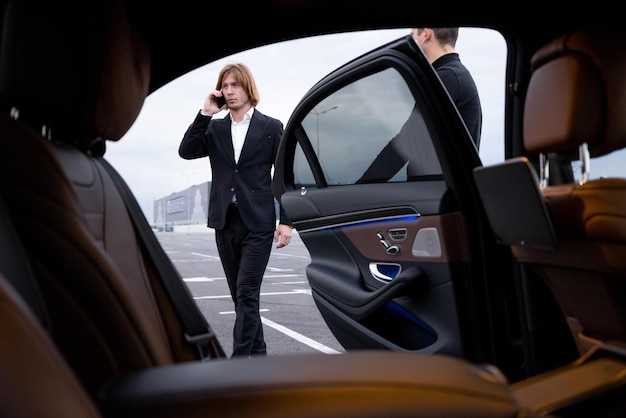
Rely on real-time flight tracking to anticipate gate changes or delays. Our system updates the chauffeur's plan as soon as a schedule shifts, keeping them close to the moment you land. If the flight is early, the driver is ready to deliver prompt support; if late, the pickup is revised to maintain a smooth handoff on the ground. In Brooklyn and other cities, this approach reduces hold times for pickups, providing a predictable experience. Our options include hourly charges for on-demand transfers and fixed-schedule rates, with charge and transparent info on taxes and extra stops.
During curb-to-curb transfers, the driver confirms the pickup location, such as arrivals hall or baggage claim, and ensures a seamless transition to a comfortable sedan or exclusive limousine. The driver coordinates between terminals, monitors baggage delays, and adapts. This detail-driven approach emphasizes excellence and showcases the charm of our service, with knowledge of airport layouts and city routes. Bookings flex from hourly options to fixed-price packages, with total transparency on taxes and any extra stops.
We also handle home pickups on request, coordinating home-to-airport transfers with the same standards.
Personal Drivers: Training, Discretion, and Professional Standards
Require accredited training, a clean background check, and a signed discretion policy before you book–this is non-negotiable for corporate travel.
Training and discretion
Initial training spans 40–60 hours, covering defensive driving, city navigation, VIP etiquette, and privacy handling. Drivers complete quarterly refreshers (6–12 hours) and carry a verifiable certificate. A clearly documented discretion policy protects your plans and personal data. In practice, this knowledge translates to actual behavior: calm conversations, minimal disruption, and a smooth ride that maintains your moment. A driver who excels in this area makes the ride not only safer but more comfortable.
Professional standards and fleet experience
Look for experienced drivers who specialize in business travel and operate under a consistent standard nationwide. Expect timely arrivals, courteous conduct, proactive route planning, and seamless meet-and-greet options. The fleet should include a wide range of vehicles–from sedans to SUVs to a limo–to match your schedule and group size. Vehicles must be clean, spacious, and well maintained; if you need a limo, confirm seating, luggage space, and amenities align with your timeline. The right provider offers a transparent quote, with the total price presented up front and no surprises below the base rate. They should cater to your needs, whether youre coordinating a long flight or a back-to-back set of meetings in york, milwaukee, or any other city nationwide; the experience should feel consistent, not disjointed, across cities alike.
- Credentials and privacy: licensed chauffeurs, insured vehicles, background checks, and privacy practices that are clearly documented.
- Vehicle and comforts: spacious interiors, climate control, clean surfaces, and amenities that support productive work during the ride.
- Timeliness and reliability: trained to handle traffic, events, and detours; ETA updates are accurate and proactive.
- Pricing clarity: priced transparently with a full breakdown in the quote; total cost includes taxes, fees, and surcharges; avoid hidden charges or surprises below the base rate.
- Support and feedback: strong rating system, easy rebooking, and nationwide support that ensures consistent service, across milwaukee, york, and beyond, for clients alike.
- Booking interface: one-button booking in the app, clear confirmation, and direct access to support if changes are needed.
Corporate Travel Management: Billing, Invoicing, and Account Setup
Start with a centralized corporate travel account that consolidates all rides into one monthly invoice and assign a dedicated account manager. Design a clear billing cycle and ensure each line item is maintained with date, service type, and destination.
Set your billing options: per-trip, hourly for on-demand transfers, or bundled rates for groups; rely on a single net-30 term and ensure invoices are sent on a fixed schedule, available in PDF and CSV formats. Admins can send invoices on demand for urgent reviews, and you can also schedule weekly exports. Include a policy for wait times and meet-and-greet charges at hubs like dulles, so executives are never kept waiting; ensure drivers can meet travelers at the curb, identified by name.
Account setup should start by building traveler profiles based on department or project; capture preferred vehicle type, pick-up windows, and destination notes. Learn from spend data to improve allocations. Store knowledge on policy limits, create groups for easy reporting, and grant role-based access to billing data. Provide targeted assistance to approvers and travel coordinators so they can act quickly.
Maintain weekends coverage and start-time flexibility, with door-to-door service and quick support. Use a benz sedan for executive arrivals or a motor-coach for larger groups; specify a comfortable, safe ride and ensure vehicles are maintained. Set up on-site pick-up coordination with the driver and confirm details with the traveler or meeting host to avoid delays at the destination.
Booking, Cancellations, and Real-Time Flight Delay Updates
Book directly via our secure app to lock in the best rate and a reliable ride. Our experienced team maintains a wide network of drivers, including antonio, ready to serve you at home, hotel, or office. You’ll get confirmation by text within moments, and you can reach a driver with a single tap. We design each ride to minimize stops, avoid unnecessary midway stops, keep your time on track, and deliver a memorable, affordable experience from historic downtowns and city centers to anaheim and back. For transfers between terminals or during night travels, our sprinter-style vehicles and sedans ensure safety and comfort. If your plans shift, you can adjust pickup time with a few taps and see the updated ETA in real time. The name of your driver appears in the app, so you know who to expect. Choose a pickup, and you are ready to ride. This service is worth your time for business travel.
Booking essentials
Use the app to confirm a ride in seconds, with secure payment and a clear price. Add flight details to auto-adjust the schedule and avoid extra calls. The name of your driver appears in the app, so you know who to expect; example drivers like antonio show the care behind every trip. Our network reaches major airports across the country, including anaheim and historic downtowns, with options from a compact sedan to a sprinter van. You can book transfers or point-to-point rides, and you’ll reach your destination on time with a reliable, memorable service designed for business travel.
Cancellations and Real-Time Flight Delay Updates
Cancellation policy: cancel up to 2 hours before pickup for a full refund; cancellations inside 2 hours incur a modest fee or allow a reschedule if you provide delay details. We monitor your flight in real time through our network, so if your plane lands late or arrives early, we automatically adjust the pickup time and notify you by text. You’ll avoid missed pickups and delays in night or day service, whether you’re in anaheim or another city. Our driver will wait in the designated pickup area, ready to serve, and you can rely on timely updates to keep your plans on track.


