Nepal on a Budget: Your Ultimate Guide to Affordable Adventure
Nepal, the land of majestic Himalayas and vibrant culture, is a dream destination for many. But the thought of traveling there can sometimes be daunting, especially if you're on a budget. Fear not! Nepal is surprisingly affordable if you know how to navigate it. This guide provides essential tips for budget travel in Nepal, focusing on transport, accommodation, and invaluable local hacks to maximize your experience without emptying your wallet.
Embrace the Backpacking Spirit
The key to budget travel in Nepal is embracing the backpacking spirit. Forget luxury and prioritize experiences. Be open to basic accommodations, local transport, and eating where the locals eat. This mindset will dramatically reduce your expenses and immerse you in the authentic Nepali culture.
Getting Around Nepal on a Shoestring
Transportation costs can quickly add up. Luckily, Nepal offers several budget-friendly options.
Local Buses: The King of Budget Transport
Local buses are the cheapest way to traverse Nepal. They're often crowded and bumpy, but they offer an authentic glimpse into daily life.
* **Kathmandu to Pokhara:** Expect to pay around NPR 800-1200 (USD 6-9) for a local bus. The journey takes approximately 7-8 hours.
* **Kathmandu to Chitwan:** The fare is typically NPR 600-900 (USD 4.50-7), and the journey lasts about 5-6 hours.
**Tip:** Buy your tickets directly at the bus park or from a reputable travel agency to avoid inflated prices charged to tourists.
Shared Jeeps: A Slightly Faster Option
Shared jeeps offer a faster and slightly more comfortable alternative to local buses. They are particularly useful for reaching destinations with limited bus services or rough roads.
* Expect to pay approximately 1.5 - 2 times the bus fare for a shared jeep journey.
**Tip:** Bargain for the price, especially if you are travelling in a group.
When Convenience Matters: Taxis and Ride-Sharing
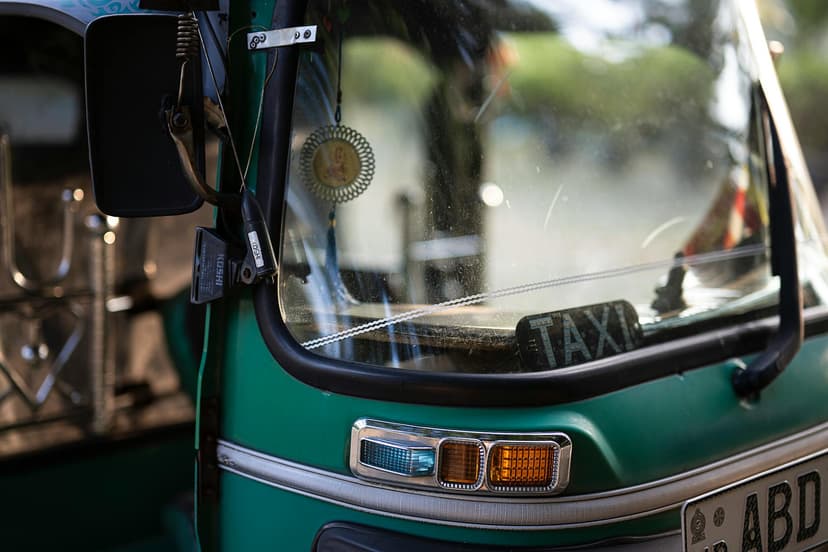
Taxis are readily available in major cities like Kathmandu and Pokhara. However, they are significantly more expensive than buses. Ride-sharing apps like Pathao and InDrive are also available and often offer better prices than traditional taxis.
**Tip:** Always negotiate the fare before getting into a taxi if it isn't metered. Ensure the taximeter is working correctly if the taxi is metered.
Sometimes, convenience is key, especially when you have luggage or need a reliable airport transfer. For pre-booked, private airport transfers, consider using **GetTransfer.com**. They often offer competitive rates for private journeys, especially if you book in advance and share with a group.
Flights: Saving Time, Costing More
Domestic flights can save significant time, particularly for long distances. For example, a flight from Kathmandu to Pokhara takes only 30 minutes compared to 7-8 hours by bus. However, flights are considerably more expensive, typically costing around USD 80-120.
Here's a comparison of transport options:
| Transport |
Kathmandu to Pokhara (Approx.) |
Pros |
Cons |
| Local Bus |
NPR 800-1200 (USD 6-9) / 7-8 hours |
Cheapest, Authentic experience |
Crowded, Bumpy, Slow |
| Shared Jeep |
NPR 1200-2400 (USD 9-18) / 5-6 hours |
Faster than bus |
More expensive than bus, can still be crowded |
| Taxi/Ride-Sharing |
NPR 5000-8000 (USD 38-60) / 5-6 hours |
Convenient, Flexible |
Most expensive |
| Flight |
USD 80-120 / 30 minutes |
Fastest |
Most expensive, weather dependent |
Budget-Friendly Accommodation: Where to Rest Your Head
Accommodation options in Nepal range from budget-friendly guesthouses to luxurious hotels. To keep costs down, opt for guesthouses or homestays.
Guesthouses and Homestays: Your Budget Sanctuary
Guesthouses, often run by local families, are readily available in tourist areas like Thamel (Kathmandu), Lakeside (Pokhara), and other trekking destinations. Expect to pay around NPR 500-1500 (USD 4-12) per night for a basic room. Homestays offer an even more immersive cultural experience, often including meals with the family.
**Tip:** Negotiate the price, especially during off-season. Always check the room before committing to ensure it meets your needs. Look for places with hot water and reliable Wi-Fi if these are important to you.
Hostels: Social and Affordable
Hostels are a great option if you're traveling solo and seeking to meet other travelers. Dorm rooms typically cost around NPR 400-800 (USD 3-6) per night.
**Tip:** Check online reviews before booking a hostel to ensure it's clean and has a good reputation.
Camping: For the Adventurous Soul
If you're trekking, consider camping to save money on accommodation. However, you will need to bring your own equipment or rent it in Kathmandu or Pokhara.
**Tip:** Ensure you have the necessary permits and are aware of any regulations regarding camping in specific areas.
Unlocking Local Hacks for Maximum Savings
Beyond transport and accommodation, several local hacks can help you save money and enhance your experience.
Eat Like a Local
Instead of dining at tourist-oriented restaurants, eat at local eateries (bhattis) where you'll find delicious and affordable meals. Dal Bhat (rice and lentil soup) is a staple dish that is both nutritious and budget-friendly, typically costing around NPR 200-400 (USD 1.50-3).
**Tip:** Be mindful of food hygiene and choose restaurants that appear clean and busy.
Drink Wisely
Bottled water can add up. Consider investing in a water filter or using purification tablets to save money and reduce plastic waste. Avoid imported alcohol, which is heavily taxed. Local beer (like Everest or Gorkha) and local spirits are more affordable.
**Tip:** Be careful when drinking local spirits, as the quality and alcohol content can vary.
Bargain with Respect
Bargaining is common in Nepal, especially in tourist areas. Don't be afraid to negotiate prices for souvenirs, transportation, and accommodation. However, always do so respectfully and with a smile.
**Tip:** Start by offering a lower price than you're willing to pay, and be prepared to walk away if the vendor doesn't agree. Often, they call you back with a better offer.
Travel During the Off-Season
The peak tourist seasons in Nepal are spring (March-May) and autumn (September-November). Traveling during the off-season (summer and winter) can result in lower prices for accommodation and transportation.
**Tip:** Be aware that some trekking routes may be closed during the winter due to heavy snowfall.
Where Can I Find the Cheapest Food in Nepal?
The cheapest food in Nepal is typically found in local "bhattis" or eateries. These small establishments serve traditional Nepali dishes like Dal Bhat, Thukpa (noodle soup), and Momo (dumplings) at significantly lower prices than tourist-oriented restaurants. Look for places where locals are eating – that's usually a good sign of tasty and affordable food. Street food is also a budget-friendly option, but always exercise caution regarding hygiene.
How Can I Get Around Kathmandu on a Budget?
Kathmandu offers several budget-friendly transport options: local buses are the cheapest, costing just a few rupees per ride, though they can be crowded. Microbuses (smaller vans) are slightly more expensive but faster. Ride-sharing apps like Pathao and InDrive are convenient and often cheaper than traditional taxis. Walking is also a great way to explore different neighborhoods, especially in areas like Thamel and Durbar Square. Remember to always be aware of your surroundings.