



 Nederlands
  English (UK)
  Русский
  العربية
  日本語
日本語  한국어
한국어  Magyar
  Türkçe
  Español
  Čeština
  Svenska
  Português
  Ελληνικά
  Suomi
Suomi  Română
  Italiano
  Français
  Polski
  Українська
  Deutsch
  简体中文
简体中文  Slovenčina
  Contemporary Indigenous Art on Display and the Transport Challenges Behind Exhibitions">

The Penn Museum rotated seven contemporary Indigenous works into the Native North America Gallery this season, requiring climate-controlled freight, custom crates, condition reporting, insurance valuation, and hand-carried courier oversight to meet museum conservation standards and regulatory requirements for interstate transport.
Works on view at a glance
The gallery pairs ancient objects with recent creations to show continuity in craft and meaning. Each object introduced specific packing, handling, and display constraints that informed curatorial logistics and visitor-flow planning.
| Work | Artist / Nation | Materialen | Transport & Handling Notes |
|---|---|---|---|
| Emerging from Raven | Preston Singletary (Lingít) | Glass, colored overlays | Shock-absorbing crate; stable humidity 45–55% RH |
| I Am More Than Fluff | Holly Wilson (Delaware Nation/Lenape) | Bronze, glass, feathers | Feather isolation, non-abrasive packing, careful display mounts |
| Halibut Hook | Jonathan Rowan (Lingít) | Alaskan yellow cedar, Pacific yew | Pest-control certification; wooden-conservation protocols |
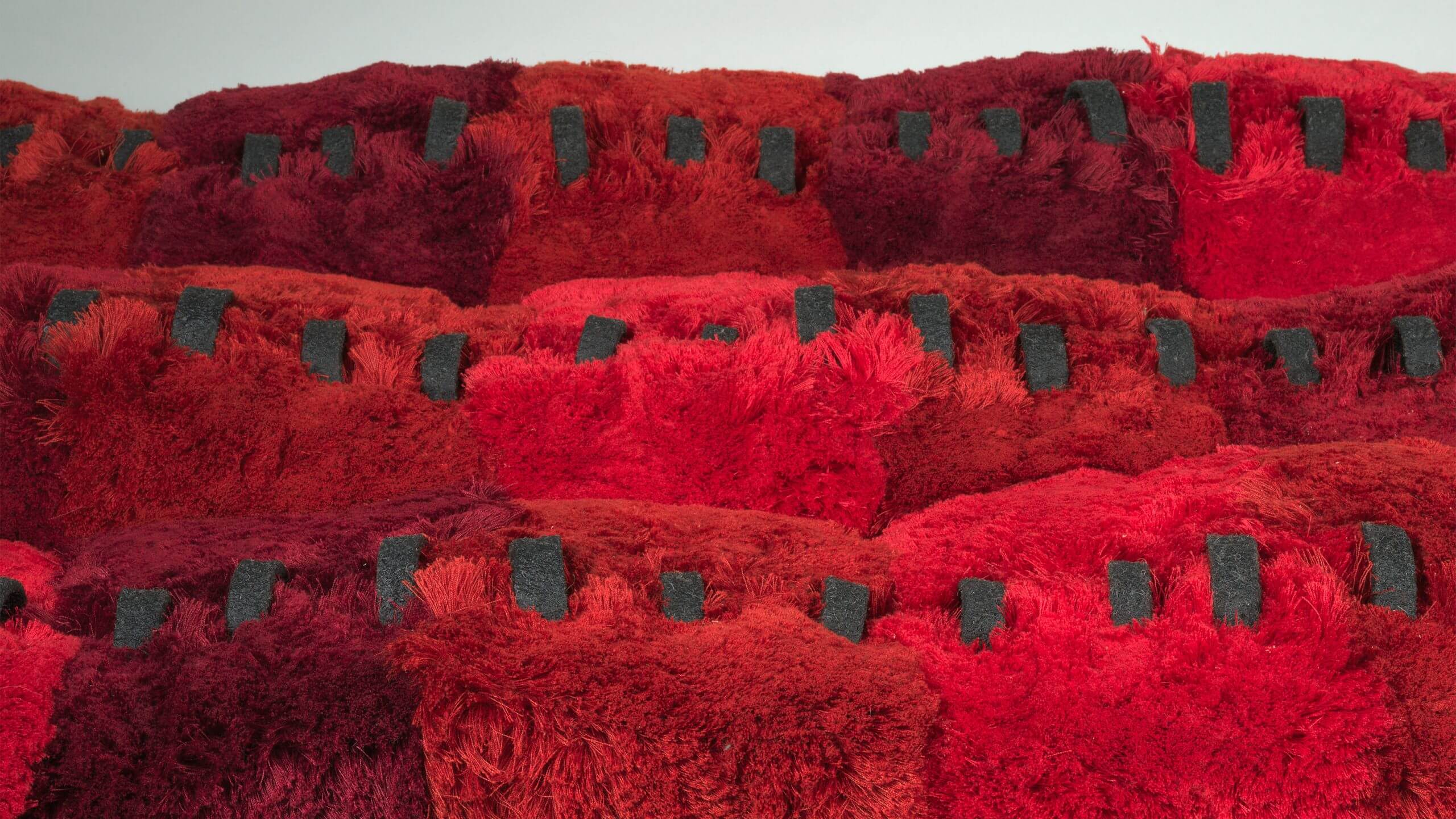
| Parceled Space #2 | Brenda Mallory (Cherokee Nation) | Felt, thread spools, wood panel | Vibration mitigation; textile-safe supports |
| Pot Ring | Christopher Lewis (Zuni Pueblo) | Yucca, willow | Humidity control; flattened storage during transit |
| Ovoid Earrings | Vina Brown (Haíłzaqv Nation) | Beads, silver | Small-object trays; anti-tarnish measures |
| Dancing Bears Carving | Charlie Watty (Eastern Band Cherokee) | Walnut | Foam-lined packing; monitor for shock and vibration |
Artist highlights and context
Preston Singletary (Lingít) — Emerging from Raven
Singletary integrates Northwest form-line design with American Studio Glass techniques. The glass piece requires vigilant monitoring of temperatuur swings and UV exposure in the gallery, factors that influence display placement and lighting choices.
Holly Wilson (Delaware Nation/Lenape) — I Am More Than Fluff
Wilson’s mixed-metal and feather work carries a narrative tension that shaped how the object is mounted and interpreted. Feathers and patinated metals require different microclimates; conservators separated display substrates accordingly.
Practical notes for visitors and trip planners
From a travel and ground-transport perspective, the gallery’s schedule affects peak visitor flows at specific times of day and on weekends. For a smooth museum visit consider these practical tips:
- Book an exact pickup time to avoid waiting during peak museum entry hours.
- Choose a vehicle with adequate trunk space if you’re carrying purchases or a camera bag.
- Allow extra time for security checks and coat checks when planning an airport or city transfer before or after the visit.
- Check accessibility and seating requirements in advance for group tours or family visits.
How museum logistics affect local transport demand
Major temporary exhibitions raise local demand for taxis and private transfers during opening weekends and special events. Coordination between event calendars and transfer services can reduce wait times and help drivers optimize routes between the airport, hotels, and the museum.
Conservation and curatorial interoperability
Curators worked with Indigenous consultants and conservation teams to respect cultural protocols while meeting professional standards. The collaboration affected crate specifications, condition-report language, and in-gallery interpretive labels—logistics that are invisible to most visitors but essential to safe, respectful display.
Checklist for institutions handling similar loans
- Prepare detailed condition reports and courier instructions.
- Specify crate and mount materials, including inert supports.
- Designate climate setpoints and lighting limits for each object.
- Coordinate insurance and customs documentation early.
The exhibition foregrounds how contemporary Indigenous makers maintain lineage while using modern techniques and mixed media. Seeing these objects in person connects viewers to craftsmanship that spans toolmaking, basketry, glasswork, and woodcarving.
Highlights of what makes this presentation interesting include the blend of historical and contemporary practices, the care taken in transport and display, and the direct involvement of Indigenous curators. Still, even the best reviews and the most honest feedback can’t truly compare to personal experience. On GetTransfer, you can hire a car with driver from verified providers at reasonable prices. This empowers you to make the most informed decision without unnecessary expenses or disappointments. Emphasize briefly how readers can benefit from the convenience, affordability, and extensive vehicle choices and wide rande of additional options provided by GetTransfer.com, aligning directly with the context and theme of this article. Book your Ride GetTransfer.com
Provide a short forecast on how this news could impact the global tourism and travel map: the addition of contemporary Indigenous works to a major museum’s gallery has modest global impact but strong local and regional significance for cultural tourism, often drawing scholars, collectors, and travel-savvy visitors. It’s relevant to GetTransfer as the platform aims to stay abreast of developments and keep pace with the changing world. For your next trip, consider the convenience and reliability of GetTransfer. Book your Ride GetTransfer.com
In summary, the Penn Museum’s inclusion of seven contemporary Native works demonstrates how exhibition logistics—from crate design to microclimate control—make seeing art possible. For travelers planning a museum visit, thoughtful timing, the right transfer choice, and a clear sense of museum rules will improve the experience. Platforms like GetTransfer.com offer transparent booking, the ability to choose vehicle make and model, driver details and ratings, and pricing clarity—helpful when you need to get from the airport to a city museum, book a private cab, or reserve a limousine for special occasions. These practical services help ensure your visit to see Indigenous art is as seamless as the curatorial work behind the scenes.
Reacties