
Welcome to Stockholm - A Quick Guide to Sweden's Capital

Buy a Stockholm Card before you travel, and ride the metro to kick off your day. This approach unlocks free or discounted entry to museums and ferries, therefore saving time and money as you explore the Old Town, the Royal Palace, and the waterfront districts.
Prefer a compact, well-paced plan? Start with a sunny morning in Gamla Stan, then hop to Djurgården for the museums and the Vasa ship. The extreme contrast between historic streets and modern cafés makes the city attractive for walkers, bikers, and photo enthusiasts alike, and you can arrange a banquet at a city hall venue if you book ahead.
In summer, you’ll find free performances in parks and plazas; check local calendars for concerts and street theatre, which introduces you to local talent without detours. If you are used to big-city pacing, you should plan a balance: two hours of museums plus a longer stroll along Strandvägen or across Östermalm, then back to the water for a sunset view. Keep conditioning your pace with short cafe breaks to stay fresh.
Stockholm’s public transit, including the metro and buses, runs on reliable schedules, ideal for travel between districts since distances are compact. In the hottest months, plan outdoor time for late mornings and early evenings, and use indoor galleries or cafes during peak heat; further, consider a boat or archipelago trip if weather allows, offering refreshing views of the islands.
Before your trip ends, reserve a few hours to shop for design and fashion at Södermalm boutiques and to sample a banquet-style meal at a Nordic restaurant. Sunny days invite long balcony dinners, and you should not miss a twilight cruise along the canals to cap your Stockholm experience. This creates a certain memory for first-time visitors.
Smart Start: Best Neighborhoods for First-Time Visitors
Begin with the southern district for your first Stockholm visit. Its compact streets host cozy cafes, welcoming shops, and quick routes between icons and viewpoints, making it easy to fit key stops into a single day.
From there, move to the central area after lunch to explore markets, galleries, and short rides by cab to the next stop. The area offers a mix of historic squares and modern lanes, so you can sample culture and bites in one strollable circuit.
For a compact day, plan a day excursion to a nearby outdoor culture site and return by evening. Use a transit card to hop between neighborhoods and maximize flexibility.
Evenings bring a range of options: casual meals, street performances, and access to historic venues where you can learn about local traditions and notable figures. Keep a lightweight map handy, and check seasonal listings for events so your trip stays dynamic and engaging.
Shopping in Stockholm: Markets, Boutiques, and Design Shops
Begin at Östermalms Saluhall for a quick bite and then chase the most interesting finds on Södermalm's SoFo for finding one-of-a-kind pieces.
Stockholm offers a mix of markets, boutiques, and design shops that suit different budgets and travel styles. The lake Mälaren frames your route, and you’ll notice how the city blends living city culture with practical shopping, whether you’re a first-time traveler or a local resident.
Markets to hit for a practical plan include:
- Östermalms Saluhall – iconic food market on the water, ideal for tasting Nordic specialties and picking fresh café snacks for a mid-morning break.
- Hötorget and Hötorgshallen – central market halls offering seasonal produce, fish, and ready-to-eat bites; easy to pair with a stroll along the area’s design shops.
- Hornstulls Marknad – weekend street market on Södermalm with vintage clothing, vinyl, design pieces, and even sea‑themed finds (sharks appear as quirky souvenirs from time to time).
- Kista Galleria – one of the largest shopping centres in the Stockholm area, reachable by train; great for a longer shopping session with brands and home goods.
- Gamla Stan boutiques – a compact town-center cluster where independent designers offer small-edition goods and Nordic staples.
Design-forward shopping centers and neighborhoods provide a winning mix of local and international options:
- SoFo on Södermalm – tiny boutiques, homeware, and independent labels with extreme street style; many shops have limited editions you won’t find elsewhere, making the area a prime finding spot for a stylish living statement.
- Norrmalm and Östermalm flagship stores – premium Swedish brands alongside international labels; you should budget a little more for quality pieces that should last for seasons.
- Skeppsholmen and Djurgården galleries – art and design spaces with water views, perfect for guests who want a calmer stroll after a busy market morning.
- Backstreet boutiques off Drottninggatan – curated small brands and local designers offering unique textiles and home goods.
Getting around and practical tips:
- Take the train or buses to reach northern suburbs or to connect with islands and museums; Stockholm’s centralterminal is a major travel hub for quick hops across the city.
- Buses, trains, and ferries run between islands like Djurgården and Skeppsholmen, offering scenic views between shopping stops.
- For a compact route, walk between Östermalm, Norrmalm, and Södermalm; you can ride a tram or a ferry to add a scenic element during the day.
- When you want to split costs, consider a travel card that covers buses and trains; it helps with a long day of roaming the largest market halls and boutique lanes.
Practical day plan and seasonal notes:
- Travel logistics: a day can include a morning market run, a light lunch at a café café with a lake view, and an afternoon design shop crawl by foot or via a quick train ride; you’ll still have time to visit Birka by a day-trip ferry if you want an island detour.
- cost and should: you should expect higher prices in Östermalm but find fair value in small boutiques on Södermalm and Gamla Stan; label drops and pop-ups often appear in july and during Nobel Week around the city center.
- living and guest experience: shop staff are friendly and helpful; you’ll often find guidance from hosts and shopkeepers about local designers and Swedish companies.
- round-trip options: if you want to extend the trip, a late afternoon ride to northern suburbs or a boat ride to an island offers a scenic contrast to the urban area.
Spotlight details to plan around:
July brings long days and lively pop-ups, so expect extended hours and outdoor cafés by the lake. If you’re attending or visiting during Nobel events, the vicinity around the City Hall area turns into a festive shopping and guest-friendly zone, with small pop-up boutiques and handicraft stalls that suit travelers who want a tangible memory of Stockholm’s design scene. For a balanced itinerary, mix a market morning, a café stop with a view, and a design shop crawl that ends on one of the city’s many islands, where you can ride a ferry back to the main town to complete your day.
Attractions and Sights: Must-See Landmarks and Practical Itineraries
Plan a two‑day loop that hits the Royal Palace, Armoury, Gamla Stan, Vasa Museum, and Skansen, then finish with a sunset from City Hall's tower. This plan offers the most attractive experiences Stockholm has for visitors and locals alike.
The Royal Palace sits like a castle in the heart of Old Town–the Armoury, royal apartments, and ceremonial rooms are among the highlights. Use the subway to move quickly between central sights; taxis help after late dinners. Here you find hotels in nice areas such as Norrmalm and Södermalm, with options ranging from compact boutique stays to larger properties that suit long holidays. Souvenir shops nearby sell magnets with sharks imagery.
Two-Day Highlights
Day 1 centers on Gamla Stan, with a walk to the Royal Palace and the Armoury. After lunch, ride to Djurgården for the Vasa Museum and a stroll through Skansen, the largest open‑air museum in Sweden. End with sunset from City Hall's tower to see the rooflines glow over the water.
Practical Planning and Seasonal Picks
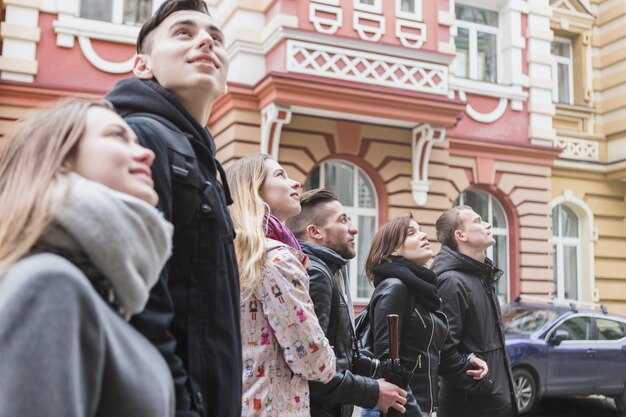
During Easter and other holidays, check for special events and shows at venues like Gröna Lund and cultural sites. If you have time, add ABBA The Museum or Fotografiska for a modern contrast. For a compact trip, swap one museum for a relaxed canal cruise and enjoy a dinner in a harbor area. For families and longer holidays, consider a day trip to Drottningholm Palace (castle‑like residence) outside the city.
| Time | Day 1 – Main Site | Day 2 – Main Site |
|---|---|---|
| 09:00 | Royal Palace & Armoury | Vasa Museum |
| 12:30 | Gamla Stan stroll and lunch | Djurgården: Skansen |
| 16:00 | City Hall tower view | ABBA The Museum or Fotografiska |
| 19:00 | Harbor dinner near the old town | Sunset from roof or canal cruise |
Museums: Top Picks, Opening Hours, and Ticket Tips
Begin with the Vasa Museum to anchor your visit in history, because its preserved ship and immersive displays set a practical pace for the day.
- Vasa Museum (Vasamuseet)
- Hours: 10:00–17:00 daily; last entry 16:30.
- Tickets: online options typically start around 190–260 SEK; look for family or student discounts, and check if under-18 visitors enter free.
- Tips: buy online to skip lines because a quick entry helps you fit more parts of the day; there are stores and a restaurant on site; consider a combined ticket if you plan more sights in the center.
- Nobel Prize Museum
- Hours: 10:00–18:00; last entry 17:30.
- Tickets: usually in the 120–180 SEK range; check for reduced rates and family options.
- Tips: compact layout makes it easy to cover in a single visit; nearby Nobel exhibits connect history with living science, there are occasional talks and short concerts that fit into a half-day plan.
- Moderna Museet
- Hours: 10:00–18:00; open daily in many seasons; last entry around 17:00.
- Tickets: typical adult price around 150–200 SEK; look for combined or online discounts.
- Tips: great for fans of contemporary art; the shop and cafe offer a convenient break; if you stay in hotels nearby, this is a convenient next stop after a morning at Vasa or Nobel.
- Fotografiska
- Hours: 10:00–23:00; last entry varies with exhibitions.
- Tickets: online options often start around 195–250 SEK; some exhibitions offer timed slots.
- Tips: known for compelling photography shows; the restaurant on-site makes it easy to combine with a meal; concerts and talks are sometimes hosted, so check the events calendar.
- Skansen Open-Air Museum
- Hours: 10:00–18:00; last entry around 17:30 in peak season.
- Tickets: typical adult prices in the 180–230 SEK range; family passes are common, with kids often receiving a reduced rate.
- Tips: besides houses and demonstrations, you’ll see living history and occasional performances; this is a full-day site with zoos and shops, so plan a relaxed pace and a harbor-side lunch.
For a pleasant break between museums, there is a shuttle between central piers and fjäderholmarna. There is a restaurant, some stores, and a small viewing tower on the island, which makes a nice contrast to the indoor parts of stockholms museum circuit. The ferry run is convenient during holidays and weekends, and it provides a refreshing breath of air if the citys weather gets warm.
Ticket tips to maximize a visit: buy online when possible to skip lines, because it saves time and lets you optimize your day; consider a Stockholm Pass if you plan to visit 3+ sights, as it can offer better value. Look for combo tickets that pair museums with nearby galleries or attractions; many places offer reduced rates for students, seniors, or families, and some stores near the venues carry souvenirs with marine or design motifs (including shark-themed items) for a little extra keepsake. If you’re staying in central hotels during holidays, map out your route by neighborhood to minimize transit time and maximize time inside the exhibitions.
Weather and planning notes: Stockholm's weather varies with seasons, so layer your clothing and allow for indoor breaks during hotter days. The day plan works well whether you’re exploring the citys cultural heartbeat or simply enjoying a lighter itinerary between island hops. If you’re visiting during peak travel times, try to visit the hottest museums early in the day and reserve evening slots for special events or concerts whenever available. Besides nonstop exploration, you can also adapt your stay with quick lunches at a restaurant or a coffee break at the harbor, ensuring a balanced pace through stockholms cultural landscape.
Where to Stay: Hotel Picks by Budget and Proximity
Choose Comfort Hotel Xpress Stockholm Central for a budget-friendly, central base with fast access to trains and the citys sights. Rooms typically range around 800–1200 SEK per night, and you’re within a short walk of Stockholm Central, Gamla Stan, and the harbour ferries to the archipelago. This setup keeps mornings simple and evenings comfortable, a practical start for your Stockholm stay.
For budget-friendly alternatives that still keep you close to action, Ibis Styles Stockholm Odenplan sits near the vibrant Odenplan square, with rooms around 900–1400 SEK. It offers quick metro access to the town center and the northern areas, plus a café culture nearby that makes mornings easy. If you want a direct link to the central transit hub, Comfort Hotel Xpress Stockholm Central remains a strong choice with compact rooms in the 1000–1500 SEK range and a brisk walk to the arena district for entertainment and tours.
Mid-range options near Gamla Stan and the heart of Stockholm include Scandic Gamla Stan, just a few minutes’ walk from the Royal Palace and the old town streets, with typical prices around 1200–1800 SEK. Haymarket by Scandic sits opposite Hötorget, blending retro style with easy access to theatres and arena events, usually 1500–2300 SEK. Clarion Hotel Sign in the northern part of the city offers contemporary rooms from 1700–2600 SEK and solid access to major transit lines.
For a luxury stay, Nobis Hotel Stockholm delivers a refined experience in a central area with rates commonly 4000–7000 SEK. Grand Hotel Stockholm sits near the Royal Palace and the Opera, with rates around 4500–8000 SEK. Bank Hotel, a boutique choice in central Stockholm, offers stylish rooms in the 3500–7000 SEK range and a focus on design and service.
Proximity matters: choose based on how you want to balance shops, cafés, and northern tours. If cold days come, a central base keeps you indoors at a café or your armoury of dining options, and this citys energy is always strong even after late-night shows. Should you want a special base for your trip, these options cover a spectrum from easy access to culture and entertainment near the arena and beyond.
Getting Around: Transit, Tickets, and Easy Routes
Get a 72-hour SL Access pass this week to stay flexible and affordable. It covers metro, buses, trams, and ferries within Stockholm’s city center and to popular islands such as Djurgården, making trips between the palace area, Gamla Stan square, and the aquaria simple and quick. This is especially handy during the sunny days of summer and July when locals often roam the center to enjoy the city’s open-air scenes.
Smart Ticketing
Use the SL Access card or the SL app to manage tickets on the go; you can tap in at entrances, or pay with a contactless bank card or smartphone. For shorter stays, consider certain multi-day options that the transport companies offer, and look for special offers to keep it affordable. The system lets you stay in the city center while you plan your day and matches your pace, whether you’re visiting the palace district or exploring the open squares.
Best Scenic Routes
From the city center, ride the metro to Gamla Stan and walk to the Royal Palace, then linger on Stortorget square. For a great day by the water, take a ferry to the islands and you’ll find interesting stops, museums, and aquaria along the way. Ferries run often and form a handy link between neighborhoods; this open-water option is a favorite of locals who prefer a relaxed mode of travel in sunny summer days. If you’re staying a few days, a combination ride between the inner city and the archipelago offers a certain balance of speed and scenery, especially in July when daylight extends late and you can savor a great sunset over the world’s water lanes.
Upcoming Highlights: Seasonal Events and New Openings
Plan a day trip to birka this easter weekend: take a ferry from the city center to birka, then taxi back to södermalm for a traditional dinner at a restaurant in östermalm, enjoying a relaxing end to the day.
During the season, a park near Kungsträdgården hosts free concerts and family-friendly shows on weekends, museums also share what to see with visitor guides to help planning.
A former prison near the city center reopens as a cultural venue with rotating exhibitions and intimate performances; nearby, a new restaurant in östermalm offers a banquet-style tasting menu, blending traditional Swedish flavors with modern design.
From Arlanda, if you need a quick transfer, take a taxi to the city center, then hop a ferry to nearby islands for morning explorations; tips include staying warm for the cold winds and planning meals at the latest openings in Stockholm's dining scene.
Here this season, plan ahead with the city calendar to catch the best shows, concerts, and new venues that mix heritage with contemporary style across södermalm and östermalm, with island getaways as easy day trips, this remains interesting for visitors.


