Why Investing in UAE Real Estate is Ideal for Frequent

UAE Real Estate: An Investment Hotspot for Travelers?
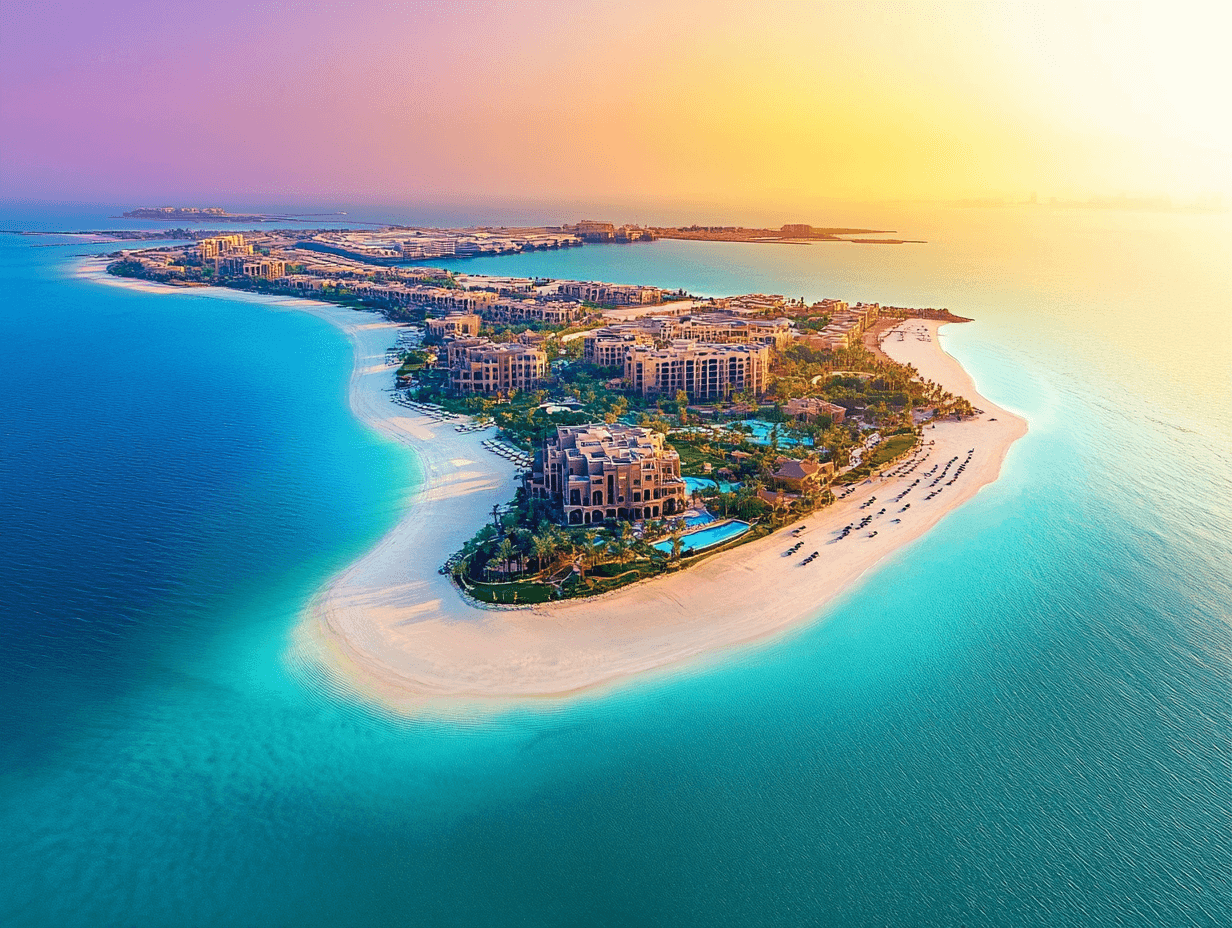
The UAE has a reputation for luxury shopping and hospitality, but it's also becoming a property investment destination. If you're a frequent traveler thinking about investments or a second home, properties for sale in Al Marjan Island might be worth a look. From my experience, owning a place in a country you visit often turns business trips or family vacations into something far more comfortable. Instead of hotel check-ins after long flights, you land and head straight to your own property.

Located in Ras Al Khaimah, Al Marjan Island is attracting attention as a potentially lucrative location. The four artificial islands offer direct beach access and sit only 45 minutes from Dubai International Airport. That short drive makes weekend escapes or longer layovers feel effortless.
A Growing Tourist Destination
Ras Al Khaimah is experiencing rapid growth as a tourist destination, with visitor numbers rising roughly 15% each year. Government initiatives to boost tourism through events, festivals, and sports competitions make it an appealing investment location. In 2023 alone, the emirate hosted over 2.3 million visitors who came for everything from desert safaris to the famous RAK Half Marathon.
This steady flow of tourists creates reliable demand for short-term rentals. I recommend checking actual booking platforms during your research. Properties on Al Marjan Island often achieve occupancy rates of 70-80% during the cooler winter months from October to April.
Convenience for Travelers
Here's an advantage of owning property in the UAE if you travel a lot: its location between Europe, Asia, and Africa. Plus, the international airports in Dubai and Abu Dhabi make getting around pretty easy. Residency visa opportunities can also simplify longer stays. A two-year renewable Golden Visa is available to property owners who invest at least AED 2 million (about $545,000).
Worth knowing.
The UAE’s infrastructure provides ease and comfort. That's appealing if you value convenience alongside investment. Road trips become simple too. You can drive from Ras Al Khaimah to Oman in under two hours or reach the striking Hajar Mountains for a quick hiking getaway. When I last visited, I drove from Al Marjan Island to Dubai Marina in 50 minutes and spent the day exploring before returning home.
Economic and Political Stability
One of the main reasons to consider UAE real estate investment is the country's stability. Supported by good leadership and economic policies, the UAE attracts foreign direct investment, creating a promising environment for asset growth. The country has maintained its position as one of the safest places in the Middle East for over two decades. This security matters greatly when you plan to leave your property vacant for weeks while traveling.
Worth knowing.
Investment Opportunities in the UAE
The UAE real estate market is known for its stability and returns. Here's a quick breakdown:
- High Rental Yields: Properties in prime locations often deliver annual yields from 6% to 9%. A two-bedroom apartment purchased for $300,000 can generate $1,800 to $2,250 monthly during peak season.
- Capital Appreciation: Consistent economic growth and government initiatives help property values climb. Average annual appreciation in Ras Al Khaimah has ranged between 8% and 12% over the past five years.
- Diverse Investment Choices: You can find everything from villas to apartments, so it's easy to find something that fits. Studio units start around $120,000 while luxury beachfront villas on Al Marjan Island range from $650,000 to over $2 million.
Sustainability Focus
The UAE is increasingly focused on sustainability, incorporating green building practices and smart technologies in new developments. Properties on Al Marjan Island often feature eco-friendly designs, energy-efficient systems, and smart-home technology. Solar panels, water recycling systems, and energy-saving appliances help keep monthly utility costs between $80 and $150 even during the hot summer months.
Not always obvious.
These features not only reduce your environmental impact but also attract environmentally conscious travelers who pay premium rates for sustainable accommodations. Many developments now include electric vehicle charging stations, which prove useful if you rent the property to road-trippers exploring the region.
Is This a Good Choice for Travel-Loving Investors?
Here's why the UAE could be a strong choice for investors who love to travel:
- Rental Income: Rent out your property when you're not using it. Platforms report average nightly rates of $120-$250 for well-maintained units on Al Marjan Island.
- Property Management: Property management services can handle tenants and upkeep—ideal if you're always on the go. Most companies charge 8-12% of collected rent and manage everything from cleaning to maintenance.
- Growing Value: With ongoing development and tourism, property values have the potential to climb. New infrastructure projects, including expanded highways and a planned high-speed rail link to Dubai, will likely boost values further.
- Lifestyle: With beaches and a casino resort, your investment doubles as a travel destination. You can enjoy private beach access, water sports, and fine dining just steps from your front door.
FAQ
How much does property cost on Al Marjan Island?
Current prices range from $120,000 for compact studios to $850,000 for spacious three-bedroom beachfront apartments. Luxury villas with private pools start at approximately $1.2 million. These figures include full ownership rights for non-residents.
Keep this in mind.
Can foreigners buy property in Ras Al Khaimah?
Yes. Foreign investors can own property outright in designated freehold areas like Al Marjan Island. You receive a title deed and can pass the property to heirs. No local sponsor is required.
What are the ongoing costs of owning property there?
Annual service charges typically run $2,500-$4,000 for apartments and up to $7,000 for villas. Property tax is currently zero in Ras Al Khaimah, though a 5% VAT applies to certain transactions and rental income may be subject to corporate tax if you register as a business.
For frequent travelers, UAE real estate offers more than just property ownership—it's a gateway to convenience and a potentially rewarding lifestyle. If you choose wisely, your investment could both appreciate in value and enrich your global travel experiences. The combination of strong rental returns and personal use makes these properties particularly attractive for people who spend significant time on the road or in the air.
Tip: I'd suggest visiting during both the peak tourist season and the off-season to get a feel for rental demand.
Getting from Dubai Airport to Al Marjan Island
I remember my first trip to Al Marjan Island. Landed at Dubai International around midnight. Taxi seemed easiest. Cost about 60 USD for the 90-minute drive, covering 85 kilometers through quiet highways. Driver knew the route well, no detours. But traffic can add 30 minutes during peak hours, like evenings when flights pour in.
Bus option saves cash. From the airport, take the E100 to Al Ghubaiba, then switch to a Ras Al Khaimah line. Total fare hits 12 USD. Travel time stretches to two hours, with waits at stations. Fine if you're solo and patient. I tried it once; seats were okay, but lugging bags uphill felt rough.
Keep this in mind.
Private transfer wins for comfort. Booked one through GetTransfer for 80 USD round-trip. They waited at arrivals with a sign, car ready. Door-to-door in 70 minutes. No haggling, fixed price. For frequent flyers like me, this beats taxis every time—especially after a 10-hour flight from Europe.
Transport Costs When You Own a Place in the UAE
Owning my apartment on Al Marjan changed everything. No more hotel shuttles. Now, I plan transfers around my schedule. Taxi from Dubai Airport runs 55-65 USD one way, depending on the model. Sedans fit two suitcases easily. But rush hour from 5-8 PM can double the time to 120 minutes over 85 km.
Buses cut costs in half. Pay 10 USD for the journey, using a Nol card loaded at the airport. Routes run every 30 minutes, but last ones end by 11 PM. I used it for a day trip; saved money but spent extra on water during the hot wait. Not ideal with kids or heavy gear.
Private services offer value for repeats. A yearly pass with a company like a transfer service drops per-ride to 50 USD. They store your preferences—pick-up spot near your building, chilled water in the van. Compared to buses, it's 5 times the price but halves stress. Taxis fall in between, reliable yet unpredictable on fares.
Tips for Smooth Transfers to Your UAE Investment
Pack light for UAE runs. Airports buzz with options, but pre-book to skip lines. From Dubai to Al Marjan, aim for off-peak flights arriving before 10 AM. Taxi then takes 60 minutes flat, costing 50 USD. Use apps like Careem for instant quotes—often 10% cheaper than airport stands.
Check weather apps too. Sandstorms delay buses by an hour, turning a 10 USD ride into a dusty wait. Private transfers push through with AC and updates via WhatsApp. I once switched from bus to private mid-trip; extra 40 USD, but arrived in 50 minutes instead of three hours.
For groups, vans beat taxis. Fits four plus bags for 90 USD total. Share costs, and it's under 25 USD each—better than individual buses at 12 USD apiece with transfers. Test routes on Google Maps first. I did that before buying; knew exactly how 85 km felt without owning yet.