
Tapas in Granada - A Beginner’s Guide to a Delicious Foodie Culture
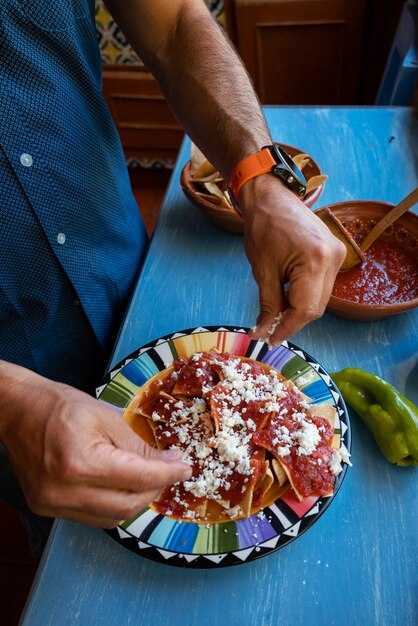
First, head to a bar near Plaza Nueva and order a beer to start your castañeda experience; you’ll usually receive a tapa right away, and that little plate sets the tone for your Granada tasting.
Keep a table-wide approach: those small plates multiply quickly–grab 2-3 dplatos at a time, then circle the route to taste everything and keep the huge table busy with color and aroma.
Try classics like tortilla española, jamón, boquerones, patatas bravas, and berenjenas con miel; for vegans, ask for vegan options such as pisto, grilled mushrooms, or roasted peppers–vegan choices exist, and many places label ingredients clearly.
In this tradition, the price varies by bar, but you’ll usually pay 2-4 euros per tapa on busy nights; some places offer cheap taster packs, while others show a curated menu with dplatos that sparkle like diamantes on the plate; look for castañeda-beer combos, and remember that the rhythm of the night rewards patience.
If youre with friends, ask staff to cater a quick tasting circuit: you can sample many things, compare flavors, and decide what to repeat at the table–this is how you build a personal, local guide you can trust, not a generic list.
Right after you settle in, point to plates that catch your eye, ask for a brief description, and say “one more round” to keep the momentum; the answer to “what should we try first?” is simple: follow your curiosity, then pivot to the dplatos that show Granada’s tradition in color and aroma.
Where to begin: best neighborhoods for a first-timer’s tapas crawl
Start in centro–the perfect launch pad for a first-timer’s tapas crawl, with a dense cluster of bars along Calle Navas, Plaza Nueva, and nearby lanes. You can quickly gauge portions, compare prices, and decide how far to go without backtracking. The location is convenient, the nice buildings create a welcoming vibe, and you’ll find options that suit those different budgets and tastes.
From centro, head to diamantes for a lively pocket of casual bars where those different options stay close together. This area is particularly convenient for an evening crawl: start with small plates, move on to fried fish, patatas, and olives, and dont worry about tickets–there’s plenty of choice and no fixed sequence.
Then add a hill-climb segment by visiting realejo and albaicín for a different texture. Realejo keeps a rustic, neighborhood feel with family-run taverns; albaicín’s whitewashed buildings and winding lanes give a dramatic backdrop as you sample smoky chorizo, garlicky prawns, and chickpea stews. This mix shows food in outside settings and the quiet charms Granada offers after dark.
The answer is simple: start in centro, then diamantes, then albaicín or realejo to cover those areas that are most loved by locals and by tourists alike. If you’re unsure which order to pick, try this: centro first, diamantes second, and finish outside while you watch the evening light. Dont worry about tickets or strict plans–just listen to your appetite and follow the question where next?
Tapas vs. raciones: understanding portions and ordering basics
First, tapas are the baseline and stop when youre full. In granada bars, tapas are tiny plates that pair with a drink, letting you sample many flavors across plenty of options. The idea is social eating: you come with friends, you try a bit of everything, and you share what arrives at the table. If a dish looks appealing, you can add it to the order without committing to a big bite.
Raciones step up when youre hungry or feeding a group. A ración is designed for one person or to be shared across a couple of diners. In practice, a single ración is often enough for one person with a couple of tapas, while two can cover a hearty meal. In many districts across spain, you can pair a ración with a couple of tapas for a complete night. Look for options near mercados and mercados stalls–these spots feed curious travelers with a buen mix of seafood, veggie plates, and stone-fired comfort foods, including salmon-based choices.
How to order: ask for tapas by dish, or request a ración if your goal is more substantial. A typical approach is three tapas plus one ración for two people, adjusting to appetite. To compare sizes, you can ask, "Is this a tapa or a ración?" Keep the flow going with a quick question if youre unsure and say whatever you like to try next–the staff will guide you toward a balanced round for the table.
Prices and value: tapas usually run around €2-€4 each, while raciones run roughly €6-€12, depending on ingredients. Common options include salmon, gambas al ajillo, patatas bravas, and tortilla; in granada, you’ll often find buena variety with plenty of seafood and vegetarian choices. If a bar shows a Potemkin display of abundance but the plates come small, you can switch to one more ración to feel filled without ordering too many tiny bites. Some places offer a free tapa with drinks, especially in busy districts near the mercado, a handy way to stretch your snack budget and keep things happy across the night.
| Aspect | Tapas | Raciones |
|---|---|---|
| Typical size | tiny, 1-3 bites | larger, 1 portion or share |
| Best use | snack, tasting rounds | main course or substantial sharing |
| Price range | €2-€4 each | €6-€12 each |
| Common dishes | salmon bites, croquetas, patatas bravas | grilled fish plates, paella share, seafood dishes |
| When to order | anytime with drinks | after tapas if hungry or for a fuller meal |
How free tapas with drinks work in Granada bars
Choose bars that clearly advertise free tapas with drinks and order a beer or vino to receive a small plate.
Here in granadas citys, the tapa usually arrives automatically with the drink, and the bill shows only the price of the beverage. If a place asks for extra, move on; most spots pride themselves on a straightforward policy that stays friendly for visitors and locals alike.
How it works: you order your drink and the tapa appears, often on a wooden board or on a simple plate. Tapas range from baked bread with olive oil and tomato to more filling options like a small plate of olives and cheese, or salmon skewers. The list on the wall or the counter tells you what comes with each drink, and staff rarely push you to take more than you want. Whatever the tapa, it’s designed to be easy to share and to let you stay fueled without breaking the budget.
Where to find and how to maximize: in granadas citys you’ll find lots of options around the river and in the historic centre. Look for favourite spots that are located in busy streets; these offers are common in both traditional bars and newer places. The price stays friendly and the bill reflects only your drink; deluxe tapas may be available for a small extra cost if you’re hungry, but many bars keep it simple. Try a few places to compare what comes with each drink and build a little tapas list for your evening.
Vegetarian, vegan, and gluten-free tapas options you can actually eat
Ask the hotel staff or the owners to cater for vegetarian, vegan, and gluten-free needs; in Granada’s antigualla streets these options are served by most small casas and market-area bars within minutes, and you can stay happy with just a few well-chosen dishes. If you spot octopus on the menu, skip it to keep your diet true to life, and use the moment to build a favourite starter trio that makes sense for your plan.
Vegetarian and vegan tapas that are commonly safe
- Patatas bravas with a dairy-free garlic aioli; confirm the sauce has no gluten thickener and that it’s suitable for vegan guests.
- Espinacas con garbanzos (spinach with chickpeas) – hearty, protein-rich, and usually served hot on a wooden board.
- Pisto manchego or verduras a la plancha (grilled vegetables) – naturally vegetarian and often gluten-free when cooked in clean oil.
- Tortilla española (potato omelette) – vegetarian; order without bread or cross-contaminating toppings if you’re vegan.
- Gazpacho (or a vegan salmorejo if available) – refreshing, cold option that works for vegan diets; watch out for croutons or gluten-containing garnish.
Gluten-free tapas you can actually eat
- Gazpacho or veined gazpacho variants served in a cup; verify no gluten in garnish and no bread croutons.
- Pimientos de padrón (fried peppers) – gluten-free if fried in clean oil and without gluten-containing coatings.
- Espárragos a la plancha (grilled asparagus) or setas al ajillo (garlic mushrooms) – simple, tasty, and usually gluten-free when prepared with olive oil only.
- Ensalada de tomate con queso manchego – a clean, gluten-free option if no croutons are added.
- Patatas asadas or patatas a lo pobre (potatoes cooked simply) – gluten-free when prepared in clean oil and without breading.
- Patatas bravas with a gluten-free sauce; ask to avoid any gluten-containing thickeners and verify the entire plate is prepared separately from gluten-containing dishes.
Sample 2-bar or 3-bar tapas route to try iconic dishes
Begin at a friendly taberna on Calle Navas; order a vermut and dogfish croquettes, and expect a complimentary snack with the drink. Travelling these central streets, this route seems to capture Granada’s hospitality and specific flavors, which it offers as a perfect pace through the main areas and iconic food moments while drinking.
heres the plan for a 2-bar route:
- Bar 1 – Calle Navas taberna (central location). Dishes: dogfish croquettes (3–4€), tortilla española (4–5€), patatas bravas (3–4€). Expect a complimentary olives snack with the drink; the hospitality is friendly and the staff will point you to the best pairing. Should you want, a second drink opens the door to another quick snack, often included. Location is convenient; next you stroll through the lively streets toward Plaza Bib-Rambla, where you’ll see pescadería stalls along the way.
- Bar 2 – near Plaza Bib-Rambla. Dishes: gambas al ajillo (6–7€), pescado frito small plate (5–6€), espinacas con garbanzos (3–4€). The vibe is relaxed, and seating at a table is common; some bars offer a second complimentary bite. Expect a smiling welcome and efficient service in this popular area; this bar truly offers a solid finish to the 2-bar plan.
heres the 3-bar extension:
- Bar 3 – Albaicín pescadería area. Dishes: huevos rotos con jamón (4–5€), fried fish (5–6€), espinacas con garbanzos if available. This location has a slower pace, great views, and friendly locals; the staff may share a small dessert or extra snack as you drink. Location requires a short uphill stroll, but the views and relaxed vibe make the extra stop worth it for a complete tasting loop.
Practical phrases to order tapas and tips on bar etiquette
Recommendation: Start by ordering the house tapas and a beer to set the pace; plan 2–3 small plates per person for lots of variety, and try to keep the bill reasonable. If travelling with friends, say “we’ll take a few plates to share here” and point to the board to speed up service. Check hours on Google before you go, since Granada bars peak late; thanks for the hospitality, which often guides you to unique, local options. If you want vegan choices, ask specifically which plates are vegan. Sometimes you’ll find salmon or caviar as specials, but most market or home-style plates stay local and affordable. You would be surprised how many good options appear at cheap prices, especially in areas with lots of stops along the way.
Useful phrases to order tapas
I would like the house tapas, please, and a beer.
What offers do you have today, and which plates are vegan?
Could you tell me which plates are unique or specific to today’s board?
We’re travelling and want to try several plates to share here; how many would you recommend?
How much is the bill for these items, and is there a cheap tasting set available?
Do you have salmon or caviar as a special? If not, what local options would you suggest?
Would you point me to the sign for specials, or is the board the best guide?
Bar etiquette and tips
Greet staff with a buen saludo–hola or buenas noches–and a smile; hospitality improves service, especially during busy hours. Order at the bar when possible and keep conversations concise to avoid slowing the flow for others.
Keep track of your drinks and plates; tapas are meant to be shared, so offer a plate around and ask “would you like to try this?” to involve everyone. If you’re not sure about a dish, ask which plates pair best with your beer or wine; locals often mix simple, cheap options with more unique, flavour-forward plates.
Plan your route across the city’s areas, for example Albaicín, Realejo, and downtown, to create a mini tour with several stops; this keeps evenings lively without overloading one bar. Respect local hours, as many spots shift from lunch to late-night service; checking hours in advance helps you avoid delays.
When the bill arrives, say “could we get the bill, please?” and decide whether to split or pay together; many places accept cards, cash, or mobile pay. If you’re satisfied with the experience, a quick thanks goes a long way, and leaving a modest tip is common in hospitality-focused bars. If you want to signal you’re done, a polite nod with a smile to the bartender works instead of lingering at the counter.
Budgeting for a Granada tapas night: typical prices and tipping norms
Prices and how to order for a Granada tapas night
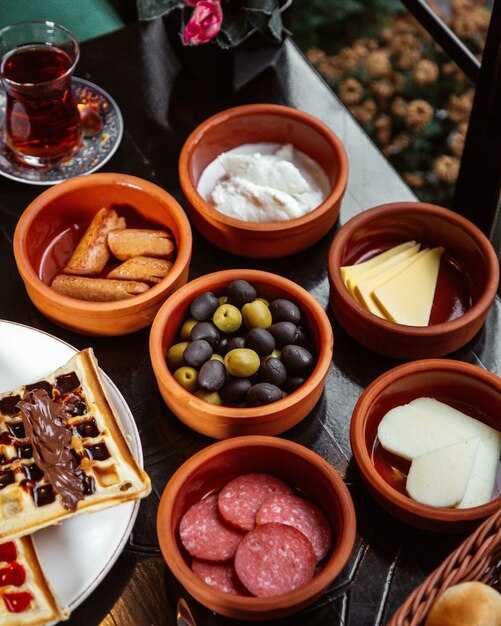
Budget around 25–30 euros per person for a casual Granada tapas night, 40–50 euros for a richer evening with vermouth, octopus and a couple of larger plates. Locals typically start at a taberna near a busy calle, order drinks and a couple of small bites, and watch the vida of the streets. A drink runs about 2–3 euros (beer) and 3–4 euros for vermouth; tapas usually 3–5 euros, octopus 8–12 euros, salad 4–6 euros. Actually, the answer is to pick two or three bars on a short loop and limit yourself to 2–3 bites per stop. In some establishments a tapa is included with a drink, but others charge 2–4 euros per tapa; always check the menu at the establishment or on google to avoid surprises. If you want a simple plan, stay on a single loop along a mercado area and sample different flavors in 2–3 settings. Look for a wooden bar where you can watch the cooks and the locals; you’ll feel good energy in the buildings around the street-level mercado. Some venues use tickets for drinks, others run a straightforward bill; the bill lists each item and its price, so you know what you’re giving. For a first-time trip, start with a couple of octopus plates, a salad, and a vermouth, then move on to another taberna in a different calle to sample different flavors. This classic Granada night is fast-paced, social, and tasty, with food and drinks forming a shared experience in the vida nocturna.
Tips on tipping and budgeting
In Granada tipping is modest and optional. Round up the bill to the nearest euro if the service is good, or add 5–10% for attentive service; in busy spots, a small tip per person after several rounds is common. If the service is included, you don’t need to add more; if not, leave 1–2 euros per person for quick rounds or 5–10% of the total for larger groups. When paying, ask whether service is included or if you should leave cash on the counter; many taberna present the total clearly on the bill, while others use a simple tickets system. If you pay with card and a tip is not automatically added, you can leave a card-friendly tip at the counter or hand over cash to the staff. For planning purposes, expect about 10–12 euros per person on drinks and 6–10 euros per person on tapas at a basic stop; push toward 20–25 euros per person for a fuller night with several rounds and a couple of larger plates. If you want a varied night, pick a mix of taberna in different location lengths on calle and around mercado to balance the budget while enjoying Granada’s food life.


