
Shopping in Athens - The Shopaholic's Guide Updated for 2026

Visit Ermou Street on monday morning to catch fresh stock and more discounts, before you wander into the boutiques crowded later in the day. This popular fashion corridor sits in a row of historic building facades, where the atmosphere blends sunlight, signage, and leather scents. For a content-driven start to your visit, plan a 90-minute shopping session focused on value, fit, and the stores you name first.
Extend your wander to Kolonaki for name-brand fashion in pristine spaces, then to Monastiraki for vintage gems and handmade bags. In these areas, shops line the streets with popular offerings and distinctive storefronts that reveal the name of the label. If you seek tactile options, you can inspect fabrics manually in select flagship stores.
Plan a two-hour session with a simple content checklist: map the stores you want to revisit, note prices, and book a quick coffee break for convenience. Start around 10:00 to beat the peak crowds, and keep a lightweight bag for purchases. For seekers seeking value, compare similar items in two to three shops before you commit.
Foodies can round out the day with a stroll around Athens' Central Market and the tavernas around Monastiraki Square, where olives, feta, and freshly baked pastries fuel a relaxed atmosphere. Grab a quick bite between shops, then resume your session with renewed energy. If you document your finds for a content piece, you’ll have a handy record to compare later.
Keep your expectations practical: leather goods and bags hold their value, while local designers offer popular pieces that travel well. After your visit, note the store name on storefronts to build your own list for a future trip, and let the building facades inspire how you mix classic lines with modern cuts.
Plan your Athens shopping day: neighborhoods, hours, and transit tips
Start your Athens shopping day in Monastiraki, where a compact loop along Ermou Street, which pulses with activity, puts everything you want within reach. Along the way, pop into ouzeries for a quick bite, then slide into Kolonaki for a full, expanding selection of brands, including Prada.
Hours vary by neighborhood: Ermou and Psirri shops typically open around 09:00 and finish by 21:00; Kolonaki boutiques often stretch to 21:00–22:00 in peak season; large malls in Marousi run roughly 10:00–22:00, while some smaller stores close earlier on Sundays. Check the specific store or its website, since some outlets post extended hours during holidays or sales periods.
Transit tips: ride the Metro to Monastiraki (Line 1) or Syntagma (Line 3) to begin, then walk along the streets toward Ermou and Kolonaki for a comfortable loop. For longer hops between districts, a taxi offers convenience and a predictable fare in the city center, typically 5–10 euros between core spots, and drivers accept ride-hailing apps for reliability. If you prefer public transport, a day pass covers multiple rides and keeps you flexible as you weave through the world of shopping.
Plan stops around what you want to see: those who want brands mix with local designers will find the Kolonaki side especially rewarding, while the Ermou corridor keeps prices friendly and the selection dynamic. Websites for stores often list hours and whats in stock, so a quick check before you go saves time. If you’re after a full luxury morning, aim for Prada on Ermou first, then drift toward mid-market shops that branch along the same route.
After hours of trying on, pause at an ouzeri for a glass of ouzo and small plates; this break is the therapy your feet deserve, and it keeps energy steady for the afternoon. Also consider a quick visit to a nearby museum cafe or the Acropolis Museum area for a light refresh and a touch of culture before continuing shopping.
What to wear and bring: comfortable shoes, a refillable water bottle, and a foldable bag for purchases. If you’re traveling with a plan, you’ll finish with a full impression of Athens’ shopping world that matches what you want to carry home and what you discover along the way, including seasonal offerings from brands worldwide and notes from local websites that called out rising labels.
Exarcheia vintage stores: addresses, opening times, and standout finds
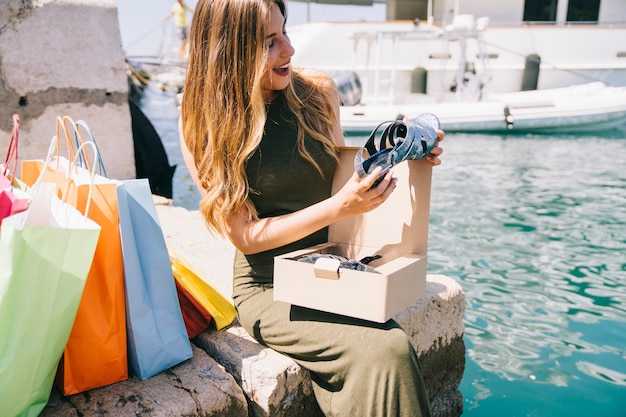
Begin your Exarcheia vintage hunt at olgunoz on Stournari Street; it opens 10:00–19:00 daily and accepts cash and cards, a solid anchor to keep you enjoying the browse. From there, a short detour toward psirri's lanes reveals a cluster of approachable shops and a chance to compare looks across racks.
Stores to check
olgunoz – Stournari 25, Exarcheia. Open 10:00–19:00 daily; Sundays 11:00–18:00. The space is air-conditioned, with a limited stock that emphasizes select, well-made pieces. Expect antique jackets, leather wear, and Greek brands since the 1970s; this is the main starting point for a thoughtful hunt.
Antique Exchange – Psirri 7, psirri district. Open 11:00–20:00 daily; late Fridays until 21:00. Browsing here rewards careful watching of standout finds: antique lamps, glassware, and mid-century brands. The interior stays comfortable for long sessions, and staff enthusiasts are happy to chat about the main pieces and their backstories.
Across voukourestiou’s polished storefronts, Exarcheia’s scene keeps a different rhythm. In psirri and nearby lanes you’ll find smaller spaces with curated pieces since the 1960s, plus occasional graphic tees and posters. If you’re collecting wear with character, you’ll notice the contrast between the polished corridor and the vibrant, independent energy across the main streets.
Practical tips: bring small bills for quick cash needs and use nearby ATMs if you prefer cash withdrawals. Regarding legislation for second-hand items, receipts and provenance notes are commonly provided, helping you confirm authenticity. Wear comfortable shoes, stay hydrated, and enjoying the slow pace of browsing lets you spot limited runs and rare finds before others do. Lets you compare different angles of a single piece–check lining, tag, and wear before making a go-to buy.
Budget thrift gems: best Greek bargain shops and flea markets in central Athens
Hit Monastiraki Flea Market first thing on Sunday morning for the best bargains on second-hand clothes, vintage accessories, and hand-painted souvenirs that selling stalls drop in price as you wander among the lanes. According to locals, these early hours set the stage for overall better deals and a more relaxed negotiation, away from the crowds and the daily retail noise.
Walk among narrow streets in these neighborhoods and you’ll encounter an array of stalls that sell used items, with women vendors who know how to read a bargain. The vibe comes from building facades, not polished storefronts, and every corner invites you to turn a good look at what’s on offer.
Take the metro to Monastiraki station or Omonoia station, then wander into side lanes where these markets spill into the city’s life. You’ll find everything from second-hand clothes to accessories and home goods, often priced to move and sold directly by locals who live in the area.
What you bring home can be future keepsakes, and you’ll see many hand-painted pieces and ceramics that feel almost timeless. Some finds echo aesthetics you’ll recognize on berbershutterstockcom, making it easy to coordinate a look that fits your vibe.
To maximize value, request removal of price tags when needed and offer a fair price on multiple items–the applicable price often drops when you buy a few pieces together. If you spot a thing you like, test a reasonable offer and be prepared to back away if the stall won’t meet it; many sellers will meet you halfway.
After a stroll, switch to a quick ouzo break at a nearby cafe or bar to reset, then return to hunt again in these streets. This mix of activity and social moment makes the central Athens thrift scene practical and fun, away from mass retail and closer to real life shopping.
Where to go for budget thrift gems
Monastiraki Flea Market, Psyrri lanes, and the streets around Omonoia and Monastiraki stations top the list for affordable finds. Look for racks on the edge of stalls and check each item’s condition; you’ll frequently encounter a mix of used clothes and vintage pieces from local sellers. These pockets deliver high value across an array of items that stay affordable for long-term shoppers.
Smart tips to maximize savings
Go early, carry small bills, and start with modest offers to set a bargaining tone. Wander with a friend and compare items, then don’t hesitate to back away if a price stays high. These moves help you land real bargains while respecting sellers’ time, and you can finish with a quick removal of tags if needed. Keep future visits in mind and return to see new stock; these markets rotate goods often, so the whole area remains a reliable source for your wardrobe and home game. The market pulse creates action that keeps the hunt lively.
Haggling, payments, and receipts: practical tips for shoppers in Greece
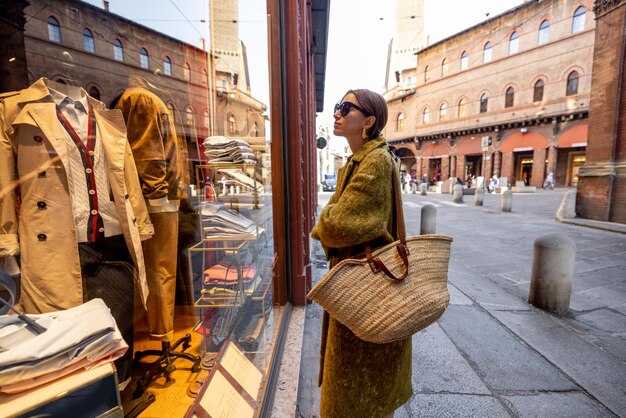
Ask for a formal receipt before you pay; it provides evidence for exchanges and returns and can provide a basis for future repairs–plus it helps you track spend in the city. To start, keep the receipt in your wallet.
In psiri and similar market lanes, tourists often expect a quick discount. turn negotiation into a friendly chat; offer around 40-60% of the price and check prices within the market spread. Some vendors will meet you, either on clothing or small items, while others hold firm during events or peak crowds.
Pay options: either cash or card; cash often yields better discounts in the city markets, while card readers appear at most shops in voukourestiou and tourist areas. For larger purchases, use ibank or a payment provider; ask the seller which providers they accept and confirm any fees before tapping.
For receipts, request an itemized bill that shows the price, VAT, and seller details. The information below helps for returns and future repairs; digital receipts include functionalities that simplify filing and storage. Keep the evidence with the order number and the seller's name; it’s the golden key for future exchanges in Greece.
In clothing stalls, bookshops, and museum gift shops, prices vary: clothing items often have small margins; bookshop items may be fixed but bulk buys can yield a minor discount; furniture bought in market stalls or showroom floors shows tags like handmade and items made locally. Look for items with a "made in Greece" label to confirm quality.
After a long day of shopping, call a taxi to move bulky purchases back to your hotel. On busy events days, avoid overloading one bag; tell your friends to split items and visit the voukourestiou area or a nearby bookshop together to compare offers and share tips.
Within a single itinerary, combine market stalls with a museum store and a bookshop on voukourestiou to compare offers. Keep all receipts, track the total spend, and use ibank to file records; this turn helps you avoid overspending and provides evidence for any future returns in greece.
Sizing, fit, and alterations: getting the right clothes in Greek boutiques
Go to an independent tailor in the area and have alterations done on the spot to guarantee a flawless look. If you’re traveling, carry a small tape measure and a photo of your best fit to show shop staff what you want, so they can guide you quickly.
Greek clothing often varies by brand and cut, so always try garments with movement–sit, bend, and walk a few steps. On aeolou and in other busy parts, you’ll find both multi-brand shops and small boutiques that welcome direct questions about size and proportion. If a piece feels snug in the chest or shoulders, ask for a quick side take or sleeve adjust; a little tweak can change the whole line of a dress or jacket.
When you’re seeking the right fit, note that stock can differ from order items. Some stores hold stock on display, while others offer an order option from the back room or a nearby atelier. If you miss a size, they might suggest alternative colors or similar styles from Zara or local labels, but always confirm the plan before leaving the counter. Collect data on what works for you, and compare what’s in stock with what you’ve seen elsewhere to avoid buying items that don’t match your intended silhouette.
Before you visit, map out a few stops in the area: blocks around the museum area, the welcoming lanes near aeolou, and smaller independent spots where young stylists showcase crafted clothing. Sunday openings vary, so calling ahead helps; otherwise, you may need to visit during the week when staff can dedicate time to adjustments. If you’re unsure whether a piece will translate to your style, test it with a belt and a pair of shoes you’ll travel with, because a good fit comes from how the garment sits in motion, not just when it’s on a mannequin.
What to bring and how to proceed: bring a trusted outfit you already own that fits well, the exact measurements for your torso and inseam, and a note of the areas you want adjusted. If you’re visiting multiple shops, keep a quick record of what each store stock looks like on you and what alterations they can perform. This helps you choose the best option for your order without missing a beat, whether you’re updating a weekend wardrobe or building a travel-friendly capsule with versatile style.
What’s worth noting is that many stores will offer alterations on clothing you buy. If a piece doesn’t pass the test, ask what’s possible in the back room, and whether they can extend the sleeve or shorten the hem while you wait. They’ll often point you to a trusted tailor nearby if they can’t complete the job themselves, which keeps you from missing out on the right fit altogether.
| Service | Typical time | Estimated cost (EUR) | Notes |
|---|---|---|---|
| Hemming | 30–45 min | 8–20 | Most shops handle it on-site; bring the correct footwear for length accuracy. |
| Take in/out at sides (waist) | 60–90 min | 20–40 | Fabric type and seam allowance affect price and duration. |
| Sleeve length adjustment | 30–60 min | 12–35 | Ask for spare fabric if available; easier on structured garments. |
| Dress length and overall silhouette tweak | 45–75 min | 25–60 | Important for unstructured lines; may require fabric re-balance. |
VAT refunds, discounts, and 2026 sale calendar: maximizing value for travelers
Ask for a VAT-free form at the till and keep receipts; claim refunds at the airport customs desk or via your chosen provider before you leave.
Greece offers VAT refunds to non-EU travelers on eligible purchases from stores that participate in the Tax Free program. The same process applies to american travellers; you must meet the minimum per receipt, present the goods unused, and obtain a customs stamp. Use a refund provider you trust to ensure a smooth credit back to your card or cash. If you’re seeking value, plan around the 2026 sale calendar and start with the best stores along the centre and around major stations.
- VAT refunds in practice
- Eligibility: non-EU travelers can reclaim VAT on qualifying purchases from participating stores.
- Minimums and receipts: a typical minimum is around €50 per receipt; group multiple items when possible to meet limits. Check the store label and the refund provider’s terms.
- Step-by-step: selecting items you’ll leave with; collecting the Tax Free order form; keeping the original receipts; at departure present your passport; get a customs stamp; submit to the refund provider at the airport or online; receive the refund by cash, card, or bank transfer.
- Timing and tips: have everything ready before you pass the station; refunds can be processed at the airport desk to speed things up. If anything is unclear, ask staff for the exact steps you could take to facilitate the process.
- 2026 sale calendar
- Winter sales: mid-January to late February; best bets include coats, boots, and knitwear. Discounts commonly range from 30% to 70% across stores and centres, with scattered extra reductions as the season ends.
- Summer sales: mid-July to late August; focus on clothing, swimwear, and accessories; discounts typically 20%–60%, with occasional deeper cuts on end-of-season stock.
- Signage and timing: look for clear “Sale” banners in the centre; the first days often have the widest stock, while later weeks clear remaining items.
- Where to monitor: follow major retailers and Greek consumer pages for 2026 announcements and any extended promotions.
- Maximizing value for travelers
- Target locations: The centre around Syntagma, Monastiraki, and Kolonaki hosts many stores; stroll along welcoming streets and along the line to stations for easy transit. The heat in summer can be intense, so plan visits for cooler mornings or late afternoons.
- Selecting stores: choose shops that participate in Tax Free; ask staff about refunds; compare prices across at least two stores for the same item to ensure you’re getting the best deal. scattered stores along the way often hold different markdowns for the same product.
- Seasonal strategy: if you’re seeking gear for warm weather, check final markdowns after the main sale window; you could find great values within a few days of the end date.
- Practical hacks: carry a passport copy and keep digital copies of receipts; for items you’ll leave in your luggage, verify that you can present them to customs without removal from your bag at the station or airport.
- Cookies and service: some stores offer complimentary cookies or beverages; use that moment to review sizes, colors, and your order before you finalize anything.
- American travellers: if you are american, ensure your Tax Free form matches your passport details to avoid delays at customs; keep all documents handy for the leaving process, including any past purchases you want to claim.
- Fatigue management: when touring stores, take a short therapy-like break to hydrate and rest your feet; a refreshed pace helps you focus on genuine value rather than impulse buys.
- Within the centre: use nearby stations to hop between venues without backtracking; plan a route that covers both high-street chains and independent boutiques for a broad selection.


