
Seville Taxi Guide - Getting a Taxi in Seville – Tips, Fares & Pickup Locations

Grab a taxi from an official stand near the Cathedral area; it’s the fastest way to start your Seville visit. Once you’re settled, there are reliable stands outside Puerta de Jerez and around major hotels, with staff ready to help you plan your route. Using an official cab keeps the meter honest and your trip predictable, which is worth it.
Fare details start with a fixed flag drop around €2.90, then roughly €1.00–€1.30 per kilometer. Estimated totals for common hops: airport to the historic center run about €25–€30; Santa Justa train station to the Cathedral area tends to €6–€9. There are several hubs along the river, near the train station, and at top sights, so you can grab a cab without wandering. If you want the fastest route, ask for the direct path and confirm exactly what you’ll pay before you depart.
Payment options: Most taxis accept cash or cards, and many support contactless payment. If you want price checks or to book in advance, use uber. sevici bike hubs are within a short walk from the Cathedral; there you’ll find maps, useful if you’re planning a museum visit or a quick train connection later.
Pickup spots include the Cathedral area, Santa Justa train station, and Plaza de España vicinity. There are hidden exits at some venues that shorten your walk to the cab stand. If you’ve been here before, you know the main hubs stay busy, so plan to arrive a bit early and there’s a good chance you’ll walk straight into a waiting taxi.
Staying in the tourist zone? Your case benefits from pre-arrival planning: give yourself a five-minute buffer, confirm the fare, and ask for the most direct route. A local driver named José may know a hidden shortcut along the river; if traffic is tight, you can switch to uber to compare prices before you ride.
How to hail a taxi in Seville: street hails, taxi ranks, and apps
Wave down a taxi on a busy calle or head to a taxi rank at Seville's main hubs; today, booking via Free Now often yields a car in minutes and lets you pay by card.
-
Street hails
Look for licensed taxis with a white body and a roof beacon. In central areas along Calle Sierpes, Calle Tetuán, and near the river Guadalquivir, you can usually signal a taxi on the curb within minutes. If you dont see one, move to a busier curb or ask a local shop for the nearest line. For passengers with luggage, most taxis have space; drivers speak English with international passengers in busy areas. Know your destination and be ready to share it in Calle or English to speed the pickup.
-
Taxi ranks (stands)
Stand locations cluster around the airport (SVQ) Arrivals, Santa Justa station, Plaza Nueva, and near Plaza de España. Arrive a few minutes early if you expect crowds, and pick a stand with the shortest queue for the best wait time. Ranks are usually busiest in the evenings by the river promenade, so plan ahead if you’re catching a show or returning from a sunset stroll.
-
Apps to book
Free Now (the international MyTaxi app) lets you see ETA, compare drivers, and pay by card. Cabify is another option used by international passengers. Open the app, enter your location, and choose a car that fits your group. Apps are especially useful when you arrive at night or near the riverfront where curb service may be slower. For more deals, the app often offers promotions for late rides, and you can select a car located closest to your destination.
Fares and payment: base fares start around €3.50; downtown rides commonly run €6–€12, while airport trips are typically €25–€30 depending on traffic. Metered rates apply per kilometer with a small flag drop; late-night surcharges may apply. If you ride with a group, request a larger vehicle from the app or at a rank to save time and money. When using apps, you usually see a Fare estimate before you confirm. Pay by card or cash, and check that the driver can take your payment method before starting the ride.
Accessibility and language: many taxis are accessible for wheelchairs, and drivers often know common destinations in the historic center. If you dont know the exact pickup spot, ask the stand staff or use the app to set a precise location. The river Guadalquivir area offers several hubs along the promenade, so you can look for a car near the Torre del Oro or Puente de Isabel II. источник local taxi association notes that meters set by zone keep fares predictable across the city. For a smooth start, know the best pickup spots at the airport and Santa Justa station.
Official taxi ranks and pickup points at Seville's airports, train stations, and hotels
Recommendation: Always head to the official taxi ranks outside Seville’s airport (SVQ) Arrivals and outside Santa Justa railway station, and use the hotel lobby pickup or concierge to arrange a licensed taxi. This guarantees a professional, meter-based service with transparent pricing and reliable availability here and now.
Airport and railway pickup points

At Seville–San Pablo Airport (SVQ), follow the clearly marked signs to the official taxi rank just outside the Arrivals area. Taxis operate 24/7, with a public, meter-based fare system; a ride to the centre typically falls in the €25–€30 range, depending on traffic. Be ready to show your destination to the driver so you can board the most direct route back to the centre or to a hotel near Setas and the Santa Cruz quarter. Look for the apk2 identifiers on the board and the official TAXI signs to ensure you’re boarding a licensed vehicle. If you’re arriving after a holiday or tours, there is steady availability here, and the queue moves quickly when you board in a group. The Santa Justa railway station also has a clearly marked official taxi rank just outside the main entrance; use it for a smooth transfer to your hotel or to any spot in the centre, including spots near Santa and Setas, without waiting outside public areas.
Hotel pickup zones and tips
Most top hotels in the centre designate a dedicated pickup zone in front of the lobby or porte-cochère. When you check in, ask the staff to arrange the taxi pickup and confirm the exact meeting point (often right by the main entrance or the hotel forecourt). Taxis here operate with transparent meters, and drivers can set a direct route to your tour stops or back to the airport when you’re ready to depart. For added peace of mind, have your hotel provide the driver’s name and the exact pickup location, especially for busy party nights or during peak tourist periods. If you’re unsure, the concierge can point you to the nearest public taxi rank outside the hotel or call in a professional taxi service to ensure a steady availability here and there across the centre. This approach is worth it for a smooth transfer back to your holiday lodging, whether you’re heading to Santa Justa for a train or simply back to your hotel after a day of tours around Spain. Always verify that the taxi has a visible license and operates under the standard public service, ensuring a safe, comfortable ride justa from the hotel lobby.
Understanding taxi fares in Seville: meters, surcharges, and typical costs
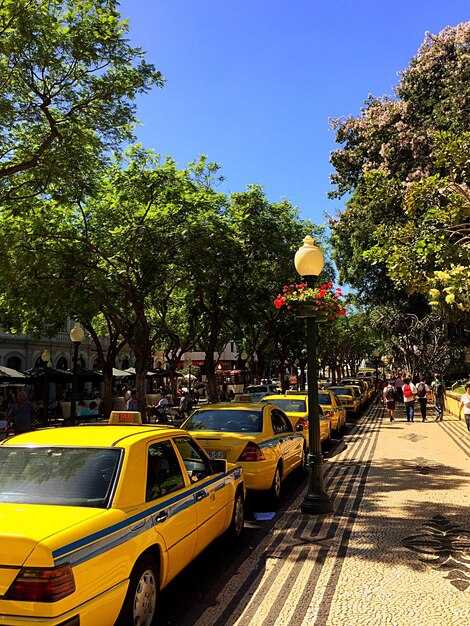
For a reliable budget, use the meter and pre-book when you need a guaranteed pickup. In central Seville you would typically pay around €6–€9 for a short hop, while a ride from the airport to the heart of the city runs around €25–€30. Availability can vary, especially after late night shows at a tablao or during holiday crowds, so having a rough target helps if you’re planning a long evening in a gorgeous part of town.
The meter covers three elements: a starting tariff, distance travelled, and time spent in traffic. The base rate kicks in as soon as the taxi moves, then the per‑kilometre charge accrues with distance, and a time rate applies when you’re stuck in slow streets. In practice, these components combine to produce a price that reflects both how far you go and how long you sit on short, dense routes through areas like the royal quarter or Triana’s bridges.
Surcharges add to the fare. Airport rides carry a fixed airport fee on top of the meter, while night calls (usually after about 22:00) show a higher rate or percentage increase. Holiday periods can bring additional surcharges, and extra charges may apply for luggage, multiple stops, or waiting time if you’re delayed at a station or mercado. If you’re heading to a long terrace or balcony view over the river, the same rules apply, just with more distance to cover.
Smart planning helps. Pre-booking with a reputable company guarantees availability and keeps you from hunting for a taxi after a long day at a museum or a royal visit. Ask the driver to confirm the final price before you start if you’re not sure, and keep a note of the typical ranges so you don’t overspend on a long night out around the city’s stories and sights. If your visit includes a stop at a popular spot like a tablao or a market, the driver can adjust the route to minimize time and keep costs predictable. A friendly driver named Pablo can provide a quick route tips for major stops, and you’ll often discover practical local details like notable stops and the best shortcuts along the way.
| Fare component | What it covers | Typical range (EUR) |
|---|---|---|
| Base tariff | Starting charge when the taxi begins moving | 2.50–3.50 |
| Distance rate | Charged per kilometre as you travel | 1.00–1.50 per km |
| Waiting time | Time-based charge when stuck in traffic or at stops | 0.20–0.40 per minute |
| Airport surcharge | Fixed fee added for airport rides | 2–5 |
| Night surcharge | Higher rate after defined night hours | 10–20% of fare |
| Holiday surcharge | Extra charge on holidays or special days | 0–15% of fare |
| Luggage and other | Extra for heavy bags, extra passenger, or routes with many stops | 0–2 (per bag/pax) |
| Minimum fare | 最低 charge if the ride is very short | 3–5 |
| Sample routes and typical costs | Distance and scenario |
|---|---|
| Airport SVQ to city center (e.g., Puerta Jerez) | €25–€30; night or holiday may be higher |
| Santa Justa railway station to central sights (e.g., Cathedral area) | €6–€9 |
| Triana to Plaza de España / Royal Alcázar area | €7–€11 |
| Tablao near the historic center to a museum or mercado | €6–€12 depending on distance and time |
| Evening ride across town (night rate) | €8–€15 for short hops; longer trips rise accordingly |
These figures provide a practical frame for planning. If you want the cheapest option, compare a couple of local operators and consider pre-booking for fixed availability. For longer stays, a reliable taxi from a known stand or the hotel reception can save time and ensure you reach stops like mercado or a museum without delays. In any case, ask for the estimated fare before you start, and factor in a small buffer for traffic near a royal palace or a busy terrace area. источник data from local tariff boards confirms the spread across routes, and you’ll find standard practices repeat at major stops along the way. You’ll often hear stories from drivers about the best routes to avoid long waits and find a balance between speed and comfort, especially when night crowds make shortcuts worthwhile.
Do taxis in Seville take credit cards? Accepted payment methods and tips
Yes, most taxis in Seville accept credit cards. Card readers handle Visa and Mastercard and support contactless payments; this is valid for rides from the center and across the city, including Puerta de Jerez and Santa Justa, and near metrocentro. If a reader has a problem, switch to cash or ask the driver to send a payment link to your phone. Although a few older cabs still prefer cash, the bigger share now uses card terminals, which makes rides easier in busy periods. Look for the card logo on the reader; these devices support contactless payments. You can request a printed receipt or have it emailed after the ride. Using card payments helps you keep track of fares and stay within your budget on brick-paved streets around Setas and Avenida de la Constitución, right in the center.
Accepted payment methods
In practice you can pay with major credit and debit cards, primarily Visa and Mastercard, via chip-and-PIN or contactless tap. Many taxis also accept mobile wallets–Apple Pay and Google Pay–where the terminal supports NFC. There is usually no surcharge for card payments, but always confirm before starting the ride. If the terminal is stubborn, you can switch to cash, or the driver can send a payment link to your phone for a quick check-out. If you travel with a little luggage, you may prefer to confirm the method at the start to avoid confusion. For formal rides and business trips, professional drivers typically handle card payments smoothly, which you can use for your purposes. To compare options, wwwtussames can be a quick reference.
Tips for paying and pickup locations
Flag taxis in the city center near Puerta de Jerez, Santa Justa, or around metrocentro; Setas and Avenida locations are easy to spot on brick streets. If you book via Cabify or Uber, you can see the fare upfront and pay in-app, which simplifies transactions for longer rides. Dont hesitate to tell the driver at the start that you’ll pay by card to avoid delays. This approach definitely improves the experience during peak hours when fares can grow, and the center becomes crowded. During rides, look at the meter and confirm the amount; if a larger fare appears, ask for a quick explanation before you reach the destination. If you prefer a quick option, these apps remain useful, yet many travelers still choose taxis for direct rides from the center to Avenida or Setas. For a convenient option to send a tip, you can do so after arrival using the card or app. Buses offer alternative routes during busy times, but rides by taxi stay easier for frequent trips between the center and nearby districts.
Cash vs card: best practices for paying and avoiding extra charges
Always pay by card when the taxi reader works; if not, keep a small cash amount ready to avoid delays and extra fees. Just in case, agree on the pickup method before you move and confirm the total with the driver.
Before you start, confirm the fare method upfront: ask the driver if card payment is possible and whether travelcard or contactless is accepted. If you have a travelcard, tap it and confirm the approved message on the interior screen before you move; this helps in busy routes through the centre and near plaza, alcázar, and royal sites in seville, which look pretty romantic and even offer balcony views around triana.
During the ride, watch the display lines to ensure the route matches the distance. If the taxi moves through triana or past the alcázar and toward the royal area, ask for a quick confirmation of the route to avoid miscalculation. Stay aware in the area, keep safe, and avoid leaning out near the river–no swimming near the water–while you ride.
At the end, request a receipt and check that the final fee aligns with the meter. If something looks off, use the links shown on the screen or in your ride record to contact the driver or the platform; you should keep this record for time-sensitive issues. youre in seville and should move quickly and calmly to your next stop, whether the centre, plaza, or stations around alcázar and triana. Once you arrive, if you need a backup ride, Uber is called in some areas, so check the pickup lines and stations first to avoid delays and plan your move.
Choosing between street hails and advance booking: pros, cons, and steps
Recommendation: For most days in Seville, hail on the street for quick hops between sights or book in advance for hotel pickups, airport transfers, or a group ride.
Street hails: pros You’ll be on the move within minutes, with clean, well-maintained cabs often lining popular spots near the cathedral and the walls of the old town. These rides suit sightseeing days when you need flexibility and want to rent a taxi only for short legs. Most cars accept cards, and you can confirm the route on your phone before starting. If you’re a subscriber to a taxi app, you’ll frequently find nearby options during peak hours.
Street hails: cons Wait times can vary, especially in busy corridors around santa cruz or during holiday periods, and a taxi may be scarce at peak moments. You may end up wandering a few minutes away from the hotel while you search for a ride, and coordinating a group or luggage can be awkward. These rides also offer less control over pickup details when you’re planning around sight-seeing schedules.
Advance booking: pros You get an estimated fare before pickup, a guaranteed arrival window, and a clear plan for your group. This is ideal for hotel routes, Santa Cruz area transfers, or when you plan a day of sightseeing with a fixed timetable. Booking in advance also helps if you want a specific car type or driver, and you can share travel details through the phone app to avoid miscommunication.
Advance booking: cons It may cost more than a street hail and requires some planning, which isn’t always convenient during flexible sightseeing days. If your plans shift, late cancellations can incur fees, and during busy times the available options can be limited. For solo travelers who value spontaneity, the routine of pre-booking might feel restrictive.
Steps to decide and arrange If you’re near hotel entrances or planning a transfer, compare the estimated fare and pickup time shown in a trusted app or with the hotel concierge. If you’re staying near cathedral or these popular routes, weigh a quick street hail for a short leg against booking for a longer transfer or a group ride. When you opt for advance booking, enter the exact pickup location (where you will meet the driver), the expected pickup time, and the number of passengers; confirm the driver’s details and the car’s plate via your phone. If you plan to mix modes, you can reserve a taxi next to a Sevici bike return point, then ride to your next stop. Always check that the taxi accepts cards and that the fare aligns with the estimated price, so you avoid surprises and can move smoothly away from tourist hubs. For frequent travelers, a travelcard or a subscription option can streamline payments, while ensuring the driver knows you’ll be ready to roll from the hotel next to the cathedral.


