
San Francisco Taxis - Tips, Pricing, and How to Take an SF Cab
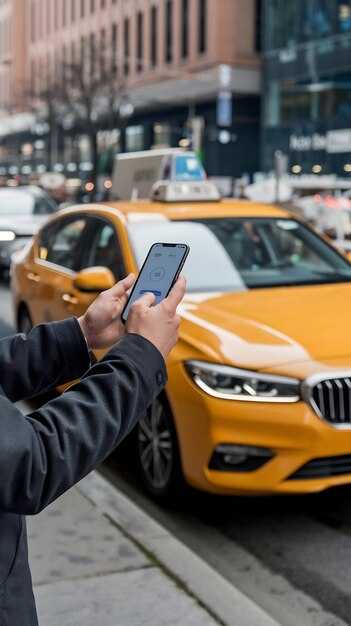
Grab a taxi from a licensed stand or call a dispatcher first. In San Francisco, area hubs like Union Square, the Embarcadero, and the Financial District see steady taxi traffic. Look for cars with a roof lights on and a visible medallion; these services have drivers who must use the meter. If a car arrives without lights or a clear address, pass and wait for the next taxi. Avoid grabbing rides from unlicensed cars; that occurs more often near tourist magnets than at formal stands.
Pricing basics: base fare starts around $3.50, with per-mile rates typically $2.50–3.50 and wait time about $0.50–0.60 per minute. Rides between neighborhoods (short trips) usually run $12–20, while a trip to San Francisco International Airport can be $38–60 depending on traffic and tolls. Tolls and airport charges apply in california; you may need to check the meter or ask the driver for an exact fare before you begin. If you need an estimate in advance, ask for one before you start the trip.
To take an SF cab, stand at a marked taxi line outside hotels, theaters, or transit hubs, or call a dispatcher to request one to your address. When the taxi arrives, confirm your destination and the number of travelers. Most taxis in California seat four, with some models offering five seats or extra luggage space. Have your address ready and spell it out if needed, so the driver can arrive at the right address and you arrive on time. Once you hop in, the meter starts and the ride from your area should be straightforward. You’ll be comfortable from your first mile.
If you prefer apps, you can compare estimates with rideshare options such as uber, but taxis offer predictable meter fares and the option to pay by cash at many stands. For safety, ride in the back seat, keep valuables secure, and confirm the destination before you leave the curb. If traffic is heavy, ask the driver to choose a route with fewer tolls; this can be cheaper than some ridesharing options.
Where to catch a cab: at airport terminals, hotel lobbies, major transit stations, or busy area intersections; if you’re near the Mission or SoMa, wait times are usually 5–10 minutes during peak hours. If a driver asks you to pay in cash or refuses to use the meter, politely decline and walk away; report the incident to the local taxi company with the address of the pickup. If something happen during the ride, contact the dispatcher for help, or file a report later. And keep a backup plan: a map, the address, and the numbers of a few taxi services to ensure you arrive with lights on and first-class service.
How to hail a San Francisco taxi quickly and reliably
Stand on a clear curb in the california area and signal with a firm wave as a taxi approaches. This easier method is a great option than waiting for an app pickup, and it helps with grabbing a ride quickly, while you head in the right direction without delay. If you’re traveling with another person, these steps work just as well for groups. This works for both solo travelers and groups.
These spots boost your odds: Market Street corridors, near Union Square, Fisherman’s Wharf, Embarcadero, and hotel entrances. If you’re just stepping off transit, head to a nearby taxi stand where a line of taxis often passes by. If a taxi passed you without stopping, simply move to another spot a block or two away and try again.
If you’re new in the city, ask someone nearby–a local person–for the curb where taxis pass most often and you’ll save time.
- Stand at the curb, facing incoming traffic, and raise your hand clearly for attention. If a taxi slows or stops, grab the door from the curb side and confirm your destination before you get in to ensure the driver is heading toward your destination.
- Evaluate the cab quickly: look for the yellow top light, company branding, and the driver’s badge. If the meter isn’t on or the plate is not visible, pass and wait for the next car. This keeps safety the priority for you and the driver.
- If no taxi stops, try a different area nearby or switch to an option like a dispatcher service to place an order. These services show pricing from the carrier upfront, so you know the costs before you ride.
- Plan for traffic and time: during peak hours, a pickup at a transit hub or hotel entrance often yields a ride faster than street-hailing. If it’s late at night in the hood or near nightlife zones, stay in well-lit areas and be ready to move toward a safe, populated street while you wait.
- When you grab a taxi, have your destination ready and know your first leg: this minimizes back-and-forth and reduces the overall time. If you’re with someone, decide the right route before entering and avoid detours that add time and costs.
- Finish with safety and payment: confirm the route, ask about the fare if you’re unsure, and pay via the app or the meter as you exit. Tipping, when appropriate, is simple after you’ve reached your area safely.
- Time-saving tip: if you’re in a hurry, stand near a hotel entrance or transit hub, and look for a taxi that’s heading toward your area. A quick grab here is easier than chasing a ride across blocks of traffic.
SF taxi pricing explained: base fare, surcharges, and per-mile rates
Recommendation: estimate every ride by adding base fare, per-mile charges, and waiting-time costs, then account for surcharges if they apply. In the SF area, base fare typically sits around 3.50–4.50 USD, the distance charge is about 2.60–3.50 USD per mile, and waiting time runs roughly 0.40–0.80 USD per minute. Those values are common across many taxis in california, and in the right area you will see the same meter rules; most cabs use a credit-card machine, so you can pay with a credit without cash if you prefer.
Surcharges include airport pickups (about 4–5 USD in typical cases) at SFO or nearby airports, nighttime surcharges (roughly 1.50–2.50 USD), and occasional tolls or area fees. These charges show up on the meter or as a separate line item on your receipt and can push a short ride into a higher range.
How to estimate before grabbing a ride: know your address, and remember that real-world fare depends on traffic and waiting time. For a 3–mile ride in downtown or the surrounding hood during daytime, a typical fare ranges from roughly 14–22 USD; add 0.40–0.80 per minute if you wait. If your trip starts at an airport, include the 4–5 USD surcharge. With a credit card, you usually see a quick option on the machine to pay, which makes the process easier.
| Component | Typical range (USD) | Notes |
|---|---|---|
| Base fare | 3.50–4.50 | Charged at the start of the ride |
| Per mile | 2.60–3.50 | Applied after base fare |
| Waiting time (per minute) | 0.40–0.80 | In congestion or stops |
| Airport surcharge | 4.00–5.00 | Applies for pickups at SFO/OAK |
| Nighttime surcharge | 1.50–2.50 | Typically after evening hours |
| Other surcharges | varies | Tolls or area-specific fees |
Estimated trip costs for common routes: SFO, Downtown, and Fisherman's Wharf
For predictable costs, take a taxi from SFO to Downtown; budget roughly $40–60, depending on traffic and any airport surcharges. This option gives you more control than rideshares, and grabbing a cab at the official stand is usually faster than waiting for a pickup. The meter (the machine inside) updates costs as you head down the Embarcadero toward your hotel or a restaurant, so you’ll know the approximate total before you arrive. Once you’re in and rolling, you’ll find the ride simpler and more comfortable than hopping between venues, especially with luggage.
From SFO to Downtown, expect about $40–60 on the meter, with airport surcharge typically adding a few dollars. Both routes share meter-based costs, and in practice most trips land in the mid-range when traffic is normal; if you encounter peak-hour congestion, plan toward the higher end. The driver will take the fastest route; give your destination to heading toward Market Street for an easier ride and to be there sooner. If you’re traveling with a single person, this route remains a solid choice for speed and convenience.
Between Downtown and Fisherman’s Wharf, these short hops usually cost 8–15 dollars, depending on stops and traffic. Most drivers manage their routes to be efficient, so you’ll reach Pier 39 or Ghirardelli Square in about 5–15 minutes if the light is favorable. If you’re heading to a specific pier, tell the driver your exact destination so they can pick the best street and avoid unnecessary backtracking. The back seats are comfortable for up to four people, and you’ll feel at ease grabbing your bags when you arrive.
From SFO to Fisherman’s Wharf, plan about 35–50 dollars; this longer ride covers more distance and may include airport surcharges. The cost is usually higher than the Downtown leg due to distance and traffic; if you’re traveling with family or a lot of luggage, this is a solid option that minimizes transfers. Most cabs have four seats; confirm seats and luggage space at the stand before you hop in, then you’ll be headed toward the Embarcadero with little fuss. If a delay happens, talk with the driver to adjust the route and avoid extra charges.
Tips to keep costs predictable: ask for an estimate before you roll; these drivers usually provide a rough fare up front, and you can decide if you want to proceed. If you’re traveling with companions, the cost is shared, which makes this route a better option than multiple rides. For added convenience, use the card reader; most cabs accept cards, so you won’t hand cash. If you encounter extra luggage or delays, there may be additional charges; staying aware of these details helps you avoid surprises and stay on plan. Properly reading the meter, you’ll understand the costs and feel in control of this transportation choice, which is a great option for single travelers or groups alike.
Uber or Lyft vs. traditional SF taxis: what riders should know
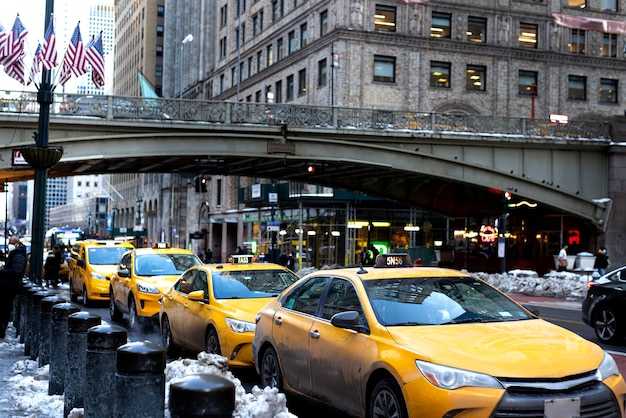
Start with Uber or Lyft for most trips in francisco when you want a great, dependable ride with predictable pricing, an easier reservation, and a quick pick-up. The app shows current traffic, an estimated order total, and options to compare drivers instantly. If the price spikes or you’re near a hotel desk, a traditional taxi can be a better option with a meter and a known number for fare calculation, often offering direct credit card payment at the curb.
Safety matters: verify the driver, car, and license plate either in the app or at the curb, then share your trip with someone you trust. Rideshare provides the driver’s photo and route on screen; taxi service shows the number and the lights on the taxi as a visual cue when you’re nearby. For payment, credit cards are standard on both sides, and some taxis still accept cash if you want to avoid digital payments. In both cases, avoid climbing in if something feels off, and consider reporting concerns to city transit or the union if you notice irregularities. These checks passed city safety reviews over the past year.
Pickup dynamics differ: rideshares arrive curbside within minutes in many SF neighborhoods, while taxis queue at stands or streets with heavy traffic surrounding downtown. If you’re coordinating a flight or a meeting, use the app to manage the pickup time, and then plan a backup option down the line if the first choice doesn’t arrive. For groups or luggage, choose a vehicle that offers more space, like UberXL or a larger SF taxi. The number of available drivers can vary by hour and area, so be ready for managing pickup timing and staying flexible with transitions. This option can offer more space for your party.
Practical tips

First, check traffic and then decide whether to place an order in the app or head to a taxi stand. If you need certainty, the traditional taxi network can offer steady pickup in transit hubs and hotels, sometimes with faster service during peak times. If you want easier payment, the app ride handles credit automatically and provides a receipt, but some travelers still value the direct option to pay with a card in person. If you’re sharing the ride with someone, consider an option that helps you manage arrival times and keep the group together. And if you have a strict deadline, pick the mode that yields the right balance of speed, cost, and safety.
Extra charges, tolls, and longer trips that affect your fare
To avoid surprises, address tolls and other extras before you ride: ask the driver to include tolls in the meter, pull down the fare screen, and request an itemized receipt that shows airport surcharges, waiting time, and any other fees. If you have a reservation, confirm the total estimate first to compare costs with them, so you know what to expect.
Fees that commonly occur include airport charges, peak-time adjustments, and waiting-time rates. The meter adds these costs when you travel longer than the base ride; more miles or minutes mean a higher total, and taxes and services may apply. In california, taxis often show a separate line for tolls and surcharges, so you can see exactly what you’re paying for.
Bridge tolls are a common example in this area: where your ride crosses the Bay Bridge or Golden Gate, the toll usually passes to the passenger. Some drivers absorb it if you grab a fixed-route option, but most add it to the fare. Check the receipt to confirm the toll amount, and ask the driver if you arent sure. If you’re comparing, you can look up current tolls on local transit sites to gauge what to expect.
Airport trips near the San Francisco International Airport often include an airport surcharge, and additional surcharges can apply during peak times. If you grab a cab from a busy curb, the service may add a pickup fee or waiting-time charge. Before you leave, note the estimated total and address the final charge, and whether the driver will use the right route. For a person or more, you can choose between cabs or ride-share services, but some services differ. If you have a reservation, you’ll have a number to reference if the fare seems off.
Long trips happen when detours or heavy traffic push you past the planned route. To keep easier costs, plan the route and request the shortest practical path, and ask the driver to show the fare on the screen. If you feel frustrated by hidden charges, compare the final costs with more than one option in this area or with a transit service. In California, some cabs and services publish fixed-rate trips for common routes; for multi-stop runs, confirm the number of stops before you go and address charges for each stop with the driver, so the total stays fair for everyone involved.
Traveling with kids in SF taxis: safety tips and car-seat guidelines
Always bring a portable car seat for each child and make a reservation for a car-seat-equipped taxi. In california, specify your reservation address and confirm with the union or service that the right equipment will be ready on pickup.
First, verify seat availability before your ride. Some taxi services offer loaner seats; others require you to bring your own. If a seat isn't available, ask what happen next and have a backup plan, such as SF transit or a service that can provide a seat. If your child needs a specific seat type, arrange it in advance so you avoid last‑minute scrambling.
Car-seat guidelines for SF taxis
- Infants (0–23 months): rear-facing seat with a 5-point harness. Harness snug, chest clip at armpit level, and the seat square against the back seat.
- Toddlers (2–4 years): forward-facing seat with a harness; install using the vehicle belt or LATCH when allowed; chest clip at chest level.
- Older kids (4–8 years): booster seat to reach about 4'9" tall; ensure the lap and shoulder belts cross the body correctly and the seat remains square on the seat.
Back-seat safety and installation tips
- Always ride in the back seat and keep the child secured during the entire trip; do not place a seat with an airbag in front of a child.
- Attach the seat using a proper belt path; ensure the harness or booster belt lies snug against the child.
- For a taxi ride, you may need to install the seat yourself; once installed, check that the harness tightens and the chest clip sits at armpit level.
- When you need to grab a bag or phone, do so after the seat is secured to avoid distractions during drive time.
- If you feel unsure, ask someone from the driver’s union or from the taxi service for guidance; most drivers want to help and will align their approach with your needs.
Practical considerations for traveling in SF
- Traffic in the surrounding francisco streets can be heavy; plan more time and pick curbside locations with clear access.
- Coverage varies by service; some services offer seats, others require you to bring your own. When you reserve, ask about availability and the specific service model.
- Payment options: most services accept credit; confirm in advance to avoid delays.
- Great option to simplify is to book a vehicle with a seat through a service that specializes in family travel; this can be a more reliable option during peak hours.
- For longer trips, consider transit options with known access, but ensure you bring the car seats and are prepared to secure them on arrival at your destination.
- Always remember your reservation details: the address, time, and number of kids so the right vehicle can be lined up.
California Vehicle Code 27360: obligations for taxi drivers and riders
Always fasten your seat belt when the taxi is moving. California Vehicle Code 27360 requires the driver to ensure that every passenger wears a safety belt in all seating positions during transit. If a rider declines, the driver should address the safety concern and pause the pick-up until the rider complies, to make most trips safer.
Driver obligations include checking that every seat belt works, confirming the passenger's address and destination, and ensuring the fare machine displays the correct rate for the pick-up. The safety checks passed in the last inspection, the fare from the meter helps the rider compare pricing, and many drivers participate in a union that provides safety training and rider-rights guidance, addressing questions that may happen during waiting and transit.
Riders should fasten the seat belts and follow the driver's directions, keeping feet and belongings clear of the aisle. At the first pick-up, confirm the address and destination, and communicate any changes clearly to avoid delays. If you have a safety concern while waiting, speak up politely and write it down to share with the driver, considering your surrounding surroundings and the traffic.
Exceptions exist for medical reasons or when a seat lacks a belt; in San Francisco, taxis usually have belts on every seat, and drivers should not operate a ride if a belt is missing on a passenger seat. Enforcement rests with local agencies, and penalties vary by city; riders can be cited for failing to fasten, and drivers may face penalties for allowing unsafe conditions.
Tip for riders and drivers: before the ride starts, verify that the right belt is working and that the path to the exit is clear; at pick-up, compare pricing shown by the meter with the app estimate and note any additional charges for waiting. If you feel frustrated by a delay, stay calm and communicate with the driver. If you observe issues in the surrounding traffic or waiting area, address them calmly with the driver and, if needed, with the company address.


