
Seattle Airport to Downtown Seattle - Fastest, Cheapest & Easiest Transfers in 2025
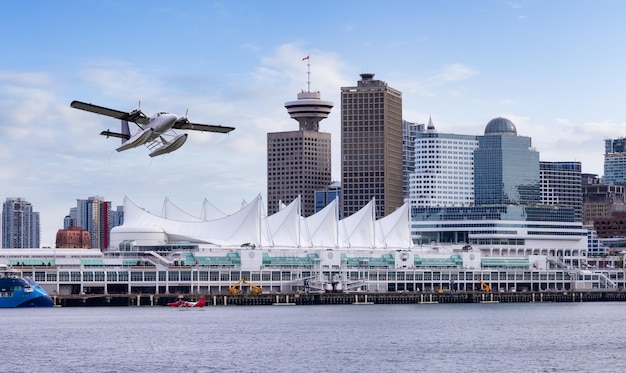

Take the ride-sharing option from SEA to downtown Seattle–it's the speed you want after a flight. In typical traffic, you can arrive downtown in about 25–40 minutes via a direct route that minimizes detours. You can count on a price around $25–$40 for a standard sedan, with higher rates if surge pricing kicks in.
The main budget route is the Link Light Rail from SEA to downtown. It takes roughly 35–40 minutes door-to-door, and a single ride costs about $3–$5 with an ORCA card. You arrive at Westlake Center or International District/Chinatown station, in the heart of downtown.
Taxi is another solid option when you value comfort and a predictable pickup. A typical fare to downtown runs around $50–$60, depending on traffic and tolls. The ride occurs in cars ranging from sedans to larger taxis, with some fleets offering hybrid cars for better fuel efficiency. For them, the pickup experience may be smoother with pre-booked options.
If you want a quick comparison, airporttransfercom lets you compare ride-sharing, taxi, shuttle, and rail options in one view. Whether you arrive from domestic or international flights, you can see estimates for time, price, and pickup type before you book. The price ranges are given by operators to reflect surges, so you can plan with confidence. This helps you choose the best option for your schedule and district stay.
Once youve landed, youve got a few clean choices. For speed, take ride-sharing; for price, go with the Link Light Rail; for comfort, hail a taxi or book a hybrid car. The main decision is to pick a route that fits your flights and your district destination. If you came from tacoma, you might pair an Amtrak leg into Seattle with a short ride to downtown.
Fastest SeaTac to Downtown Seattle: Link Light Rail vs Alternatives
Recommendation: Use the Link Light Rail for SeaTac to Downtown Seattle. It is the most reliable option for travelers in a rush and it saves money, with a typical door‑to‑door ride of about 35–40 minutes. From SeaTac Airport Station to Westlake Center, trains run at regular times and arrive every 8–12 minutes during the day, keeping you back in the city quickly and predictably. The terminal provides a protected path to the platform, and you reach downtown hotels with minimal extra steps. Pricing stays around 3 per ride when you use an ORCA card, and money saved on transit can stay with you for meals or a hotel stay. If you’ve been in Seattle before, you’ll notice this route offers straightforward access to most hotels and business centers, avoiding the stress of busy traffic while you focus on your plans.
Fastest option: Link Light Rail
The Link Light Rail travels from SeaTac Airport Station directly to Westlake Center, pulling you into the city within minutes of arriving downtown. This transport keeps you away from I-5 congestion, which means less time lost during rush hours and more time to get to meetings or to relax in your hotel. For travelers with luggage, the platform is clearly signed and within easy reach from the terminal, and the ride is well‑maintained and comfortable. The pricing is transparent–roughly 3 per ride with ORCA–so you can budget without hidden costs. Once you alight at Westlake, you’re within a short walk of most downtown hotels, shops, and dining options, which makes the city feel close after you land. For those who hired private rides in the past, this option typically beats door‑to‑door time and reduces stress when you’re arriving after a long flight. It also provides an easy switch if you’re headed to Snoqualmie or Tacoma later in your trip by planning a convenient connection from downtown. If you’re seeking a steady schedule, look for updates from partners at Sound Transit to confirm the latest times and any service changes.
Alternatives to consider
Rideshare or taxi: in good traffic you can reach downtown in 20–30 minutes, but peak times can stretch to 40 minutes or more. Expect pricing in the 40–70 range depending on surge, luggage, and your drop‑off point near hotels or conference centers. A hired private shuttle offers door‑to‑door service and comfort, especially for groups, but it won’t beat the rail on pure speed when traffic is light. For travelers who want a predictable schedule or who are heading to a specific hotel lobby, rideshare can still be a strong option if you should avoid the wait times that come with trains. If you’re traveling with a larger group or with special equipment, a booked shuttle can provide a guaranteed pickup window, which some travelers value when time is tight. For those continuing beyond downtown to Snoqualmie or Tacoma, plan a transfer that aligns with your next leg and consider pre‑booking to guarantee space and timing. This approach helps you keep money in your pocket while maintaining a smooth travel rhythm, and it works well when you prioritize a direct path from the terminal to your next destination.
Cheapest SEA to Downtown Option: Public Transit Fares and Passes
Take the Link Light Rail from Sea-Tac to Downtown Seattle for the best mix of rates, speed and reliability. The trip to the city center takes about 35 minutes and avoids traffic delays, making it the fast and cost-effective choice. Updated pricing for 2025 keeps this option predictable: a single ride costs around 3.00 USD when you use an ORCA card; cash payments are higher. Whether you’re a tourist or a local traveler, this public option will head you straight toward downtown with minimal hassle.
How to pay and save: load value on an ORCA card at Sea-Tac Station or via the ORCA app, then tap to enter the fare gates. Using ORCA generally yields the lowest rate, and it protects you from small cash surcharges. If youve got multiple rides in a day or over several days, consider a regional or monthly pass through ORCA–these options depend on your travel within the area and can add up to good savings on a city-district scale. For readers planning a short visit, a few rides with stored value will usually stay under the cost of several separate cash purchases.
Passes and programs: the ORCA system offers stored-value cards plus passes that coverUnlimited rides within defined zones; look for discounts for students, seniors and other programs. Some tourist-oriented bundles may pair transit access with local city experiences, while employers or schools may provide discounted or preloaded cards. If youre comparing options from different programs or districts, you will notice the fixed pricing structure remains straightforward: reduced rates for eligible riders and standard rates for general travelers. This streamlined setup helps readers assess whether a weekly stay or longer trip will save money on transit costs.
Practical steps: head to Sea-Tac Station and pick up an ORCA card or use a contactless payment method at the fare gates. Board the Link Light Rail toward Downtown Seattle and alight at Westlake or International District stations for easy walking access to the city center. Allow time for boarding during peak hours, and consider this option if you plan to stay within the city area and travel frequently between the airport and downtown; it will consistently deliver a fast, affordable connection that keeps you within budget while you explore the district and beyond.
Easiest for First-Time Riders: Terminal to SeaTac/Airport Link Station Walkthrough

Recommendation: use the SeaTac/Airport Link Light Rail from the airport terminal to Westlake Station in downtown Seattle. It’s the transportation option that serves most readers well, especially tourists, because it’s fast, affordable, and easy to follow. The cost is about $3 for a single ride, and the ride time is roughly 36 minutes, with trains every 8–10 minutes during daytime hours. You can check online for the latest schedule and rate changes. If you need quick guidance, Juan at the information store can point you to the right platform and answer questions about luggage handling and station accessibility.
What to expect on the ride

The line runs from seatac directly toward downtown, delivering forward momentum with minimal transfers. Youre likely to arrive with plenty of time for your plans, and the signage is clear for first-time riders. The car space accommodates luggage, and seating is comfortable for a seated ride that most travelers find convenient. If youre heading to Northgate after downtown, the same line continues in that direction, so you can stay on board and avoid extra transfers. The distance from the airport to Westlake is well within a single ride, making this the most straightforward choice for a first visit to Seattle.
- Plan and purchase: use the online trip planner or a vending machine near baggage claim to buy a one-way fare ($3). If you plan multiple rides, consider an ORCA card to save time and money at the store or via the official app.
- Head to the platform: follow airport signs to the Link Light Rail, using elevators if you have luggage. The station layout is designed for quick access, with clear directions to seatac and downtown destinations.
- Board toward Westlake: board the train headed to downtown Seattle; expect a ride of about 36 minutes with several stops along the way. The service provides a steady rate of arrivals, so you won’t wait long for the next train.
- Arrive and connect: Westlake Station is a central hub; you can walk to many hotels or catch a nearby bus if you have extra luggage. If your plan is to reach Northgate later, stay on the same line and ride forward as needed.
- Consider alternatives: taxi or rideshare from seatac is an option if you prefer door-to-door service; expect a higher cost (often 40–60 USD) and variable travel time depending on traffic, especially during peak hours. For most travelers, the Link provides the most cost-effective option, with predictable timing and support from station staff when needed.
Tips for first-time riders
- Always verify the online schedule and fare before you travel to confirm the latest times and any rate changes.
- Store a card or cash for the vending machines, or use an online option to load value onto an ORCA card for future trips.
- Read readers’ tips at the airport information desk; staff and signage provide practical guidance for luggage handling and platform access.
- Whether you’re traveling alone or with family, the link serves most downtown destinations, and the route is widely served by hotels and shops along the way.
- If you’re heading toward Northgate, stay on the same line; you’ll reach that stop without a change in trains, making it a smart strategy for extended plans.
- For those seeking luxury or a faster door-to-door option, taxi services remain available, though they come at a higher cost and may be affected by the traffic rate at Peak times.
How to Ride the Link Light Rail: Fares, Tickets, and Boarding Tips
Get an ORCA card online now and load a 1-day pass so you can ride again and again without buying tickets at every trip. This keeps you moving with fewer delays and serves passengers traveling between seatacairport and downtown.
From seatacairport to downtown, a typical single-ride costs around $3–$4 with an ORCA card, and the ride takes about 36 minutes depending on times of day. Higher frequency during peak times helps you keep to your schedule when you’ve got meetings or hotel check‑ins in the business district.
Fares and payment are straightforward: the ORCA card is the option most people use, with value loaded online or at vending machines in the airport and at county transit partners. Youve got flexibility to add value, check balances, and plan trips before you head out. If you travel with heavy luggage, this option remains the fastest path to downtown.
Boarding basics: arrive at the station a few minutes early, find the platform for the downtown direction, and tap on the reader before you head onto the car. Once you board, you don’t need to tap off at your destination on the Link Light Rail. Realize that the posted displays show live arrivals, so you can count on service times without guessing.
Strategies for hotel guests and business travelers: choose a seat toward the forward end of the car for easy exit at Westlake or other downtown stops, especially if you’re headed to building locations around hotels. If you’ve got luggage, head to the SeaTac airport station where the access is built for simple transfers and quick routes to downtown.
Support and access: Sound Transit and its partners publish current schedules and fare details online, and customer service is ready to help if you’ve questions about card loading or trip planning. You can plan ahead, review the latest options, and adjust plans before you depart, counting on a smooth ride every time you ride.
Below is a quick snapshot of common options and where to obtain them.
| Option | Where to get / load | Typical cost | Notes |
|---|---|---|---|
| ORCA card | Online, SeaTac station vending machines, partner retailers | Single ride around $3–4; day passes available | Tap on entry; transfers allowed within a two-hour window; fully supports county travel |
| Day Pass | Online or station vending machines | Unlimited rides for the day | Great for multiple trips between seatacairport, hotels, and downtown |
| Ticket by card (contactless) | Tap-to-ride readers at select stations | Similar range to ORCA fares; varies by policy | Check current guidance before boarding |
Before you ride, realize you’ve got a reliable, citywide option serving Seattle and King County. The Link Light Rail fully connects seatacairport with downtown hotels and important building hubs, helping you head back to meetings or flights with time to spare. For drivers, passengers, and business travelers alike, the fastest, easiest approach is to load an ORCA card online, keep it topped up, and use it for every trip.
Train Schedule Snapshot: Frequency, First & Last Trains to Downtown
Take the Link Light Rail from Sea-Tac to downtown. These trains are clean, convenient, and very fast, offering a point-to-point ride into downtown Seattle without fighting traffic. From hotels around the lake or in the seattle-tacoma corridor, the cost is lower than most taxis or ride-sharing, and it helps save time when you’re heading to Ballard, Bothell, Tacoma, or North Seattle neighborhoods. The service always runs on a predictable schedule, making it a steady choice for your plans.
Frequency snapshot: Weekday headways typically range 6–9 minutes during peak commute hours, 9–12 minutes mid-day, and 12–15 minutes late evening. Weekends see slightly longer gaps, usually 10–15 minutes through the day. These numbers translate into a very predictable ride; you can count on a train every few cars rather than waiting long in line.
First and last trains: From Sea-Tac toward downtown, the first northbound train is around 5:00 am on weekdays and about 6:00 am on weekends. The last northbound train departs toward downtown around 1:00 am on weekdays and about 12:40 am on weekends. Times shift on holidays, so check the live schedule before you leave to stay forward with your plans.
Connections and coverage: If you’re staying near Ballard, Bothell, or in the Princeton-area venues, you can ride into downtown and then use ride-sharing or a short taxi ride to hotels or conference centers. This approach reduces the amount of time stuck in traffic and avoids higher fares during peak periods, especially when you want to move forward quickly into the core of the area.
Travel time and value: From Sea-Tac to Westlake Center, plan about 30–35 minutes, depending on stops. The rail option offers a higher value compared with door-to-door taxis, and you’ll save money even when traveling with a group. For lakeside stays or hotels along the seattle-tacoma corridor, you’ll arrive in a reasonable time without the expense of a private ride, and you can count on reliable service every day.
Forward planning tips: Always check real-time arrivals before you head out, so you avoid missing a train. If a train is delayed, the next one arrives in minutes, keeping your schedule tight. When you need door-to-door comfort, ride-sharing or taxis are handy, but the rail option remains a solid starting point for most visits to Washington state’s coast-to-city route, especially for longer stays or higher travel volume.
Baggage, Accessibility, and Last-Mile Choices from Downtown Hotels
Take the Link Light Rail from Westlake Center to seatac; this is the best option for fastest, cheapest, and easiest airport access from downtown hotels. Trains run from early morning to late night, roughly every 8–12 minutes at peak and every 10–15 minutes off-peak, a pattern that has served travelers for years. A one-way fare with an ORCA card is around $3, and pricing pages show you can save more by loading value or buying a pass. The ride to Sea-Tac takes about 36–40 minutes, most riders reach the concourses with minimal transfers, and the path to the terminals is clearly signed with protected walkways from the station to the terminals.
Baggage handling on this route should be simple: carry-on bags fit in overhead racks and larger suitcases can be placed near doors without blocking aisles. You should pack light to avoid delays, and consider hotel bag services if you want to store luggage before checkout or after arrival so your step to the rail is smooth. Keep valuables with you on the train, and use a protected curb area at your hotel to arrange a rideshare if you prefer a direct transfer to the airport or to your lodging, their staff can help coordinate this.
Accessibility remains strong on the route: Link Light Rail cars offer level boarding and space for wheelchairs or mobility devices, and Sea-Tac’s airport station provides elevators, accessible restrooms, and clear wayfinding. If you need extra assistance, staff on the platform can help, and most hotels should be able to arrange a protected curb pickup to simplify a direct ride to the airport or to your hotel after the rail segment. This service field continues to improve, making the most common transportation options much more user friendly for every traveler and tourist alike.
Last-mile choices balance cost and convenience. Public transport via Link is the best pricing, with a low cost and predictable times. Plus, rideshares or taxis provide the quickest door-to-door option during peak traffic, but expect higher costs and possible surge pricing. For travelers based in bothell or other north suburbs, plan a two-step route: regional rail or bus to downtown king Street Station, then transfer to Link to Sea-Tac; check the official links for current times and any service changes, and keep a buffer during busy periods so you avoid delays that disrupt your travel thoughts. The most reliable approach remains a simple, well-timed sequence that serves most schedules and keeps your plans intact for tourist flights and business trips alike.


