
Santorini Must-Try Dishes and Specialties - A Complete Guide to Island Cuisine
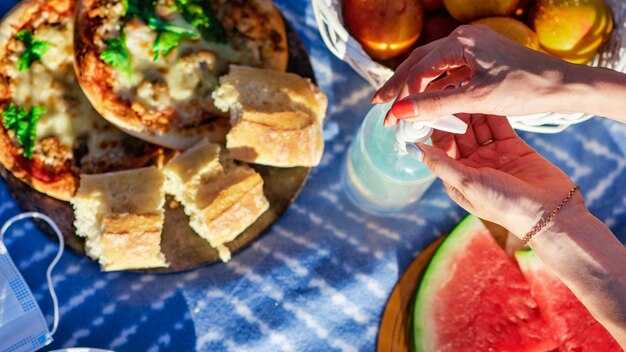
Start with a tomato croquette and a chilled glass of Assyrtiko; this tiny bite sets the tone for the day. On Santorini, you’ll see how sun, sea, and olive oil shape every bite.
Then move to grilled octopus with lemon, oregano, and olive oil, a staple that appears from the Ammoudi harbor to cliffside tavernas. Ask for it simply with olive oil and a squeeze of lemon to keep the flavors bright.
A classical Cycladic mash, fava, combines split chickpeas, onions, capers, and olive oil into a creamy spread. Its smooth texture bridges rustic and refined dining on the day’s menu.
Cheese lovers should seek out anthotyro or graviera, served with ripe tomatoes and rustic bread, or baked with herbs as a warm starter. Pair with a crisp white for balance.
Sweet endings include melitinia, a pastry often filled with cheese and lightly dusted with sugar, or honey-drenched loukoumades drizzled with sesame. Share a plate to compare textures and notes.
Practical tips: visit early in the day in towns like Fira or Oia, where small bakeries and tavernas showcase wood-fired ovens; look for fishermen’s signs and ask for freshly caught seafood. For drinks, try Nykteri or Assyrtiko; they complement citrus notes and sea breeze in the evenings.
Where to taste Santorini’s signature dishes: top tavernas and seasonal picks
Begin your Santorini tasting at Ammoudi Bay, where the small Katina Taverna invites you to savor ntomatokeftedes and grilled fish with a dramatic view of the caldera.
In Vlychada, To Psaraki delivers seasonal picks daily; their menu often features fava with capers and onion salad, plus a slice of xinomizithra for a tangy finish.
Selene in Pyrgos showcases ancient culinary roots with generous portions; order fava, xinomizithra, and kataifi while taking in the beautiful view from their front terrace.
Metaxi Mas in Exo Gonia delivers unique, small plates that highlight ntomatokeftedes and seasonal herbs; their front terrace offers a beautiful view of Santorini’s white houses climbing the hillside.
Seasonal picks appear across aegean tavernas: grilled octopus, fresh salads, and a golden finish on desserts; a bell rings at sunset as the volcano behind the town lights up.
Behind the harbor, a tiny brewery invites you to sample craft beer after a savory meal, a welcome break for visitors, often turning into pleasant evening activities.
This route helps you cover attractions and a few must-do stops in a single evening: ntomatokeftedes and fava to order, then kataifi as a sweet finish; the same friendly service their kitchens offer.
Tomatokeftedes, fava, and other tomato-based specialties: how to identify quality ingredients
Buy tomatoes at dawn from a trusted village stall, selecting small, firm fruits with a bright aroma and glossy skin. They should feel heavy for their size and have no soft spots. welcome to Santorini’s markets, where niki-owned stalls and quaint boutiques showcase goods that travel well to your kitchen. For tomatokeftedes and fava, quality starts here, with tomatoes that taste like the island sun.
For tomatokeftedes, grate or finely dice fresh tomatoes and press gently to remove excess juice. Use the pulp to bind the batter and balance juiciness with breadcrumbs if needed. A crisp crust comes from steady heat in a shallow fry with good olive oil, not from overcrowding the pan. If you pick very juicy tomatoes, add a touch more onion and parsley to retain structure. They pair wonderfully with a simple lemon-scented white sauce on the side, but let tomato sweetness lead the flavor. After a calm wander along a caldera path, you’ll enjoy the contrast between bright tomato notes and fried herb crusts, often in a quaint taverna near firostefani.
For fava, select dried yellow split peas or a locally milled blend, and rinse well. Soak overnight, then simmer with a modest amount of onion until they break down into a silky mash. Season with sea salt, a drizzle of extra virgin olive oil, and lemon juice to lift the natural sweetness. A touch of crumbled olives or capers can bring a briny lift without masking the base flavor. When plated, some cooks finish with a silken white sauce or a light olive oil drizzle. They enjoy the smooth texture, served alongside rustic bread in a village square where tourists tour scenic attractions and friendly locals share tips with guests.
Quality ingredients extend beyond the tomato and pea. Choose a medium-fruity, green-gold olive oil with a fresh aroma rather than a flat, nutty note. Salt should be flaky sea salt, not a chemical-tasting product. Herbs–parsley, oregano, and a hint of mint–must smell vibrant, not dusty. For those exploring Santorinis, olives from local grocers blend well with tomato-heavy dishes, and a small bottle of olive oil from a nearby producer can elevate many meals. This approach appeals to gourmets seeking sophisticated flavors that stay true to the island’s character, whether they are dining at a boutique hotel or joining a guided tour of attractions around Santorini.
When sourcing, visit the santorinis market clusters in and around firostefani and the adjacent villages, where some merchants offer samples to clients. Look for fresh-baked bread, mixed goods, and a few prepared items that illustrate the balance between tomato-based dishes and other island specialties. If you plan to cook for a reception, you’ll find chefs at boutiques showcasing tomato-forward plates that suit a refined palate. They emphasize clean tomato flavor, bright acidity, and a restrained oil finish–traits that define quality in this island cuisine. Thanks to careful selection, a simple tomato-based starter becomes a memorable gateway into Santorini’s gastronomic scene, with pano pannacotta desserts or other classics reserved for a sophisticated finish after a day of wandering churches and panoramic views.
| Aspect | Checklist |
|---|---|
| Tomatoes | small or cherry varieties, weight, aroma, color; no bruises; store at room temp away from direct sun; use within a few days |
| Fava base | yellow split peas or local milled blend; dry and clean; soak 8–12 hours; rinse; cook until creamy |
| Oils and fats | extra virgin olive oil with fruity profile; avoid refined oils; reserve for finishing and frying |
| Herbs and salt | parsley, oregano; fresh aroma; flaky sea salt; avoid stale seasonings |
| Accompaniments | light lemon, white sauce option, olives; ensure sauces enhance, not mask tomato flavor |
| Storage and transport | keep tomatoes separate from fava paste; refrigerate fava after cooling; bring to room temp before serving |
Cheese, meze, and wine pairings: navigating Santorini’s traditional bites
Begin with a crisp Assyrtiko and a soft kopanisti cheese plate; the mineral, salty kick cuts through the cream and primes your palate for what follows. Pair it with fava purée, cherry tomatoes, onion, and bell pepper relish to keep flavors exquisitely bright. When you visit Santorini, ancient vineyards cultivated on volcanic sand yield a refined culinary context, and a panoramic caldera view makes a simple wine-tasting session feel like an island getaway; this pairing offers a flavorful result that your senses won't forget, also inviting visitors to linger over other bites and savor exquisite contrasts.
Meze that pair well with wines
Beyond cheese, the meze trio of fava purée, melitzanosalata, and grilled octopus harmonize with the island’s crisp whites. The soft, nutty notes of graviera or kasseri baked until lightly molten complement a dry Assyrtiko, while a tangy onion and bell pepper relish keeps the palate refreshed between courses. For a sweet contrast, kataifi with sesame and honey provides an exquisite finish that still feels culinary authentic. The setting matters: a panoramic view over vineyards and the villages below, with churches dotting the hillside, makes the tasting feel relaxed and inviting. Visitors can dive into this sequence from a resort balcony or during a village getaway, letting other bites and the sea breeze guide the tempo of the evening.
Simple Santorini-style recipes to recreate at home
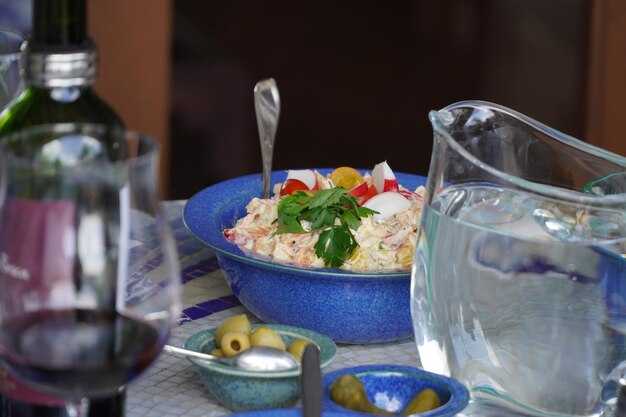
Start with Baked Feta with Cherry Tomatoes and Olives to elevate the flavors; it’s quick, beautiful, and instantly sets the table for a Santorini moment. After a coastal hike, gather goods at the market and bring island vibes into your kitchen.
You dont need fancy equipment; these dishes rely on a skillet, a baking dish, and a few pantry staples. Forget heavy sauces–local ingredients and a light touch reveal the mysteries of the island in a single bite, and you’ll witness how bright waters and sunlit herbs influence taste in one moment.
- Baked Feta with Cherry Tomatoes and Olives
- Ingredients: 200 g feta cheese block, 250 g cherry tomatoes, 2 garlic cloves, 2 tbsp extra virgin olive oil, 1 tbsp black olives, 1 tsp dried oregano, black pepper, fresh basil, parmesan flakes (optional).
- Method: Preheat oven to 200°C. Place feta in a small ovenproof dish, scatter tomatoes, garlic, and olives around it. Drizzle oil, sprinkle oregano, pepper, and basil. Bake 15–20 minutes until the tomatoes blister and the feta is warm; finish with parmesan flakes if you like. Serve hot with crusty bread or a simple greens salad.
- Tips: dont worry about perfection–the beauty is in the rustic presentation and the bright balance of acidity and brine. Time to table is about 25 minutes.
- Penne Santorini Style: Tomato, Olive & Feta Toss
- Ingredients: 300 g penne, 300 g cherry tomatoes, 2 garlic cloves, 2 tbsp olive oil, 60 g black olives, 1 tbsp capers, 1 tsp dried oregano, 100 g feta, fresh parsley, parmesan flakes.
- Method: Boil penne in salted water until al dente (about 9 minutes). Sauté garlic in oil for 30 seconds, add tomatoes and cook until saucy, 6–8 minutes. Stir in olives, capers, oregano, and a splash of pasta water. Toss with penne off heat, crumble feta on top, and finish with parsley and parmesan flakes for a delicate finish.
- Tips: usually a quick finish seals the flavors; witness how the feta melts into the sauce for a creamy texture without cream.
- Herb-Grilled Sea Bass with Lemon Potatoes
- Ingredients: 2 sea bass fillets, 400 g small potatoes, 1 lemon, 2 tbsp olive oil, thyme, oregano, coarse salt, black pepper.
- Method: Parboil potatoes 8–10 minutes, then toss with 1 tbsp oil, salt, and herbs. Grill fish brushed with oil and lemon slices on the grill or a skillet until opaque (about 6–8 minutes per side). Serve fish over warm potatoes with a squeeze of lemon and a drizzle of herb oil from the pan.
- Tips: this dish keeps the gentle coastal character; it pairs well with a simple cucumber-tomato salad and a glass of dry white wine.
- Cucumber-Tomato-Feta Salad with Red Onion
- Ingredients: 1 cucumber, 200 g cherry tomatoes, 100 g feta, 1/4 red onion, 2 tbsp olive oil, 1 tbsp lemon juice, oregano, black pepper.
- Method: Dice vegetables, crumble feta, thinly slice onion, and mix. Dress with olive oil, lemon juice, oregano, and pepper. Chill for 10 minutes to let flavors mingle; serve as a bright counterpoint to richer dishes.
- Tips: usually served chilled, this salad is a quick, fresh companion to any main course and accommodates allergies by swapping feta for avocado or skipping onion.
The Tomato Industrial Museum: exhibits, planning tips, and nearby culinary stops
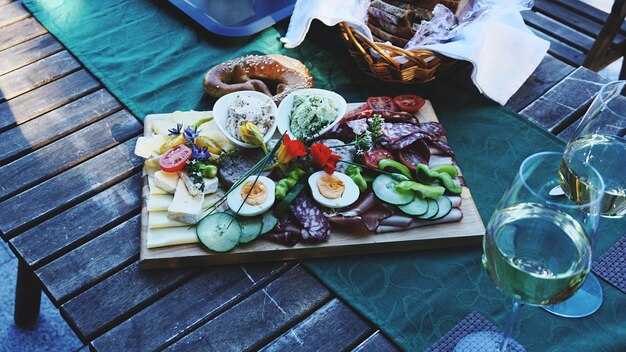
Start your visit at 9:30 to enjoy the front view of the museum and secure a comfortable pace through the galleries. Inside, exhibits trace the tomato's path from field to jar, with a vintage press, glass jars, and archival photographs that illuminate the work behind every squeeze and seal. The display wall blends those historic moments with modern tasting notes, offering a sense of place for Santorini's culinary heritage.
Exhibits show cultivation in volcanic soil, sun, and wind, then move to processing and packaging. You’ll see the early canning lines, a hand-cranked press, and labels that tell the same story in different decades. The sweetness of locally grown tomatoes shines in small tastings, while a mango vignette signals broader Mediterranean experimentation around the island. Those photographs capture captivating scenes of fields, markets, and coastal towns, and the accompanying captions make each image easy to follow.
Planning tips: reserve online if possible and aim for a mid-morning slot to avoid crowds. Take the short stroll around the front of the museum to a lookout with a picturesque view, then pick a route from the list at the front desk. Those who love photography will want time for close shots of the old canning equipment and the glossy labels. Around Santorini, pair your visit with a coffee at a kafenion, where a strong Greek coffee fuels those photo moments, or with a gourmet bite at a nearby tavern for a savory counterpoint to the tomato sweetness.
Nearby culinary stops: after the museum, explore a series of small eateries. Try a tomato-based starter and a beef dish that showcases the regional flavors, paired with a glass of local wine. For a lighter end, a seaside pastry shop offers a tomato mousse dessert (mpouse) to sample a playful twist on traditional flavors. The area around the harbor provides picturesque settings for taking photos, with water views and fishing boats serving as dramatic backdrops for your gourmet experience. If you want an active combo, book a kayak tour that begins near the shore and ends with a photo stop by the caldera.


