
Porto City Break - Why It's My Number One Choice in Portugal

Porto is my number one choice for a city break in Portugal. Start with a sunrise stroll along the Douro estuary, where the light glides across bridges and the Ribeira wakes to life. The night markets glow, and you feel this city is made for discovery because every corner holds a new detail to savor.
In Porto you’ll meet landmarks and bridges that define the skyline. For a tactile taste, go right to the cellars along the riverfront; tasting wines is a ritual you’ll repeat. Seek a private tour of a sandeman cellar and compare styles; their wines are jewels of the region. their notes dance on the tongue. The night view over the estuary, with lights across the water, feels like a living painting.
bonfim offers a quiet counterpoint to the river, and a half-day detour toward compostela adds a pilgrim thread to your Porto visit. Plan a second day with a private guide who can map a gentle circuit of riverside walks, hillside viewpoints, and a tasting room, with tips that help you know the best days for sun and shade.
Porto rewards with crisp wines, friendly people, and a compact mix of intimate corners and grand views. The night by the estuary feels electric as the bridges glow, and the cellars stay cool with the scent of old wine. Their stories, shared over a glass, invite you to keep exploring and to return to know Porto better with each visit.
Porto City Break: A Practical Guide to Portugal's Top City Break
Choose Porto for a practical city break that blends walkways along the estuary, a lively market scene, charming houses, and a unique atmosphere.
Base yourself on the right side of the river in Ribeira or Gaia and follow the line of old houses down to the water, where duoro boats pass under bridges.
On the second day, visit the market at Bolhão for fresh produce, then stroll the riverfront and pause at charming bars to sip wine and port.
For a natural side excursion, head to the paiva estuary or nearby coast, return by twilight, and watch the city glow from the water's edge.
For a different perspective, book a helicopter ride for a unique view of the city, duoro valley, and estuary stretching to the Atlantic.
To plan efficiently, choose a compact loop: start in Ribeira, cross the Dom Luís I bridge, then head to Gaia on the right side for wine bars and a sunset view.
Portugals jewels–markets, natural scenery, and tiny museums–invite you to slow down and savor every moment.
Porto has been a magnet for food lovers; if you’re curious about longer routes, a compostela trail nearby can be explored, and this trip could include a Compostela-connected thread.
Some routes around Porto touch the compostela tradition, adding a thread to your trip. Anything from a quick port tasting to a long walk along the walkways would fit your day simply and well.
Why Porto Is My Number One City Break in Portugal
Choose Porto for your next city break in Portugal because its compact center invites easy wandering from the Ribeira along the Douro to hilltop viewpoints, with natural gradients that reveal new textures at every corner. They say it's a city of lights at night, and you will feel it as you sip a glass of port by the river and watch boats drift by. Take your time, because none of the crowds spoil the charm when you stay in a private vila near the town center and follow a simple route that covers food, art, and views. That mix is ideal for a weekend city escape.
On a practical two-day plan, start with the central sights–Clérigos, Livraria Lello, and São Bento station–and finish with a sunset riverside dinner. Then cross to Vila Nova de Gaia for a private sandeman cellar visit. The tasting offers a flight that highlights the different ages of port and the distinctive taste that makes the drink memorable; the guide explains the aging process, which also suits journalism buffs who want context. The second stop can be a cheese board and a short walk along the quay, giving you a story you’ll share back home. Port does reward curiosity, and you'll leave with a richer sense of the region.
To extend your stay, consider a private day trip to the Douro countryside; this pilgrimage offers a structured experience with a winery visit, vineyard walk, and a tasting that highlights local fruit and almonds. The mountains frame the river as you return to the town, where you can drink something at a rooftop bar while watching the lights. For a lighter pace, rent a buggy along the riverside path and end the night with a final toast.
How to Organize Your Porto Trip: A Practical Timeline
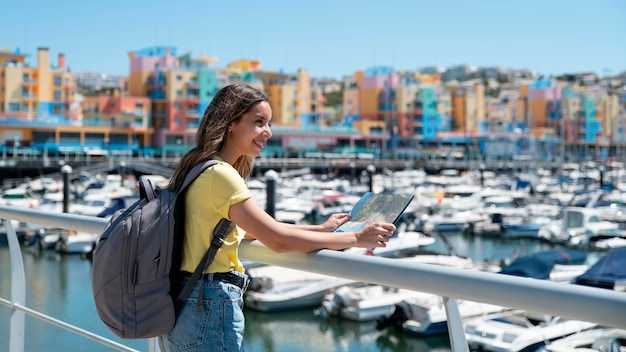
Book a catamaran ride along the Douro on Day 1 to anchor your Porto trip and lock in strong river views from the start.
Check in to a central hotel, then head to the Ribeira for a riverside walk. Cross the Dom Luís I Bridge for north-facing views, then enjoy a drink on a Gaia terrace and compare port styles with locals. theres a buzz in the streets and portugal shows its warm welcome in every corner.
Evening options include a must-see tasting route along the river, where you can try grilled sardines and craft bread while chatting with locals about hidden spots.
Day 2 centers on the core attractions: climb Clérigos Tower for sweeping city views; browse livraria Lello to see its ornate stair and stained glass; then São Bento Station to study azulejos. Take the historic tram toward the coast for fresh air and rock formations along the beach at Foz do Douro, then finish with a seafood dinner.
Evening options include watching the sunset from a rooftop and grabbing a right moment to enjoy a final drink before heading back to the hotel.
Day 3 offers a trip to guimarães in the north of portugal. A quick train from Campanhã takes about 50 minutes. In the medieval center, explore the Castle, the Palace of the Dukes, and the narrow lanes that reveal the town’s jewels; theres a well-preserved core with a lively cafe scene. If you have time, you can extend your trip with a walk along the hills and pass by lookout points, and discover more about the region.
If you have an extra day, consider a morning visit to Vila Nova de Gaia's coastline or Matosinhos for fish and a stroll along the coast. For a longer plan, head to the Douro Valley to see vineyard terraces and mountains, with a wine stop and views of river rock cliffs. Take a train back late afternoon to discover more of portugal.
Practical tips: check the transit policy for passes, and opt for a multi-day pass to maximize time. Chatting with locals helps you tailor routes and uncover anything you crave, from hidden cafés to intimate galleries. Always carry water and a light jacket; map out must-see attractions ahead, but stay flexible for last-minute changes in weather or crowds.
With this approach, your Porto trip will balance river views, city sights, and hidden gems, offering a deeper sense of north portugal scents and the capital's charms. Further planning helps you discover the jewels of portugal beyond the obvious routes, and you’ll return with stories to share in future chats.
What Makes Porto Second to None for a City Break
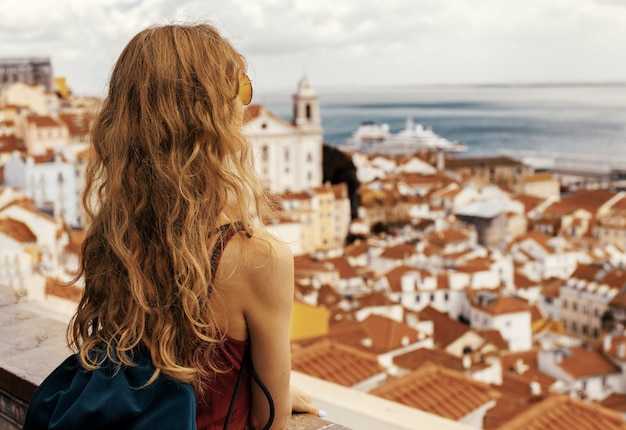
Begin with a Gaia cellars tasting and river views; this practical start makes Porto feel immediate and welcoming for a city break.
Wine, Cellars, and Personal Discoveries
What makes Porto stand out is the blend of caves and modern charm. In the cellars along the right bank you taste wines from Poças and other houses, and you can try Mateus as a nod to history. Between the town and the river, the atmosphere shifts from stately to lively, giving you room for discoveries and to delve into the craft. Chatting with guides and winemakers adds context you can carry back–their stories run through every bottle, just steps from the train line and the ancient walls. You can go further with a tasting flight that highlights Cabedelo terroir and the smoke of a well-aged wine.
Neighborhood Walks and Easy Day Trips
Bonfim buzzes with cafés, street art, and micro-restaurants, while the coastal side offers a relaxed break. Take a short train ride from the city center to Cabedelo beaches or to a wine town, then stroll back along the river; the route lets you feel Porto’s rhythm between river, rock, and ocean. The town’s class mix of heritage and modern vibes appeals to all, making the trip adaptable to any pace. This combination of urban strolls and adventure-filled detours creates a very enjoyable plan for your visit.
Porto Travel Guide: Key Routes, Day Trips, and Itineraries
Start with a sunrise stroll along the Ribeira, cross the Dom Luís I Bridge, and book a Douro estuary cruise for the first day.
-
Douro Valley scenic loop (Porto → Peso da Régua → Pinhão)
Distance from Porto: about 105–120 km one way; driving time 1.25–1.75 hours. Best in spring or early autumn when vineyards glow and temperatures stay comfortable. Plan a 8:30–9:00 departure, a 10:30 view stop at the river, a 12:00 boat cruise on the Douro (1.5–2 hours), and a 14:30 tasting at a cellar such as Fonseca or another family-run producer. Add a short lunch with a Bento-style box at a vineyard terrace. In Peso da Régua and Pinhão you’ll find jewels of the region’s terraced hills, perfect for photography and a relaxed pace. For a bite and more drinks, choose a riverside spot with estuary views. There’s room to roam, and they’ll be more than happy to tailor a route to your timing policy.источник
-
Porto city and estuary exploration (Ribeira → Gaia wine caves)
Duration: 4–6 hours. Start with the waterfront walk in the historic district, then ascend the Dom Luís I Bridge for elevated views of the estuary. In Vila Nova de Gaia, visit a few finest caves (Fonseca, Graham, or Cockburn) for a guided tasting. Include a light lunch or snacks with a local Portuguese drinks selection. The sign at the riverfront points to the best cellars, and many offer outdoor terraces where you can enjoy the breeze and the sights. If you’re choosing a shorter loop, stay in Gaia’s coastline and finish with sunset on the water. It’s a must-see balance of city texture and river calm, ideal for first-time visitors who want a compact, high-value route.
-
Guimarães and Braga historic day (cultural corridor)
Distance from Porto: 40–60 km; driving time about 1 hour. Begin in Guimarães, the cradle of Portugal, with the medieval center and the Palace of the Dukes. From there, drive to Braga to visit Bom Jesus do Monte and the cathedral–both iconic stops in the district’s historic fabric. Expect charming cobblestones, leafy hills, and a few mountain viewpoints along the way. It’s an excellent option for a day that blends architecture, faith, and history, with a mid-afternoon return to Porto for evening dining. They’ll appreciate the ease of this regional pair, which showcases two jewels of the region in one circle.
-
Aveiro coast and Costa Nova lighthouse route
Distance from Porto: 70–90 km round-trip; train or car both work well. Start with a canal boat ride in Aveiro to see moliceiros, then drift to the colorful striped houses of Costa Nova. Lunch on the coast features fresh seafood and regional whites, followed by a stroll along the estuary and salt flats. This route highlights estuary landscapes and the best of the coastal plain–perfect for a relaxed day with photographic opportunities and casual dining. To add a cultural twist, visit local markets for regional biscuits and the best bento-style lunch boxes in town centers.
-
Serra do Gerês jeep safari (mountains and waterfalls)
Best done with a guided jeep tour from Porto or Braga, 1.5–2 hours away. The route climbs into the mountains of Gerês, through pine forests, with stops at viewpoints and waterfalls. A jeep experience keeps pace with tight roads and yields access to trails not reachable by regular cars. It’s ideal for outdoors lovers and those who want to pair natural scenery with a day that includes fresh air, a few local snacks, and maybe a quick dip in a natural pool. If you’re visiting in spring or early autumn, you’ll enjoy cooler temperatures and vibrant greenery. A reliable option is to pair this with a lunch at a riverside tavern featuring local dishes and regional wines like Mateus Rosé and Fonseca vintages. There’s plenty of time to savor the moment and plan the next break. cabedelo
Weekly planners often mix these routes to cover both coast and interior. If you’re unsure which to pick, a balanced combination–Douro Valley, Gaia caves, and a mountain day–offers the finest cross-section of Porto’s surroundings. Regions around Porto suit a trip that blends city strolls, wine culture, and nature, with a comfortable pace for breaks and photos. For a compact three-day frame, use the Douro loop on day one, city and estuary explorations on day two, and a coast-and-marden day on day three, leaving a flexible slot to revisit a favorite spot or to add a jeep excursion if you love mountains. It’s a practical choice that keeps the schedule tight without forcing back-to-back long drives. There’s a steady rhythm to these circuits, and the districts you’ll pass have plenty of signposted stops so you won’t miss a must-see along the way. If you’re touring with a group, appoint a lead who can coordinate timings and keep the group moving smoothly–the choice will shape your experience and help you capture more moments.
Sample 3-day itineraries
- Day 1: Porto core + Gaia caves – Ribeira morning, Dom Luís I Bridge, Gaia cellars in the afternoon, sunset at the estuary; dine on seafood with a glass of a local white.
- Day 2: Douro Valley exacta – early drive to Peso da Régua, river cruise, lunch at a vineyard, wine tasting (Mateus Rosé or Fonseca), return via scenic overlook routes.
- Day 3: Aveiro or Gerês – choose Aveiro’s moliceiros and Costa Nova or a jeep tour in Gerês for a mountain day, finish with a relaxed dinner in Porto.
Practical notes to keep in mind: start early to beat crowds at the most popular viewpoints; in the wine cellars, reserve tastings in advance during peak season; for lunch, consider a portable bento-style box when you hike or drive between towns; in the estuary towns, bring a light jacket for sea breezes, and use the signposted viewpoints for safe stops. If you’re traveling with a responsive group, agree on a flexible policy for breaks and photo stops, and keep a single person in charge of timing. There’s no need to rush if you’re choosing a relaxed pace; the finest experiences come from enjoying the details–local conversations, a spontaneous detour to a charming corner, and moments that feel like a personal discovery. Always have a small plan for which regions you want to cover, and remember that a well-planned mix yields the most rewarding Porto travel experience. In the end, this guide aims to help you choose routes that feel natural for your rhythm, with a few real gems along the way–bridges, estuary light, and those memorable local flavors that stay with you after you’ve returned home. best
Need Accommodation: Best Areas to Stay and Typical Options
Best Areas to Stay
Stay in Baixa or Ribeira for your Porto visit; it puts you within a short walk of the Ribeira quay, Clérigos tower, and the riverfront, while letting you watch sunset over the Dom Luís I Bridge after a tasting of petiscos. This area is extremely walkable and ideal for sightseeing and learn fast about how the city fits together.
For a calmer pace, Cedofeita or Boavista offers quieter streets, design cafés, and easy transit to the center. Updated lists on portugals travel maps highlight boutique hotels and bento lunch spots here, often at friendlier prices, helping you save money while staying close to museums and parks.
Across the river, Vila Nova de Gaia delivers great river views and quick access to port cellars; you can return to Porto with a short train ride, then resume visiting and watching street music performances. The area suits part-day visits and long evenings alike, especially if you combine it with wine tasting and tours.
If you want a day trip, amarante makes a fantastic add-on: an easy train ride, historic bridges, and a chance to taste local specialties; many trips can be scheduled as part of a Discover Porto plan, with a ticket included in some packages.
When traveling with a buggy, pick ground-floor rooms or buildings with elevators in Baixa, and check access in Gaia or Cedofeita; this is being practical while you learn routes and stay comfortable. Prices update frequently, so check updated rates before booking to avoid a mistaken assumption about money and dates.
To keep your plan flexible, mix night stays in central areas with a couple of nights in Gaia or Amarante for a different rhythm and scenery; this approach lets you discover a broader array of landscapes and history while keeping costs reasonable.
Typical Options for Every Budget
Use a mix of boutique stays, guesthouses, and self-catering apartments; this approach gives you flexibility to taste the city’s history, port tastings, and sightseeing. On average, budget ranges run 70–120 EUR per night in Cedofeita or Gaia, 120–180 EUR in Baixa or Ribeira for river views, and 90–160 EUR in Boavista for modern comfort.
| Area | Why stay here | Typical options | Approx. price (EUR) |
|---|---|---|---|
| Baixa & Ribeira | Walkable to sights, riverfront sunsets | Boutique hotels, studios, apartments | 100–180 |
| Cedofeita | Quieter streets, design cafés | Guesthouses, small hotels, apartments | 70–140 |
| Boavista | Modern comfort, near Casa da Música | Business hotels, modern studios | 90–160 |
| Vila Nova de Gaia | River views, port cellars | Seafront hotels, B&Bs, apartments | 80–150 |
Why Read Our Porto Guide: What You’ll Learn and How to Use It
Begin with a practical two-day plan: Day 1 covers the Ribeira district along the river, with a stop at the livraria Lello and a break for vinho at a riverside cafe; Day 2 moves to Cedofeita and Boavista for museums and street life, then a coastal push to cabedelo for fresh air. Reserve tickets online for key museums and for the livraria visit to save money and skip queues. Use the guide to decide what to see in what order, and note opening hours and time needed so your trip stays efficient. The источник points to hidden spots locals love, offering another layer of discovery beyond the usual picks. Discover more about hidden corners and how locals structure a day, then pick a plan that fits your pace and region highlights.
What you’ll learn
You’ll see which tickets to buy in advance, how to pair a livraria visit with a museum stop, and where to watch the city wake up and wind down. The guide highlights notable museums, a few district pins, and a handful of places where you can sip vinho while the street scene buzzes. It covers money-saving tips and the best times to visit so you avoid crowds and still cover the must-see spots in one trip. Discover how neighborhood atmosphere shapes decisions about where to linger and where to move on.
How to use it
Keep this guide handy on your phone or a printed sheet, check tickets ahead of time, and take notes on what you like most to tailor a trip. If anything changes, swap a plan and keep your pace. If rain arrives, swap a museum stop for a quick look at a livraria and a café with rock playlists; if the sun shines, linger along the riverbank and cabedelo for fresh air. Use the district map to take a short walk between places, observe the houses and their doors, and plan a break at a local spot that serves vinho alongside small plates. With these steps, Porto becomes a well-paced, money-smart trip rather than a packed rush.
Porto Top Activities: Sample Day-by-Day Experiences
-
What to take on this trip? Start with a livraria visit and a riverside stroll that leads to Sandeman cellars for a glass of wine.
- Visit a livraria to browse design and travel titles.
- Stroll along the Ribeira and cross to the Gaia side for a view of the Douro.
- Visit Sandeman cellars and learn how the region shapes its wine.
-
Day 2: Jeep adventure into the Douro mountains
- Jeep ride through the mountains of the region, with stops at viewpoints and a quinta for a wine tasting.
- Explore hillside cellars and discover what makes the wines here distinctive.
- Return to Porto for a well-deserved dinner of local cuisine.
-
Day 3: guimarães and amarante, must-see towns on a scenic day trip
- Visit guimarães' medieval center and climb the hill to the castle for sweeping views.
- Stroll amarante's riverside, cross the São Gonçalo Bridge, and sample regional cuisine.
- Youre in for a contrast with lisbon, yet equally vibrant and rich in life.
-
Day 4: Bolhão market to finish with Porto flavor plus a final wine toast
- Morning at bolhão market to observe local life and sample fresh produce.
- Drink a glass of white wine or vinho verde and savor a well-balanced meal.
- Always something fantastic to remember, rounding out your trip with a visit to a livraria or cafe.
If youre planning a longer trip, you might add a quick lisbon extension to contrast Porto's energy with coastal districts.


