



 Русский
  English (UK)
  العربية
  日本語
日本語  한국어
한국어  Magyar
  Türkçe
  Español
  Čeština
  Svenska
  Português
  Ελληνικά
  Suomi
Suomi  Nederlands
  Română
  Italiano
  Français
  Polski
  Українська
  Deutsch
  简体中文
简体中文  Slovenčina
 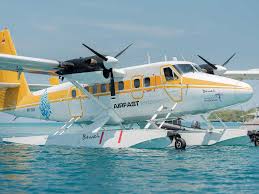 Gujarat advances plans for seaplane manufacturing, waterdrome routes and operations">

Gujarat has initiated feasibility studies for seaplane corridors connecting Ахмадабад с Dharoi, Сомнатх и, конечно же, Дварка, while aligning its revised civil aviation policy to the Union budget’s incentives for indigenous seaplane manufacturing and a proposed VGF (viability gap funding) scheme.
Policy shifts and manufacturing incentives at a glance
The Union budget announced incentives to indigenise seaplane manufacturing and create a dedicated VGF to boost last‑mile and remote connectivity. Gujarat’s civil aviation policy, currently under revision, will add provisions to promote local production and designate locations around ports for potential seaplane manufacturing units. The state intends to offer special incentives to attract investment and expedite approvals.
Targeted route revival and infrastructure status
Alongside manufacturing incentives, the state government plans to revive seaplane connectivity with several high‑demand circuits. A decision has been taken to propose 3–4 routes and undertake site‑specific studies so Gujarat can be implementation‑ready when central VGF support becomes available. One earlier pilot, the Ahmedabad–Ektanagar service, was launched on October 31, 2020 but suspended in April 2021 after a brief run. The state reports about Rs 19 crore spent on that project, and waterdromes were constructed at the Sabarmati riverfront in Ahmedabad and at Ektanagar.
| Маршрут | Current status | Key considerations |
|---|---|---|
| Ahmedabad – Dharoi | Under feasibility study | Water availability, docking, last‑mile road links |
| Ahmedabad – Somnath | Proposed | Tourist demand seasonality, weather windows |
| Ahmedabad – Dwarka | Proposed | Port perimeter sites, marine approvals |
| Ahmedabad – Ektanagar | Suspended since 2021 | Operator viability, pandemic impact, operator contracts |
Operational challenges and logistics
Seaplane operations combine aviation and marine regulations. Licensing, certified waterdrome maintenance, pilot training, and safety checks will be prerequisites. The state must coordinate port authorities, coastal regulation zones and civil aviation regulators to ensure seamless operations. For manufacturers, supply‑chain logistics—sourcing components, skilled labour and testing facilities—are critical factors that policy incentives aim to address.
Ground connectivity and last‑mile integration
Seaplane services change the profile of first‑ and last‑mile transfers: passengers disembarking at waterdromes will need reliable road transfers to city centres, airports and local attractions. Effective scheduling, clear signage at waterdromes, and integrated ticketing will reduce transfer times and passenger confusion. Private transfer providers and taxis can expect new demand spikes around scheduled seaplane arrivals and departures, while operators will have to manage luggage handling and shuttle coordination.
- Passenger considerations: weather delays, luggage limits, safety briefings.
- Operator tasks: docking procedures, marine insurance, crew licensing.
- Infrastructure needs: fuel handling, passenger lounges, emergency response.
- Commercial factors: fare setting, VGF eligibility, seasonal pricing.
Economic and tourism implications
If implemented, seaplane manufacturing and operations could create clusters of aerospace and marine services around Gujarat’s ports, generating jobs and diversifying local suppliers. For tourism, quicker point‑to‑point access to religious and coastal destinations may boost short‑stay itineraries and weekend travel. However, global impact is likely limited unless similar policies scale across major coastal states—still, regionally this is material for transport planners and transfer companies to monitor.
Highlights of the plan include targeted route revival, manufacturing incentives, and port‑area site selection; however, feasibility hinges on operator interest and timely policy rollout. Even with well written plans and positive reviews, nothing replaces personal experience—prospective passengers will best judge convenience and value themselves. On GetTransfer, you can hire a car with driver from verified providers at reasonable prices. This empowers you to make the most informed decision without unnecessary expenses or disappointments and to choose vehicles by make, model and rating, ensuring exact match to your needs. Book your Ride GetTransfer.com
In summary, Gujarat’s push to pair seaplane manufacturing with operational circuits could reshape regional connectivity by adding a waterborne layer to aviation and ground transport networks. The logistics puzzle spans licensing, waterdrome readiness, route economics and ground transfer integration. For travellers and transfer services—taxi drivers, airport shuttle operators, limousine and private seater companies—the changes mean new pick‑up locations, adjusted fares, and opportunities to offer combined services via an app or direct booking. Pricing and how much to charge for combined transfers will depend on exact locations, travel time, vehicle type, seat configuration and license requirements, but the potential for convenient, affordable intercity and airport links is clear. GetTransfer.com supports this shift by making it simple to get a car and driver for connecting legs, compare prices and vehicle options, and book transfers to and from waterdromes with transparency and ease.
Комментарии