Rome's Top 13 Monuments and Attractions for 2025 - Ultimate Guide
Begin your 2025 Rome itinerary with a tight, three-day loop focusing on the Colosseum, Forum, Pantheon, and Trevi Fountain, which is ideal for a first approach. This setup keeps you in the epicenter of rome's history while avoiding peak heat and long lines.
In this guide you’ll find a mix of iconic arches, majestic temples, and historic piazzas. The epicenter of rome's story sits around the Forum and Palatine Hill, with the Colosseum nearby and the circus Maximus a short stroll away. Descend into underground layers at the Basilica di San Clemente and explore catacombs along the Appian Way. Expect italian energy in street markets and a few trips to the Lazio countryside to balance city highlights.
For evening hours, head to Trevi Fountain, Piazza Navona, and the Spanish Steps, when lights shimmer and the streets feel alive. A stroll to the Capitoline Terrace offers a privileged view over the city, and you’ll sense the feel of rome in each narrow lane where an artist works and the rooms fill with creative work.
Plan day trips from central Rome to Tivoli’s Villa d’Este and Hadrian’s Villa, Ostia Antica, and other trips into Lazio. Book timed-entry tickets for the Colosseum complex to save hours, and map a route that starts early and ends with sunset views above the city. Let the day lead with a balance of outdoor monuments and indoor museums to beat the heat.
This core sequence keeps pace, anchors you to the historic core, and gives you evening moments with views over Rome that feel majestic. In lazio travel, you’ll find easy connections to hidden corners, quieter churches, and local dining that will make the empire echoes feel real.
above all, pace and shade matter. Move between outdoor monuments and indoor galleries, and let the italian rhythm guide you from sunrise to evening moments, so your 2025 Rome experience feels authentic and rewarding.
What is the practical 2-day route to cover Rome's Top 13 Monuments and the 14 Arcibasilica di San Giovanni in Laterano?
Begin with Colosseum as your anchor and book skip-the-line tickets to save precious time. These archeological treasures literally set the pace for a two-day itinerary that would please any history buff. If you prefer a relaxed pace, consider a bike for the longer stretches between Pantheon and Trevi, but walkable segments keep the pace human on busy mornings.
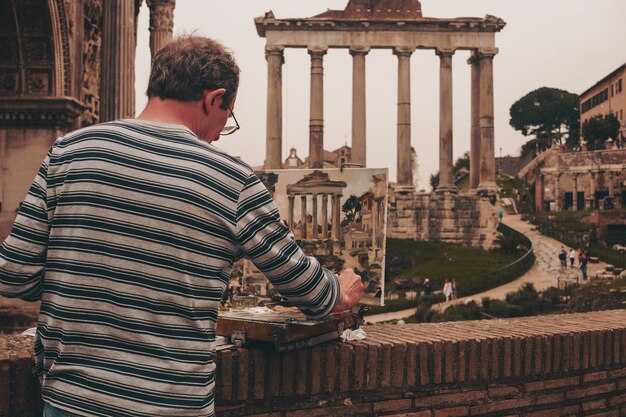
Day 1, morning: Colosseum, Arco di Costantino, and the Forum Romanum frame your first hours. The Palatine Hill ascent offers sweeping views across roves of ruins and the domus of empires long past. You should allow about 3 hours here to soak in the layout, gate positions, and the torre-like remnants that crown the hill. These sites form the core of your destination and are named in most itineraries as essential archeological stops.
Midday stroll: Pantheon and Trevi Fountain form a logical arc. The Pantheon’s oculus literally opens skyward over a broad marble nave, while the Trevi Fountain rewards a coin toss and a moment of quiet reflection amid the market chatter around nearby streets. These fountains anchor the center of town and are a perfect break point before you loop toward Piazza Navona and Castel Sant’Angelo.
Afternoon on Day 1 focuses on Piazza Navona and Castel Sant’Angelo. The Fountain of the Four Rivers sits at Navona as a monument to Rome’s Baroque imagination, and the Sant’Angelo gate marks a sacred approach to the river. If you’re feeling energetic, add a short climb to the top of the fort’s torre for a panorama that pairs Neptunian statue vibes with old bridges crossing the Tiber. The rest of the day can close with a stroll through the Spanish Steps area, where you might spot the name of local artisans and a few benedictine cloisters tucked along side streets.
Day 1 wrap includes Capitoline Hill and the Museums. The square delivers a masterclass in Roman visual culture, and the terraced views over the Forum are a must for any photo‑rich itinerary. You’ll cross paths with archeological remains that line the hilltop and mirror the council chambers that once guided civic life in ancient romes.
Day 2, morning: Arcibasilica di San Giovanni in Laterano. Begin at the holy Archbasilica–the official seat of the papal cult in Rome and a cornerstone of the sacred district. This venerable site anchors the morning, and the surrounding Lateran complex offers a quieter counterpoint to the day’s bustle. From here, you can stroll toward San Pietro in Vincoli or Santa Maria Maggiore for additional “named” churches if time allows.
Midday segment: Vatican Museums and St. Peter’s Basilica are the centerpiece of the afternoon. The route guides you through iconic corridors of art and sacred spaces, culminating at the holy Basilica. Take a break to absorb the atmosphere and consider a rooftop view from the dome–the climb is long but worth it for the panorama that sweeps across roped-off domes and distant hills. If you prefer to keep the pace steady, allocate a longer window for the museums and a shorter one for the basilica.
Evening option: complete the two days with a final stroll toward Castel Sant’Angelo, where the river’s edge and the Sant’Angelo bridge blend with myth and history. If you’re lingering near the river markets, you’ll notice the aroma of fresh market produce and a line of statues and fountains that remind you why romes is literally a gallery of living history. This would be a natural end point for many visitors, a destination that aligns with a sacred sense of place and the city’s military of stories that guard its gates.
Practical tips to maximize the route:.Book timed entries where possible for Colosseum and Vatican attractions, and use a bike for the longer central segments to speed up transitions. The Itinerary embraces these 13 monuments plus the 14th Arcibasilica di San Giovanni in Laterano, and it should be doable in two full days with smart pacing. In the morning, plan to arrive at major sites before crowds form, and in the afternoon, target smaller monuments or quiet squares to balance the day. If you’re traveling with a Benedictine calm or with kids, factor in longer rests in Piazza Navona or near the market squares to keep energy steady. This approach makes Rome feel manageable rather than overwhelming, turning a dense list into a memorable, family-friendly route that highlights both the sacred and the archeological treasures of the city.
How to obtain timed-entry tickets and skip-the-line options for the 13 sites plus the basilica in 2025?
Book all timed-entry tickets through the official portals well in advance and pick the earliest available slots. Colosseum, Forum and Palatine Hill use a combined timed-ticket model on CoopCulture; aim for the 08:30–10:30 window, then you can stroll across to the Forum without waiting in two separate lines. The aurelius statue near the Forum reminds you you’re stepping into antica Rome, so plan accordingly.
For the Vatican buzz, start with the official Vatican Museums ticket site. Online booking is mandatory, and you’ll select a specific date and time for entry; Sistine Chapel access is included with the Museums ticket, so you get skip-the-line potential by joining a guided or small-group tour that uses pre-assigned entries. If you’re chasing Michelangelo’s masterpieces and the Pietà, the earliest morning slots tend to have the light and fewer crowds, and the crowds can be a thing of the past for the first hours of the day here.
Borghese Gallery operates with strict timed slots, so reserve weeks or even months ahead at galleriaborghese.it. Expect a two-hour window when you enter the park-side villa; this is a chance to see pieces by masters as you walk through rooms that feel like a curated domus from another era. If you arrive on a warm day, grab a quick gelato nearby and head inside for the quiet, air-conditioned halls and art that has survived the test of time.
Castel Sant’Angelo offers its own timed-entry tickets on its official site; you’ll get orderly access and great views of Rome from the terrace. The same pattern applies to Capitoline Museums (museicapitolini.org): book a time slot to minimize lines and maximize time with the star works in a setting that speaks of ancient agora and early republics. Across these sites, you’ll often find combined passes or guided options that provide skip-the-line access, which is worth it if you’re juggling a tight itinerary.
For the Pantheon, plan as a free-entry site with no standard timed-ticket requirement; lines can be long during peak hours, so consider a small-group tour that enters via a dedicated entrance to shorten the wait. St. Peter’s Basilica operates on a free-entry basis with security screening rather than a fixed entry window; this is where a guided tour that includes a dome climb can skip-line elements and give you Michelangelo’s and Bernini’s legacies in one go. If you want to see the dome, book a Dome climb ticket in advance and use the priority access that some tours provide, which cuts through common bottlenecks near the nave and the chapels.
Capitoline complex, Borghese Gallery, Castel Sant’Angelo, and Vatican-related sites are best planned around a simple rule: choose a morning or late-afternoon slot when possible, avoid weekends when crowds spike, and pair two or three sites per day with built-in breaks in between. In markets and on streets here, you’ll notice the rhythm of life–locals chatting, vendors calling out prices, and the smell of fresh gelato inviting you to pause and breathe the city’s energy. If you’re exploring near Piazza di Spagna, consider a quick detour to Trinità dei Monti for a view over the streets; the steps are an iconic pause between a few planned site visits.
To maximize time, map a route that connects a few adjacent sites and minimizes backtracking. For instance, after visiting the Colosseum you can walk through the underground levels of the Forum to sense the ancient markets and the workshop spaces where artisans once worked. The views from the Palatine Hill offer a panorama that covers hilltop remnants and the city’s bread-and-butter tracks where people and animals once moved through the streets, a small taste of how life looked across the ancient city. A morning start lets you beat heat and crowds, so you can feel the pulse of antica Rome and still have energy for later in the day–perhaps a stroll along the river with a boat ride, or a casual espresso and gelato stop near the Trevi Fountain.
Be mindful of the Domus area near the Colosseum for a different kind of adventure: you may find underground rooms or backstreet tours that reveal hidden pieces of history, including the Salvi family’s connections to certain civic structures in this district. If you want a broader arc, this article suggests pairing the core sites with a few adjacent experiences–a quick walk across the river to Trinità dei Monti and a sunset look at the starry skies from high viewpoints above the city. The aim is to balance time-at-location with the chance to breathe, to enjoy a quiet moment, and to sip a cup of hot espresso while watching the city unwind after a long day.
Finally, check each site’s official page for the latest booking windows, price ranges, and special access like early-entry programs or after-hours tours. Prices and rules shift with seasons, but the strategy stays the same: book ahead, pick a logical sequence, and use skip-the-line options when they fit your budget. This concrete approach helps you cover the 13 sites plus the basilica in 2025 with fewer holds and more chances to savor the views, walk the avenues, and take home memories from Rome’s living history–from the Domus and the Forum’s remnants to Michelangelo’s chapel-influenced spaces and the quiet corners behind ancient walls.
When to visit: optimal hours, days, and seasonal windows for each site in 2025?
Plan Trevi Fountain visits for 7:00–9:00 a.m. on weekdays in spring or fall to enjoy the smallest crowds, then return after 4:00 p.m. in warmer months for a golden glow on the orange-hued stones. A calm start gives you first access to the square, making it feel like a private moment with the masterpieces around the fountains, and you avoid the busiest window when most tourists throw coins and take photos.
For Palatine Hill and the surrounding Capitoline district, choose 8:00–11:00 a.m. on weekdays. The open-air paths reveal distant views over the Forum, offering a sense of throne-like panorama over Rome’s rich heritage. In middle-summer, late afternoons stay cooler, but mornings still hold the quieter air and easier photography near the side stairs and terraces.
Domitilla Catacombs reward early planning: target a morning slot between 9:00 a.m. and 12:00 p.m. on Tuesday–Saturday. The underground galleries feel more intimate before larger tour groups arrive, letting you imagine the early Christians who used these tunnels as quiet passageways to treasure-filled chapels and simple prayer rooms. Because the site is outside the core historic center, combine it with a nearby excursion along the Appian Way to extend the opportunity in a single day.
Pantheon visits shine in the early hours as well: arrive around 8:30–9:30 a.m. on weekdays to experience the domed space without the day’s biggest crowds. The first light on the oculus brings a soft beam across the interior, highlighting the marble and the smallest details carved by ancient hands. If you prefer a livelier mood, late afternoon arrivals still work, when the surrounding streets fill with life and the nearby theater vibes echo from the area’s long-running performances.
Colosseum and Roman Forum timing centers on an early start. Book an 7:30–9:30 a.m. slot when lines recede and the ancient stones feel intimate. The middle of the day grows crowded, but a late-afternoon stroll through the Forum gives a different texture–the sun angles across arches and columns, and you’ll catch a final glimpse of treasures set against the lingering glow of sunset. For a complete experience, pair this with a walk along the adjacent side streets where marble and brick tell the order of Rome’s imperial era.
Piazza Navona, the surrounding fountains, and the Teatro di Marcello area shine best in mid-morning light. Plan a 9:30–11:30 a.m. window on weekdays. The orange glow over the fountains and the chance to observe nearby street performers–think comedians and performers in open-air spaces–creates a lively yet relaxed scene. If your schedule allows, a post-lunch stroll pays off with a cooler breeze and a more measured pace as you time your throws toward the nearest treasures around the square.
Capitoline Museums follow a simple rhythm: Tuesday, Wednesday, and Thursday mornings from 9:00 a.m. to 12:00 p.m. tend to be quieter than weekend afternoons, when crowds and guided groups peak. The collection sits in a position of power on the hill, with rich works that pair well with the surrounding views of Capitoline and Palatine. Plan your visit to finish on the side of the hill for a scenic overlook before you leave the area.
The Theater area around Rome’s ancient streets benefits from a steady morning cadence. If you crave a steady pace, aim for 8:30–10:30 a.m., especially in shoulder seasons. This rhythm keeps you ahead of the largest groups and places you in the center of a living, walking gallery of heritage and street-level performance that feels almost like a private show.
Seasonal windows and practical tips
Spring (March–May) and autumn (September–November) offer the most comfortable temperatures and the smallest crowds for outdoor spaces near Trevi, Palatine, and Navona. Shoulder seasons also reveal the orange-washed skies that photographers love and give you more time to explore the nearby treasures without rushing.
Summer (June–August) brings longer lines at outdoor sites; prioritize early morning or late afternoon slots, and consider shaded routes through nearby streets when you plan longer walks around the palatial hills and open-air viewpoints. Use these windows to visit interiors–like Capitoline Museums and Domitilla–during southern afternoon heat, then step outside for fresher air in the cooler evenings.
Winter (December–February) reduces daylight hours but often lowers crowds, making it a good time to lock in morning slots at Pantheon, Trevi, and the Roman Forum complex. Weekdays tend to stay quieter than weekends, giving you more space to study the architecture, imagine the past, and linger in places where even the smallest details tell a long story.
To maximize continuity across the sites, pair a first-thing morning visit to Trevi with a mid-morning stroll to Palatine and Capitoline viewpoints, then finish with a late afternoon walk along fountains like Navona and the nearby orange-tinted facades. This order keeps the pace relaxed while letting you capture the series of scenes that define Rome’s heritage–the throne-like views, the fountains, the statues, and the tiny details that make each site a timeless treasure.
Which transport and accessibility tips help you move efficiently between sites while staying comfortable?
Start with a single daily transit pass and map a step‑free loop that clusters major sights by neighbourhood. Use Metro B from Termini to Colosseum, then walk across the Forum to the Curia area, and finish near Pantheon; this reduces stairs and keeps you moving at a steady pace, even on Saturday crowds.
- Route clustering: Termini → Colosseum (Metro B) takes about 5–7 minutes; Colosseum to Pantheon is a 20–25 minute walk on flat pavements with frequent seating along the way. If you need a break, low‑floor buses offer smooth transitions without extra standing.
- Accessibility checklist: prefer stations with confirmed lifts; Termini, Ottaviano, and Cavour offer better step‑free access, but always verify status on the day. If a planned station lacks access, switch to the nearest accessible interchange to keep the undertaking comfortable.
- Timing and hours: begin at first light and use late hours for night viewing around well‑lit squares; plan for roughly 6–7 hours between major clusters and schedule cafe breaks to rest and refresh.
- Detours for shade and variety: add a detour to the doria park area near Villa Doria Pamphilj for a cooler, scenic break between blocks of sights; the longer, flatter route helps you survive long days without fatigue.
- Urban landmarks and routes: walk a torre‑adjacent stretch near central squares to enjoy unique views and avoid busy backstreets; a short climb is optional, and you can hold onto railings for balance if needed.
- Safety and comfort: wear comfortable shoes, carry water, and choose a steady pace over speed; during peak hours, sit during line closes and use nearby cafes to reset before continuing.
- Historical notes and context: originally routes followed chiari streets linking the Curia, tombs, and major churches; this helps you orient yourself as you cross across neighbourhoods, with occasional references to figures like Severus, Constantine, and Benedict along the way, adding a human touch to your walk.
- Practical planning: aim for clusters that include the tombs and grave markers near Capitoline Hill, then pivot to St. Pietro (pietro) sights; this keeps you moving across major sights with minimal backtracking.
- Cultural rhythm and breaks: plan a few cafes along the way to enjoy Italian coffee and pastries; these pauses help you stay energized for a longer day of sightseeing around the major squares, parks, and historic sites.
- Night hours and safety: after hours, rely on night buses for longer hops and stay on well‑lit routes around the neighbourhoods; keep personal belongings close and stay in groups when possible.
- Contextual notes: the undertaking of routing can reference unique points like the Curia, tombs, and tomb markers, and even mention Damascus as a distant, historical thread in trade routes; these touches deepen your understanding while keeping the plan practical and compact.
- Iconic anchors and accessibility: if you’re chasing major sights near the park and a torre landmark, plan a loop that stays within comfortable walking distances and uses accessible segments of the metro to avoid unnecessary standing.
- Final flexibility: if you’re coordinated with a guide or an architect’s map, you’ll maximize efficiency and reduce fatigue; this keeps you focused on the original aim–to experience the Italian atmosphere and the major sights from a comfortable vantage point without rushing.
If you’d like, I can tailor a concrete 1‑day transport plan for a specific Saturday, detailing a step‑free route between sites and suggesting cafes along the way to keep you energized.
What to see inside each monument, with must-see highlights, photography rules, and dress codes for the 14 Arcibasilica di San Giovanni in Laterano?
Begin with a concrete rule: dress modestly (shoulders and knees covered) and arrive at opening to discover the interior’s calm before the crowds fill the area. The structure spans centuries and blends romane restraint with baroque flourish; floors of polished marble line the nave and guide you toward the heart of the space. The papal office influence remains visible in the ceremonial throne, inviting your eye to the canopy over the main altar as if drawn by an artist. Those lines and the bars along the side aisles frame treasures tucked into the chapels, where frescoes and paintings narrate belief across eras. Behind the main sanctuary, senatorio romane motifs echo the city’s long memory, while the insula-like arrangement of rooms around the central nave reveals how those centuries evolve into the present. The giant structure stands as a bridge from romane foundations to empire-era ornament, with octagonal ceilings and Saturn-like medallions that enrich the baroque language. Among the smallest details you’ll notice carved reliquaries, inscriptions, and the mausoleum-inspired spaces that whisper of those who shaped Rome. This discovery invites you to draw yourself into the scene, recognizing how those spaces were built to function as both worship site and public monument, a legacy that continues to evolve with every visitor. October light can gently highlight the floors and frescoes, offering a moment to compare etruscan roots with later romane and baroque layers. Those features–paintings, treasures, and the nave’s vast structure–compose a coherent story of Rome, guiding you from the innermost chapels to the grand exterior arcades.
Must-see highlights inside the 14 Arcibasilica di San Giovanni in Laterano
Particular highlights include the papal throne’s ceremonial prominence and the canopy that anchors the main altar, both key markers of the office’s continuity from ancient empire to modern Rome. The parade of frescoes and paintings across the chapels tells the belief story with rich color and motion, while the floors and columns demonstrate the romane craft at its finest. Look for the largest, most dramatic views where the baroque touches meet the old foundations–these are the treasures that connect those centuries with today. Behind the main sanctuary, the senatorio romane inscriptions and the subtle mausoleum references remind you that history resides not only in the visible art but in the terrain and layout itself. Among the side chapels, the smallest details reward careful study: sculpted frames, inlaid patterns, and inscriptions that reveal how the structure served its original function and how it continues to welcome visitors who want to discover Rome’s layered story. The insula-inspired floor plan guides your steps through a giant, coherent site that has evolved while preserving its core identity.
Photography rules and dress codes
Photography is allowed in many areas, but follow signs that restrict flash and tripods, and avoid blocking doorways or disrupting ceremonies. Do not copy protected artworks for commercial use; if in doubt, seek permission and respect copyright. Use only your own device for personal capture, and keep a respectful distance from liturgical rites and worshippers; crowds should be kept at a gentle distance. For dress, shoulders and knees must be covered, hats are not allowed indoors, and comfortable footwear is advisable for navigating long corridors and marble floors. October visits can bring changing light patterns–time your shots to the hours when the sun skims the aisles for dramatic interior tones. Bars and railings around the sanctums remind you to stay back from protected zones, and the space behind the main altar should be respected as a working sacred area. This space functions as a place of prayer and public memory, so keep voices low, move slowly, and photograph with restraint to preserve the atmosphere for everyone who visits.