
Manila Airport Taxi Guide - Types, Fares, and How to Avoid Scams

Always choose official counters at NAIA and insist on a running meter or fixed-rate fare to your destination. Outside the arrivals halls, unlicensed drivers may offer higher quotes, and security concerns rise. Use the airport desks to secure a licensed taxi, get a printed fare guide, and walk away from any offer that lacks clear identification. If you want a quick reference, I recommend sticking to these desks every time.
There are three main options: metered taxis from the queue, app-based rides, and airport shuttle desks at the terminals. Most travelers prefer metered cabs for short hops into Pasay or Makati, but if you head to Taguig or Araneta Center (araneta), a ride-hailing car often provides a more predictable price and a smoother payment flow. Pickup areas are usually covered to shield you from rain, and the driver should have the app or meter visible. If you need to walk from the terminal to the pickup area, follow the signs to the official queues.
Fare expectations: central-city trips typically run in the few-hundred-peso range, with longer hops toward Taguig or Ortigas edging higher due to traffic and tolls. If you travel to Batangas or beyond, a pre-arranged van or private transfer is usually more cost-efficient and comfortable, avoiding a long, uncertain taxi ride. For daily budgets, keep a pocket-friendly plan and avoid extra charges by sticking to the meter or a fixed-rate desk. Carry small denominations to avoid problems with change.
To avoid scams, verify the driver's identity and car plate before starting, and confirm the fare with the meter or fixed rate at the desk. always double-check the fare before you sit. Use the official ride or meter reading as the truth; if the route looks off, check your GPS and ask to stop safely or cancel. Always request a receipt and, when possible, photograph the plate for your records. In the queue, stand with your luggage in front of the security desk and stay in the well-lit area to avoid crowded, poorly lit situations along streets outside the terminal; this makes a quick exit easier if needed.
In this century, use a simple model: planning helps you stay on track. Know the main corridors and the streets that connect NAIA to central districts. valle areas are common targets for trips; araneta and taguig are frequent endpoints; these paths usually offer multiple options and a steady pace. Expect traffic patterns to shift with peak hours; if you walk through the covered walkway to the pickup zone, you reduce exposure to rain and confusion.
Types of Taxis at NAIA: Official Airport Cabs, City Taxis, and App-Based Services
Choose Official Airport Cabs as your first option on arrival. They are licensed, operate inside the NAIA arrivals hall, and offer flat-rate structures to common zones, which makes your ride predictable and smooth from the start. This option gets you from the hall to the plaza quickly, with clear bills and no surprises. If your plan includes a longer transfer to Valle or Silang, ask for a pre-arranged rate to avoid back-and-forth. You arrive at your hotel more easily and with less stress.
Official Airport Cabs
Official airport cabs are stationed near the arrivals hall and plaza. Look for the official markings and ask for the rate card; these rides are licensed and typically use flat rates to common destinations, which helps you plan transfers without surprises. If a meter is used, verify the fare before starting; in both cases you’ll receive a receipt, so the Bills are clear after each ride. The service is designed for fast handoffs inside the terminal and easy access to the curb, even when the hall is busy.
City taxis line up outside the arrivals area, typically along the curb near the arrivals plaza. They are licensed and can be cheaper if you want to pay by meter. Expect busy lines during peak flight times; look for official markings and a working taximeter. If you travel far, calculate the potential cost before you board, since meters can exceed the flat-rate option. You can also pass on the car if the driver tries to turn the trip into a longer route.
App-Based Services
App-based services let you book before you step out of the terminal. Pickups occur at a designated arrivals-area point; you can track the driver and get an estimated arrival time. Rates appear in the app, and payments are cashless, reducing the need to handle bills at the curb. With options to choose size of car and extra space for bags, plus the ability to compare rides across providers, you get smooth transfers for your arrival, and you will arrive on time. Plus, some apps offer fixed tariffs for longer routes toward Valle or Silang, which adds ease to your plan.
Fare Structure Explained: Base Fare, Meter Rates, and Airport Surcharges
Choose a metered taxi inside the arrivals area and ensure the meter is turned on before you leave the curb. If a driver offers a fixed airport rate, walk away and ride the meter instead; you’ll avoid overcharging during busy times and in subdivision areas. For traveling with companions, white taxis and 6-seater vans are common options; different types include jeep-type vehicles. After landing, grabairport can help compare options, and you’ll avoid getting lost in the arrivals and know what to expect in the areas around the airport.
Base Fare and Meter Rates
From NAIA terminals, base fare typically PHP 50-70 to start the meter. Meter rates are usually 13-16 PHP per kilometer, with 2-3 PHP per minute for waiting in slow traffic. A short ride to nearby areas like Pasay or Makati costs roughly PHP 200-350 in light traffic; longer trips to accommodation districts or central business areas can reach PHP 500-900 depending on traffic. The meter provides a transparent, verifiable cost, and if you see a fixed price, compare with the meter using grabairport first. Fares break down into base, distance, and time components, so watching these helps you avoid surprises.
Airport Surcharges and Extra Fees
Most airport rides include a surcharge paid on top of the meter. In NAIA terminals, estimate PHP 100-200 for the airport surcharge, varying by terminal and vehicle type. If you ride a 6-seater or jeep-type vehicle, the surcharge might differ; confirm before starting. Always verify the total before starting, and keep the receipt. Some drivers charge tolls or parking fees; ask if tolls are included and choose routes to minimize tolls. For traveling across areas and different subdivisions, a larger white vehicle can help with luggage and comfort, avoiding extra stops. If you feel unsure about the route, stop and confirm with the driver or use a reputable app to compare options and avoid scams.
Where to Catch a Ride: Taxi Stands in Terminals 1–3 and How to Use Pre-Booked Options
Use the dedicated white booths at NAIA taxi stands; youll avoid scammers and secure a fair fare. Arrange pickup in advance with reputable operators when you can, especially if you have bags and want a predictable ride.
In naia, the three terminals each feature clearly marked taxi stations near the arrivals area. Look for the white booths and staffed desks; waiting areas are organized to move people efficiently. Stations are dedicated to taxis, and drivers wear official IDs for quick verification. noting the signs helps you pick the right queue, and when you head toward edsa, ninoy, or diliman corridors youll reach major routes faster. rush hours can see lines grow, so stay patient and follow the staff directions to avoid stepping onto busy streets or grabbing a ride from unverified drivers. Most taxis accommodate 4 pass and 4 bags, so plan accordingly.
Taxi Stands at Terminals 1–3
Terminals 1–3 provide protected pickup points, with numbered stations and a single queue system. The white booths mark the official origin, and you should stay within the dedicated waiting area until your taxi arrives. Waiting times are usually short outside peak periods; during early morning and late night youll find fewer vehicles, but youll still be safe. If youre heading to edsa, juan, or diliman, tell the driver your destination upfront so they take the fastest route and avoid unnecessary detours.
Using Pre-Booked Options
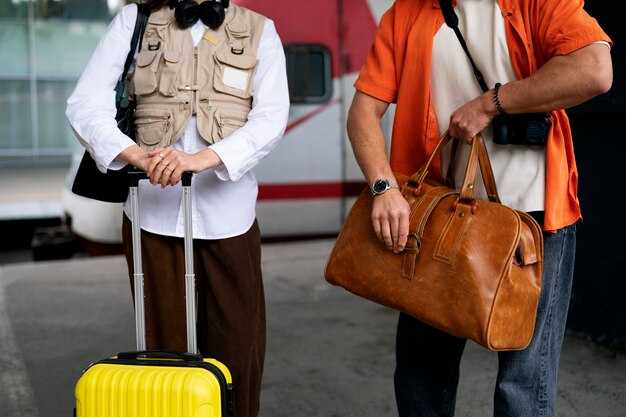
Pre-booked options let you arrange a private ride with a driver from a multinational fleet. youll confirm pickup at the terminal and share your flight details, number of bags, and pickup location. The driver will meet you at a pre-arranged point rather than roaming the streets, reducing the chance of scams. For pickup, specify the terminal (1, 2, or 3) and a preferred meeting spot inside the arrivals zone, or an edsa corridor address if that is your destination. After booking, youll receive the drivers name and car details; give them your location and wait in the dedicated area until they arrive. This approach is especially handy if you are arriving with multiple bags or a group and want a comfortable start to your Manila trip. If you are visiting friends in hills or planning to reach camella communities along diliman or juan routes, a pre-booked private ride can cut transfer time and avoid crowded streets.
Red Flags and Safeguards: Common Scams and How to Stay Safe
Always book at the airport counter or via a trusted multinational operator, and use curbside pick-up or grabairport ahead of time to avoid touts and street services. There are several ways to stay safe. If you’re going to ninoy, follow these safeguards to keep your ride predictable.
- Unmarked vehicles or drivers from non-official registries arrive at the curb, offering a cut-rate fare to lure you away from the official line. If the car lacks a company badge or meter, pass and use the designated curbside pickup instead. Choosing official channels ensures you stay safe.
- The driver handed you a handwritten or fake receipt, or pushes a card reader that isn’t part of the booking app. Insist on a printed, itemized fare from the operator’s system and do not hand over cards outside the app.
- Detours claiming to “show options” or routing through sangandaan, ortigas, or bato areas; such moves raise the fare. Demand the direct route to ninoy or your chosen destination.
- Meter manipulation or a huge overcharge: the meter spikes, or the fare quoted before starting is far above the app estimate or over the booked amount. If the price isn’t realistic, bail and rebook with a recommended option.
- Payment pressure: the driver pushes a card or an online link not tied to the booking app. Use only the app’s payment method or official counter cards, and avoid other online prompts at pickup.
- Claims of a domestic pickup or steering to a separate lot; this signals trouble. Stay with the airport’s official pickup and verify the ride in your booking.
- Touts offering to switch you to a non-metered ride or to a street taxi in a different queue; refuse and insist on your booked ride with the registered operator.
- There are several options to avoid scams, including official taxi lines, trusted apps (multinational), and pre-booked corporate shuttles.
Safeguards to stay safe and ensure a smooth transfer:
- Choose official channels: the airport taxi counter in the arrivals area, or book through a multinational operator or grabairport ahead of time. This ensures you get a licensed vehicle and a clear fare agreement.
- Verify identity: confirm the driver’s name, plate, operator, and booking reference against your booking; ask for a business card or a visible ID, and use it for follow-up if needed.
- Confirm route: set a direct route to your destination, for example toward ortigas or ninoy; if the driver tries to detour to sangandaan or bato, stop and request the direct route.
- Obtain a receipt and complete the fare before departure: ensure the fare matches the agreed amount and is shown on a printed or digital card within the official system.
- Use correct payment methods: use the app’s payment option or the recommended cards supplied by the operator; avoid handing cash to an unverified driver unless you must.
- Prefer curbside pickup: stay within the designated bays and avoid street pickups to reduce risk of scams and to have access to support if needed.
- Keep essential information: note the driver’s name, plate, booking reference, and operator’s contact; share it with a friend or family if you’re traveling alone.
- In case of suspicion: ask for help from airport security or the booking provider; if necessary, exit the vehicle at a safe area and seek a different, confirmed ride.
- For groups or families: choose a vehicle that fits your party and luggage; planned options reduce the risk of being steered into the wrong van or a non-authorized ride.
- Going to ninoy or domestic terminals? Confirm the pickup point and ensure the driver complies with the curbside or counter guidelines; this prevents confusion in high-traffic areas.
Route Estimates: Time and Cost from NAIA to Key Districts (Makati, Pasay, City Center)
Choose an official airport taxi or pre-booked 6-seater for the fastest, most predictable route from NAIA to Makati, Pasay, or City Center. From the arrivals hall, go to the flag-down taxi stand or hire a ride at the prepaid counter to lock in payment and avoid scam scenarios.
Expect travel times to vary; usually, a straight shot to Makati takes 25–45 minutes, to Pasay 15–30 minutes, and to City Center 30–50 minutes, depending on traffic. Northbound routes toward the Makati corridor often slow down during rush hours, while late nights can shorten the drive. For travelers staying in manggahan or sangandaan, locals know the quickest curb stops and station pickups, so ask staff to point you to the right stop.
To stay safe and value-conscious, choose a ride from a multinational fleet or a licensed Filipino driver; such options are easier to catch at the airport and usually reflect clear pricing. If you encounter pressure to take an unmetered ride, report it immediately. Never pay upfront to an unknown driver, and confirm your destination before leaving the curb. Payment is typically cash at flag-down taxis or card when booked through counters or apps.
| Destination | Typical Time (min) | Taxi (Flag-down / Metered) PHP | 6-Seater Private Van PHP | Ride-Hailing App PHP | Notes |
|---|---|---|---|---|---|
| Makati | 25–45 | 320–520 | 900–1500 | 350–700 | Best to use prepaid or flag-down at the stand; go west via the expressways when traffic is light. For manggahan or sangandaan stays, confirm the exact drop-off point at the counter. Payment in cash or card depending on provider. |
| Pasay | 15–30 | 180–350 | 600–1100 | 250–520 | Closest district to the airport; usually quickest route. If you’re catching a flight or train connections, an app booking can lock in a lower fare during off-peak hours. |
| City Center | 30–50 | 300–520 | 800–1400 | 400–750 | Longer ride; prepaid counters help avoid overcharging during peak traffic. Expect occasional stops at tolls or signal stops along Roxas Boulevard. |


