
Madrid Airport to City Center - Uber vs Metro - Best Transfer Options
Take the Metro from Madrid-Barajas Adolfo Suárez Airport to the city center; it offers the strongest balance of price and speed for most travelers. From Terminal 4, board Line 8 to Nuevos Ministerios, then transfer to Line 10 toward Puerta del Sol and alight at Sol or Gran Vía for easy walking access to central hotels. Expect about 30–35 minutes door-to-door and a fare near 5 euros with a 10-trip card or a 24-hour transit pass. The horario runs roughly 06:00–01:30 daily, with lighter service in the very late night. This is pela escolha comum for quem quer tudo predictable without fuss.
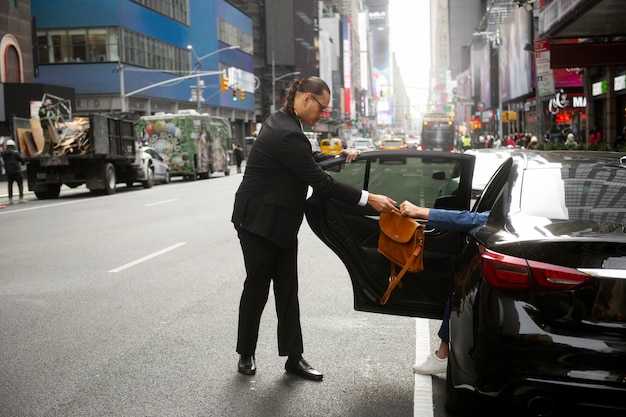
When you factor Uber and other multi aplicativos into the equation, you gain flexibility, especially if you travel with luggage or arrive outside peak metro hours. A typical ride from the airport to the city center sits in the 25–35 euro range under normal demand, but surge can push it up. The oficial taxis provide a reliable door-to-door option with meter pricing that usually lands around the same ballpark, and many cars now accept card payments. For você, whether you’re a brasileira solo traveler or viajando with a friend, using multi aplicativos lets you compare quanto paga before you book and share the ride to reduce costs. Keep in mind that during morning and evening rush hours, ride prices can climb quickly, so plan accordingly and check-time before booking.
Another solid option is autocarro service, the Exprés Aeropuerto bus, which runs direct from the terminals to key center points. It typically departs every 15–20 minutes during the day and slower at night, with a travel time of about 40–50 minutes depending on traffic. The fare remains affordable (around 5 euros), and the stops near Atocha and Colón provide convenient access for many hotels. If you want a stress-free leg with fewer transfers, this is a practical choice that Attende a lot of travelers who prefer a straightforward route from the airport to the core zones of the cidade.
Bottom line: for most travellers, the Metro is the comum option for price and reliability, especially when you’re traveling light and want a predictable horario. If you value door-to-door comfort or arrive after late-night flights, a ride with Uber or a taxi can be worth the extra paga. For quem gosta de comparar, consult the blogue of tips and use multiple aplicativos to estimate costs before you passam the baggage claim, sempre considering pessoa count and luggage size. This abordagem helps you choose the best transfer based on your tempo, money, and preferences.
Travel Time: Uber vs Metro from Madrid Barajas to Puerta de Alcalá
Recommendation: Metro usually offers the best balance of price and reliability, with a typical journey around 30-45 minutes and a fare near €2.40 when you pay with cartão or a travel card. Uber remains a great choice for a direct, door-to-door ride–especially when you travel with luggage or outside peak hours–often 25-40 minutes in light traffic, with a premium of about €25-€35 and possible prêmio surge during busy horas. Veja which option fits your plans and budget, depending on your priorities.
The Metro route from Madrid Barajas to Puerta de Alcalá is straightforward: take the airport line (Line 8) to a central transfer point, then continue to the Puerta de Alcalá area. The total time está typically 30-45 minutos, and trains run frequently, around every 5-7 minutos during the day. If you are aiming to conhecer museus or explore regioes around central Madrid, the Metro can be a grande advantage, since paradas near the centro are well connected and easy to reach.
Uber from Barajas to Puerta de Alcalá offers a more exclusivo, confortable experience: you sit on a comfortable sofía while the driver handles navigation and parking. In practice, you can chegar at your destination in 25-40 minutos, with a custo usually between €25-€35, depending on traffic and demand. If you travel with a cartão, the pago process is simple and atualízado tarifas appear before you confirm, helping you guiar your spending and garantiring a smooth ride even when the fila for fui has grown. For families or groups, Uber can p od e a conveniente choice when you want to saindo from the airport without multiple stops.
Factores como horas do dia, obras no funcionamento das linhas, and slept-in delays can push either option. If you prefer a low-cost, predictable option, Metro está the safer bet; if you value convenience and minimal transfers, Uber p ode be the better fit. And for those who want to avoid surprises, remember that tarifa for Metro is updated regularly and the app usually shows the current price before you ride. If you plan to visit canillejas or other regIões nearby later, the Metro keeps you on a grande, easy-to-navigate spine of Madrid's centro, with paradas well located for a quick stroll to puerta de Alcalá.
Time breakdown
Metro: from terminal to Nuevos Ministerios or another central hub takes about 15-20 minutos, plus 10-15 minutos for the transfer, then 5-10 minutos to Puerta de Alcalá from the transfer station. Total está around 30-45 minutos. Frequency is 5-7 minutos during the day, and you can paçar with cartão for a smooth ride.
Uber: pickup at arrivals is usually ready within a few minutos after you confirm in the app; the drive to Puerta de Alcalá takes 25-40 minutos, with possible increases to 45-60 minutos in heavy hora de trafico. The door-to-door nature helps you avoid paradas and salindo from the terminal, a real advantage if you have a lot of luggage or you want to guarantee a specific arrival time.
Practical tips
Veja a estratégia: se estiver viajando a solo e quiser pagar com cartão, Metro oferece uma tarifa atualizada e fácil de usar; pode ser a melhor escolha para conhecer Madrid sem gastar muito. Se o seu foco é conforto, saiba que Uber pode oferecer disponibilidade exclusiva, com opções de pagamento via cartão e desconto para reservas antecipadas, especialmente em regiões como canillejas. Mantenha o aplicativo atualizado, pois as tarifas e horários podem mudar; procure horários com menos fila (fila) para fazer o trajeto saindo cedo ou após o rush. Para quem visita museus, museus no centro, e quer chegar com tempo, a combinação de caminhada curta e várias paradas rende um acesso fácil às atrações mais populares na região da Puerta de Alcalá, garantindo uma experiência grande e prática. Pode considerar também o uso de blogue de viagem para checar dicas atualizadas do funcionamento (funcionamento) das linhas e rotas, já que muitos blogueiros (blogue) compartilham experiências de viagens entre o aeroporto e o centro da cidade. Esteja atento à disponibilidade de transportes na hora de chegar; algo como 15-20 minutos de atraso pode ocorrer em dias de obras ou mudanças no serviço.
Cost Comparison: Uber Fare Ranges vs Madrid Metro Tickets and Passes
Recommendation: For most travelers, the Metro from airport to the city center offers the best value and predictable timing; Uber provides door-to-door transporte, but fares can spike during saídas and peak traffic, so it’s usually more expensive unless you need hands-free arrival with luggage in hand.
Uber fare ranges: From airport to central Madrid, UberX typically lands around €18-€30; UberXL or premium options can reach €35-€60, especially during high-demand periods or late-night partidas. Surge pricing and traffic conditions vary, tendo a maior parte do custo depender do horário e da demanda, então vale checar o preço no aplicativo antes de tomar a decisão. For América-bound travelers, these dynamics sometimes feel similar to major cities, mas a diferença de custo ainda favorece o transporte público na maioria dos casos.
Metro tickets and passes: A standard single-journey ticket within central zones is roughly €1.50-€2.50; for airport trips, a small supplement makes the center-bound fare around €2.50-€4.00. A 10-trip ticket costs about €12-€15, while 2-day tourist passes usually run around €8-€14 and 3- to 4-day passes around €15-€25. Abono Transporte monthly passes are typically €54-€60 for unlimited rides in chosen zonas. For longer stays, Renfe Cercanías can extend your options if you plan to venture beyond the metro network, and the interno connections are known sobre áreas metropolitanas. Generally, these passes are cost-effective, principalmente if you’ll rides every day and want to know exactly what you’ll pay.
Practical tips: Pay with cartão or celular, and buy tickets ahead of time to avoid filas at the airport. Validations are obrigatorio before you board, so familiarise yourself with the process. If you’re staying at a nearby lugar like Maydrit or another hotel, you can still hop the expresso routes to major hubs; know partida times and plan to tomar a quick descanso at a nearby restaurante after you arrive. Keep a charged celular to manage tickets, and conocer the transportes map to minimize transit time and mistakes, especially when transferring between Renfe and metro lines. This approach keeps you in control of the cost and avoids surprises from late-night saídas and busy routes.
Luggage and Accessibility: Suitability of Uber and Metro for Large Bags and Strollers
For luggage and a stroller, UberXL is the best option for a direto ride from the airport to your destinos in the city center; you’ll be dropped off near your terminal or hotel without extra transfers, and you avoid lugging bags through crowded spaces.
The Metro offers a cheaper alternative, but the system requires planning around stairs and lifts. The airport is served by Line 8, which connects T4 and other terminals to central hubs, giving you options to reach many destinos with a single ride; however, muitos stations lack elevators, so you may need to carry or wheel bags across platforms. This is especialmente true if you start from or end at terminals without easy elevator access.
When considering large bags or a stroller, pay attention to detalles like boarding and exiting chances: Uber handles trunks and back seats with space for multiple bags, and you can travel diretto from pickup to drop-off, while the Metro relies on ticketing and station layout. If you plan to stay in maydrit or other hotéis near the airport, Uber can garanta a smoother partida and chega experience, while the Metro offers savings if you can manage stairs or short escalator segments and use a tarjeta for multiple trips.
Practical tips: to aproveitar the system, locate the ticket machines (máquinas) and learn how to tomar bilhetes or load a tarjeta at the terminal; know the tarifa structure and if there are surcharges at the airport. For destinations near stadiums or popular areas, the distance may vary; in many cases a direct Uber ride saves time, while a Metro journey can be 15-20 minutes faster for some central bairros, provided you navigate the station layout efficiently. Always check the partida times and keep an eye on the live servicio updates so you don’t miss a connection or wait during peak hours.
Details about accessibility and luggage handling are crucial for planning: if you need to sair quickly with a stroller, Uber provides a more predictable flow from arrival to exit. If you enjoy the experience of urban travel and plan to explore over months, the union (união) of Metro passes and occasional rides can cover many diferentes destinos with minimal hassle, just be prepared for stairs and potential delays in some stations. The taxi or Uber option also helps you reach localizados hotels while voz de suporte do motorista may assist with extra bags, ensuring you arrive with your bags and gear intact, chegando at your destino on time and in comfort.
| Travel option | Luggage suitability | Stroller accessibility | Accessibility notes | Typical time to city center | Fare considerations |
|---|---|---|---|---|---|
| UberXL / Taxi | Handles large bags easily; trunk space varies by vehicle | Very stroller-friendly; door-to-door service | Direct to hotel or terminal; airport pickup fee may apply | ~20-35 minutes depending on traffic | Higher than Metro; tarifa varies with distance and surge; consider bilhetes avoidance of crowds |
| Metro (Line 8 and connections) | Managed with care at stations; some bag restrictions apply | Wheelchair-friendly at many stations with elevators; stairs in others | Requires station navigation; plan for transfers if your final stop isn’t direct | Typically 25-40 minutes to central zones; depends on destination | Tarifa lower overall; use tarjeta or passes; bilhetes available at machines |
Reliability and Scheduling: Peak Hours, Delays, and Surge Pricing Factors
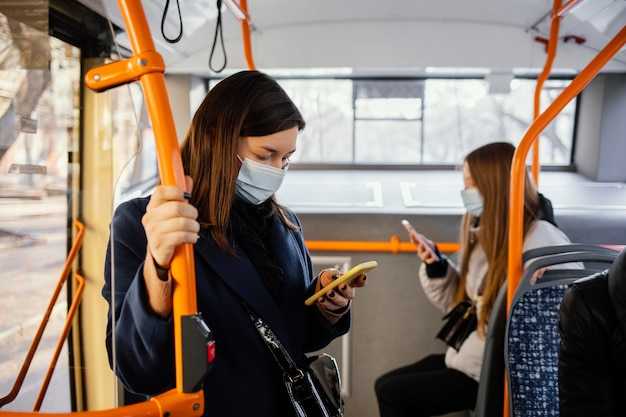
I recomendo tomar the Metro during peak hours for steady timing; Uber can face longer waits and higher fares when crowds pass through the airport. Peak periods typically run 06:30–09:30 and 17:30–20:30, and trains on Line 8 serve Aeropuerto MAD directly, with Nuevos Ministerios reachable in about 14–16 minutes and Sol after a short transfer in roughly 30–40 minutes. In este contexto, the interno service rhythm helps you plan with confidence, especially if you want to avoid the largo queues at paragens and the cristal-clear signage in the terminal.
Delays and variability are common in practice, so know your options. If a flight lands late or you carry diverse luggage, a door-to-door option may save you time–apenas watch the Uber app for expected waits, which can be 5–12 minutes off-peak and 15–25 minutes during peak hours. For the metro, it’s crucial to saiba the last trains and exits (saídas) from your Terminal, since the area’s escalators and lockers (lockers) help you move quickly to the right paragens and do not rely on road conditions. This photo of the terminal layout helps you orient yourself: look for the main sign that points to paragens and train entrances.
- Surge pricing and transit timing: Uber pricing on arrival can spike principalmente during large events or rain; expect multipliers around 1.2x–3x, and even higher if a high volume of flights lands at the same time. In contrast, transportes like the Metro keep valores stable, so your fare from airport to central zones remains predictable.
- Delays vs. reliability: If a flight is delayed by 20–60 minutes, you gain flexibility with the Metro’s steady cadence, but Uber may be faster if you want to bypass the queuing at taxi stands. For long waits, reservar a ride with a fixed pickup time can garanta smoother logistics, especially when you have reservas at a restaurant (restaurante) or plan to reach a hotel with stored luggage.
- Timing tips and routes: From the aeropuerto area, a direct Uber ride can take you through the internal streets faster than a multi-leg train, but you must plan for potential congestion in the área externa. If you take the Metro, a single transfer (Nuevos Ministerios) usually adds DURA minutes but costs significantly less and avoids road delays, making it ideal when you want to stay within a budget and avoid surge.
Practical tips for choosing and scheduling
saiba your likely window: if you expect heavy traffic or you must be at a fixed time (quartos at a hotel or meeting), consider tomar a taxi or Uber with a reserved pickup to avoid last-minute delays. I recommend checking the Uber app for current surge levels and comparing with a Metro trip ( Conselho: divide the trip into partes: flight to paragens, then transfer; this reduces uncertainty). For those who prefer flexibility, a combination approach works well: take the Metro during predictable peak windows and switch to Uber during off-peak gaps or if you’re pressed for time. In any case, garanta a buffer of 20–30 minutes between landing and your hotel check-in, especially during mercados with high volumes of travelers.
Step-by-Step Guide: From Terminal to Puerta de Alcalá with Uber or Metro
Recommendation: Uber is the fastest door-to-door option from the airport to Puerta de Alcalá, typically 15-25 minutes depending on traffic, with a predictable range around 25-35€ most of the day. If you prefer a public transit option, the Metro is reliable and economical, though it takes more time and involves transfers depending on your terminal and drop-off point.
Uber: direct ride from the terminal
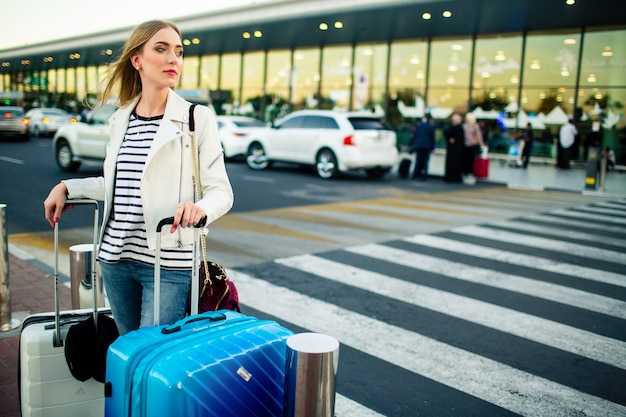
Step 1: after landing, head to the arrivals curb at your terminal. If you need a quick reset, use lockers or a quick luggage drop to simplify the ride later. Open the Uber app, set pickup as the airport terminal, and set destino as Puerta de Alcalá. In minutes you see the driver en route and a clear pickup point.
Step 2: confirm the ride and meet your driver at the designated pickup area. If you travel with varios bags, the driver will assist with loading, keeping the journey confortáveis and eficiente. The trip is seguro and direct, no transfers.
Step 3: arrival near Puerta de Alcalá. Your app shows the exact drop-off, then you can walk a few blocks to the Puerta de Alcalá or continue to a nearby address in Salamanca or surrounding destinos if you have multiple visitas in the city. If you’re staying in a hotel, ask the driver to drop at the closest entrance for easier access.
Metro: from terminal to Puerta de Alcalá
Step 1: comprar bilhetes at the automatic machines (bilhetes automáticas) or use a rechargeable tarjeta. If you already carry a public transit card, you can top it up for this trip. In most cases, ingressos for a single ride cover the journey from airport to the city center, but confirm the fare on the machines.
Step 2: from Aeropuerto T4, take Line 8 toward the city center and ride to a central interchange such as Nuevos Ministerios. Depending on your terminal, you may need to board the train at a different platform, but the staff signage is clear and multilingual. At Nuevos Ministerios, switch to Line 10 toward Puerta del Sol and continue toward the central area.
Step 3: alight at the station closest to Puerta de Alcalá and walk about 12-20 minutes to the plaza. The walk is straightforward along Calle Alcalá, a well-known and safe route, with plenty of public services and shops nearby. If you prefer a shorter walk, you can plan a stop at a closer stop such as Banco de España or Colón, depending on the exact exit you choose.
Tip: check chegas times in the morning (manhã) or during peak horas, as traffic and crowding can affect durations. If your schedule is tight, recomendo a Uber para manter o tempo sob controle; se você estiver viajando com vans or equipment, the private ride remains the eficiente choice. Quando seus planos são conhecida com visitas público, o Metro é uma opção sólida para quem quer economizar.


