모빌리티의 미래: 운전과 커리어가 진화하는 방식

운전의 역할을 재정의하는 세대
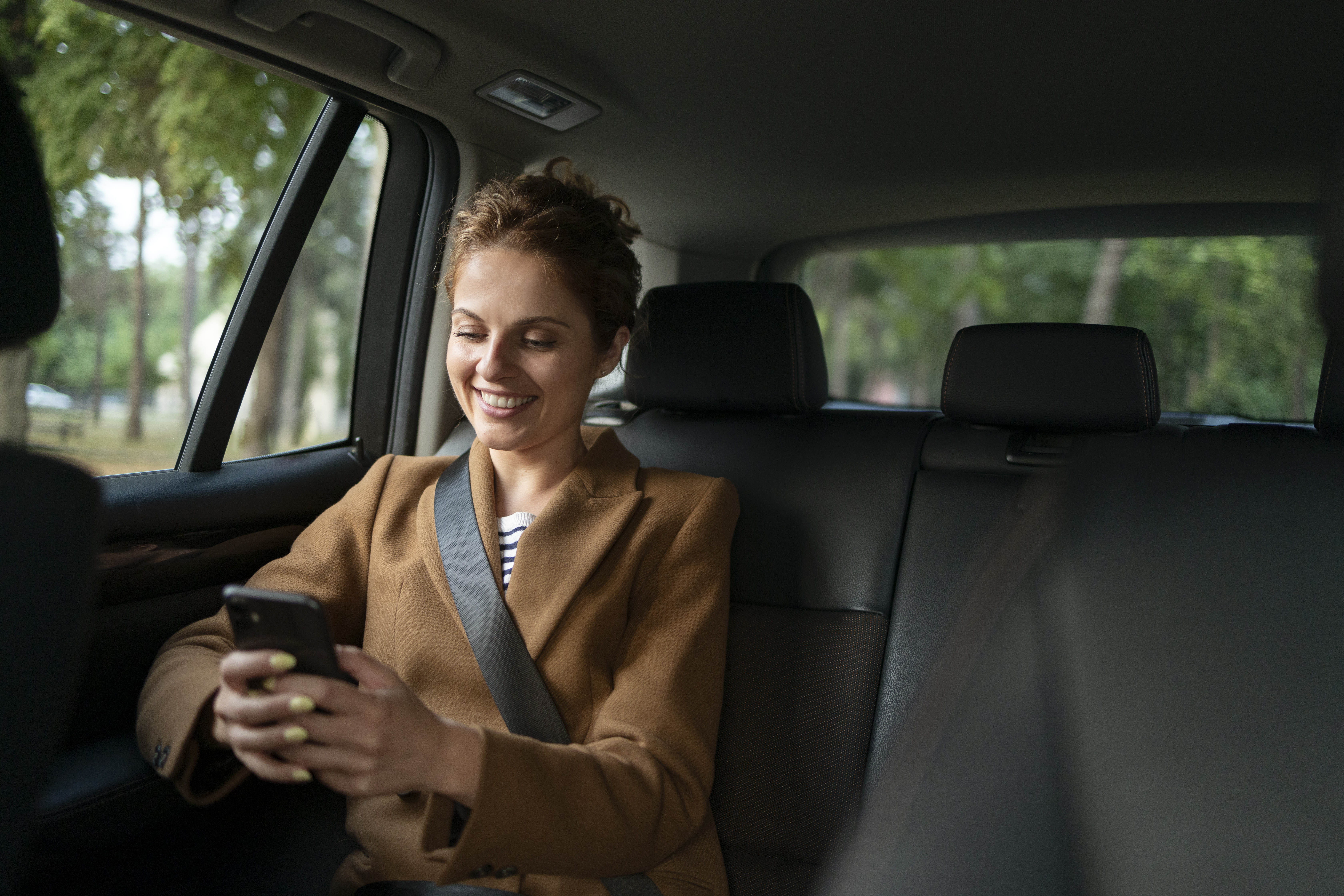
In recent years, we’ve witnessed significant changes in how people perceive driving and car ownership. These changes are a key part of the broader transformation we now refer to as the future of mobility. A noticeable trend is emerging among younger generations, who increasingly choose not to obtain a driver's license. With the proliferation of convenient ride-hailing services such as Uber, Lyft, and Juna, driving has become an optional rather than essential skill for many.
이러한 변화는 특히 도시 환경에서 두드러지게 나타나는데, 안정적이고 저렴한 교통수단이 많아지면서 개인 차량의 필요성이 크게 줄어들고 있습니다. 비용 절감, 환경 영향, 편의성 등을 고려하는 젊은 층은 차량 호출과 대중교통이 더 실용적이라고 생각하는 경우가 많습니다. 또한, 도시화가 진행되고 대중교통 인프라가 개선되면서 자동차 소유를 더욱 꺼리게 되어 대안 교통수단이 점점 더 매력적으로 느껴지고 있습니다.
쇠퇴하는 소유권: 떠오르는 새로운 모빌리티 모델
At the same time, even those who possess driver's licenses are reconsidering the value of owning a vehicle. Innovative mobility options like car subscriptions, leasing programs, and car-sharing services have offered practical alternatives to traditional car ownership. Subscription models, in particular, provide flexibility without the long-term financial commitments associated with purchasing a vehicle outright. Leasing options offer reduced upfront costs, while car-sharing programs allow users to pay only for actual usage, significantly reducing overall expenses.
이러한 선호도의 변화는 개인의 교통 습관에 영향을 미칠 뿐만 아니라 광범위한 자동차 및 운송 부문에 더 큰 변화를 예고합니다. 자동차 제조업체들은 지속 가능성과 편의성에 의해 형성될 미래의 수요를 예상하고 전기 및 자율주행 자동차 기술에 막대한 투자를 통해 이에 대응하고 있습니다. 전 세계 도시들이 공유 및 자율주행 차량을 수용하기 위해 도로, 주차 공간, 공공 정책을 조정하는 등 인프라도 진화하고 있습니다.
The cumulative result of these changes is a projected decline in the number of experienced drivers in the coming years. Today, driving is one of the world's most common occupations, yet advancements in autonomous vehicles and artificial intelligence suggest this will soon change. Automation, already seen in various industries, is beginning to reshape transportation, reducing the demand for traditional drivers and shifting the nature of driving roles.
변화하는 환경의 새로운 기회
이러한 변화에도 불구하고 진화하는 환경은 특히 운전에 열정을 갖고 관련 커리어를 쌓고자 하는 개인에게 특별한 기회를 제공합니다. 엄격한 조건과 적은 수입을 제공하는 일반 차량 호출 서비스와는 달리, 전문 운송 서비스는 운전자에게 더 큰 자율성과 잠재적으로 더 높은 금전적 보상을 제공합니다.
공항, 호텔, 행사장 등 주요 장소를 연결하는 환승 서비스는 일반적으로 고부가가치 여행과 관련이 있으며 고객과의 의미 있는 상호작용을 제공합니다. 이러한 서비스에는 종종 더 높은 수준의 전문성과 고객 관리가 필요하며, 단순한 운송 이상의 가치를 제공합니다. 운송 업계의 운전자와 소상공인은 경기 변동에 지속적으로 탄력적인 여행 및 관광 분야와 본질적으로 연결되어 있는 이 특화된 틈새 시장의 혜택을 누릴 수 있는 위치에 있습니다.
For young drivers and entrepreneurs looking to establish themselves independently, the transfer sector represents a compelling career path. It offers the flexibility to manage one's schedule, the opportunity to build a personalized business brand, and the potential for steady income streams driven by consistent global travel demand. The sector's adaptability also allows for innovation, with entrepreneurs finding new ways to differentiate their offerings, such as incorporating luxury vehicles, personalized service experiences, or specialized routes tailored to specific customer segments.
이러한 변화를 지속적으로 관찰하면서 이러한 서비스를 촉진하는 플랫폼과 마켓플레이스는 드라이버가 성공하는 데 필요한 인프라를 제공하는 데 중요한 역할을 하고 있습니다. 이를 통해 드라이버는 고객과 직접 연결하고, 물류를 효율적으로 관리하며, 투명한 평가 및 피드백 시스템을 통해 높은 수준의 서비스를 유지할 수 있습니다.
결론
모빌리티의 미래는 분명 달라질 것이지만 새로운 기회로 가득 차 있을 것입니다. 이러한 트렌드를 인식하고 적응함으로써 야심찬 운전자와 기업가는 빠르게 변화하는 산업 내에서 전략적으로 입지를 다질 수 있습니다. 앞으로의 길은 변화뿐만 아니라 변화를 받아들일 준비가 되어 있는 사람들에게 흥미진진한 새로운 가능성을 약속합니다.
결론
We are living through a pivotal moment in the evolution of mobility. This transformation is central to what we now call the future of mobility. The diminishing appeal of personal car ownership and the rise of on-demand services reflect a broader societal shift in values—toward flexibility, efficiency, and sustainability. Yet in this transition lies immense opportunity. For those with the drive—literally and figuratively—to stay ahead, the transfer sector offers a viable and rewarding path forward. Whether you're a skilled professional looking to make the most of your experience or a young driver ready to build your future, this moment offers the chance to shape the future of transportation in a meaningful way.