モビリティの未来:運転とキャリアはどう進化するか
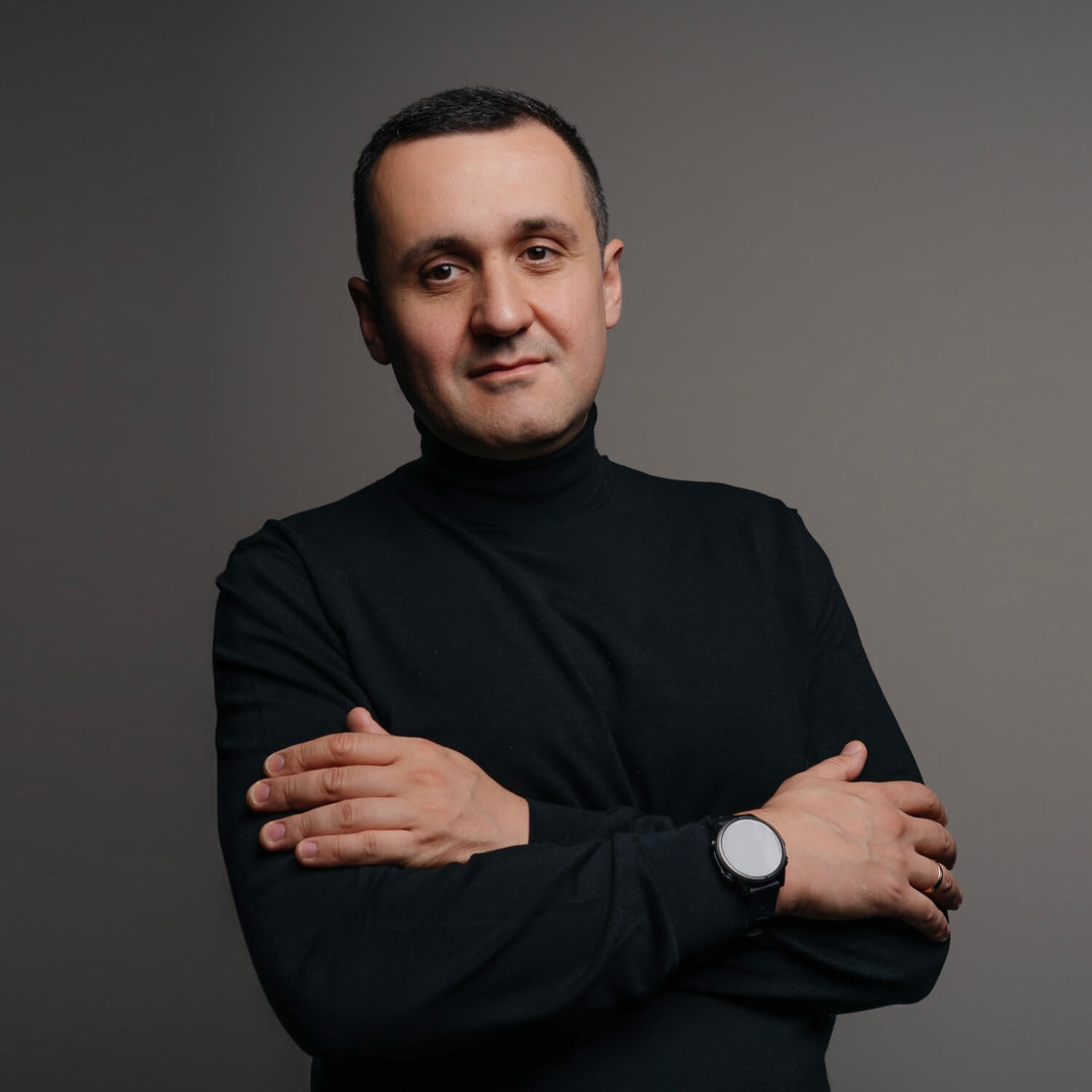

運転の役割を再定義する世代
In recent years, we’ve witnessed significant changes in how people perceive driving and car ownership. These changes are a key part of the broader transformation we now refer to as the future of mobility. A noticeable trend is emerging among younger generations, who increasingly choose not to obtain a driver's license. With the proliferation of convenient ride-hailing services such as Uber, Lyft, and Juna, driving has become an optional rather than essential skill for many.
このシフトは特に都市環境で顕著で、信頼性が高く手ごろな交通手段によって、自家用車の必要性が著しく低下している。若者は、コスト削減、環境への影響、利便性など を考慮し、ライドヘイリングや公共交通機関をより現実的な ものと感じることが多い。さらに、都市化が進み、公共交通インフラが整備されたことで、自動車の所有意欲がさらに減退し、代替手段がますます魅力的になっている。
衰退する所有権:台頭する新しいモビリティモデル
At the same time, even those who possess driver's licenses are reconsidering the value of owning a vehicle. Innovative mobility options like car subscriptions, leasing programs, and car-sharing services have offered practical alternatives to traditional car ownership. Subscription models, in particular, provide flexibility without the long-term financial commitments associated with purchasing a vehicle outright. Leasing options offer reduced upfront costs, while car-sharing programs allow users to pay only for actual usage, significantly reducing overall expenses.
こうした嗜好の変化は、個人的な交通習慣に影響を与えるだけでなく、より広範な自動車・運輸部門におけるより深い変革をも示唆している。自動車メーカーは、持続可能性と利便性によって形作られる将来の需要を予測し、電気自動車や自律走行車技術に多額の投資を行うことで対応している。インフラストラクチャーも進化しており、世界中の都市が道路、駐車スペース、公共政策などを、共有車両や自律走行車両に対応できるよう適応させている。
The cumulative result of these changes is a projected decline in the number of experienced drivers in the coming years. Today, driving is one of the world's most common occupations, yet advancements in autonomous vehicles and artificial intelligence suggest this will soon change. Automation, already seen in various industries, is beginning to reshape transportation, reducing the demand for traditional drivers and shifting the nature of driving roles.
変化する環境における新たな機会
このようなシフトにもかかわらず、進化する状況は、特に運転に情熱を持ち、それを中心にキャリアを築こうとする個人にとって、ユニークな機会を提供している。一般的なライドヘイリングサービスでは、厳しい条件や控えめな収入しか得られないことが多いが、専門的な送迎サービスでは、ドライバーの自主性が尊重され、高い報酬が得られる可能性がある。
空港、ホテル、イベント会場など、主要な場所を結ぶ送迎サービスは、通常、より価値の高い移動を伴い、顧客との有意義な交流を提供する。このようなサービスでは、より高いレベルのプロ意識と顧客ケアが必要とされることが多く、単なる輸送以上の付加価値が生まれます。トランスファー業界のドライバーや中小企業経営者は、景気変動に常に強い旅行・観光業界と本質的に結びついている、この特殊なニッチから利益を得る立場にある。
For young drivers and entrepreneurs looking to establish themselves independently, the transfer sector represents a compelling career path. It offers the flexibility to manage one's schedule, the opportunity to build a personalized business brand, and the potential for steady income streams driven by consistent global travel demand. The sector's adaptability also allows for innovation, with entrepreneurs finding new ways to differentiate their offerings, such as incorporating luxury vehicles, personalized service experiences, or specialized routes tailored to specific customer segments.
このようなシフトが続く中、これらのサービスを促進するプラットフォームやマーケットプレイスは、ドライバーに成功に必要なインフラを提供する上で重要な役割を果たしている。プラットフォームやマーケットプレイスによって、ドライバーは顧客と直接つながり、物流を効率的に管理し、透明性の高い評価やフィードバックシステムを通じて高いサービス水準を維持することができる。
結論
モビリティの未来は確かに様変わりするだろうが、同時に新たなチャンスに満ちたものになるだろう。こうしたトレンドを認識し、それに適応することで、意欲的なドライバーや起業家は、急速に変貌を遂げる業界の中で戦略的なポジションを確立することができる。これからの道は、進化を受け入れる準備ができている人々にとって、変化だけでなくエキサイティングな新たな可能性を約束する。
結論
We are living through a pivotal moment in the evolution of mobility. This transformation is central to what we now call the future of mobility. The diminishing appeal of personal car ownership and the rise of on-demand services reflect a broader societal shift in values—toward flexibility, efficiency, and sustainability. Yet in this transition lies immense opportunity. For those with the drive—literally and figuratively—to stay ahead, the transfer sector offers a viable and rewarding path forward. Whether you're a skilled professional looking to make the most of your experience or a young driver ready to build your future, this moment offers the chance to shape the future of transportation in a meaningful way.