
How to Get from Madrid Airport to City Center - Quick Transport Options
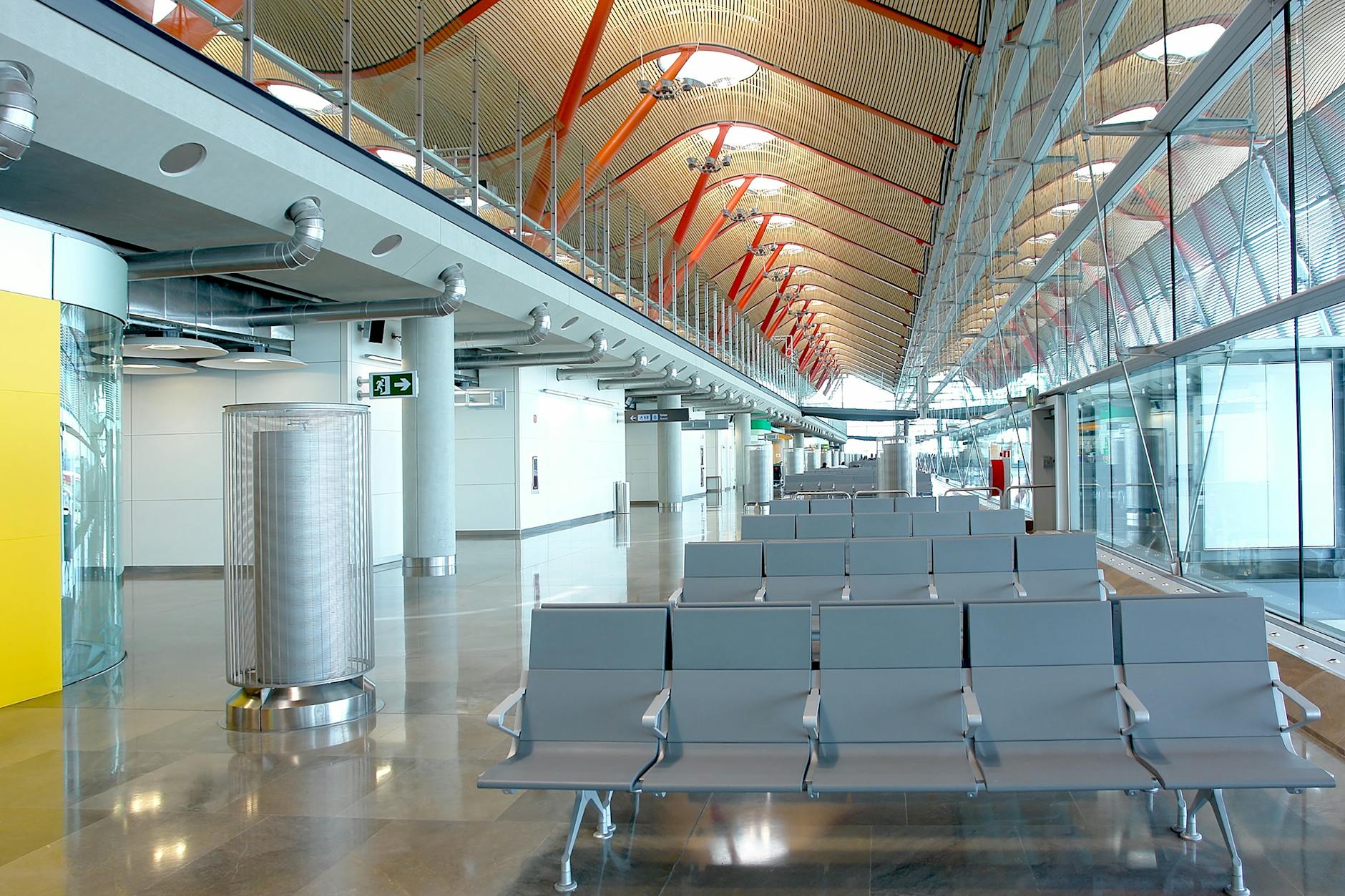

Take the Renfe Cercanías C-1 from the airport to Atocha for the fastest, budget-friendly route into the centre. From the airport building (аэропорта), the C-1 line runs directly to Madrid's main train hub, with trains every 20 minutes and a travel time around 25 minutes. The fare is about €2.60, and you land in the centre ready to start your day. Madrid-Barajas handles around 60 million passengers annually, ensuring frequent service and clear signage.
For privacy or a late or early arrival, a driver can meet you at arrivals. There are many трансфера providers, and many companies offering a private transfer with a driver. A private ride to the centre costs roughly €25–€35 and takes 20–30 minutes, depending on traffic. This option is ideal if you carry heavy luggage or travel with a group, because it offers door-to-door service.
Public transit option: Take the Metro Line 8 from Aeropuerto T4 to Nuevos Ministerios, then transfer to Lines 1 or 10 to reach Sol or Gran Vía in the centro. A single-ride ticket is typically around €1.50–€2.00, and the system uses automatic gates for quick entry. If your flight arrives early, this option is a common choice for many travelers who want to keep costs low while still reaching the centre. In мадриде, riders appreciate the straightforward network that makes the centro easy to access with minimal changes.
Bus routes offer another budget-friendly route. The EMT Express bus runs from the airport to central hubs like centre and Sol with frequent service. Fares hover around €5–€6, and the ride takes about 25–40 minutes depending on traffic. Buses are a practical option when you travel light and want to avoid the metro stairs after a long flight.
Planning tip: as you compare options, consider your arrival time (for example, in march) and luggage. A private driver provides clarity and comfort when you land, but a Cercanías train and Metro combo offers the best balance of price and speed for most arrivals. The city centre is easy to reach by taxi in 20–30 minutes outside peak hours, and the routes are well-marked across the airport and transit maps. This is a choice which works well if you want to avoid stairs.
Direct Airport Bus to Atocha: Stops, Schedule, and How to Board
Recommendation: Take the direct Exprés Aeropuerto bus from Barajas to Atocha; no transfer, clear signage, and dedicated luggage space.
Stops: The route starts at the airport terminals (T1–T4) and finishes at Atocha Renfe. The Express stop is clearly signposted at the curb, and the lining on the vehicle shows the service name. For мадрида visitors, this puts you within easy walking distance of central hotels and stations. In a case where you’re coordinating meetings (встречи) with colleagues, you’ll appreciate the straightforward access. For фанаты Реал Madrid (реал), this direct link also helps you reach central Madrid after a game and still catch a return bus to the airport.
Schedule: Operating hours typically run from 06:00 to 24:00, with a headway of about 15–20 minutes during daytime and around 30 minutes at night. Weekends follow a similar pattern. Check the faqs on the official EMT Madrid site for the current timetable and any changes; at the stop, screens will reflect real-time updates.
Boarding and luggage: Proceed to the Express stop outside arrivals. Buy a single fare at the ticket machine or pay on board where allowed; fares are generally around €5–€6. The bus provides a dedicated багажом compartment and accommodates luggage (luggage) and carry-ons; the driver and crew help load and secure bags. Every driver will guide you to your seat and assist if you need extra help. If you’re traveling with a group or heavy luggage, a minibus option may be available near ministerios; from Atocha you can transfer to metro or other lines to reach your hotels (hotels) or место in central Madrid. The service is operated by EMT Madrid and announces clear stops for stations along the route.
faqs: Common questions cover directness, luggage allowances, payment methods, and transfers. In a case that you miss an intermediate stop, you can take a transfer at Atocha to reach another line; that option absolutely saves time when you have tight connections.
Where to Buy Madrid Barajas Airport Bus Tickets: Terminal Booths, Machines, and Online

Buy at the terminal booths or from a ticket machine right after you land. This gives the least waiting time and the simplest start to your urban transfer, especially if you have a flight arriving late. In each terminal, signs point to the ticket area, and the booths sell single-ride tickets and day passes. Machines accept cards and cash, and you can pay with a mobile wallet or print a voucher to show on your device.
If you prefer to research before you visit, first visit the official website for schedules and ticket prices from numerous operators. The site helps you compare different options while you plan, and find a plan that fits your needs. youll also see whats available at aeropuerto stops and what works best for your flight timetable, including private options if you want a door-to-door ride.
Customer reviews highlight reliability and value. Other customers report similar results on busy days. Check источник and independent reviews to gauge what to expect. With a range of tickets from cheap single rides to flexible passes, you can choose the ticket that matches your budget and timetable. Hence, the digitized mobile tickets simplify entry and reduce queue times.
Online purchasing and mobile convenience give you flexibility. You can buy online before you arrive, pick up at a terminal booth, or display a mobile ticket for instant access. The official site shows train and bus connections, helping you plan a smooth route from the aeropuerto to your hotel. If you prefer privacy or a private ride, consider ridesharing or a private shuttle, but youll still find the bus a fast, reliable option for urban travel. whats more, you can visit the site after landing to confirm the best option for your next trip.
Metro Option: From Terminal 4 to Sol or Gran Vía via Line 8
Absolutely the fastest route from Terminal 4 to Sol or Gran Vía is via Metro Line 8 to Nuevos Ministerios, then a quick transfer to Line 10 and a final hop on Line 1 to reach either destination. This outstanding option keeps you in the central zone and minimizes distance after your flight.
From the arrival hall, follow signs to the Metro station. Board Line 8, heading toward central stops. The ride to Nuevos Ministerios takes roughly 12–15 minutes, a first leg that feels short after a long flight and friendly for багажом. When you arrive, use the same station to transfer to Line 10.
At Nuevos Ministerios, transfers are straightforward. Transfers options include индивидуальные,пешеходная,групповые. Ride Line 10 for a few stops to Tribunal, then switch to Line 1 toward Gran Vía or Sol. Tribunal is followed by Gran Vía in one stop and Sol two stops away, so you can pick the arrival that suits your plans and other destinations.
After you reach your stop, a short walk will take you to your hotel or the heart of the city. This route is practical for travellers arriving soon and looking to minimize total travel time. If you later plan to continue to destinations outside Madrid, like Toledo, you can connect to regional services from Chamartín or Atocha. For additional tips, check tripadvisor for user reviews on transfers and routes.
Cercanías Rail: Quick Train Links from Barajas to Atocha and Chamartín
From Aeropuerto T4, Renfe Cercanías offers the fastest, direct ride into the center. This option is reliable, inexpensive, and easy to navigate, with clear signage and arrivals text. There is no need to hunt for taxis after a long flight; carry only what you need and reach the capital city center in about half an hour. There are trains to Atocha and Chamartín with no transfers, making it ideal for a holiday or business trip in spain.
There, you will find airport service trains that use designated signage (обозначенного) and LED boards that display arrivals in English and Spanish. Look for signs for Aeropuerto Cercanías and follow the text on the platform. The experience suits english-speaking travelers, русским-speaking visitors, and everyone who wants a straightforward start to their stay in the city. There are numerous connections from central Madrid once you arrive, and the ride to the center is straightforward for most travelers with carry-on luggage.
Prices and where to buy are simple: single-ride fares begin around 2.60 EUR. You can purchase on the Renfe website, at airport machines, or at ticket desks there in the station. The website and app provide text instructions in english-speaking formats, and you can use a digital card to track arrivals and save some money if you plan more trips around the city during your stay. If you plan a more complex itinerary, consider a combined pass or a multi-day option there, which may suit your excursions (экскурсию) and allow you to explore around the city with less hassle.
Practical tips: use the Cercanías route to Atocha for fast access to the south and the city center, then transfer to the metro or buses for the final leg to your hotel. Carry a compact map in both english and español; many signs are english-speaking friendly, but a quick glance at the Arrivals page on the website helps you avoid delays. For a Russian speaker, there are русскому-language guides and some information in several languages at the airport, and staff can help with your questions about schedules and tickets. If you just want a single, straightforward option, this rail link is outstanding for most visitors who want to reach central Madrid quickly and comfortably.
| Destination | Route | Travel time | Frequency | Prices (EUR) | Notes |
|---|---|---|---|---|---|
| Atocha | Aeropuerto T4 → direct Cercanías airport service | ≈25–30 min | ≈Every 15–30 min | ≈2.60 | Direct to central rail hub; buy at machines or Renfe website; arrivals boards show text in English |
| Chamartín | Aeropuerto T4 → direct Cercanías airport service | ≈35–40 min | ≈2 per hour daytime | ≈2.60–3.60 | Signposted at airport; no transfer required on this route |
Compare Travel Times: Bus vs Metro During Peak Hours and Weekends
Take the Metro. It arrives quicker to central Madrid during peak hours, typically 30–40 minutes from the airport to core districts, while the Exprés Aeropuerto bus runs 40–60 minutes depending on traffic. On weekends, the Metro stays reliable with similar times and lighter crowds, making it the sensible first choice for most visitors today (сегодня) who want to arrive without surprises.
To help you find the best option, this comparison focuses on travel times, price levels, and practical tips for transfers, luggage, and comfort. If you’re planning a visit, a brilliant balance often comes from pairing a fast Metro ride with a cheap, predictable price and an easy transfers flow at central hubs.
Peak Hours
- Metro: 30–40 minutes from the airport to central points like Sol or Gran Via, with one or two light transfers depending on your exact line choice. Price is typically in the affordable range for a single ride, and trains run every few minutes in peak. The system uses automatic gates, which speeds up entry and exit for customer flow. For groups or families, you can save with a combined ticket or intermediate passes.
- Exprés Aeropuerto Bus: 40–60 minutes, highly dependent on traffic. Direct service to key central stops minimizes walking with luggage, but delays are common during rush hours. Price is higher than a standard Metro ride, reflecting door-to-door convenience and comfort. Official timetables are easier to read on the airport site, and reviews often note the steady cadence when streets are busy.
Weekends

- Metro: 30–45 minutes to the city center, trains every 6–12 minutes depending on the line. Reliability increases on weekends, and you can visit multiple neighborhoods without worrying about traffic. The lower crowd level makes seating more available, which is a plus for longer rides.
- Bus: 35–50 minutes, with somewhat steadier travel times when traffic is light. Price remains higher than the Metro, but you gain direct access to certain districts without transfers. Some travelers appreciate the flat routes and fewer stairs, especially when carrying bags.
What’s the best choice for you depends on your priorities: price, comfort, and how much you value a fixed schedule. If you want the fastest path and a predictable price, the Metro wins. If you prefer a simple, door-to-door option with minimal walking and can trade a bit of extra time for comfort, the Exprés Aeropuerto bus is a solid pick.
Tips to optimize your transfer experience: check official timetable updates, read recent reviews, and use map apps to find the fastest connection at that moment. For a group, consider a minibus or private transfer as a budget-friendly group transfers solution; this can be rental capacity plus door-to-door service, reducing the risk of missing a flight. If you value flexibility, a couple of alternative options, such as a private driver or a second transfers plan, provide extra assurance.
From an airport context, the decision often boils down to whether you want a quick, automatic ride with minimal stops or a cheaper, public route with potential stops along the way. Review reviews and compare price levels to set expectations before you arrive at the terminal. For today’s choice, the official guidance and real-time reports will help you avoid illusory delays and pick the route that aligns with your visit plan and what's best for your group or solo trip, thus ensuring a smooth start to your Madrid stay.
Key terms for rapid decision-making: transfers, transfers, aэропорта аэропорта, grупповые, групповые, minibus, second, extra, price, review, reviews, find, official, rental, flat, levels, airport, search for today’s best option, and сегодня you can compare options with confidence.
Night Arrival Options: Night Buses and Late Rail Services to City Center
Recommendation: Use the Exprés Aeropuerto night bus from aeropuerto terminals to centro; it’s direct, reliable, and inexpensive, with departures every 15–20 minutes during late-night hours even after midnight, and a single fare around €5. The journey takes about 40 minutes, thus you reach centro without a transfer.
Night buses offer numerous options after you land, with NitBus lines connecting the aeropuerto area to central districts. Look for routes that finish at major metro hubs or near the centro, and expect a straightforward transfer-free ride. Prices stay in the €4–€5 range for most routes, and today, сегодня, you’ll find clear signage in the terminals and on the white bus stops for easy boardings. Departures are frequent, so you can plan your trip in minutes rather than hours.
For late rail access, Renfe Cercanías from Aeropuerto T4 to Atocha or Chamartín provides a solid alternative. The service offers a quick, single-ride journey of roughly 25–40 minutes, with fares around €2.60–€3.50. Check the calendar for late-night departures, as frequencies run every 20–40 minutes in the late-evening window. This option is very reliable for years and requires no taxi or bus transfer once you’m aboard the train. Tickets are purchasable at machines or via the bank card option, and you can validate in the same way as other rail services.
Private transfers and minibus services give you door-to-door convenience if you prefer a private journey. Book in advance to secure a fixed transfer with no waiting; these rides typically take 25–35 minutes along the M-40 corridor to the centro, and rates vary by terminal and vehicle type (roughly €25–€40). A private option offers a single, uncomplicated path from arrivals to your accommodation, with the driver waiting in the arrivals hall and a text confirmation on your phone. Some providers include a free waiting grace period, thus avoiding extra charges if your flight lands late.
Car rental remains a flexible late-arrival choice. Head to the rental desks in terminals to pick up a vehicle and drive straight into the city, using the M-40 to shorten the route to centro. Rental counters often operate into the night, and you can apply online special offers or membership benefits from banks or travel partners. If you plan more than one trip within the city, a rental can be cheaper than multiple paid transfers and lets you explore at your own pace, even during late-night hours. Prepare a clear text with your pickup location and contact number to simplify the process at the counter.


