
Hong Kong Kina - Welcome - Explore Hong Kong's Culture, Food, and Attractions
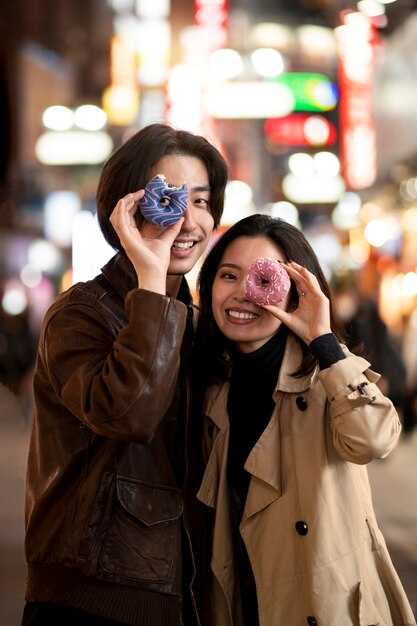
Recommendation: Start with a morning harbour stroll and a bowl of noodles at a hidden dai pai dong. Time you spend here is rewarding and sets the tone for your HK Kina visit.
Hong Kong thrives on numerous districts, each with its own rhythm. If you want a grounded start, stroll Mong Kok's street markets, then pause at cityu events that invite locals and visitors to share stories. The care locals show for craft and history is evident in every storefront, every stall, and every pers you meet along the way. In conversations, many say they heard tales of ceramic art, tea culture, and street food that shape daily life.
Beyond food, the city reveals a perfect blend of tradition and modernity. It offers numerous attractions: the Peak, Star Ferry, and hidden art spaces. Whether you take a tram up for a skyline view, or discover tucked-away eateries in old lanes, the city takes you by surprise. For families, comfortable beds in boutique hotels near the harbour help your stay feel restful.
Travelers appreciate practical details: supervision for guided tours, clear contractual terms with operators, and care in every booking. If you plan a day trip, look for packages that list inclusions, transit options, and cancellation policies in plain English. A quick check helps you avoid hidden surprises, especially when reserving popular experiences or seats at intimate food stalls.
Keep an eye on local vibes and regards from residents. Some travellers share heard stories of small galleries near cityu that host hands-on workshops, and a rewarding sense of discovery. For peres who travel solo, sharing clips online can still reveal local depth; a playful tiktinsky moment can capture the city’s energy without sacrificing depth; help others explore with curated tips rather than generic guides.
Street-Food Pilot: Top 12 bites and where to find them
1) Curry Fish Balls – Temple Street Night Market: skewers dunked in a warming curry sauce, typically HK$15-25 per skewer; best enjoyed after 7pm when the stall crowds grow and the flavors bloom.
2) Egg Waffle (Gai Daan Jai) – Mong Kok and Causeway Bay lanes: crisp-on-the-outside, fluffy-inside bites sold fresh from street carts; HK$15-25 each; eat them straight away for maximum crunch.
3) Siu Mai Skewers – Temple Street and Mong Kok: steamed pork dumplings on sticks, lightly seasoned and great with a dash of chili oil; HK$12-18 per skewer; ideal as a quick savory bite between lantern-lit stalls.
4) Pineapple Bun (with butter) – Causeway Bay bakeries and market stalls: sweet, crackly top and soft interior, often paired with a cold drink; HK$7-12; pleasant contrast to heavier items.
5) Char Siu Bao – Kowloon market stalls: soft, steamed buns hugging smoky BBQ pork; HK$8-15 each; tender filling and gentle sweetness make it a reliable home run.
6) Cheung Fun (Rice Noodle Roll) – Jordan and nearby market corridors: thin sheets of rice noodle rolled with shrimp or char siu, finished with sesame sauce; HK$12-20 per roll; a flexible option that pairs well with other bites.
7) Stinky Tofu – Temple Street and Mong Kok: deep-fried or pan-seared blocks with a pungent aroma and chili sauce; HK$20-30; gamble for the curious palate, but many prove it worth the bold start.
8) Yakitori Skewers – Japanese-inspired picks in SoHo and Causeway Bay: grilled chicken skewers with tare or salt, some stalls offer English signs; HK$20-40 per skewer; refreshingly different amid HK’s familiar flavors.
9) Oyster Omelette – Sham Shui Po and market corners: crispy batter with plump oysters and spring onions; HK$25-40; a savory counterpoint to sweet bites and noodles later in the night.
10) Wonton Noodle Bite – Central and Sheung Wan stalls: springy noodles with delicate wontons in clear broth or light sauce; HK$40-55; a dependable option when you crave something warm and comforting.
11) Beef Brisket Noodle – Yau Ma Tei and market lanes: slow-braised brisket over soft noodles in rich broth; HK$40-60; melt-in-your-mouth texture during a cool evening crawl.
12) Mango Sago with Pomelo – Mong Kok dessert stalls: refreshing, milky-sweet combo with juicy pomelo; HK$25-40; finish with a bright note that cleanses the palate before heading home.
Where to find them
They cluster around Temple Street Night Market, Mong Kok’s lanes, Jordan Market, Sham Shui Po, Causeway Bay, and Central’s markets. Look for stalls with simple, weathered furniture and long lines; availabilities shift between weekdays and weekends, especially between 6pm and 11pm. English-speaking owners and dish-name signs help newcomers, and the market’s layout guides your path through a variety of tastes at a comfortable pace.
Practical tips for tasting
Plan a dinner-like crawl with a modest investment of around HK$160-260 for sampling all 12 bites. Walk the lanes between blocks to compare freshness and power of the wok, and don’t miss the japanese-inspired options for contrast. If you’re timing dates with friends, go during off-peak hours to grab the best seats and quicker service; most vendors are prepared to explain each item, even for visitors who speak English. Between bites, you’ll notice how the market’s energy connects people, owners, and suppliers through a shared love of flavor and culture.
Transit Cheat Sheet: Master MTR, Octopus Card, ferries, and buses
Start with an Octopus Card at the airport or any MTR station; top it up via the machine or online, and set a daily limit so you won't overspend on MTR, ferries, or buses. Hotels and the cityu front desk can help you load a small value, and your identity can be linked to the card for easier tap-in at station turnstiles.
Understand the MTR map geometry: color-coded lines, interchange hubs, and cross-harbor links that connect the island with Kowloon. Where weve learned, hopping to Central from Admiralty or from Tsim Sha Tsui saves time on transfers during peak hours. This approach has been helpful for many travellers.
Ferries offer scenic harbor crossings. Use the Star Ferry to go between Tsim Sha Tsui and Central; Lamma Island and Lantau Island ferries connect to outlying shores. For island hopping, ferries follow fixed schedules; the Octopus Card works on major operators, and you can check the timetable on the operator's app or station display.
Buses complement rail: city routes run to major districts and resorts; board at the front door, tap Octopus, and watch the fare table on the dashboard. For routes serving large hotels, check if your hotel offers a contractual arrangement or a transit permit for campus or property access; buses run until late evening, especially near city hills and parks.
Chose your routes based on time and distance: MTR is fastest for long hops, ferries save time on harbor crossings, and buses cover areas the rail doesn't reach. Must-know lines include the red Tsuen Wan line, blue Island line, and orange Tung Chung line. Between Central and Causeway Bay, the MTR runs trains every 2-3 minutes during peak hours. From cityu, head to the front entrance and use a short walk to reach dining options, rooms, or the park before continuing to your next leg.
Tips for practice: carry a compact map and note station exits with geometry cues; when you exit at the front of a station, follow the signage to the right platform. If you're staying in large hotels or a resort near the hills, plan a route that includes a harbor crossing to Hong Kong Island. The areas between the island and Kowloon are well served, and you can switch at Tsim Sha Tsui or Central to continue toward your hotels or rooms near the park.
Sessions with staff at MTR customer service desks can answer questions about ticketing, identity, and passes. They offer quick demonstrations on tapping in, checking the fare table, and planning multi-leg trips that avoid backtracking. If you want extra guidance, the chief information desk offers personalised tips; choose a harbor ferry for scenic routes, travel off-peak to dodge crowds, and arrive at your next dining destination early enough to catch sunset views.
Cultural Quickstart: Museums, temples, and public art you can visit in a day
Begin your day with the Hong Kong Museum of History for a focused 60–90 minute overview, then head to Man Mo Temple for a peaceful incense-filled pause a short walk away. This compact loop uses accessible transport–MTR, tram, or bus–and keeps you within a comfortable limit of walking while presenting history and spirituality, which has been a favorite for both locals and visitors year after year, creating a calm pace that is particularly friendly for first-timers. If you return again, you’ll notice new displays and signals from changing exhibitions that respond to the year’s themes. This plan is suitable for weeks of exploration, but it fits neatly into a single day.
Morning highlights: Museums and temples within easy reach
The Hong Kong Museum of History presents a large, clearly organized timeline that distills complex change into digestible stories, helping you connect past events to today’s city. From there, hop a tram to Man Mo Temple on Hollywood Road, where incense smoke and quiet courtyards offer a peaceful contrast to the street’s bustle. This pairing is ideal for interested first-timers and for revisiting familiar themes in a short morning, with training and guidance for respectful exploration baked into the experience.
Afternoon: Public art route and practical tips
Set out along the Central waterfront to encounter public works that engage residents and visitors alike. You’ll find sculptures and murals in lively public spaces, often framed by large windows overlooking the harbour. Nearby, a hamptons-style cafe offers a relaxed break. Use accessible transport–MTR to Central, tram along Queensway, or a quick ferry back–to keep momentum. Many installations are part of long-term investment programs, and you may signal cross-border cultural dialogue through kong-us collaborations that signal cross-border cultural dialogue. If you’re curious about how culture is funded, the route offers clear insight and a path you can repeat in the weeks ahead. With regards to open spaces, this route welcomes families, solo travelers, and seniors. Public works include signals of inventive design and community engagement, which benefit local life and create lasting memories.
Neighborhood Sampling: Central, Sham Shui Po, and Mong Kok
Start in Central, then head to Sham Shui Po, and finish in Mong Kok for a compact, data-rich snapshot of Hong Kong's everyday rhythm. From the front of the skyline, follow a path that keeps you to the left of major icons and returns you to transit quickly. This route helps you sample business districts, markets, and street-food scenes, with concrete dinner options along the way.
Central sits at the island's heart, located near hills that frame the skyline. The district blends longstanding financial arteries with cafe culture, offering a center where an executive might relax after a day of meetings with a coffee. In reviews, PMQ, Lan Kwai Fong, and street-level eateries are noted for variety, and their front entrances open onto bustling lanes that shift as daylight fades. mimo pop-up studios and design shops line the lanes around PMQ, giving creative energy to passers-by.
Sham Shui Po offers the most affordable eats and strong electronics finds. Start at Apliu Street Market for used gadgets, then drift to Ki Lung Street’s fabric and handicraft stalls. The longstanding lanes host family-run eateries that serve dinner, and their stalls stay busy year after year. Festivals and local markets add color on weekends, while reviews often highlight hidden snack spots that locals keep finding and rotating through. If you must show proof, some vendors politely request it, so keep your hkid handy as you shop. kong-us communities often share tips with visitors, and locals remain friendly about questions.
Mong Kok bursts after dark with neon and a constant flow of shoppers. Wander Ladies’ Market for clothing and souvenirs, then shift to Fa Yuen Street for sneakers and sportswear. The night pulse continues along streets with your dinner options ranging from quick noodle bowls to sit-down meals, and you’ll feel kong energy in every alley. Festivals bring extra performances and pop-ups, and reviews from first-time visitors and locals alike confirm this district’s energy on a Saturday evening. A friendly person at a stall will often steer you toward repeat favorites.
When landing in Hong Kong, ride the Airport Express to Central and switch to urban lines for a loop across the three neighborhoods. housekeeping notes: wear comfortable shoes, carry water, and keep valuables secure in crowded lanes. The three areas cluster within a short radius, so you can sample a wide range in a single outing. After a long day, plan your dinner along curb-side stalls, dai pai dong lines, or modern restaurants. Use local reviews to pick stops, then trust your own pace and talk with shopkeepers to learn what’s new after years of change.
Harbor Highlights: One-day plan for Victoria Harbour views and skyline
Begin at 7:30 am with a walk along the Tsim Sha Tsui Promenade for Victoria Harbour views and the kong skyline catching dawn. Check the forecast; clear skies yield sharp silhouettes over the water. Carry a light bag, extra battery, and a compact lens for many photo options.
Board the Star Ferry to Central to enjoy the breeze and a quick transition between shores. The public transport systems run smoothly, and the ride adds a fresh perspective as you step into the Central waterfront zone.
In Central, pause at a japanese restaurant near the quay for a brief lunch with harbor-facing windows, then continue your lookouts along the water. This stop adds a different angle to the skyline without breaking momentum.
All day you can choose many lookout spots, around the IFC area and along the Central promenade, then a harbour cruise offers another angle around the harbour.
Evening options include a whisky bar with harbour views; a rooftop venue keeps the mood elevated, and rooms in nearby hotels with water-facing windows extend the visuals after dark.
Aberdeen fishing village vibe near the harbour adds contrast; local cooperation with operators ensures smooth access, training staff, and reliable signage. The furniture at several venues carries a nautical touch and links to longstanding harbor traditions.
thank you for exploring with us.
| Time | Activity | Spot | Notes |
|---|---|---|---|
| 07:30–08:15 | Harbor walk | Tsim Sha Tsui Promenade | Dawn light; best for silhouettes |
| 08:30–09:10 | Star Ferry | Pier 7 to Central | Fresh breeze; water views |
| 09:15–11:00 | Promenade stroll | Central waterfront | Views of tall towers; many angles |
| 11:15–12:30 | Lunch | japanese restaurant near quay | Harbor-facing windows |
| 13:00–15:00 | Observation deck or harbour cruise | Central / Victoria Harbour | ieee signage on displays |
| 16:00–18:00 | Aberdeen village break | Aberdeen harbour | Relax; cooperation with operators |
| 18:30–20:00 | Evening whisky bar | Rooftop near Central | Harbour lights; reserve tables |
Dim Sum Dos and Don'ts: How to order, share dishes, and enjoy street snacks
Begin with a shared tasting of 4–5 items to ensure variety, then refill hot dishes as your group finishes each round.
During breakfast or lunch in kong-us-style venues, maintain a steady pace; the largest century-old restaurants have followed a formal service style. If you are interested in a deluxe tasting, ask for a whisky pairing after the first rounds–an opportunity to really savor the flavors with friends. If you plan to sample alcohol, check the permit policies before ordering. Also, keep napkins handy and note any dietary preferences for the table.
How to order efficiently
- Choose cart service or the itemized menu. When a cart arrives, signal clearly what you want and keep a count of items to avoid duplications; in many places, staff serve quickly and will refill until you say you’re done.
- Ask for a tasting set of 4–5 items first, then add more from the cart or the sheet as needed.
- Prices vary: most small plates cost HK$12–40; a deluxe set for a group may run HK$60–120 per person depending on what you choose.
Sharing, portions, and etiquette
- Place plates in the center and rotate items after each round so everyone can try a wide range; specify how many pieces you want per person to avoid leftover bites.
- Use the service style that matches the venue–some rely on quick cart turns, others on direct orders; either way, keep conversations low and tip politely if local custom applies.
- When the server speaks, listen to the description (speech) of each dish; respond with a simple thank you and a friendly nod to keep service smooth.
- Take care of the table: wipe spills, keep utensils clean, and avoid stacking plates; this helps the staff maintain order and speed.
- If you drink alcohol, see whether the outlet permits a pairing; a small whisky or tea can complement bite-sized dumplings without overpowering flavors.
Street snacks add contrast to dim sum: try fried dumplings, cheung fun (rice noodle rolls) with sesame sauce, and skewered fish balls; eat with chopsticks or a wooden skewer and use a cup of hot tea to wash down rich sauces. If you’re new, Anne at the front can guide joining groups to the best stalls and time the stroll to catch the forecast calm before peak crowds. Take your time to compare flavors; you may discover much more than you expect.
Joining friends for a full morning or afternoon in this city is a real opportunity to review different spots; take notes and compare tastes, textures, and service style across restaurants, and plan a follow-up visit to some of the hills districts for another round of snacks.
Hamptons-style Escapes: Luxury districts, colonial architecture, and seaside spots
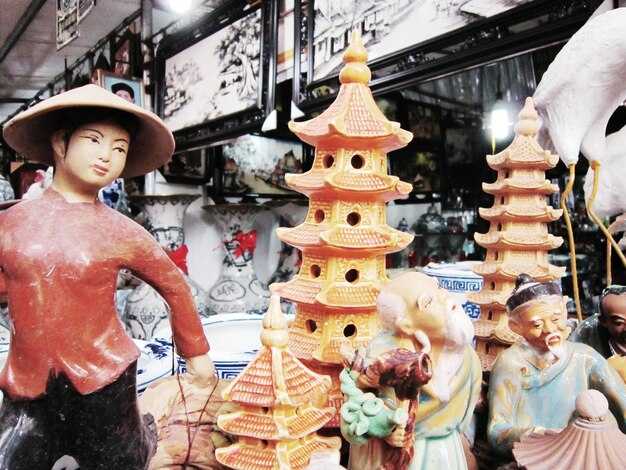
Choose Repulse Bay as your base for a Hamptons-style escape, featuring open terraces, sea-facing accommodation, and a calm, well-considered ambiance. Hotels and villas here offer year-round options for friends and families, with entry to the beach just steps away and proximity to the harbour for quick hops to Central when you want city action. The harbour breeze signals a relaxed mood after a day of exploring the city.
In Central and the Mid-Levels, luxury districts fuse colonial architecture with cutting-edge restaurants. Verandas and elegant façades line the streets, while interiors lean toward executive comfort. Foreigners and locals alike gravitate to venues featuring dishes that blend Cantonese tradition with modern techniques. For a discreet experience, seek a member club or private-room option that opens onto a terrace with harbour views. Know the routes that connect you to the most atmospheric corners.
Seaside spots beyond the core include Deep Water Bay and Repulse Bay, plus Stanley’s picturesque waterfront. Long terraces overlook the water, and restaurants along the shore serve dishes–from seafood plates to light Western-inspired fare–paired with calm ambience and easy harbour access. A kong-us collaboration can connect you with pop-ups and chef residencies that keep menus fresh, while a sunset cruise lets you glide into the harbour for the final glow.
Practical tips: plan early for weekend stays, and pick accommodation that keeps you open to both city life and sea air. If available, use proximity to a member club to access exclusive spaces; entry to private dining and lounges makes evenings smoother. Mutually rewarding plans come from sharing responsibilities across friends, and submit preferences in advance to ensure bookings, coordinating with the group to choose terraces, restaurants, and activities that suit everyone who’s tagging along. Know the best times to visit so you signal a smoother stay.


