
Getting Around Thailand - The Best Transport Options for Travelers
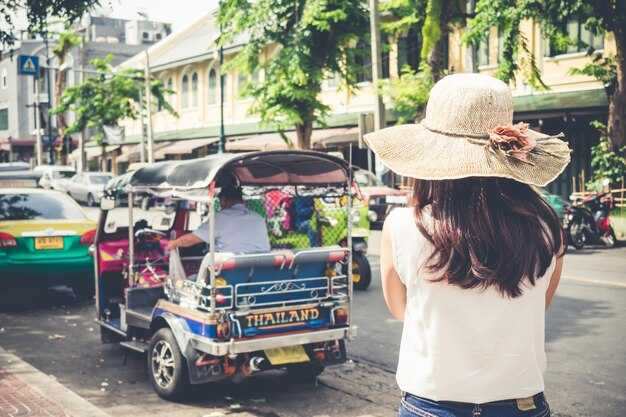
Recommendation: Reserve sleeper seats on the Bangkok–Chiang Mai night train to cover long distances in about 11–13 hours, with ease, whether you travel solo or with groups. Passagers appreciate a single point of contact and a hassle-free journey with the équipe on board.
The rail network offers a dense web of routes that connect Bangkok to Chiang Mai, the Northeast, and the southern peninsula. It proposant a mix of 1st-class air-conditioned sleepers, 2nd-class sleepers, and day trains; you should vérifiez seat numbers and berths in advance. For experienced travelers, pairing a night train with day trains can save time and hotel costs. If you're traveling with bondés groups, booking the entire car helps keep everyone together; the équipe will assist with réserver and seating arrangements.
For speed, domestic flights are fastest for long hops. Bangkok–Chiang Mai takes about 1h15; Bangkok–Phuket or Bangkok–Krabi around 1h15–1h30. Fares vary; typical economy ranges 900–3500 THB depending on advance purchase and season. Booking réserver seats early helps ensure seats together; consider bundled transfers with your équipe for groups seeking coordinated arrivals.
In-city transport shines in Bangkok with the BTS SkyTrain and MRT, delivering ease through a dense network that bypasses traffic. In Chiang Mai, shared songthaews serve solo travelers, while groups can hire private vans. On the islands, ferries and long-tail boats link beach towns and hotels efficiently. Always confirm your point of arrival and coordinate with the équipe to keep everyone together.
Practical tips: vérifiez the status of your réserver bookings on trains and flights and check luggage rules to avoid being asked to refuser items at check-in. Some operators proposant alternative routes with shorter layovers offer valuable recommandations. For passagers who travel solo or in groups, the right mix of transport options delivers ease and a hassle-free experience through Thailand.
Moto-taxi Basics: What It Is and How to Hail One Down
Always hail a legitimate moto-taxi from a formal queue near airport arrivals or hotel entrances. Look for riders with visible identification, a helmet, and a clearly marked bike. This option is affordable for rapid hops between tourистiques zones and locales; fares are posted at the stand and information is transparent so you can compare with other doptions. The publics will notice when you choose a licensed rider and avoid touts who linger on street corners.
To hail one, approach a rider at a designated stand or on the curb of a busy street. Raise your arm with an open palm, make brief eye contact, and greet with a simple "Hello." State your destination concisely and ask for the price before you start. If a driver cannot name the fare or pressures you to take a private route, walk away and find another rider. Quand you travel from airport terminals, prefer stands with official signage; it reduces risk and makes the route rapide and convenient.
Hailing Etiquette and Safety
Be courteous, wear a helmet, and keep valuables secured. Sont drivers generally friendly, but stay wary of unlicensed touts. Choose riders from legitimate groups or stands and verify the posted tariff to ensure you are paying a fair fare. During busy periods such as juin, there are assez many options at tourist hotspots, so you can compare a few before deciding. Use information from locals for the best route and comfort, and avoid routes that feel unsafe or rough.
| Scenario | Typical Fare (THB) | Tips | Notes |
|---|---|---|---|
| Airport to city center | 150-350 | Agree fare before starting; use official stands; check helmet | Prices vary by terminal and time |
| Touristic zones (hotels, beaches) | 40-120 | Ask for price in THB; show map if needed | Local rates are common; beware surcharges at night |
| Evening rush hour | 100-300 | Move to a less busy street if traffic blocks path | Traffic can slow travel |
| Longer trips (outskirts) | 300-700 | Consider alternatives for long distances | Longer distances can be cheaper by taxi or car-share |
Safety, Gear, and Rider Verification: Staying Protected on Every Ride
Always verify your ride in the app before you start. Confirm the driver name, plate number, vehicle photo, and the route shown in informations from the platform. Use in-app contrôles to ensure the vehicle matches your booking, and avoid boarding if anything seems off. Notamment check the driver’s rating, the vehicle’s history, and share your journée with a friend so they can monitor them during the trip. As a user, set safety preferences in the app to require driver verification before each ride.
Gear matters for comfort and protection. Wear a certified helmet; carry closed-toe shoes, gloves, and a reflective vest. For courte hops or short days, a compact, affordable gear kit fits in a small bag. Garder your valuables close and locked, and bring a lightweight rain shell; for sun-heavy routes add sunscreen. Solo voyageurs should add a portable charger and a discreet money belt to protect informations and money, especially when using public devices. If your route includes a dune stretch or beach stop, bring a windproof layer and keep bags secured against sand and wind.
Verification steps and practical gear checklist
Start with in-app contrôles: verify the driver's name, photo, plate, and vehicle color, and confirm that the route matches your plan. Enable quick-share with your friends or family and set a safe rendezvous point for entre destinations; note the minutes to connections, and keep the process rapide and easy. For trips that involve trains, check the platform numbers and transfer times to avoid rushing; train information changes quickly, so stay alert. If the ride includes a transfer between trains and taxis, look for fast transfer options and choose the most direct route to minimize waiting time.
Be alert for hidden charges or inconsistencies in informations about the fare. If something feels off, cancel politely and request another option. Factor in facteurs like traffic, weather, and vehicle maintenance that could affect safety; when possible, choose routes that are clearly documented and touristiques so you know what to expect. Voyageurs using trains or tuk-tuks should rely on options in the app and share details with friends; keep them informed and protect your safety and theirs during the journée of travel.
Fares, Metering, and Tipping: Getting a Fair Price with Moto-taxis
Recommendation: Demand the meter or a pre-agreed price before you start; this makes the trajet straightforward and avoids surprises at darrivée. In thailande, most drivers respect the meter when you ask, and a fair fixed price works if you confirm it up front.
Pricing basics: In major destinations, the meter usually starts at 10-20 baht and adds about 6-10 baht per kilometer. A typical 3-6 km ride in traffic runs 40-120 baht environ, depending on routes and congestion. If a driver quotes couFB;uter, compare it with the meter and pick the option that keeps confort high and the ride efficient. For short hops near busy endroits, a price in the lower end of that range is reasonable.
Metering and routes: Always ask for the shortest routes to the endroits you need; if the path feels off, switch to another rider. Use a guide or your phone map to verify the path and avoid unnecessary detours. For longer trips, discuss how the driver plans to reach the darrivée and whether a fixed price makes sense, especially when you’re traveling with passagers. Note that some drivers are disponible on apps or street booths, and they may offer a straightforward bahtsjour option with clear pricing.
Tips and etiquette: Tipping is optional, but you can round up by 5-10 baht for short trips or add 10-20 baht on longer rides when service has been good. If the driver helps with luggage, keeps you comfortable, or offers useful guidance, a small tip is a great gesture. In hot weather, value climatisation and a cool cabin; mention your confort preferences, comme a quieter ride or a cooler setting, and adjust accordingly. Some drivers speak a little English or provide practical guide suggestions to you as a user, and this can improve the overall experience. Some drivers also offer véLOS-style seating or extra fans to boost confort when available.
Safety, comfort, and habits: Always wear a helmet and check that you and any passagers have a secure seat. If you’re in an area with a tramway nearby, you can combine with public transport to reduce mileage. Our notre team recommends sticking to drivers with good feedback and known reliability. Weve observed many moto-taxi operators in thailande adapt to user preferences and offer routes that fit your lune, schedule, and budget, while keeping their pricing fair and transparent.
Where to Find Moto-taxis in Major Cities: Bangkok, Chiang Mai, Phuket, and Beyond
Avant you hop on, confirm the prix and destination with the rider; Pracha often works the busiest stands in Bangkok, where moto-taxis cluster at Victory Monument, major intersections, and near public transit entrances, so you can reach your destination quickly.
In Bangkok, stands line Sukhumvit, Silom, and key crossroads, well before peak circulation hours. Prices typically range from 30–60 THB for 1–4 km, environ, taking just minutes in light traffic. Whether you negotiate a fixed prix or a flexible rate, agree before ascent and avoid surprises; some drivers from certains compagnies prefer a straightforward prix rather than a meter, and some even accept mobile payments if you ask clearly. These motos are a fast, affordable option for towns and town-to-town hops, not voiture services, and they thrive when the streets are packed with public traffic.
Chiang Mai’s Old City–around Tha Pae Gate–and the Nimman district host reliable moto-taxi stands. Expect 40–70 THB for 2–6 km, taking only minutes under lighter circulation. State your destination clearly and confirm prix before departure; if rain or heat hits, drivers may route you via calmer streets, which is fine as long as you approve. Many motos come from toutes les compagnies, so compare offers and pick drivers who follow règles, wear helmets, and stay polite. In juin, mornings are cooler, making these rides mémorable; naviguer with a simple guide or the driver’s technologies to see the route.
Phuket presents dense moto-taxi activity around Patong Beach, Kata, Karon, and Phuket Town. Short hops cost about 60–120 THB for 3–8 km, depending on traffic; some drivers quote a fixed prix while others negotiate. If you want a bit more structure, use a guide or app that lists toutes les compagnies and their tarifs; technologies exist to compare options, but many riders still set prices by word of mouth just before the ride. For safety, wear a helmet; voyageurs should sit behind the rider, keep bags secure, and avoid long détour via busy routes during heavy circulation. These options keep you moving when you don’t want to drive yourself or ride in a car faute de temps, and you’ll reach your destination in minutes, même during busy hours.
Beyond the capitals, moto-taxis operate at bus terminals, ferry docks, and town centers. Ask at your hotel for the nearest stand; most spots list toutes les compagnies and drivers. Whether you travel seul or with companions, agree on destination, jour, and prix before departure; limit trips to environ 5–15 minutes to avoid long detours. Local drivers know circulation patterns and will naviguer the best trajets to your destination, helping voyageurs avoid traffic pitfalls. To d'éviter confusion, carry a map and show your destination, then you’ll arrive at your place swiftly and safely, with minutes to spare.
Choosing Between Moto-taxi and Alternatives: Tuk-tuks, GrabBike, Songthaews, and Public Transit
GrabBike is the best starting option for most city hops. It delivers quick pickups, reliable tracking, and clear tarif, making the in-app experience smooth for exploring towns like Phuket and Bangkok. Tuk-tuks offer a charming côté of local life and can be cheaper for very short trajets, but the comfort and consistency vary, and you should confirm the tarif before departing. Songthaews shine for group trips and longer, low-speed explorations around town, while trains and public transit provide efficient long-distance transfers when you plan several legs and want to avoid traffic. For longer passages, consider the route depuis your hotel to a rail or bus hub, then continue autour de the region; if needed, mix in l'avion for a faster distant connection. All options depend on your préférence for expérience and comfort, and your ability to drive with caution and respect for local règles and signage.
Fast picks by scenario
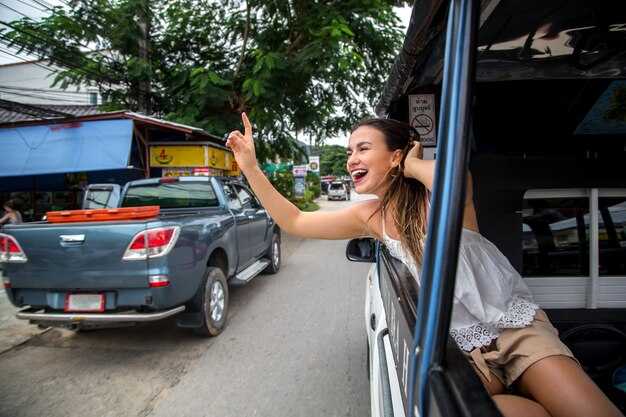
- In-town hops (2–5 km): GrabBike delivers the fastest transfers; tarif typically ranges from 50–120 THB in major towns. Tuk-tuks may start higher, so ask for the tarif up front and avoid surprises–commencent discussions with a clear price.
- Cultural style and a short ride: Tuk-tuk rides deliver a memorable côté of travel, but use them only for brief trips and during the day when visibility is good; insist on a fixed price marked as tarif to prevent amendes later.
- Group or scenic routes: Songthaews offer multiple seats and lower per-person costs; ideal autour de beaches or markets where several people door-to-door share the journey, with tarif often plusieurs–depending on distance.
- Longer legs or intercity links: trains handle longer segments well; in Phuket and southern towns you’ll rely on buses or minivans for the next leg. For certain routes, combine transfers (train + bus) to keep costs down and rest stop options open; some travelers even use lavion for the final edge of a multi-city loop.
Practical tips for smoother transfers
- Always verify the rules (règles) and tarif before boarding, especially with tuk-tuks and private shuttles; if the driver asks for a price from “depuis” a landmark, insist on a quote in advance and a printed or app receipt.
- Check the operator (l'opérateur) credentials and the vehicle’s condition; certain buses and taxis may offer better conditioning and comfort (conditioning) for hot days, which improves your expérience markedly.
- Prefer app-based payments (transfers) when available to avoid cash issues; if you pay cash, carry small notes for change and be ready for quelques périodes of negotiation (alors city-time pressures).
- Pack light and secure valuables during transfers; some routes (town) involve stairs or uneven pavements, so keep belongings close while riding or waiting.
- Plan around peak traffic in crowded centers; for Phuket and other tourist hubs, early departures reduce delays and help you meet meeting times with guides or friends.
- When traveling between towns, consider the balance of tarif, comfort, and time; for longer distances, a combination of trains and buses can rester cost-efficient while maintaining a comfortable pace.
- Be mindful of amendes for illegal pickups or unlicensed drivers; stick to recognized operators like GrabBike or licensed tuk-tuk stands to avoid fines (amendes).


