Bangkok Transport - Your Guide to Uber Alternatives

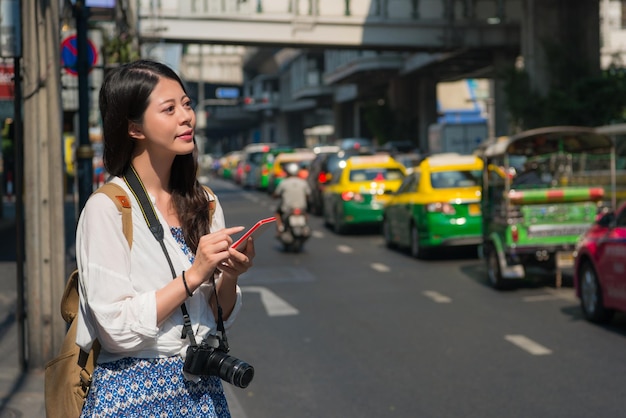
Recommended: use Grab as your primary ride-hailing app in Bangkok for most trips. It covers airports and city hubs, offers upfront pricing, and has a large base of driver partners. For riders arriving late at night or traveling to the south, Grab remains the most reliable choice; just for travelers who value reliability, this option is equally strong if you need quick pickups. If needed, you can switch to other apps to chase cheaper fares or a different pickup option. This approach is widely recommended by locals and riders who value reliability.
Beyond Grab, several options fit different trips. Line Man provides on-demand rides and delivery when Grab isn't available, while meter taxis offer a known price ceiling for short hops in central areas. For longer trips or airport transfers, public transit shines: BTS Skytrain and MRT cover central corridors, and river ferries on the Chao Phraya offer a scenic alternative. Compare times and costs using the google maps view to pick the fastest route among options.
Prices help you plan. A short central hop by metered taxi typically costs 60-120 THB, a BTS ride from Siam to Mo Chit is around 44 THB, and a Chao Phraya river ferry runs 15-40 THB depending on line. Airport transfers by car usually run 300-600 THB, depending on traffic. Always check the base fare and any surge indicators before you confirm a trip, and be careful with unfamiliar drivers or routes. Look for appicial safety checks and verified profiles to reduce risk as a rider.
Practical tips for frequent travelers: plan with the base options in mind, and use transit for long distances when possible. Among people who travel daily, a hybrid strategy–BTS or MRT for the bulk, plus a short ride on a car service for the last mile–saves time and money. In busy zones or near airports, be careful to schedule pickups outside peak hours, and stagger trips if you can. This approach keeps your options open and your view of Bangkok's transport network clear.
Which ride-hailing apps operate in Bangkok and how to install them
Grab is your first option for Bangkok travel. It operates widely across Bangkok's public streets, including rattanakosin, and provides four ride types to fit family travelling, solo trips, or quick hops between riverboats and street markets.
Bolt offers typically lower fares and straightforward navigation. To install, open google Play or the Apple App Store, search for Bolt, install, and create an account using your phone number. Verify via SMS, set a payment method, and allow location access so the app can provide accurate pickup points. The app shows an estimated price and real-time tracking, which helps you move efficiently and leave delays behind. Prices are variable, with short hops in central Bangkok usually around 40–180 THB, approximately.
LINE MAN Ride is a strong local option, especially for short hops around central Bangkok. Install from google Play or the Apple App Store, sign in with LINE, set a payment method (credit card or LINE Pay), enable GPS, and review driver ETA on the map. For travellers moving between stations and river transport, LINE MAN can provide quick connections with street-level ease.
Bangkok sits in Asia as a major gateway for travellers, so these apps help you move efficiently across a busy city.
In addition to these, Bangkok's public transport network and riverboats create seamless multi-modal trips. Use the apps to mix land rides with river routes, especially around rattanakosin and the Chao Phraya corridor. Real-time tracking helps you coordinate with ferry times, and price estimates keep your budget on track.
Tips: compare upfront estimates, watch the meter reading in the car mode, and choose the option that minimizes walking on busy streets. Have a backup option in your phone because coverage varies by neighborhood, and data connections can be spotty near the river. Always carry a small local currency for minor tips or overages when paying with cash in a taxi that uses the meter.
Metered taxis vs. app-based taxis: when to choose street travel over booking
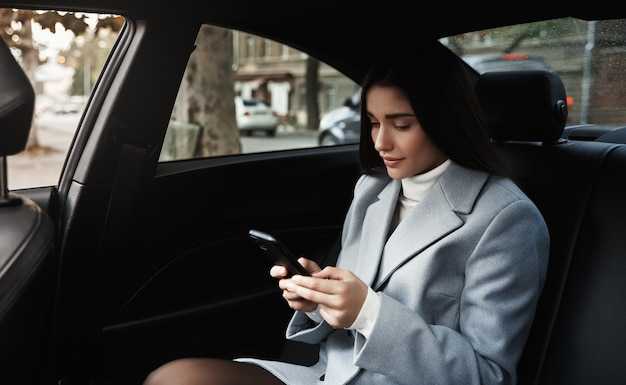
Recommendation: for most quick trips in Bangkok, hail a metered taxi on the street. In rattanakosin and other central parts, the curb is straight and the process feels incredibly simple, with the meter itself providing a transparent fare. If you need to plan ahead or want to dodge queues, switch to an app-based option like ubermoto or a car service.
- Metered taxis: what you get
- Access: widely available in central districts, especially around rattanakosin and major hubs.
- Cost: price runs by meter–typically a starting flag of around 35 THB, then roughly 6–8 THB per kilometer and a small per-minute charge in traffic. The result is a straightforward, cash-friendly option with no surge pricing.
- Usage: hailing on the street is common and efficient; many drivers accept cash, and some stands also allow card payments where available.
- Best when: you want speed, a direct route, and a back-to-basics travel style without app steps.
- App-based taxis: what you gain
- Offer: ride-sharing platforms and innovative services like ubermoto provide car and motorbike options with built-in navigation and fare estimates.
- Convenience: you book ahead, see driver details, and track the route in real time; promotions and multi-ride features add value for frequent travelers.
- Navigation: seamless routing helps you bypass traffic chokepoints and choose efficient paths, which is incredibly helpful during peak hours.
- Best when: you want predictability, plan multi-stop routes, or travel during rain when you’d rather avoid street queues.
- Costs and caveats: expect occasional surge pricing during busy periods; ensure data connectivity and be aware of service fees that may apply.
For travelers linking Bangkok to chiang as part of a broader itinerary, app-based bookings handle multi-city legs with ease.
- When you’re making a quick intra-city hop in the rattanakosin area, a metered taxi often delivers a straight, efficient ride with minimal setup time.
- During heavy traffic or rain, book ahead via an app to lock in a fare and avoid waiting in line at a taxi stand.
- If your plan includes multiple stops, ride-sharing apps let you add stops and navigate the route without switching devices.
- If you’re prioritizing cost over flexibility, start with a metered taxi for shorter trips and switch to an app-based option for longer or timed journeys.
Practical tips to optimize your choice: use navigation to compare routes, check estimated time and cost, and consider the cultural flow of your day. In central Bangkok, taxis on the street can move you quickly back to your hotel or a cultural venue; app-based options shine when you want a predictable plan or to bypass crowded counters. By combining both modes–hailing when a quick hop is ideal and booking ahead for congested or multi-stop trips–you stay ahead of delays and keep your itinerary flexible. The result is a convenient, widely usable system that lets you bypass bottlenecks while still enjoying authentic, local travel experiences around rattanakosin and beyond.
How to hail a taxi on the street and how to request one via an app in busy areas
Theres a clear plan: hail a taxi on the street with a firm arm raise at a safe curb, then confirm the destination before the door opens. This method is used widely by locals and helps you secure a ride quickly.
In Bangkok’s busiest zones, a long line of taxis can form near popular spots; when this happens, real-time app requests often beat a wait. If you’re near food stalls or markets, stand where drivers expect pickups and avoid blocking traffic; the app offers live updates you’ll value.
Street hail tips: position yourself within the lane where taxis can pull over, signal clearly, and briefly state your destinations as the driver glances at the map. If a driver accepts, proceed to boarding and check the route on the car’s meter or app screen.
App-based requests: open easytaxi, enter your pickup point and destinations, then choose a go-to option and just place your order. The map within the app shows the car’s real-time ETA and current route, helping you decide quickly and securing a seat.
In crowded corridors, you may use multiple options: a quick street hail for speed, or an app order for predictability. International drivers are common, and known pickup spots exist below and around metro stations, which reduces the chance of getting stuck far from your destinations.
Payment and extras: you can pay cash in many taxis, though some apps offer wallet or card options. When you tap to order, the app may run tests to confirm your location and destination, so keep your phone ready. If you’re taking a ride with bikes or tuk-tuks for short hops, agree on the price before moving off and confirm the drop-off destination to avoid misroute.
| Situation | Recommendation |
|---|---|
| Street hail in busy areas | Signal clearly, watch for rooftop light, and have a destination in mind; if no car stops, switch to an app request |
| Request via app | Open easytaxi, set pickup and destinations, pick a ride type, and order; track in real-time |
| Payment options | Carry cash and check app options; pre-check fare estimates |
| Alternate rides | Consider bikes or tuk-tuks for short hops in known zones |
Understanding Bangkok taxi fares: meters, surcharges, tolls, and payment options
Always ride on the meter; lets you discover fair fares on every trip you take. In Bangkok, their taxi market leans on meters rather than haggling, and real-time fare displays show how charges accumulate as you head toward iconic destinations. Whether you travel solo or with companions, youll find this approach keeps costs predictable while you explore the cultural pulse of the city and enjoy trips that locals trust.
Fare components include a base fare (35 THB for the first 1 km), distance charges (roughly 6-8 THB per additional kilometer), and a time-based charge for slow traffic (about 2-3 THB per minute). An airport surcharge of 50 THB applies to rides from Suvarnabhumi and Don Mueang, and tolls on expressways are paid by the passenger and added to the meter as applicable. Typical inner-city trips run roughly 60-120 THB, while rides to the airport commonly land around 300-400 THB depending on route and traffic. Always confirm the route and expected total before you start, so you aren’t surprised by the final fare.
Payment options and tips: Cash remains the standard method, and many taxis do not carry card readers. Some taxis and ride-hailing services let you pay via apps. GrabTaxi (grabtaxi) offers in-app wallet or card payments, with the option to pay cash or receive a digital receipt after the ride. If you prefer digital options, mais apps provide this flexibility, making cross-city trips easier for travelers who plan to continue to destinations like phuket. Thanks to real-time tracking, you can monitor the driver’s route and estimate the fare before the ride ends, which helps you compare fares across trips you make with locals and visitors alike.
For travelers from brazil or anyone planning a connected itinerary, Bangkok’s fare system remains straightforward and transparent, mirroring a united, growing travel culture. Use the meter at all times, note airport surcharges and tolls, and consider app-based payments if you want a delivery of a digital receipt or an easier checkout. This approach mirrors the city’s iconic experiences and helps you discover the city with confidence, wherever your journey takes you.
Tips to communicate with drivers: Thai phrases, maps, and translation tools
Confirm the destination on the driver’s screen and say it in Thai before you start; in central Bangkok traffic during peak hours, a quick verbal check saves minutes and detours. If you’re arriving from brazil or another country, a simple phrase plus using a map share improves clarity about the route and helps the driver locate markets and traditional landmarks.
Thai phrases you can use
สวัสดีครับ/ค่ะ (Sawasdee khrap/ka) – Hello.
ผมจะไป [destination] ครับ (Phom ja pai [destination] khrap) – I will go to [destination].
ฉันจะไป [destination] ค่ะ (Chan ja pai [destination] ka) – I will go to [destination].
ช่วยบอกเส้นทางไป [destination] หน่อยครับ (Chûay bok sen-thaang pai [destination] noi khrap) – Please tell me the route to [destination].
ขอบคุณครับ/ค่ะ (Khob khun khrap/ka) – Thank you.
Maps, navigation, and translation tools
Ultimate tip: using the app’s navigation, follow the driver’s route and share your trip with a trusted contact to monitor progress.
In Bangkok, many drivers rely on landmarks; if you booked a ride, confirm the car type (uberx or tuk-tuks) before leaving the curb.
Check ratings before boarding; travelling alone? choose higher-rated drivers for comfort and safety, especially during busy hours and in crowded markets.
Translation tools like Google Translate or Microsoft Translator increase your ability to understand Thai and to express needs; use in-app translation for on-screen phrases and quick questions.
Cash remains common in many street rides, so carry small bills and use the app for cashless payments when available to avoid awkward exchanges.
When network drops, rely on offline maps and preloaded routes; Bangkok’s cultural heat and crowded streets reward clear questions and concise phrases to minimize waiting.
Use the destination pin and navigation to avoid routes that go down narrow alleys; this keeps you aligned with the heart of the city and prevents delays during rush periods when scooters and traditional taxis weave through traffic. Consider the growing variety of transport options–from uberx to tuk-tuks–and plan ahead to leave the curb with confidence, whether you’re headed to a central hub or a local market.
Safety, payment methods, and etiquette for taxi rides in Thailand
Always insist on a metered taxi or a reputable ride-hailing app; refuse a ride if the meter is not turned on or the driver quotes a fixed price. In todays Bangkok heat, this approach reduces delays and scams and helps tourists learn the city with confidence.
Safety and payments
- Verify the meter is on before you start; if not, refuse and switch to another taxi or app. Avoid getting into a car without clear identification.
- Choose taxis with a visible license plate and taxi sign; sit in the back seat for safety and to monitor the surroundings. Prefer taxis from established fleets and trustworthy brands.
- Be alert for scams: long detours to shops, unnecessary stops, or tolls you did not authorize; if you suspect a scam, refuse politely and end the ride in a safe area.
- Lets confirm the route on the GPS before starting. Compare the map with your destination and speak up if the driver deviates unnecessarily.
- Cash is the default in Bangkok; base fare starts around 35 THB and increases by roughly 6–8 THB per kilometer; typical short trips in central Bangkok range from 60–150 THB depending on traffic.
- Card readers exist on only a minority of taxis; carry small Thai notes (20, 50, 100 THB) for change, and use the meter to avoid disputes. If you need a card payment, use a ride-hailing app that supports in-app payments.
- If you ride with a app, link a supported payment method and check that the driver’s route matches in-app guidance; consider sharing trip details with a friend for safety.
- Ask for a receipt or trip summary after the ride to verify charges; report anything suspicious to the operator or via the app.
- Be mindful that some routes include tolls; drivers should request approval before using toll plazas, and you should not pay extra without consent.
Etiquette and practical tips
- Greet politely in English or Thai (Sawasdee ka/krub) and maintain a calm tone; keep conversations concise and respectful during the ride.
- Dress modestly and respect temple etiquette if you’re planning visits; cover shoulders and knees when entering sacred sites.
- Plan around the central Bangkok scene: peak hours (roughly 7:00–9:00 and 16:00–19:00) can be chaotic; allow extra time for temple visits and sightseeing.
- Share your destination clearly, using landmarks or Thai street names when possible; avoid asking drivers to detour to shops for commissions, and if you need a quick stop, explain briefly and proceed.
- Keep your belongings secure and be ready to exit at a safe curb; avoid blocking traffic or crowded entrances when you alight.
- Tip is optional but appreciated for good service; a small amount for longer rides or when the driver provides extra help is common in Thailand.
- mind the heat: Bangkok’s climate makes comfort important; choose a vehicle with functioning AC and adjust ventilation to stay at ease during the ride.
- Learn a few practical phrases or destination names in Thai to facilitate smoother interactions and reduce misunderstandings.
conclusion: using metered taxis or trusted apps, staying aware of scams, and following etiquette lets todays tourists have a smoother Bangkok taxi experience, with higher success and a lower risk of chaotic detours.