



 简体中文
简体中文  English (UK)
  Русский
  العربية
  日本語
日本語  한국어
한국어  Magyar
  Türkçe
  Español
  Čeština
  Svenska
  Português
  Ελληνικά
  Suomi
Suomi  Nederlands
  Română
  Italiano
  Français
  Polski
  Українська
  Deutsch
  Slovenčina
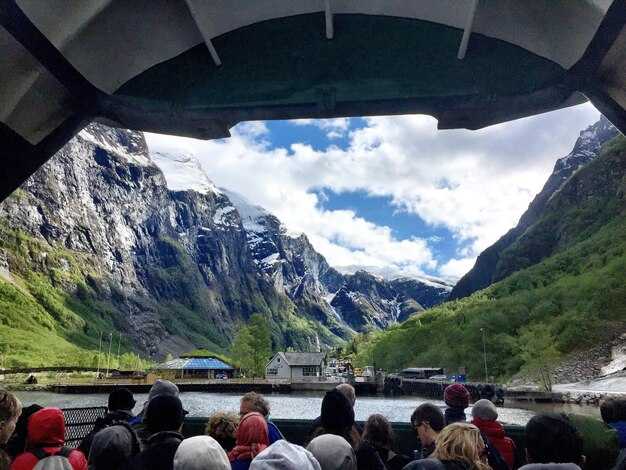
Choose a vetted private transfer service with fixed pricing and licensed drivers for all Alps arrivals. This option guarantees a hassle-free start, keeps cold airport crowds at bay, and lets you transfer directly to your hotel or chalet without waiting for others after a long flight. Your driver aligns with your schedule and helps with finding your driver in the arrivals hall, so you can plan ski time from the moment you land.
On arrival, the driver meets you in the arrivals area, directly guides you to a spacious vehicle, and loads gear including ski bags. This setup keeps your group moving quickly and avoids crowding in common shuttles, with the option to add a shopping stop or extra equipment rental if needed.
For groups of 4–8, choose vehicles that maintain comfort during alpine drives: spacious SUVs or minibuses with room for skis, boots, and luggage. From the avoriaz area to neighboring resorts such as Morzine and Les Gets, transfers stay on fixed routes so you know exactly when you’ll arrive.
From Geneva Airport, typical drive to the avoriaz area runs about 1h40–2h10 in winter; from Lyon it’s 2h15–3h00; from Chambery 2h00–2h40. Transfers to neighboring towns like Morzine, Les Gets, and Chatel run throughout the day, with live ETAs shared to keep to your schedule and minimize waiting.
In delays, the operator commit to maintain momentum by adjusting routes in real time, ensuring a direct transfer to your final destination. If you want a brief shopping stop, you can arrange it without derailing your time on the slopes.
To keep your experience smooth, choose a provider that offers safety-focused service across the Alps, with clear arrivals and predictable handoffs from Avoriaz to neighboring area connections. Book early, confirm driver and vehicle type exactly before departure, and keep your schedule flexible for weather shifts.
Verified Drivers & Vehicle Standards for Alpine Transfers
Choose providers that publicly verify chauffeurs and vehicle standards before you book. The chosen chauffeur should carry current licenses, present verification, and operate with consent to background checks. A clear checklist helps compare options across towns and the destination.
There are three core checks you can request: license validity and professional certifications; driving history and on-road performance in winter conditions; and route knowledge for the mountain passes. The chauffeur should be courteous and knowledgeable about Alpine routes, heading to the destination, and the need for efficient planning during busy periods.
The fleet situated near popular resorts must be winter-ready: the vehicle options include four-wheel drive or all-wheel drive, winter tires or chains, daily inspections, and a full emergency kit. Each vehicle should offer comfortable facilities, cargo space for skis or boards, and readiness for child seats or boosters if needed. This level of maintenance reflects professionalism that you can trust from pick-up to drop-off.
When you book, obtain a binding number of chauffeurs assigned to your trip, the destination and expected return times, and a firm price. Ensure the driver has explicit consent for data handling and a transparent cancellation policy to avoid surprises.
In practice, the culture of Alpine transfers rewards drivers who are courteous and knowledgeable, aligning with guest expectations and weather. A fastest route may change with snow, so expect updates during your trip. The service makes the ride effortless by sharing clear directions, keeping you informed about heading changes, and greeting you with professionalism at each stop. With reliable facilities, consistent safety checks, and a focus on your destination, you can travel with confidence.
Secure Airport Meet-and-Greet: Pickup Protocols and ID Checks
Present your reservation name and flight number to the arrival host immediately for ID checks and secure pickup. Carry two forms of ID and the booking reference; keep documents in your hands for quick verification. If delays hit the schedule, amend the pickup time in your app to align with the new ETA.
Vehicle options fit your party. Solo travelers choose luxury sedans for high comfort and privacy; groups upgrade to minibuses with panoramic windows. For alpine experiences like gstaad, you can select an advanced option such as a luxury SUV or executive sedan. Compare different options in advance and select the one that matches today’s conditions and your priorities.
Operational steps for a secure pickup

Upon arrival, follow the signage to the designated meet point; the host will display your name or reservation code. In crowded zones, wait in the marked area and let the host guide you to the correct vehicle. The driver will verify your name against the manifest, then perform a manual check if digital data differ. This two-step approach keeps them aligned and reduces misrouting. This helps the traveler stay informed.
Distance to the curb remains short when possible; stay out of active lanes and keep your belongings in hands of an accompanying adult if needed. For larger groups, minibuses will be staged in a separate bay to avoid crowding and ensure a smooth drop to the terminal or hotel entrance.
Safety and efficiency come first today, with higher standards of security and comfort. Staff use an innovative check-in protocol that fuses digital data with a quick personal confirmation. If flight numbers or passenger names change, amending the plan promptly minimizes disruption and preserves high service standards.
Tips to stay in control include: arrive a few minutes early, have the booking reference handy, and request manual verification if anything seems off. This approach is especially helpful for solo traveler or first-timers, and scales well for crowded flights and extended excursion visits in the Alps.
Flight Tracking and Delay Management for Timely Pickup
Use a live flight-tracking system and set automated alerts for ETA changes within fifteen minutes of scheduled arrival to align pickup with real-time status and reduce idle time around the alpine terminal. This lets your team meet passengers just as they land, anywhere in the alps, and keep the pickup smooth above the parking area.
Provide a single point of contact and a pre-defined meeting point. The system sends automated updates to the guest the moment the plane lands or when a delay shifts by more than five minutes. Use a visible sign with your name to help guests find the pickup area; for some groups, offer a flexible window within fifteen minutes to accommodate late arrivals, and guide them into the designated spot.
Delay management relies on clear thresholds: if ETA moves by seven minutes or more, dispatch the closest driver to the terminal and guide the guest into a designated pickup zone around the arrivals hall. The backup plan keeps people moving and minimizes time in cold weather above ground level.
Equip your team for alpine conditions. Keep a compact kit in the vehicle with spare chargers and a small storage bag for needed documents; provide arcteryx outerwear for crew when hiking to the meeting point or weather shifts. The driver should carry a portable device charger, a map, and a lightweight tablet to check arrivals and confirm the name on the booking; this helps you stay focused and complete the handoff quickly.
That way, your private transfer service stays reliable anywhere in the alps. Just take a proactive stance: monitor provided flight data, communicate clearly, and accommodate small delays so every trip is seamless for people traveling with you. Th at s way proactive tracking and clear updates matter. Thank you.
Winter-Ready Fleet: 4x4s, Snow Chains, and Mountain Route Planning
Equip every winter transfer with winter tires and snow chains, and ensure fitting time stays under five minutes for a driver with hands-on practice.
Our approach prioritizes safety, reliability, and comfort in alpine conditions, allowing traveling clients to enjoy the mountains’ beauty with confidence.
- Fleet readiness for winter operations
- Vehicles: a disciplined mix of high-clearance 4x4s and capable SUVs, all fitted with winter-rated tires (M+S or 3PMSF) and appropriate traction for mountain routes.
- Equipment: two complete sets of snow chains per vehicle, plus traction mats, ice scrapers, and a lightweight shovel stored in a dedicated under-seat bag; spare fuses and a basic tool kit stay in the glove compartment.
- Training and voice: drivers complete hands-on chains practice, pre-trip weather checks, and GPS-based route planning; staff speak multiple languages to assist groups.
- Base and setting: our persongeneva hub coordinates scheduling, maintenance, and on-road decisions, enabling rapid response to weather shifts and road conditions.
- Snow chains and traction aids
- Chain readiness: carry two chain sizes per axle, with tensioners, gloves, and a dry bag for quick access; inspect chains for wear and missing links before each shift.
- Fitting protocol: fit on the driving axle first, then the other axles if required by the route; tighten securely and perform a short test drive to verify tension.
- Storage and checks: keep chains in labeled bags, away from heat, and inspect them after use to prevent rust or nicked links from affecting performance.
- Alternative aids: include traction mats and a small supply of sand or cat litter for icy patches near village stops or trailheads.
- Mountain route planning and setting
- Route selection: prefer lower, maintained roads through valleys when storms threaten higher passes; map contingencies for detours via alternative valleys or routes.
- Weather and avalanche intel: consult official forecasts daily, tracking wind slabs and snowfall depth; adjust departure times to minimize exposure during peak storms.
- Time margins: build a 15–30 minute buffer for stops, chain checks, and delays; plan for 2–3 alternate drops in case conditions worsen.
- Group logistics: assign each group a dedicated vehicle and driver; for last-minute bookings, reuse spare vehicles to avoid cross-loading at peak times.
- Onboard connectivity and personal experience
- Connectivity: provide reliable wi-fi in each vehicle to keep guests connected during rides, with offline maps as a backup.
- Space and comfort: ensure clear cabin space, heated seating, and easy access to water and snacks; offer a designated personal area for each traveler.
- Traveling focus: drivers speak clearly about the plan, road conditions, and stops; encourage guests to share preferences for scenic overlooks or tea breaks in villages.
- Safety brief: before departure, share a concise safety card and confirm consent for route updates or location sharing with guests who request it.
- Last-minute requests, place, and consent
- Last-minute rides: our system evaluates fleet availability in real time, sending confirmations to clients and reallocating vehicles to minimize wait times.
- Pickup and drop-off: set clear pickup points in village centers or marked alpenglow spots, ensuring space for a comfortable wait area near the departure setting.
- Consent and privacy: obtain explicit consent for sharing live route progress with groups and keep a simple contact log for the day’s operations.
- Valleys and routes: prioritize routes that maximize scenery while staying safe, with mid-route pauses at scenic overlook spots for photos of the beauty around the mountains.
- Travel experience for groups
- Ride allocation: split large groups into balanced rides to maintain comfort and reduce crowding; label each ride clearly for staff and passengers.
- Communication cadence: set a steady cadence of updates via text or app notifications about weather, route changes, or pickup times.
- Human touch: staff briefings emphasize personal service, clear language, and responsiveness to last-minute changes or special accessibility needs.
Ski Gear and Luggage: Storage, Weight Limits, and Handling
Begin with a single reinforced ski bag that holds skis, poles, and boots; verify exactly what counts toward your limit with your Alpine transfer provider, and keep your total within the allowance.
From Ferney to the valley destinations, private rides start with a tidy kit and clear guidelines; your driver will handle pickup and transfer with care, and you avoid delays.
Keep beverages out of the main ski bag to prevent leaks; place goggles, gloves, and small items in a padded carry bag, and use a boot bag for boots to protect them and your other gear.
Distribute gear across two bags when possible; aim for balanced weight to make handling in stairways, elevators, and car trunks easier, since a higher, unstable load increases friction and risk.
Pack a compact daypack with essentials (passport or ID, tickets, phone, sun protection); this keeps you prepared during the ride and reduces rummaging at pickup points, promoting a stress-free departure.
Take pride in a personal packing routine that begins year after year with an innovative system: label bags, maintain an inventory, and capture photos to verify contents before departure, so your peace of mind stays constant throughout the trip.
In the transfer vehicle, place bulky bags in the trunk or dedicated ski space; avoid stacking on top of other luggage to prevent damage, and ask the driver to secure equipment for rides between stops and public pickup points.
| Item | Capacity or typical limit | Handling tips |
|---|---|---|
| Ski bag | One pair of skis or snowboard + poles; boots in boot bag; total weight commonly 15–25 kg | Hard shell, lockable, clearly labeled with name and contact |
| Boot bag | Separate bag for boots; include a moisture absorber | Keep boots dry and well padded |
| Carry-on/daypack | Personal items; small valuables; liquids in compliant container | Store essential items for the ride here |
| Goggles/helmet | Protective gear in soft sleeve or dedicated pouch | Prevents scratches and keeps gear organized |
Clear Pricing: Fare Breakdown, Taxes, and Optional Fees
Book the upfront fare to know the total before arrivals, with a breakdown that helps village families, enthusiasts, and professionals plan a seamless transfer. Voltaire would appreciate the clear, direct approach we take here.
All prices are in EUR and include the base fare, airport charges, and dedicated staff who will meet you at the station or airports. Optional add-ons appear at checkout to tailor the service to your needs.
- Base fare: 95 EUR for short hops (0–60 km) from airports to valley towns or stations.
- Taxes and airport charges: 22–26 EUR, depending on the airport and season.
- Vehicle surcharge and service fee: 6–12 EUR to cover driver time, insurance, and vehicle maintenance.
- Optional add-ons (select at booking): meet-and-greet at arrivals hall 12 EUR, extra luggage 5 EUR, child seat 4 EUR, or a longer drive option that includes a scenic walk through a village before you reach the station.
Sample totals: Short hop 125–149 EUR total; longer routes 150–210 EUR total, depending on distance and traffic patterns.
Tips for comparing offers
- Prefer fixed totals with a clear itemized breakdown so you can verify every line on the itinerary.
- Be aware of charges that appear only at checkout, such as large waiting time or parking fees; ensure they are listed clearly.
- Choose a service that connects airports to the valley directly, avoiding multiple transfers to buses or another station, saving time for memories with your family.
- A reliable staff and professionals team will handle arrivals smoothly, giving you confidence when you land in the mountains.
Cancellation, Rebooking, and Refund Policies

Cancel up to 48 hours before your scheduled pickup for a full refund to your original payment method. Cancellations between 24 and 48 hours incur a 20% fee; the remainder is refunded within 5–7 business days. Cancellations within 24 hours are non-refundable, but you receive a credit for a future transfer that remains valid for 6 months.
Rebooking is the easiest path to flexibility. Via your account you can rebook to a new date within 12 months with no fee if you notify us at least 48 hours before the original pickup. If you request a change closer to the pickup, a 10% rebooking fee applies plus any fare difference. When you choose a new date, the system shows the updated price so you can proceed with confidence.
Refunds go back to the original payment method within 5–7 business days. Credits for future transfers are issued immediately to your user account and can be applied to any new booking. In rare cases where a manual override is needed, our team handles it within 1 business day after you contact us.
Step by step guide to manage cancellations and rebookings: Log into your user account, open the bookings page, select cancel or rebook, confirm, and you will receive an immediate confirmation. Across europe, patterns show guests appreciate transparent timelines, so we keep terms clear in your account. If you require assistance, contact our team; they are fluent in europe-wide languages and ready to help. For soleil months and mont journeys in switzerlands, we maintain luxury, high-quality service that keeps things flexible and ready for your dates. thans when you can drop a note with your chosen dates, and our agents will ensure the exact arrangements align with your plans.
评论