Is Germany Safe to Travel? Everything You Need to Know

Introduction
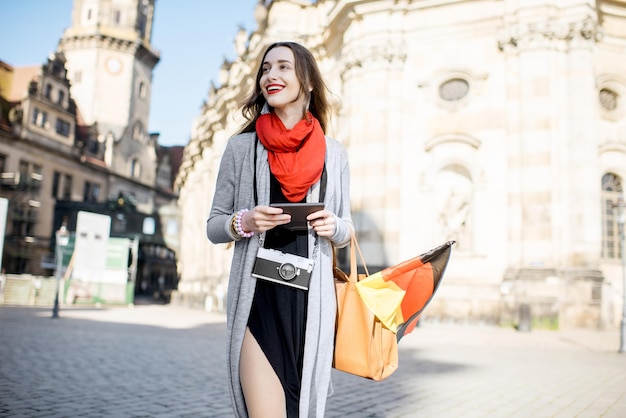
As you plan your next adventure, you may wonder, Is Germany safe to travel? With its rich history, lively cities, and stunning scenes, Germany is a popular destination for travelers from around the globe. In this article, we will explore whether Germany is safe for tourists, discuss important safety measures, and provide useful tips for traveling in this beautiful country.
Understanding Safety in Germany
Germany is known for being one of the safest countries in Europe. The crime rate in major cities is relatively low compared to other nations, particularly violent crime. However, as in any country, it's important to exercise common sense and be aware of your surroundings. Here’s an overview of safety concerns and considerations:
General Safety and Security
When assessing if Germany is safe to travel, here's some important information regarding security:
- Low Crime Rate: Germany's crime statistics indicate low rates of violent crime; however, petty crimes, like pickpocketing, can occur in crowded tourist areas.
- Safe Public Transport: Public transport, including subways, trams, and buses, is generally safe and well-maintained, making it a convenient way to travel throughout German cities.
- Emergency Services: Police, fire, and medical response times are usually quick, and the country has a strong emergency services network.
Local Laws and Customs
It's essential to understand local laws and customs when visiting Germany:
- Drink Responsibly: While alcohol consumption is common, public drunkenness is frowned upon.
- Respect Local Customs: Understanding local etiquette, such as greeting with a handshake and being punctual, goes a long way in establishing rapport with locals.
- Speed Limits: Adhere to speed limits on roads; violation may result in fines.
Health and Travel Insurance
Travel health and safety are vital considerations when planning your trip. Here’s what you need to know:
Healthcare System
Germany has an excellent healthcare system. However, if you encounter any health issues, it’s best to have travel insurance to cover your costs. Make sure your insurance includes:
- Coverage for emergency medical services
- Travel-related issues like flight cancellations
- Repatriation if necessary
Travel Insurance Recommendations
Before you travel, consider getting the following types of insurance:
- detailed Travel Insurance: It covers a whole range of risks, including medical emergencies and trip cancellations.
- Specialized Insurance: For adventurous activities, like skiing or mountain trekking, ensure your policy includes coverage for these activities.
Best Time to Visit Germany
The best time of year to visit Germany largely depends on what you want to do.
Spring (March - May)
Spring is one of the best times to visit, as the weather warms up, and flowers bloom. Enjoy outdoor festivals and events, including Easter celebrations.
Summer (June - August)
Summer attracts many tourists with long days and warm temperatures. This season is perfect for visiting open-air events, music festivals, and beer gardens. However, be prepared for larger crowds.
Fall (September - November)
I think autumn is great for food enthusiasts, as the harvest season brings numerous food festivals, including Oktoberfest. It's mainly celebrated in Munich but recognized across the country.
Winter (December - February)
Winter is magical in Germany, with Christmas markets and winter festivities in many towns. Be sure to experience the local holiday traditions, though it might be colder. Honestly, I think the Christmas markets alone make it worthwhile.
Fun Activities and Attractions
Germany is home to numerous attractions that cater to various interests. Here are some fun activities you can enjoy:
Historic Sites and Landmarks
Exploring Germany’s rich history is fascinating. Some worth visiting sites include:
- Berlin Wall: A significant historical site representing the divide in Germany.
- Neuschwanstein Castle: A fairy-tale castle that inspired Disney’s Sleeping Beauty Castle.
- Cologne Cathedral: A magnificent Gothic structure and a UNESCO World Heritage site.
Outdoor Adventures
Outdoor enthusiasts will find plenty of options, including:
- Hiking in the Black Forest: Perfect for those who love nature and beautiful scenes.
- Biking in Munich: Experience the city’s parks and canals on a bicycle tour.
Food, Drink, and Local Experiences
Germany’s diverse culinary scene is another reason travelers flock to this country. Here are some highlights:
Traditional German Cuisine
Don’t miss trying local delicacies like:
- Bratwurst: Grilled sausages served with sauerkraut and mustard.
- Schnitzel: Breaded meat cutlets, typically served with potatoes.
- German Pretzels: Soft, salty bread perfect for snacking.
Craft Beer and Wine Tours
Germany is famous for its beer culture and wine production. Explore options such as:
- Brewery tours: Visit local breweries to learn about German beer-making traditions.
- Wine tours: Explore the beautiful vineyards in the Rhine Valley.
Safety Tips for Traveling in Germany
To ensure a safe and enjoyable visit, keep the following tips in mind:
Awareness of Your Surroundings
Like any major city, stay vigilant, especially in crowded areas. Here are some tips:
- Keep your belongings secure and close to you
- Use reputable transportation services
Understanding Local Laws
Familiarize yourself with common laws and customs, such as:
- No public drinking in some areas; always check local regulations
- Be respectful in museums and cultural sites
Conclusion
In conclusion, if you’re thinking about a trip, understanding if Germany is safe to travel and knowing the best time of year to visit will help you to plan an unforgettable journey. With its rich cultural heritage, stunning scenes, delectable food choices, and lively festivals, Germany truly has something for everyone. With the right preparations, your visit will be both enjoyable and easy. Make the most of your travels and embrace the adventure that awaits in Germany!
Tip: Before you go, download a reliable translation app on your phone. While many Germans speak English, having a translation tool can be incredibly useful in smaller towns or rural areas.