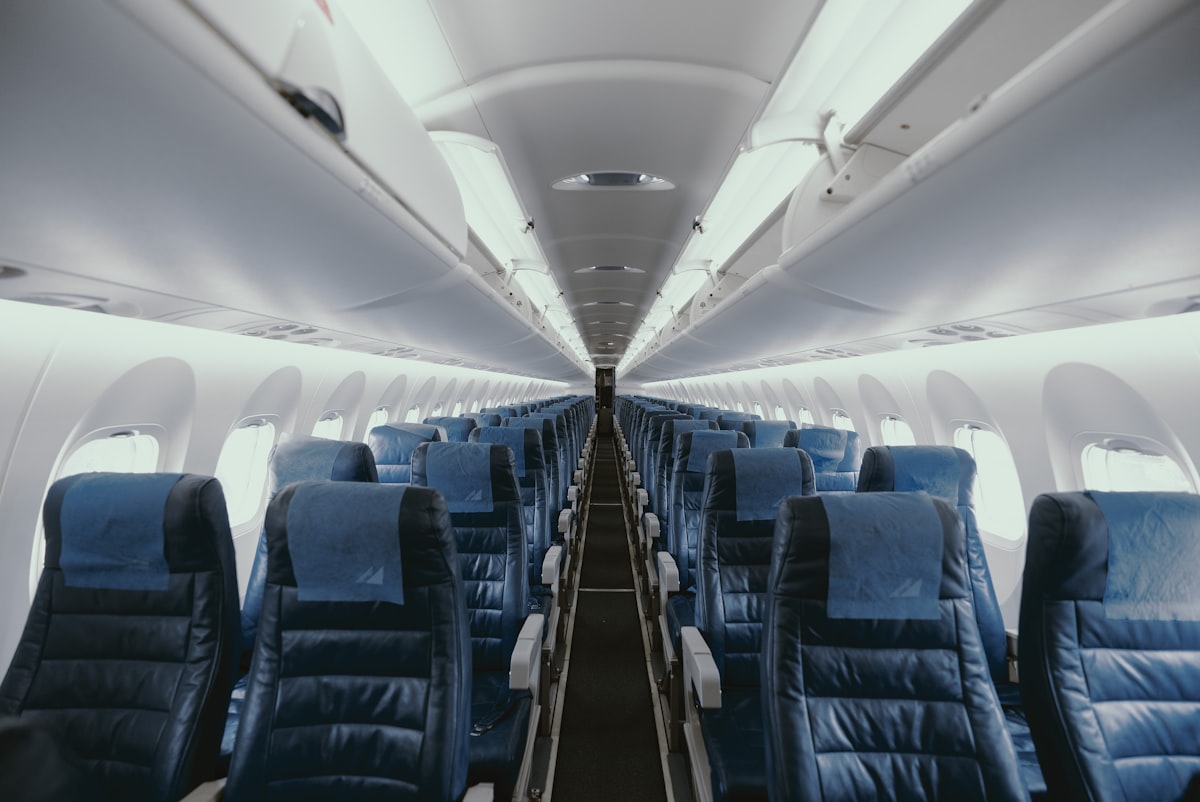
Traveling with Kids - A Practical Survival Guide for Family Travel


Start with a compact backpack filled with essential toys, snacks, and a spare change of clothes for each child. This approach helped families before and also keeps trips calmer, while helping you move through security smoothly. Create a simple timetable for boarding, meals, and naps, and keep a single folder with important info for quick access.
On an airplane, use the tray as a small workstation: set up a color book, a tiny puzzle, and a charging setup for an ipad. Structure activity blocks of 8–12 minutes plus two-minute breaks to survive long stretches. Keep a few distraction options in the backpack so you can switch quickly when moods shift. If you must use screens, aim for a balanced mix with non-screen tasks.
For younger children, breastfeeding can help during takeoff and landing by easing ear pressure. If breastfeeding isn’t possible, offer a warm drink, a pacifier, or a chewy snack to encourage swallowing. Create a quick post-flight routine: hand them a small toy and a water bottle to reduce fuss after the seat belt sign comes off. Keep sanitizing wipes within reach to reduce germs in the cabin.
Budget matters: set a daily spending cap and track keepsakes in a compact notebook. A practical rule is to allocate a fixed dollar amount for snacks, transit, and small museum visits, and reserve a contingency fund for unplanned needs. Choose a plan that keeps tasks organized, and distribute weight with a sturdy backpack for each child and a main bag for shared items to haul efficiently.
In lines and gate areas, use moments on the edge of fatigue to turn waiting into quick, kid-friendly tasks. Try I Spy by color, count people wearing hats, or map the route to your gate. Those small activities reduce restlessness and keep you moving calmly. Such routines create predictable moments that kids can anticipate. Keep a small stash of non-screen activities in the backpack so you can rotate with occasional screen use when it helps.
When you land, set up a simple post-flight routine: drink water, snack, and stretch, then roll to baggage claim or taxi. If you’re tired, schedule a 15-minute rest in a lounge or car, then tackle the rental. Document what worked this time and what to tweak for the next leg, and save notes in the ipad or a small notebook to build your family travel file.
Remember, these steps mean you survive the trip with fewer meltdowns and more smiles. With hands on deck, everyone helps, you cover the basics fast, keep routines predictable, and free the crew to enjoy the scenery and new experiences travel brings.
Choose the best seat for diaper changes on a flight
Always choose an aisle seat in the front half of the cabin to speed diaper changes and minimize disturbances for them and other passengers. This position gives quick access to the lane between rows and keeps your child within arm's reach as you switch to a manageable, discreet routine.
Pack a compact diaper kit that sits in the seat-back pocket for fast reach: a clean diaper, wipes, a sealable bag, a spare onesie, and a small pillow or folded blanket to create a stable, comfortable surface. Use the pillow to support the head during a change and place the blanket under the baby to fill any gaps, yielding a comfortable, double-layer base for the task. This setup helps complete a change without spilling onto the tray or clothing.
If possible, consult the crew about seating options such as a bulkhead or closer to the front; however, be flexible because availability varies by aircraft. If you can't move seats, pick where you can keep supplies organized on the seat-back tray and avoid rushing in the middle of a busy in-flight moment. Realized that some rows are noisier, so choose a seat that provides a calmer space for the diaper routine and for reading a quick letter or message to a nearby seatmate if needed.
During the actual change, keep the baby in your arms and stabilize with your body and the armrests. Have a small mat or towel under the diaper area to catch any spills, and consider a double-bag for soiled items. For older siblings, switch to interactive games or read a short story while you work–this helps them stay calm and participate without getting in the way of the process. Think ahead about where you’ll place wipes, bags, and a spare outfit so you’re not spending minutes searching mid-change.
Tips from seasoned travelers: fill the diaper bag with two extra diapers and a compact wipe case, keep a travel-size hand sanitizer in ounces for quick cleaning, and maintain a clean surface on the seat-back tray where you can lay out items. Always communicate with the flight crew–members of the cabin team are there to help, and a quick note (a tiny letter or message) can come in handy if you need extra space or a moment to reset. When the moment comes, stay composed and keep your head up, and you’ll handle any row with confidence.
Seat selection checklist
Front-half aisle seat for quick access, seat-back tray ready, and pillow or blanket handy to create a stable surface. Keep in-flight changes organized with a complete kit that fits in the seat-back pocket and a double-bag system for waste. Remember to stay mindful of other passengers and to consult tips and guidance from the crew when needed.
Locate the aircraft’s diaper-changing table in the lavatories
Pack a compact, ready-to-use diaper-change kit for travel
Begin with a compact, ready-to-use diaper-change kit in a small zip pouch that fits under the seat-back. Keeping the kit checked before each travel day saves time on the road and helps you keep safe during every transit. This setup reduces stress, helps you manage those travels with a toddler, and even saves dollars by avoiding last‑minute buys.
Compact kit contents
- 6–8 diapers (size appropriate) plus 2 extra for longer outings
- Wipes: 25–40 count in a resealable pack; add a second travel pack if a longer day is ahead
- Foldable changing pad (water‑resistant) and a disposable liner if you prefer
- 6–10 sealable bags for disposing of wipes and soiled clothes
- Diaper cream or ointment: 0.5 oz tube in a leak‑proof container
- Hand sanitizer or antibacterial wipes: 1 small bottle or a compact wipe packet
- Spare outfit for toddler: 1 onesie, 1 pair of pants, 1 pair of socks; add a bib
- Small towel or microfiber cloth for quick cleanups and spills
- Travel‑size water spray bottle or damp cloth for on‑the‑go refresh
- Emergency items: a compact one‑page certificate with emergency contacts; a small book or toy for distraction
- Melatonin: only if advised by a pediatrician; keep in original packaging and separate from everyday items
All items should be stored in a block‑structured layout inside the pouch so you can grab exactly what you need in one motion and keep the rest out of the way.
- Open the kit on a clean surface and bring out the changing pad, diaper, wipes, and a bag for dirty items; arrange in the order you’ll use them to minimize movement during the change
- Check each item at the start of the day and after long waits; replace anything near its expiry or with signs of wear
- After every change, seal used wipes and soiled clothing in a sealable bag; replace the bag if it shows wear and keep the kit replenished for the next stop
- When your trip is booked, keep the kit in the seat‑back pocket or under the seat in front of you; follow all travel rules for liquids and medications; store a pediatrician‑approved note and emergency contacts certificate in a visible spot
Perform a quick diaper change in a cramped plane lavatory
Do the change on the seat-back tray using a compact changing pad, and open two pillowcases as a liner to contain the mess. thats exactly how you minimize spills in the hard, cramped space. Two bets for success: use the seat-back tray as the surface, and wrap the used diaper in a pillowcase to seal odors. Keep the child steady with your arms, and bring the diaper, wipes, a spare outfit, and a small trash bag within reach–the needed supplies. Have a plan for liquids near the sink and avoid tipping them during the swap. The challenge is huge, but these steps make it manageable.
there are reasons this routine works: it keeps both parents and children calmer, reduces the chance of a spill as the aisles fill, and saves time when you must be ready for the next seat. To stay within the tight area, use the seat-back as your anchor, keep your elbows close, and move slowly. If the child resists, offer a tablet or small toy to hold their attention–tablets can help them stay still. If tablets are used, they help. Bringing a spare diaper, wipes, and a small bag makes cleanup easier; theres no need to rush, but you must stay focused. open the diaper bag and pull out what you need, then place the used diaper into a pillowcase before discarding. there is room to maneuver depending on the aircraft, but the basics stay the same: you set the pace, protect your arms, and avoid a spill that could upset both adults and children. for young children, this routine works well for both adults and parents: it minimizes stress, avoids a mess, and keeps the flight moving. ever done this on a long trip? with practice and a simple kit, you can repeat it on every trip. A madden moment can happen if you rush; the trick is to slow down.
Keep your baby calm and comfortable during diaper changes
Place a portable changing pad on a flat surface and keep wipes, a clean diaper, a protective liner, and a spare onesie within space on the pad. This setup minimizes fuss because you have everything you need in one place, even in aisles of a store or a hotel room. An additional bag for used items makes cleanup simpler, and it helps you stay organized during busy trips. This источник of practical tips comes from families who travel with baby and test routines that reduce stress, offered by wise parents who know what works in real life.
Hello, parent. Quick wins: a calm baby means faster, safer changes and smoother travel for the family. This источник of practical tips comes from parents who traveled with babies, focusing on a tidy kit, soft reassurance, and a steady routine. If breastfeeding is possible, offer a quick breast feed during the pause to help them settle, then resume with the diaper change. If your baby has a familiar blanket or toy, bringing it along to provide a soothing focal point. Say hello softly to start the routine and help them feel secure. Theyre responsive when you stay patient and present.
Smart prep and positioning
Lay the baby on the changing pad with their legs comfortably supported. Keep your grip firm but gentle, and use one hand to stabilize the torso while you slide out the soiled diaper with the other. If the baby is buckled in a stroller or travel seat, move the pad beside them so you can work within reach. Keep wipes at the ready and within easy reach, and apply a thin layer of diaper cream if rash risk is there. Use aids such as a protective liner or ointment as needed, and keep your space organized for a quick, smooth change.
Choose the diaper in the correct size that fits snugly but allows movement. A perfect fit reduces leaks and fuss while you take less time. By keeping your tools in a stage-wise order, you take less time and feel more confident; this routine helps you avoid leaving the baby unattended, which is unsafe and increases stress for both of you. A wise approach means you check fit before placing the diaper and keep a spare diaper in the correct size nearby.
During the change on the go
If you traveled and options are limited, choose a safe, flat surface where the baby can stay safe and stabilized. Talk through the steps and keep the baby engaged with a soft rattle or a whispered hello until the diaper is secured. If leakage occurs, switch to a bigger diaper next time or try a different size and check the fit. There are several options, and keeping calm helps them feel safe and longer, more restful naps for the family. Don’t lose focus; every small step bets on keeping the baby comfortable and content as you bring them along.
Ask flight attendants for help with diapering when needed
Ask flight attendants for diapering help when needed. They can provide fresh diapers, wipes, a changing mat, and discreet assistance, such as privacy screens, for ultimate comfort during red-eye trips or long vacations.
Before you fly, review the airline's policies on diapering and lavatory use on the website. If policies aren’t clear, ask at check-in or after boarding; the crew says theyre ready to explain what’s allowed between meals and during service. The crew carries a certificate of safety and hygiene and adheres to official policies. This common question, asked ahead, reduces frustration in tough moments. Check the website for more tips.
Pack an entire item of diapering supplies in your carry-on, not in luggage, so you’re ready when you land or need a quick change. Include diapers, wipes, a changing pad, a few plastic bags for soiled items, and a spare outfit for infants. Keep items together to avoid hunting through luggage between parts of the flight.
Travel with a partner? Coordinate in advance to share changing duties. If you need a change during service, signal politely; the crew says theyre ready to help and protect your infant’s privacy. If you want to show your needs, a quick hand signal works. Having a partner involved speeds up the process and lowers frustration. These steps are a part of smooth travel planning.
On longer flights, pick a moment between food service blocks for a quick diaper change. If your infant is fussy, try a short playing activity with a safe toy to keep them calm during the transition. Ask for a private place or use a nearby lavatory, and keep the diaper kit within reach so you can act fast.
| Action | What to ask or do | Notes |
|---|---|---|
| Request diapering help | Ask a flight attendant to assist with a change or to locate a discreet space | Crew may show you a galley or lavatory area suitable for infants |
| Have supplies ready | Show your kit: diapers, wipes, changing mat, plastic bag for soiled items | Keep it in carry-on, not checked luggage |
| Know policies | Visit the website for current diapering policies | Policies vary by airline |
| Plan for red-eye | Prepare extra items and coordinate with crew for timing | Red-eye flights often require quick changes during sleep periods |
These steps help your vacations with infants run smoother, turning diaper changes into a simple part of your travel routine rather than a source of frustration.
Plan for long trips: timing, breaks, and backup options for diaper changes
Set a tight diaper-change cadence: change every 2 hours of driving and at every rest stop, with a 15–20 minute buffer for a walk, snack, or quick diaper check. This keeps you within limits and avoids the worst messes after a long morning in the car.
The truth is simple: predictability reduces tears and fuss, and ever small adjustments can turn a difficult moment into a calm one for everyone in the backseat. A pediatrician says this approach helps survive long stretches with fewer interruptions and more consistent comfort for the child.
Avoid scrambling by keeping a dedicated haul bag up front with diapers, wipes, a changing mat, a spare outfit, and a couple of plastic bags for soiled items. The bag should be within reach from the backseat so youre not searching or scrambling. Using a compact backseat organizer helps you stay organized and survive slower moments at rest stops. It’s important to have these items accessible so you dont waste time.
What to pack and how to use it
- Diapers in the right size for the travel period plus a few emergency ones; include diaper cream if used.
- Wipes, a small bottle of sanitizer or hand gel, and a changing mat to protect surfaces in cars or rest areas
- Two lightweight outfits per child and a spare shirt for the driver or partner
- Plastic bags for wet or soiled items and a small trash bag; color-coded labels help you find items fast
- Documents: a quick card with pediatrician contact, allergies, meds, and emergency numbers
- Night option: a small LED light or flashlight to illuminate changes in dim locations
- Phone charger and power bank to keep the map or watch apps running
Backup options when there are few facilities
- Backseat changing: lay a blanket on the seat, unfold the mat, and change there with a partner helping to keep the child still
- Walk breaks: even a short 5–10 minute walk around a rest area helps calm the child and gives a few more minutes to adjust sheets and wipes
- Table or bench changes at a rest stop: use a bench with a clean surface, then wipe down with sanitizer, and swap the diaper before returning to the car
- In transit: if a restroom is not available, use a portable changing pad on the trunk or a supported space in the backseat
Tips for timing and safety
- Watch for signs of diaper discomfort and adjust cadence if needed; if the child has a diaper rash, move changes to a more frequent schedule
- Whether you’re on a long stretch or a day with lots of driving, keep a clear plan and a backup route in case of delays
- If you’re the lead traveler, have a signal with your partner to switch tasks without breaking concentration
- There’s no need to push beyond the time you can manage–if you’re getting sleepy or the road is getting rough, pull into a safe spot and reset
There are moments when you must move quickly to keep everyone safe and comfortable. There is an opportunity at every rest stop to walk, rehydrate, and refresh the haul with fresh diapers and wipes. With the right documents, color-coded organization, and a trusted partner, youre ready to travel without letting the backseat become a bottleneck. The key is to plan, watch the clock, and stay flexible there so everyone can survive a long day on the road.