



 简体中文
简体中文  English (UK)
  Русский
  العربية
  日本語
日本語  한국어
한국어  Magyar
  Türkçe
  Español
  Čeština
  Svenska
  Português
  Ελληνικά
  Suomi
Suomi  Nederlands
  Română
  Italiano
  Français
  Polski
  Українська
  Deutsch
  Slovenčina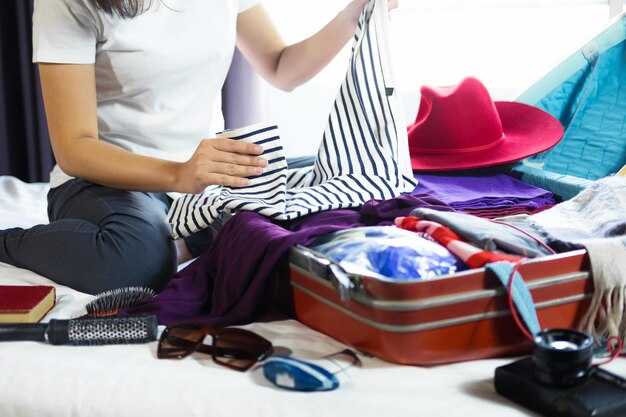

Pack a compact carry-on with a 72-hour kit to cover delays. Include a spare outfit, a light jacket, a refillable water bottle, meds, and a small toiletry bag. A waterproof pouch keeps cords and adapters safe. Pack travel-size liquids in 100 ml bottles and use a clear quart bag for TSA checks. This setup lets you cater to unexpected delays and leaves space for souvenirs you might pick up along the way.
Next, build a practical checklist you can reuse across trips. Create two lists: non-negotiables and optional items. If theyre unsure about weather, pack versatile layers and a compact umbrella. For america travel, verify the airline policy on carry-on dimensions and weight; many carriers cap it around 7-10 kg for a single bag, plus a personal item. Use a two-bag system–a daypack for on-the-go items and a cabin bag for clothes and essentials–to keep the load balanced.
Optimize your packing method: roll clothes to save space, use packing cubes to separate categories, and color-code outfits. For groups, a multi-share pouch saves space by sharing chargers and toiletries. Keep electronics in a dedicated sleeve and label cables; a card-size universal adapter helps when you visit multiple outlets. If wifi is available, plan to sync your itinerary on the go and avoid carrying extra guides.
When you arrive, rely on your gear to show you the way. Nothing slows you more than rummaging through a chaotic bag. Use a small envelope for receipts and a digital copy of confirmations to enable easy replies to hosts or guides. Keep a space for notes about experiences and tips from locals; sharing those notes helps others in your party, and you can reply to messages quickly via wifi. Share stories with friends and save a few standout moments you want to revisit later.
As you explore new places, small tweaks add up: keep your charger in reach, hydrate with water, and whenever you want to ask a question, reply once you have wifi. Share experiences with your circle, and show how your setup saves time on the road. With these steps, you’ll enjoy a great trip whether you fly to america or elsewhere, and you’ll be ready to adapt to whatever comes next.
On Your Trip: Practical Travel Tips for Planning & Packing; What Will I Need Money For on My Contiki Trip
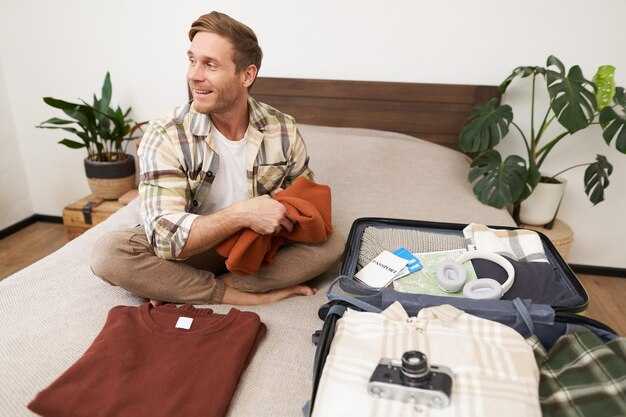
Set a daily budget for meals, tips, and optional activities, then track it with the team. This keeps you in control from booking to the last evening, whether you start in america or elsewhere.
If you come from america, plan accordingly and check visa rules, transfer options, and local costs before you go.
Most itineraries include breakfasts and sometimes dinners; you’ll pay for other meals, drinks, and experiences. Review your booking details to know what’s included and what’s optional, and mark the destination list you’ll visit (like Kaikoura) to anticipate local prices and availability.
Where your money goes on Contiki
- Meals and food: breakfasts are often included; lunches and dinners on other evenings range from 10–40 USD per person, depending on the city and venue. If a meal is listed with meals you’ll know it’s covered; otherwise it’s your responsibility (optional).
- Tips and service: allocate a daily amount for guides, drivers, and restaurant staff; in many trips this is customary and welcome.
- Optional activities: choose chosen extras such as a Kaikoura evening wildlife tour or a local food walk; these are not included by default.
- Transport between stops: some legs are included in your booking; others require paid travel or upgrades to smoother options.
- Souvenirs and shopping: set aside a small fund for gifts, local crafts, and specialty foods.
- Visas, insurance, and medical: verify terms and keep a buffer for visa fees or medical needs if required.
- Laundry and connectivity: plan for light laundry costs and a SIM card or data plan.
- Emergency fund: carry a backup amount to cover unexpected costs during travel.
Smart budgeting tips for this trip
- Use the itinerary and booking details to know which meals are included–this helps you plan the rest with confidence.
- Share meals with your fellow traveller to reduce costs and enjoy more variety; many evenings you can try local food with a friendly group.
- Keep a copy of the terms for refunds or changes; this helps you manage cost if plans shift.
- Money matters should be discussed with the team early; agree how you’ll split items if needed and where you’ll meet in the evening for meals.
- For trips stopping in places like Kaikoura, check the evening options and meet-up times to avoid missing included activities.
- America-based travellers can exchange some budgets into local currency ahead of your trip; carry a mix of cash and card for safety and flexibility.
- Bring a small pouch for yours money and receipts; this makes it easy to track purchases and tips.
- If youre unsure about any cost, ask the team for clarification.
Daily Budget Breakdown for Contiki: Food, Activities, and Local Transport
Set a daily budget target: 30-40 for food, 20-50 for activities, and 10-20 for local transport to stay flexible on Contiki while traveling. This keeps things simple and ensures you can adapt as you go.
Traveling with a partnerfriend can help you share meals and tickets, lowering the bill and enabling discretion on extras. Many days include free or low-cost options, so you can stay easy and friendly while exploring. In japan and america, price levels differ, but the same method works: compare options, check what’s included in the terms and service, and track expenses in your notes. First, note which meals are included by the itinerary, then decide where you’re sure to dine and where you’ll skip a coffee to stay on target. If a major attraction is pricey, swap for a free or cheap spot nearby and still have an amazing day. Laundry costs can sneak in, so plan for a wash every few days to avoid extra charges. Some spots offer free entry; theyll save you money.
The heading of your daily plan should be clear so you stay on track, and keeping a simple ledger helps you see where your money goes.
Daily Budget Ranges by Category
| 类别 | Daily Budget (USD) | Notes |
|---|---|---|
| Food | 25-40 | Three meals plus snacks; consider meals included in your itinerary; look for cheap local spots; if many meals are included, reallocate to activities or transport |
| 活动 | 20-60 | Combine free experiences with one paid activity per day; check partnerdiscounts; look for discounts for students or groups |
| Local Transport | 8-25 | City transit passes or rideshares; walking when feasible; in japan or america, rail passes can save; plan routes to minimize backtracking |
Smart Savings Tips
Choose free walking tours, markets, and public venues to keep the itinerary vibrant without blowing the budget. Share tickets and use laundry services in hostels to cut costs. Keep your notes organized with a simple heading for each day so you stay aware of where your money goes. If a plan doesn’t fit, swap a paid activity for a free one or vice versa, but stay aligned with your daily targets.
What Will I Need Money For on a Contiki Trip: Key Expense Areas
Accommodation, Lodges, and Meals
Set a concrete daily budget for lodging, meals not included, transport, and activities. Your managers will outline the itinerary, which helps you see what is included and what you’ll cover. With your chosen lodges, total lodging costs stay predictable, while water stops and espresso breaks along the route add small, easy-to-budget charges. Think of this as the base you’ll use for booking and group planning, not a guess, so your spending stays in check.
Tips on Tipping, Extras, and Practical Spending
A clear point to remember: tipping covers service from the driver and other staff; you tell yourself the amount you are comfortable with, and you can share yours with the group if you wish. For a worry-free trip, plan a discretionary fund so your total budget covers tips without dipping into essentials. If you are unsure, start with a moderate daily tip (per person per day) and adjust as you go. This approach works on trips in america, where experiences, excursions, and light nightlife add variety. There’s spending for water, snacks, and spontaneous activities. There the key point is to keep a separate pot for lifetime memories–like a must-try espresso stop–so you avoid tapping into core funds. Booking changes and the timing of activities may shift, but with careful planning you’ll keep the total under control while enjoying the trip.
Cash vs Card: Choosing the Right Payment Mix Abroad
Take a mixed approach: carry 20–40 local currency for cafes, markets, taxis, and tips, and rely on a card for most purchases and online bookings. This keeps your whole trip flexible and absolutely reduces the worry about cash access. If youre exploring multiple cities, set a cap you will not exceed and adjust as needed; a small local reserve plus your card covers most needs, even for activities you’ll plan in advance.
Where to keep cash and cards matters: split items between two wallets or pockets, and never leave all money in one place. Have a dedicated travel bag for valuables, and keep them separate from your group’s main bag. This reply helps you act fast if something goes missing, and it keeps you exploring without fear of theft.
Fees and security: compare FX rates, ATM fees, and merchant acceptance at your destinations. Choose a card with no foreign transaction fees and a robust security app; enable travel alerts and temporarily lock or unlock cards as needed. In many places, using a card abroad is free up to a limit, but always have a backup cash plan for those small spot purchases.
Planning tips for your group: decide on a shared budget, and assign inclusions such as daily breakfasts or cafe stops. Create a simple checklist you will share, so everyone knows what to bring and what to expect. Sharing these details reduces friction and helps match your needs across the group. This same approach works well when organizing day trips or guided activities.
What to take on the road: a compact currency holder, a card with low fees, a spare PIN-protected card, and a few emergency notes for backup. Always ask about breakfast options at accommodations; if breakfasts are included, you can save cash for coffee or small purchases at local spots where card readers are slow. For larger meals and activities, the card is usually the fastest choice.
Reply with youre preferred mix and the places you will visit; we’ll tailor this plan to your specific needs, share this with inclusions, and help you decide where to use cash or card at each spot. Take this approach for a great, exploring, worry-free trip that keeps your group strong and your finances well balanced.
ATM Access, Currency Exchange, and Fee Tips
Withdraw local currency at bank-affiliated ATMs to minimize fees. This keeps you in control of the rate and your money. youll want to pick machines that display major network logos (Plus, Cirrus, Mastercard) and decline any dynamic currency conversion prompts, which hide the true cost. Keep a list of trusted ATMs in your notes to speed up access. If you’re traveling with a partnerfriend, coordinate to cover needs without duplicating fees; share one card or split withdrawals so you can keep yours secure. This simple approach fits exploring this city together, and it helps you stay on a predictable budget at this level; you can still enjoy great breakfasts nearby.
ATM Access Tips
Where to find low‑fee withdrawals: inside bank branches, large supermarkets, or hotel lobbies that host trusted networks. Always check the screen for the total cost before you confirm a withdrawal, and keep daily limits in mind to avoid multiple fees. Use a spare card stored separately, and protect your PIN; never enter it over public wifi. If a teller can assist, ask about options with minimal add‑ons and fees; this makes the amount clear and avoids surprises. Think about the security in busy districts, and carry a backup plan so you can withdraw when you need it, even when one machine is out of service. Youll find many options, and you can map where ATMs are located to show easy access while exploring this area. Also consider the type of card you use–chip-and-PIN works smoothly in most places, while magstripe may incur extra fees or be rejected.
Currency Exchange & Fees
Avoid airport desks and street kiosks; they often add aggressive margins. When you must exchange cash, use a bank or official exchange office and always ask for the exact fee and rate; compare it to the mid‑market rate and calculate the total cost. If you carry a prepaid travel card, you can load your preferred money type and take advantage of fixed rates and lower fees; optional add‑ons suit your needs only if they add real value. Many travelers rely on their home bank or card issuer for cash withdrawals and use card purchases to minimize currency conversion costs. In terms of tipping, tipping is not expected for currency exchange service; if you’re satisfied with exceptional service, a small gesture like a coffee or a note is acceptable where permitted. Share this list with your partner or your group, and choose options that cater to your needs and budget so you can manage money with confidence.
Tipping and Gratuities: Rates by Destination on a Contiki Tour
There is a simple guideline: tip the driver 3-5 EUR per person per day and the tour leader 4-6 EUR per person per day on european itineraries; this share keeps the team motivated and makes costs predictable for your group.
In western european itineraries, tip the driver 3-5 EUR per person per day and the guide 4-6 EUR per person per day. For add-ons like airport transfers or optional city tours, plan 5-12 EUR per person. If meals are included, the service element may be bundled, so adjust the tip accordingly to reflect actual service.
In the UK and Ireland, use GBP: driver 3-4 GBP per person per day; guide 4-5 GBP per person per day. For airport transfers, budget 3-7 GBP per person, and restaurants typically expect 10-15 percent if no service charge is included. For shopping days or special experiences, add 1-2 GBP per person per stop to cover local staff if needed.
In Eastern Europe, tipping is lower: driver 2-3 EUR per person per day; guide 3-4 EUR per person per day. Optional add-ons usually cost 1-3 EUR per person. If meals are not included, tip 5-10 percent of the bill; keep the overall costs sensible for the group.
In North America (USA and Canada), tip the driver 3-5 USD per person per day and the guide 4-6 USD per person per day. Restaurant service often falls in the 15-20 percent range if it isn’t included, and align extra gratuities with the itinerary and the quality of service you received.
In Australia and New Zealand, driver tips are typically 3-5 AUD per person per day and guides 4-6 AUD per person per day. For add-ons like airport transfers or shopping stops, plan 5-10 AUD per person. If meals are included, scale down slightly, noting that hotel and dining venues may include their own service charges.
To keep things simple, set a tipping target at the start of the trip for this type of activity and collect contributions into a shared pot. That share covers the driver and the friendly team, and you can list costs by day in the itinerary and add-ons you plan to buy while traveling. A clear approach helps the group stay within budget and avoids last-minute worry.
When to give tips: hand them to the guide or driver at the end of the trip, or distribute through the shared pot after a key milestone. If you want, you can acknowledge good service with a personal note or a small thank-you gift; this shows appreciation without inflating costs and keeps the focus on things you enjoyed during staying on your Contiki adventure.
Money Safety On Tour: Secure Wallets, Receipts, and Document Backups
Start with an easy, secure setup: keep your main cash and cards in a hidden money belt or RFID-blocking wallet under clothing, and store a small amount for meals and water in a dash-safe pocket. For european travel, this level of protection travels with you, whether you stay in lodges or hostels, and it keeps youre hands free and stress low.
Spread funds across two points: one in the belt, another in a secure neck pouch or zip pocket. Optional: carry a spare card in a separate place. Use a dedicated card for ATM withdrawals with a daily total limit, such as 300–500 euros, and withdraw only what you need. Avoid showing large cash in busy spots and keep a running total of expenses so you dont overspend.
Receipts matter: photograph or scan meals, lodging, transport, and activities. Store them in an encrypted notes app or cloud drive; organize by region and date; include what the purchase covers and the total. This makes it easy to track expenses and support claims or refunds.
Document backups protect your trip: scan passport pages, visas, and travel insurance; save encrypted copies to cloud and keep an offline USB drive as a second copy. Store copies in a separate bag from originals and use a simple naming scheme like region_date_item.
Sharing and coordination: on contiki tours and in group stays, you’ll have a driver and guides; tell a trusted travel buddy your plan and share location via a secure app. Keep optional backups of contact numbers and emergency terms, and tell them where your backup copies live so theyre ready to help if a spot arises. contiki-style experiences benefit from these habits.
Stay smart on the move: use safe lodges and well-lit routes; in multi-share rooms, lock your bag when you’re out and use lockers when available; label your spot with discreet codes and never leave receipts or documents unattended on desks. This level of preparation lowers stress and keeps amazing experiences intact for a lifetime.
Tech hygiene: enable two-factor authentication, use a password manager, and maintain offline copies of key docs. Never store full passport details in plain notes; share only what you need with trusted contacts. With these steps, youll protect your assets and keep your lifetime memories seamless.
评论