



 简体中文
简体中文  English (UK)
  Русский
  العربية
  日本語
日本語  한국어
한국어  Magyar
  Türkçe
  Español
  Čeština
  Svenska
  Português
  Ελληνικά
  Suomi
Suomi  Nederlands
  Română
  Italiano
  Français
  Polski
  Українська
  Deutsch
  Slovenčina
 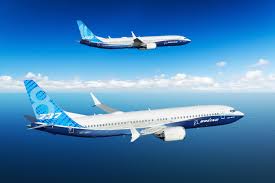 Air India adds 30 Boeing 737 MAX aircraft to strengthen domestic and regional services">

Air India has exercised purchase options for 30 Boeing 737 MAX narrow‑body jets—20 737-8 and 10 737-10—bringing the carrier’s Boeing backlog to nearly 200 aircraft across narrow‑ and wide‑body types and setting a steady delivery cadence over the coming years.
Fleet mix and immediate operational implications
The new tranche of aircraft targets high-frequency domestic and short‑haul regional routes. The 737-8 will slot into frequent, lower‑capacity services where fuel efficiency and turnaround time matter most, while the larger 737-10 will be deployed on denser city pairs to lower the cost per seat. For airports and ground handlers this means adjusted gate scheduling, turnaround planning and ramp staffing to absorb increased frequencies without disrupting punctuality.
Order breakdown at a glance
| 模型 | Quantity | 现状 | Main role |
|---|---|---|---|
| 737-8 | 20 | Finalised this month | High-frequency domestic & regional |
| 737-10 | 10 | Previously listed as unidentified; now assigned | Higher-capacity short-haul, lower cost per seat |
Supply‑chain, maintenance and crew readiness
Bringing 30 single‑aisle jets into an airline’s network nudges several logistics streams at once: spare parts inventory, engine shop visits, A-check scheduling and pilot/crew type ratings. Aircraft deliveries spread over years reduce pressure on any single maintenance base, but airports will need to coordinate parking stands and ensure ground crew licensing and equipment match the MAX fleet’s servicing requirements.
- Spare parts & spares pooling: increased demand for rotables and inventory staging at key hubs.
- Training: simulator time and instructor availability for 737‑MAX type ratings.
- Maintenance slots: more A/B checks and potential re-allocation of heavy maintenance capacity.
- Airport infrastructure: gate assignment, boarding bridge compatibility and ramp vehicle coordination.
Network and market outlook
Boeing’s Commercial Market Outlook projects India and South Asia will need nearly 3,300 new aircraft over 20 years, with single‑aisle jets representing roughly 90% of that demand. For Air India, the order builds on its 2023 commitments and supports network densification, especially on trunk domestic routes and short international hops where frequency and seat economics drive growth.
How passengers and local transfer services are affected
More narrow‑body capacity typically increases flight frequencies into city airports, which in turn alters peak arrival windows and demand for onward transfers. Taxi, private car and airport shuttle services should expect:
- Shifts in peak pickup times as new flights open earlier/later slots.
- Higher aggregate passenger throughput during shoulder periods.
- Greater need for exact pickup coordination for customers connecting to hotels or meetings.
Practical tips for travelers and transfer providers
For travelers planning transfers, it pays to check the exact arrival terminal, aircraft type and load before booking a cab or limousine. Transfer companies and apps can adapt by adding more cars during new peak windows, offering fixed fares for common city routes, and listing vehicle details so passengers know whether they’ll get a Private sedan, a 7‑seater or a minibus.
Infrastructure and airport planning at a glance
Airports will need to reconcile physical capacity (stands, lounges, taxiways) with the operational benefits of commonality across the MAX family. Common pilot and maintenance pools lower operational complexity, but airports must still plan for incremental increases in passenger flow through immigration, security and baggage reclaim.
For transfer operators and taxi companies, the key is transparency: visibility on flight type and arrival time reduces waiting time and improves customer satisfaction.
Provide a short forecast on how this news could impact the global tourism and travel map. If it’s insignificant globally, please mention that. However, highlight that it’s still relevant to us, as GetTransfer aims to stay abreast of all developments and keep pace with the changing world. Start planning your next adventure and secure your worldwide transfer with GetTransfer.
Key highlights: the order reinforces Air India’s pivot to higher frequency single‑aisle services and tighter cost per seat on busy city‑pairs; it also signals rising demand across India and South Asia that will cascade into airports, ground handling and local transport needs. Even with the most detailed reviews and honest feedback, nothing replaces first‑hand experience. On GetTransfer, you can hire a car with driver from verified providers at reasonable prices. This empowers you to make the most informed decision without unnecessary expenses or disappointments. Readers benefit from the convenience, affordability, extensive vehicle choices and wide range of additional options provided by GetTransfer.com, including transparent vehicle details, driver ratings and exact fare breakdowns. Book your Ride GetTransfer.com
In summary, Air India’s 30‑aircraft add shapes capacity, airport logistics and transfer demand across the city network: more flights mean more passengers to airports, a need for precise pickup times, varied vehicle choices for onward travel and pressure on ground services to match arrivals. For anyone planning a trip—whether airport-to-hotel taxis, private limousine services or group transfers—knowing the exact aircraft, arrival terminal and expected seat loads helps determine the right car, driver and fare. Platforms like GetTransfer.com make it easy to book a transfer, compare prices, view the car make and model, check driver license and ratings, and choose private or seater options at competitive prices, so you can get to your destination on time and within budget.
评论