



 简体中文
简体中文  English (UK)
  Русский
  العربية
  日本語
日本語  한국어
한국어  Magyar
  Türkçe
  Español
  Čeština
  Svenska
  Português
  Ελληνικά
  Suomi
Suomi  Nederlands
  Română
  Italiano
  Français
  Polski
  Українська
  Deutsch
  Slovenčina

Take the Metro Green Line from Piraeus Port to Monastiraki or Omonoia; it’s the quicker and most economical way to reach central Athens. That route drops you right at the heart of the city, and at the terminal you’ll find easy access to ticket machines and staffed counters to get your ticket fast, with trains every few minutes during peak hours. For multi-stop trips, this option offers value and predictable prices. choose this option to minimize transfers.
If you want a rail-based alternative, the Proastiakos suburban rail runs from Piraeus to central stations such as Larissis; a typical ride takes about 25-35 minutes. This system connects you to experiences 和 other lines when connections are needed, that makes transfers simpler, and you can compare prices before boarding. It’s a solid option for travelers seeking a calm pace and direct access to 巡航 ship arrivals with less walking and crowds.
Taxi options offer door-to-door service and are available 24-hour at the front of the port’s terminal building; metered rides typically cost 25-40 € depending on traffic. If you’re in a hurry, a taxi can be quicker than other modes, and you can request a fixed price only if the driver offers it. For cruise passengers, this can be a convenient 巡航 connection when you have luggage to manage and a tight schedule.
For a flexible blend, consider a special 24-hour card that covers multiple legs of travel and lets you hop between modes without buying new tickets each time. Ask at the akti desk at the front of the terminal about this option; many travelers find it offers good value and helps them avoid overpaying. If you’re trying to keep costs down, you can also rent a bike or scooter on site, though quoted prices 对于 costbicycles vary widely and may not be worth it for short hops. Still, this is an option you can explore when time allows.
Quickest transit option from Piraeus Port to central Athens
Take Metro Line 1 (Green) from Piraeus to Monastiraki; it is the quickest route to central Athens, typically 25–30 minutes, with trains every 4–7 minutes during the day. This option suits every class of traveler and lets you forget road traffic as you reach the heart of the city fast. It isn’t luxury travel, but it’s reliable, fast, and practical.
From the port, follow colored signs to the Piraeus metro station and navigate through a large, bustling concourse. Board the northbound train toward Kifisia and exit at Monastiraki or Omonia for central districts–the final stops in that cluster. The ride is comfortable, with cabin-style cars you can enjoy while passing major avenues and waterfront views.
Tickets and tips
Tickets are provided at machines and ticket offices, with plenty of options. Only one ticket is needed for the ride: a single 90‑minute ticket, or you can opt for a 24‑hour pass that unlocks unlimited rides across all routes for that day. Machines accept cash and cards, and staff can help if you need guidance, ensuring a smooth purchase. The latest timetable shows frequent services from early morning until late night; the whole journey stays not long and stays in a single city block.
For those who plan more travel, consider an all-city pass, which is covered under the same system and can be cheaper than buying multiple singles. Some travel cards include acceptedsports discounts, which can add value for visitors. You’ll see the colored signs, ample maps, and show boards that help you map your itinerary and meet any meeting deadlines in central Athens.
The final exit at Monastiraki puts you in a bustling area with easy access to Plaka, Ermou Street, and the main roads around Syntagma. This option provides a fast, reliable route with plenty of comfort and rest between stops, avoiding road congestion and kicking off your day efficiently.
Where to buy tickets at the port and how to validate them
Buy at the port’s official ticket office right after arriving at the main terminal to get a printed ticket and avoid later queues. The office is signposted near the arrivals area, staffed by professional agents who speak English and can check your destination quickly. Tell them if you’re heading to Akti or Corinth, and they will point you to the right counter and pull up the data on the screen. Tickets purchased here include a clear receipt and route details, and the process is easy and secure. If you arrive with a group, request a consolidated option to save time; you’ll still receive printed tickets for each vehicle or passenger, and the staff can advise on where to park nearby. Look for lane signs that indicate acceptedsports for any bikes or other vehicles and keep an eye on the sign for the latest stopswaiting data.
Self-service machines stand near the office area for a quick alternative. The touch screens show English options, destinations (including Corinth and Akti), class of service, and live times. You can pay by card or cash and print or save the ticket to your phone. The machine displays a clear sign with the price, and you can check the data for your route before you confirm. If you need help, the information desk inside the terminal assists and can direct you to the right place. When arriving at a church near your route, you can plan a short stop there on the way to the center.
Validation is fast: present the ticket to staff at the gate or scanner; mobile passes show the barcode on your screen, printed tickets can be scanned. The process is secure and professional, and once validated, you can move towards the platforms without delay. If you lose your ticket, return to the office to reissue or link to your data; in most cases you can reprint at the machine using your reference number. In busy periods, signs indicate the correct point to enter the vehicle area; check the next arrives boards to avoid waiting at stopswaiting.
Estimated travel times for metro, suburban rail, and bus options
Best option: metro from Piraeus Port to syntagma Square, about 25–30 minutes. A 90‑minute ticket is around €1.90; a 24‑hour pass is about €4.00 and can be cheaper if you plan multiple rides. Scheduling is reliable and you can use the same ticket across routes; stopswaiting alerts help you know when you’re near syntagma. If you’re exploring your day, you’ll appreciate the flexibility this offers; you can grab a snack near the ship or at a stop, and if you’re curious, look at the timetable on the app. If you have questions about routes, check the data and ask at the information desk. If you need a transfer, transferthey shows the correct transfer path and helps you avoid extra walking or delays, reducing worry.
Metro: from Piraeus to syntagma
Travel time: 25–30 minutes. Frequency: every 2–4 minutes during peak; 6–10 minutes in off‑peak. The line passes central stops and ends at syntagma, near the avenue that leads to the square. Use the timetable for scheduling, and track your progress with the stopswaiting alerts. Tickets are accepted on board with contactless payment. Prices: single 90‑minute ticket around €1.90; 24‑hour pass around €4.00. Once you arrive, you’ll be near syntagma, within a short walk to the main sights. For exploring, snacks are easy to carry and you can plan a quick cruise through the streets afterward. Your day plan stays flexible and their options stay open, so you can adapt to weather or crowds.
Suburban rail and bus options
Suburban rail (Proastiakos) from Piraeus to central Athens stations takes about 25–40 minutes to reach Larissa station or the Thissio/Victoria area. Prices range roughly €4.00–€5.50 depending on the exact route and transfers. Schedules run every 15–30 minutes in daytime. From there you can transfer to the metro to reach syntagma. For questions on the best routes, check the routes data and planning tools. The X95 bus covers the same corridor and takes about 60–75 minutes in normal traffic; fares use the same 90‑minute ticket. Buses pass near the port and along Alexandras Avenue; if you’re cruising, this can be convenient, though timing depends on cruise traffic. If time is tight, a taxi from port to syntagma costs roughly €25–€40 depending on traffic. Consider your group size, your luggage needs, and your tolerance for transit time when choosing.
Accessibility, luggage handling, and steps for port travelers
Head to the front pickup desk at the main terminal to arrange your transfer quickly, then confirm the service name (look for miaoili) on the post and share your travel details. Your guide at the desk can help with the name, and this keeps your traveler trip very smooth from the first step.
Accessibility at Piraeus Port
- Ramps and elevators are available at the central terminals; check the terminal map to locate the front entrance and signage.
- Restrooms, seating, and amenities are placed along main corridors; plan your route along the concourse to minimize movements with luggage.
- Night operations vary by terminal; verify hours for the pickup desk to avoid delays after dark.
- Staff assist solo travelers; ask for help to move bags from the quay to the parking area if needed.
- Ask about the dimotiko pass or any municipal discounts; staff can explain eligibility and how to apply.
- Often, staff can provide help in English and Greek; look for signs near the church precinct and main gates to catch the best routes.
- If you have special accessibility needs, tell staff upfront so they arrange appropriate assistance.
- What you should carry: your ID, travel docs, and a light bag for short walks; this is very practical for a smooth handoff.
- Wait times at night can be longer; expect delays of minutesif 10–20 for pickup desks when crowds are high.
Luggage handling and tips for port travelers
- Use port wagons or trolleys to move heavy luggage from the ferry to the exit; keep wheels in good condition and avoid dragging bags on stairs.
- Label each bag with your name and a contact; place a tag on the top and bottom for quick recognition in crowds.
- Carry snacks, water, and essential meds in a small daypack; use amenities near the front as needed so you stay comfortable.
- Keep receipts if you payed for a taxi or private transfer; store them in an easily accessible place for expense tracking (agreement may specify reimbursement).
- Keep important items in a carry-on within easy reach, including a copy of your pickup’s name and contact.
- Once you reach the central exit, ask staff for the best pedestrian route to the metro or bus stop to continue your trip.
Cost comparison and reliability: metro, suburban rail, and express buses
For most travelers, take the metro from Piraeus to Syntagma for speed, reliability, and convenience, and it often proves the best value for a day of sightseeing and hotel check-ins. This choice is highly reliable, delivers predictable travel times, and keeps your transferhey simple as you move between the port, the central avenue-filled core, and hotels near Syntagma. You’ll get a positive start to your day, with easy photo opportunities around the square and easy access to major hotels without a long walk. That makes it the go-to option for solo travelers or groups who want a smooth first leg of the journey.
Metro costs and timing are straightforward: a single urban ticket costs about €1.90 and covers 90 minutes of travel on the network, making it convenient to hop trains and buses in one stretch. From Piraeus to Syntagma, expect roughly 25–35 minutes of onboard time, with trains arriving every 5–7 minutes during peak periods and roughly every 10–15 minutes off-peak. Availability stays high throughout the day, including weekends, which is ideal if you plan a meeting or a quick stop at a central avenue for snacks or a quick bite before heading to a hotel or meeting port. The clean, black signage and clear maps simplify the experience, so even a first-time traveler can know where to go.
Suburban rail, known locally as Proastiakos, offers a reliable second option when you seek comfort or want to avoid crowded cars during peak hours. It’s a solid choice for travelers who value stability and a more relaxed ride, with trains that pull into a central rail hub near the heart of the city. The fare sits in a similar range to the metro when you use an integrated ticket, roughly €1.60–€2.20, depending on zone coverage, and the travel time from Piraeus to the central hub runs about 20–30 minutes. Trains run on a fixed schedule every 20–30 minutes in many windows, which makes it easy to plan a transfer or a short park-and-walk at your destination. Research shows this option is especially popular with travelers who want to avoid the busiest metro cars while still keeping to a predictable routine, and it pairs well with a quick transfer to a mini-van for a hotel in a quieter part of town.
Express buses present a lower-cost route with direct access to specific neighborhoods and hotels, but their reliability hinges more on traffic conditions. Expect a bus to connect Piraeus with central Athens in roughly 40–60 minutes on a typical day, yet travel time can extend into 60–90 minutes during peak hours or gridlock. Fares are usually a couple of euros cheaper than the metro, so this option may appeal to budget-conscious travelers who value flexibility over speed. Availability at the port is reliable, and many lines run on key corridors that pass major hotels, making it convenient to reach a particular hotel name on the map from the port. For a photo-friendly arrival, the bus can deliver you to a central avenue near Syntagma with less walking, though you’ll want to factor in potential delays.
In comparing reliability and cost, metro wins on speed and frequency, with high availability and predictable schedules. Suburban rail shines for comfort and steadier ride quality, especially when you plan a longer stretch into the city center and want to park a bit before continuing on foot or by a short taxi. Express buses offer the lowest price and a direct route to specific hotel areas, but their reliability depends on traffic and road conditions. When you research and plan in advance, you can mix and match to optimize your transferhey strategy–for example, a metro leg to Syntagma for a quick meeting, followed by a suburban rail leg to a quieter hotel district, or a bus leg if you’re aiming for a budget-friendly option that lands near your hotel on a well-known avenue.
For a well-rounded itinerary, consider the traveler’s workflow: if you want speed and predictable timing, choose the metro; if you want comfortable seating and a calmer ride, choose suburban rail; if you’re prioritizing price and direct access to a specific hotel zone, consider an express bus. Fans of a flexible plan can reserve a quick transfer between modes–perhaps a metro to a central square for a photo, then a short bus hop to your hotel–which gives you maximum flexibility, even if you’re meeting friends or solo and traveling with snacks and a water bottle. In short, understanding the strengths of each option helps you plan smarter, balance cost against time, and keep your day moving smoothly from Piraeus port to the city’s core and beyond.
Popular city tours from Athens: pick-ups, durations, and booking tips
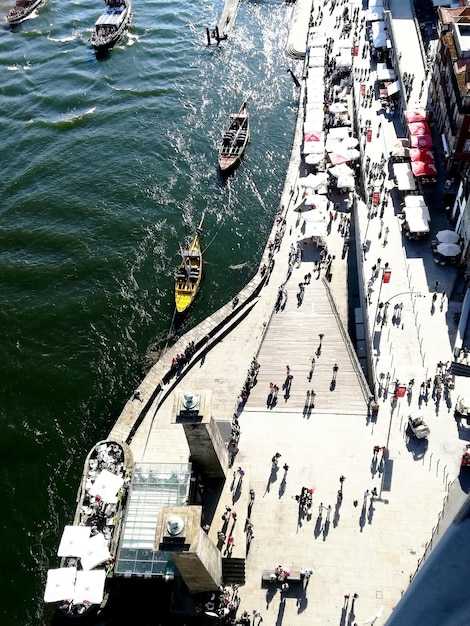
Book a private half-day Athens city highlights tour with a fixed meeting point at Syntagma Square to minimize waiting and ensure you maximize time at the Acropolis and nearby sites, putting you at the heart of the city’s most iconic spots. Expect about 4 hours in total, with hotel or cruise port pickup options.
Pickup options include hotel lobby, Piraeus port terminal, or airport arrivals area. For central meeting points, select a 09:00 or 14:00 start. The route typically covers the Acropolis Hill, the Ancient Agora, Hadrian’s Arch, and a scenic drive through Athens neighborhoods. Availability is higher in shoulder seasons, and pricing ranges from 40–90 EUR per person for group tours to 160–350 EUR for private tours, depending on party size and inclusions.
Two popular full-day options extend to Cape Sounion for a temple visit and sunset, lasting about 6–8 hours, or to Corinth Canal with a 6-hour itinerary that includes ancient Corinth and a view over the canal. Some operators offer a colored route map to help you choose, and if you wish to see Corinth, start early to secure parking near the site.
Booking tips: check recent reviews, confirm pickup location and time, and verify what is included in the price (guide, vehicle, entry fees, and lunch). Use esim to stay connected for live updates from the guide or supplier app. Ensure you have the operator’s contact details in hand and a backup plan for delays. Availability tends to be higher on weekdays and in spring or autumn, and assess the quality of the vehicle and facilities before you commit.
Facilities and vehicles: most tours run in air-conditioned minivans or wagons with comfortable seating and on-board water. The guide handles routing and commentary, while the driver manages road conditions and parking. Meeting staff dressed in colored outfits help you locate the pickup point at hubs like Syntagma or the Piraeus terminal. For Sounion or Corinth trips, check stop durations at viewpoints and restroom access; if traveling with kids, confirm child seats and stroller access in advance.
Extra tips: bring a compact backpack, check pricing tiers for group size, and reserve a slot that matches your stay in Athens. If you use an esim, you can download a local map and receive live meeting updates. About logistics, review the airport or terminal pick-up options and plan accordingly to avoid delays on the road.
评论