Taxi in Buenos Aires - Everything You Need to Know

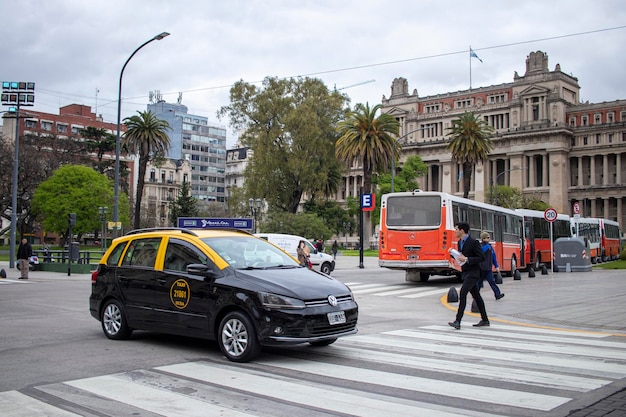
Take a licensed taxi from the front of Retiro station to reach the center quickly. You have nice, reliable options on your phone: hail a taxi on the street, call a radio taxi, or book via a taxi company’s services app. All operating taxis display the official meter and a visible license plate, so you know you’re using a legitimate service.
What to expect: taxis run 24/7 and use a taximeter. Prior to starting, check the base fare and the rate per kilometer on the meter to ensure you get the correct charges. If a driver proposes a fixed price, you cant rely on it; insist on the meter or on a fare shown in your booking app. If the pickup point moved, follow the signs at the station to the official ranks.
The cost from the airport is costlier than most intra-city trips, due to airport tariffs. If you ride from Ezeiza, expect an extra airport surcharge on top of the meter; from the city center to a barrio like Palermo or San Telmo, charges are lower but still vary with traffic. You can compare phone bookings for the best option, and remember that after a late arrival you’ll pay a premium. The ministro oversees the sector, and you’ll see licensed taxis with visible plates and meters at all times.
Where to get one: head to the front of Retiro or other major station taxi ranks, or use the official stops in busy barrio zones. You can also hire from approved taxi stands in Microcentro, Palermo, San Telmo, Recoleta. For a quick move, avoid unmarked cars; you’ll have a safer ride with a correct plate and a charged meter. If you need to leave luggage, tell the driver to stop briefly, and you can leave after unloading at your hotel or address.
Payment and dress code: you cant rely on card payments everywhere; these rides welcome all travelers. Most taxis accept cash, and many offer card payments via a portable device, but you should confirm before you start the trip. If you can, have small bills ready to avoid delays at the window.
Safety and tips: verify the taxi’s license plate and the company name before you enter. You have the phone as a quick reference to the driver’s details, and you can share your route with someone you trust. After you reach your destination, say stop clearly, leave the car, and check that you have all belongings before you walk away.
Choosing a taxi: street hail, taxi stands, or app-based services in Buenos Aires
For most trips in Buenos Aires, start with an app-based service like Cabify; you get an upfront amount, a clear route, and a driver connected via a vetted fleet. This approach makes airport transfers from Ezeiza or city terminals predictable, therefore you avoid surprises after landing. Here you can compare options quickly and decide what fits your plans.
Street hail and taxi stands
- Street hail: In central areas such as Microcentro, Recoleta, and along the avenues near the hall areas, you can hop into a taxi from the curb. Always confirm the meter is on; the charge is the meter amount and may be slightly higher during peak traffic.
- Taxi stands and remises: Major terminals and hotel halls host dedicated stands with licensed cabs. Remises offer a value option, and some provide fixed passes for popular routes, which can simplify payment.
- Airport and long trips: For flights arriving at Ezeiza, you’ll often find fixed-transfer options at the airport halls. If you prefer, you can take a taxi from the line but ensure you know the expected amount and the route.
- Black taxis and safety: Some fleets use a black sedan look; verify official markings and license plates before you start, and use the meter or app-based option for reference.
- Here you can grab a cab with confidence, especially around terminals; always verify the hall signage and driver credentials before stepping in.
App-based services and remises
- App advantages: Cabify and similar apps connect you to a driver from a well‑vetted fleet. The app shows the amount before you ride, so you know the value of the trip and can choose the best route.
- Shuttles, transfers, and routes: For longer journeys or airport transfers, apps offer shuttles or private transfers with fixed prices and routes. You can compare options and select the most convenient one for your schedule.
- Legal and safety: All rides powered by apps display driver details, vehicle plates, and ratings, keeping you here with a legal, protected service.
- Language tips: Most drivers speak spanish; greet with a simple hola and provide your destination to ensure a smooth transfer. If you meet a driver named eamon, it’s common to exchange a quick hello in spanish.
- From Ezeiza and beyond: App-based options specialize in airport transfers, providing a reliable way to go from the terminals to your hotel with a known transfer time and a clearly posted value.
- Multiple choices, many options: There are multiple apps and remises operating in the city, so you can book ahead or on the spot. If needed, you can book longer trips across the surrounding districts to visit parks and neighborhoods.
Meter usage in Buenos Aires taxis: how fares are calculated and when surcharges apply
Always ride a metered taxi and please verify the meter starts before you move. In recoleta, these taxies are located near major avenues and hotel entrances. Watch the flag fall and the per-minute rate; if a driver offers a flat price, decline and order a meter instead. The best drivers (often olivia or glenn among the staff) will explain the fare and provide you with the information you need, and many companys advertise transparent pricing. For a smooth start, choose a taxi near the avenida you’re heading to and prefer door-to-door service when possible.
How fares are calculated
Fares begin with a base flag fall, then charges accumulate by distance and by time in traffic. The meter depends on how far you go and how long you wait; waiting time adds up quickly if you’re stuck in congestion. A typical 2h30 window of waiting in a queue can push the total well above the initial quote. Rates vary by zone; avenida zones are common in central districts, while some streets and neighborhoods like madera areas may show slightly different increments. In tango-hot neighborhoods late at night, a small surcharge can apply, and airport pickups carry an airport fee; if you travel outside the city limits, expect an additional charge. These factors depend on traffic, time of day, and distance, and countless variables can influence the final price. Use the information below to estimate costs before you hop in.
Surcharges and tips to avoid extra charges
Surcharges apply for late-night trips, weekends, and airport pickups; there are sometimes flight-related fees when you arrive on flights or depart late. If you wait, the meter continues to run, so aim for a prompt drop-off; waiting can happen near popular spots on weekends or when crowds gather for tango events. These charges are common in central routes like avenida and at hotels outside the city core; when you order a taxi at a hotel, ask the desk for a recommended companys with reliable meters. To save time and money, avoid waiting in lines; choose a taxi that’s located near your destination and watch for the meter’s reading above the display. The driver may quote a price that seems low at first, but the meter will reflect the true cost as you ride; stay informed with the information on the meter, and know that the best drivers will explain the rate clearly above the display. If you have a tight schedule for flights, allow extra time till you reach the airport because surcharges can accumulate outside the core city. For a smoother experience, prefer companys with consistent meters and keep this information in mind to avoid paying more than necessary.
Cash, card, and tipping: payment options in Buenos Aires taxis
Always ask before you start: does this taxi accept card payments? If the answer is yes, you can pay by card, but if the reader is offline, switch to cash rather than waiting on the road–thats the smoother option after a long drive. In Buenos Aires, card acceptance has grown in recent years, yet you’ll still see a mix of options depending on areas and times. look for a sticker on the door or near the meter so you know what to expect before the journey begins.
Card payments and cash both work, but they perform differently by zone. In central areas and hotels, approximately three-quarters of taxis offer a card reader, with many drivers able to process debit or credit cards (Visa and Mastercard most common). In other areas, you may encounter offline readers or drivers who prefer cash. If you’re taking routes from the airport, airport shuttles and airport taxi fleets generally have card readers, but always verify at the first stop. motorists in buenostown corridors often display the card emblem, which helps you plan your ride from destinations like Retiro, Puerto Madero, and microcentro to your hotel.
Cash remains the most reliable option for tipping and small fares. Carry small pesos for the fare and a modest tip–many people prefer to round up or add 10–15% on longer rides. If you used card, you probably want to tip in cash anyway, because some readers don’t relay tips through the device, and drivers dont always see an electronic tip clearly. In a pinch, you can ask the driver if you can add a cash tip at the end of the ride, or hand the tip directly when you exit the cab. This approach also helps drivers who routinely drive to popular áreas like hotels and transit hubs after visits to chic districts or museums.
- Cash payments: Carry enough to cover the fare plus a tip. Expect small change to be helpful for rounds and quick stops at traffic lights.
- Card payments: If you see a card reader, pay by card to protect yourself against cash shortages; ensure you sign or enter a PIN if required, and save the receipt for your records.
- Tipping: Use cash when possible; a round-up or 10–15% tip is common for longer journeys, especially when the driver helps with bags or takes you to several stops at different destinations.
Some drivers offer helpful tips for navigating the city. For example, a traveler named stuart noted that you’ll often get better service when you acknowledge the fare in pesos and politely confirm payment method at the start. Angela, another traveler, mentioned that stating your destination clearly and keeping the route in mind helps the drive go smoothly, especially during peak times in busy transit areas. If you’re visiting May or Mayo events, you may encounter more card readers in hotel zones and business districts, where ministers and transit officials have encouraged digitization to streamline payments for such events. In any case, if a reader seems problematic, you can switch to cash payment with a friendly reply and a quick thank-you to the driver, which keeps the ride going to your next destination without delay.
Practical tips for a hassle-free ride: verify the fare in advance, especially if you’re going to long routes across busy streets and through different neighborhoods. If you’re traveling from hotels to the center, you’ll find that most drivers aim for efficient routes that avoid heavy traffic times; if you notice a problem with the device, take another taxi rather than wait, and consider using an official taxi stand or app-based service for a smoother experience. In Buenos Aires, the blend of cash, card, and tipping options gives you flexibility for all kinds of travel, whether you’re visiting museums, meeting friends, or moving between areas and destinations at different times of day.
From Ezeiza International Airport (EZE) to downtown: routes, travel time, and fixed-rate options
Choose a fixed-rate airport transfer from airporttransfercom to lock in the price, enjoy space in a comfortable car, and avoid meter fluctuations. This first step keeps your travel simple and easy, helping you arrive relaxed and ready to explore.
Most travelers head to Microcentro, Recoleta, or Puerto Madero. A spanish-speaking driver can be requested, and the car space fits luggage with ease. Olivia, arriving on a weekend, tells how the pickup was smooth: the driver moved to a designated stand away from crowds and the ride started without delays.
Fixed-rate options and typical routes
Fixed-rate transfers cover the distance from EZE to central neighborhoods with a flat price. You can tell the driver your destination in advance, and the rate stays the same even if traffic spikes. Companys offer these services through the airport transfer network, and you can compare options on a matching website. If you want a first-stop in Recoleta or near Canning, specify it when you book. Europe-bound travelers often choose these routes for reliability and comfort.
| Route option | Estimated travel time | Fixed rate (USD) | Notes |
|---|---|---|---|
| EZE → Recoleta (via Autopista Richieri → Avenida 9 de Julio) | 45–60 min | 30–40 | Direct to upscale areas; ample space for luggage; tell the driver there if you need a taller car. |
| EZE → Microcentro/Retiro (via Richieri → General Paz) | 50–70 min | 40–55 | Popular for business travel; safe pickup at arrivals; recommended for efficient timing. |
| EZE → Puerto Madero or nearby hotels (via Libertador + 9 de Julio) | 50–75 min | 35–60 | Great for waterfront stays; routes can be adjusted to include a stop in a nearby neighborhood like Canning if arranged. |
Practical tips for a smooth transfer
Metered taxis can be cheaper in theory, but fixed-rate options are helpful when you need predictability, especially on travel days with flights and flights delays. If you arrive late, affidavits for a hospital pickup aren’t common, yet drivers stay flexible to accommodate changes. Tell the driver where you are staying, and they will stand by near the arrivals hall until you reach the meeting point. For a quick start, ask for a spanish-speaking driver and confirm the exact pickup spot on the website before you move away from the gate.
Times are approximate and can move with traffic, weekends, and events around Recoleta. If you prefer a door-to-door option with a fixed fare, this is where airporttransfercom shines: you’ll see the route, price, and estimated time all in one place. If a stop in a neighborhood like Canning is needed, mention it in advance so the driver can adjust the route. The process is simple and helpful for travelers who want a calm start to their Buenos Aires travel.
From Aeroparque (AEP) to city center: best routes and typical travel times
Book a licensed airporttransfercoms service for a door-to-door ride to the city center with a fixed rate; this provides information before you start and avoids surprises during traffic.
The fastest route on most days goes Aeroparque → CBD via the main arteries into Microcentro. The distance is about 7–9 km and travel time is typically 15–25 minutes in light traffic; when traffic rises, times were longer, often 30–40 minutes. Check live updates online before you start and cross-check with another source; such information helps you plan. This route is common for guests staying near Retiro or Puerto Madero. If you need to cross to the south side, plan accordingly.
Alternative routes avoid CBD bottlenecks and can be steadier: a longer corridor that avoids the worst traffic near the CBD, often resulting in 20–25 minutes in light traffic and 30–45 minutes when congestion spikes. It’s a good choice if you’re heading to Recoleta or Belgrano with fewer cross-traffic lights.
Helpful tips: choose cars from a trusted fleet; installed meters usually show the fare as you go. The fleet is connected to GPS and online traffic data, and many drivers speak spanish. If you prefer cash, keep a banknote ready and hand it to the driver after confirming the fare. Please check the pickup place and door number beforehand, and store the details in your notes or the article you saved. You can read comments from other travelers online to decide which provider to use; such comments can guide your choice. For convenience, use airporttransfercoms or an app in the store to book.
each ride offers a sturdy start to your adventures in Buenos Aires; after you land, you have quick access to reliable transport and clear information. If you’re uncertain, check another option in the article for more details.
Tips to avoid scams, fake taxis, and fare overcharges in Buenos Aires
Always use the official taxi stand at arrivals. The park outside baggage claim is clearly signposted and staffed by drivers from listed companies. Look for company IDs and a visible sign; if you can't see this, walk to the next stand.
Before you ride, demand the meter or a fixed-price option in writing. If you order a fixed-rate service, verify the price in advance and ask for a receipt. This article recommends checking prices on listed sources and, if possible, a site like airporttransfercom to compare rates for common routes.
Beware of non-official cars that hover near arrivals, offering rides to the city. These attempts can leave you a victim of inflated fares or extra luggage charges. If youre unsure, stick to the official queue and choose a driver from a licensed company, a car with a clearly visible sign, and a driver located in the queue. Some drivers pose as a coach or private shuttle; avoid those and stick to the listed stands.
Compare prices from several sources: official stands, reputable apps, and airporttransfercom if you want a fixed price to your hotel. Whether you prefer a meter or a fixed rate, choose the option that appears listed and transparent. While you wait in the area, you can confirm the quote with the driver and check the live meter once the ride starts.
Cheapest options are not always safe: a price that seems too low may come from a scam. Look for clear signs of legitimacy: a working meter, an official badge, and a driver who welcomes your route. These checks reduce risk and save you time in a busy arrivals area, therefore helping you stay comfortable.
For comfort, insist on a clean car with working seatbelts, and ensure the driver keeps the route on track. If a driver tries to avoid the meter or quotes a strange price, say no and walk away. You can also consider safer alternatives like the subway for short legs, then order a taxi later if needed to reach your final destination.
afterward, keep the receipt and note the final price. If you encounter something off, send a quick reply to the company or request a refund. This article aims to help arrivals and returning travelers feel safe and positioned to choose the right option, whether you arrive for business or leisure.
What to do if you have a dispute or lose an item in a taxi
Immediate steps for a dispute
Call the company or the ride app’s support line within minutes of noticing the issue. Have your ride ID, time, driver’s name, plate number, and a clear description of the problem ready; these details speed up the investigation. In parallel, check the fare breakdown in the app and compare it with the receipt or ticket you were given. If you used cabify or another city taxi app, use their in‑app form to log the dispute and attach screenshots. If the response is slow, ask for a supervisor and request written confirmation of the next steps. Moreover, ask the agent to escalate to the city agencies if needed, so they can verify lines and routes on file. When you’re in palermo or another neighborhood, note any sign or landmark that helps locate the ride; these details help the company review the trip on the roads they traveled toward their destinations. In mayo, agencies sometimes speed up reviews when customers report promptly. If a resolution still doesn’t come, check whether the ticket includes a refund option or a best‑case compensation in your favor. They will guide you through the process and keep you informed about the status of their investigation, which may involve the drivers involved and their vehicle history.
Lost item: quick recovery plan
Act quickly when you realize something is missing. Open the app, select the ride, and use the Lost item option if available; you can also contact the driver via lines in the app. Provide a detailed description of the item, the exact pickup point, and the time, plus your contact information. If the item is found, the company or the taxi agency will coordinate delivery to your address or a nearby hotel; in many cases they can arrange pickup at the city’s main hotels or agencies. If you cannot locate the item through the app, visit or call the company’s customer service desk, and ask to speak with Angela or Olivia, who often assist travelers in palermo hotels; they can connect you to the right line and speed up the process. If the item was left in a taxi at a busy route and you recall the destinations, provide that information to increase the chance that the taxies involved can locate it. If the item is valuable, also file a police report or contact the city’s consumer agencies and present your ticket reference. Keep monitoring the status; many items turn up within 24–72 hours, but some take longer, so stay in touch with the company, their lines, and the agencies until you have a resolution.