
Yangon Taxi Prices - Useful Tips for Your Ride in Yangon
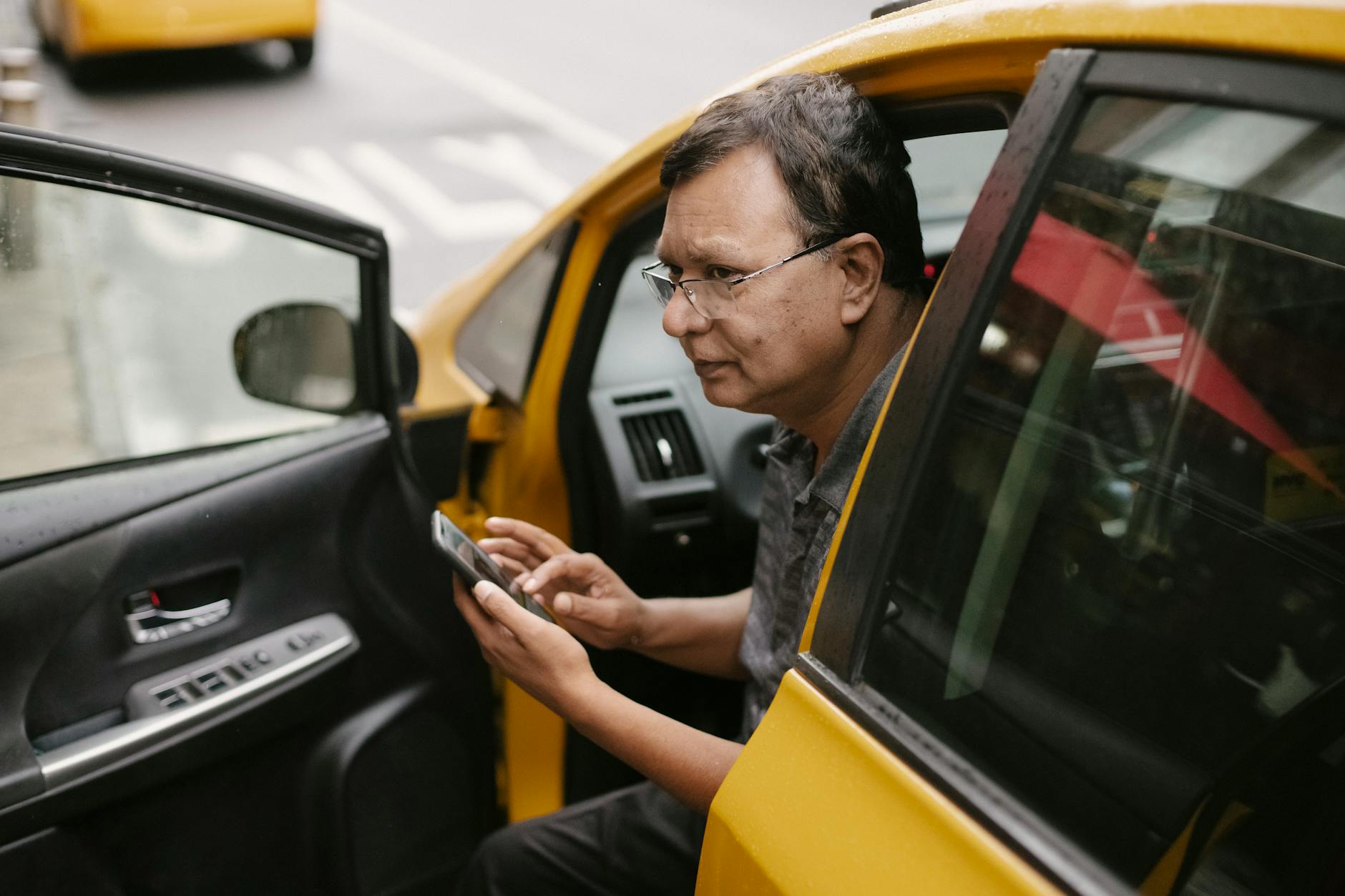
Always confirm the fare before you ride. In Yangon, many taxis do not use meters reliably, so first-timers should agree on a price with the driver or the staff at the stand before leaving. Having a rough idea of the fare helps you avoid surprises: a typical short hop down the street in downtown Yangon runs about 2,000–3,500 kyats, while cross-town trips can be 6,000–12,000 kyats, depending on traffic and time of day. Wear comfortable shoes for extra walking, since you may need to walk a short distance to catch a taxi or to reach a pickup point.
When possible, choose metered taxis or reputable apps. In practice, meters may be off in local fleets; if you can, ask to switch on the meter and watch the rate per km. Typical rates hover around 150–300 kyats per extra kilometer and about 50–100 kyats per minute of waiting time. Some drivers prefer fixed sums after hours or near tourist sites, so carry a pair of numbers: the app quote and the driver’s ask, and pick the fair option. If a stand is busy, walk a few minutes to a nearby hotel lobby instead of hailing from a crowded street–aim for solid pickups in places like shangri-la or other calm locations, and avoid busy bus- stops if you’re in a hurry. You’ll save minutes by planning ahead and keeping your destination clear for the driver.
Plan your route to minimize detours. You’ll save minutes by having a clear destination and asking the driver to follow the fastest streets rather than circling. In popular areas like the city center, locals often drop passengers at main intersections; if you’re local, offer directions to them and stay aware of them to avoid confusion. When you travel with a group, pair up with one person who can read the map and check the app’s estimate, so the ride stays fair and predictable.
If you arrive from bangkok or plan to pick up items from amazon during a layover in yangon, keep a written address in both English and Burmese. Hotels like shangri-la often offer a driver with a fitted car and a calm pickup; requesting a pair of folded maps and a bottle of water helps the ride feel smoother for first-timers, and you can confirm your next stop before departing.
Safety tips: always confirm the driver’s name, plate number, and the car model before you sit. If you plan a stop at a hotel with a pool, tell the driver beforehand and drop a pin, so they can adjust the route. For them who ride with companions, split the fare using the app or ask for a printed receipt. Carry a pair of small bills and exact change in kyats to avoid delays at the end of the ride. Check each item in the car before you leave to avoid forgetting valuables.
After the ride, check you have all belongings and map the route back to the hotel or airport. If you travel frequently to Yangon, keep a small folder of recommended taxi numbers from your local guide or hotel staff so you can pick the next ride quickly without negotiating each time. If you ride again tomorrow, these steps help first-timers have a smoother experience and prevent overpaying.
How to estimate Yangon taxi fares before you ride
Always ask for the meter or a clear fixed price before you start. If the driver refuses, walk away and find another pickup; this simple step protects you from surprises behind the wheel and helps you plan your budget. Have a rough target in mind, then compare with your map estimate so you’re aware of what a fair fare should look like.
Two quick estimation methods
- Short trips and core-area hops: expect about 2,000–4,500 MMK.
- Airport to city center or long-distance within the metro: 7,000–12,000 MMK.
- Longer routes to outskirts or popular stops with several detours: 12,000–20,000 MMK, sometimes higher if you add stops or wait time.
These ranges are mostly accurate for daytime rides with standard traffic. If you need a quick check, snap a photo of the dashboard or route on your map to compare later. The meter behind a small cage on the dash often reads as you travel, so you can verify against the agreed quote. For a hotel pickup, you’ll usually see a predictable range that fits the grand scale of Yangon’s streets and its busy stops.
Practical checks before you ride
- Ask for meter use or a fixed price before you move. If the driver says the meter isnt working, decline politely and choose another option.
- Agree on a maximum fare before leaving, especially for airport or out-of-town trips. If a driver avoids giving a number, switch to a verified taxi or prebooked service.
- Use a map to estimate distance and compare with the quoted price; if the quote seems high, point to your estimate and negotiate or walk away.
- Be aware of potential extra charges for stops. If youre making several waits or detours, ask why and request a revised total before you resume.
- For tourists, consider fixed-rate prebooking with a major, verified fleet; it reduces risk and often provides clearer facilities and support.
If you’ve traveled in cambodia or seen different fare practices abroad, you’ll notice Yangon taxis tend to be transparent when a meter is used. Youre most comfortable when you know the price ahead, you have a visible route, and you can verify the total at the end of the ride. Start with the three quick checks above, keep an eye on the meter, and you’ll navigate Yangon’s streets with confidence, whether you’re heading to a grand temple complex or a simple local stop. Always watch the route and keep a photo ready if you need to document the fare for yourself or a companion.
Official taxis vs ride-hailing apps in Yangon: where to start
Start with a ride-hailing app for almost all short trips around the city; you’ll get upfront fares, driver profiles, and real-time tracking. If you’ve been in three countries, you’ll notice Yangon’s system mirrors what you’ve seen elsewhere, with apps delivering speed and predictability. Official taxis stay worth it for longer trips, late hours, and when you want a formal receipt and safety guarantees provided by licensing. You’ll also get complimentary e-receipts after trips. There are a few things to know: attention to the driver’s rating, the vehicle condition, and how you’ll communicate your start point to them. Locals heard good things about both options, and many travellers use them depending on the trip. Some travellers use both options and switch depending on the trip. If you’re carrying a cart or a lot of luggage, the app can help you pick a car with space. When you’re staying at a house beyond downtown, you can save the address in the app for quicker starts. If you’ve travelled to Samui, you’ll notice similar options exist here, too. There were days before smartphones when you hailed on the street; then you'd negotiate, but today you start with apps and then choose the other option if needed. Again, note these tips to stay safe. As a traveler, you might prefer one option over the other depending on the trip.
When to choose official taxis
Official taxis shine for longer trips, late hours, and when you want a licensed driver with a meter and a receipt. The safety features are provided by the operator, with license numbers visible and driver identities verifiable before you start. In Yangon, meter rates are generally transparent, though airport surcharges and busy times can raise the price. Always ask for the meter to be used and check your ride details in the app. If you need a pickup at a busy corner, locals often know where to stand; you can also book ahead through the official desk. For added safety, share your trip with a friend via the app and avoid unlicensed street-hails. If something goes wrong, contact the operator; they provide support to passengers.
Practical tips for starting
Open the app, set pickup location, and compare routes. Use driver profiles and ratings to choose who you trust; as a traveler, sharing live trip with a friend adds safety. In Yangon, attention to small details matters: save your house or hotel address in the app, and confirm your start point before you ride. If you’re carrying a cart or bulky luggage, choose a larger car option; many drivers provide help with loading. When you arrive, check the payment option and keep the receipt; both apps and official taxis offer complimentary receipts. Again, keep a note of the ride number and the driver’s plate in case you need them later.
What to confirm with the driver: meter use, routes, and surcharges
Always insist the meter is on and running before you leave the curb. If the meter won’t start, agree on a fare before moving and ask for a receipt when you arrive to keep the situation protected.
Note the fare structure before the trip: check the base fare, per-kilometer rate, and any waiting charges. If the vehicle lacks a functioning meter, avoid paying at the end and settle on a simple, pre-agreed amount through the platform you’re using.
Meter, routes, and surcharges – practical steps
Follow these straightforward checks to keep the ride simple and fair, especially in busy spots along roads and at transport hubs.
| Topic | What to check | Typical note |
|---|---|---|
| Meter use | Ensure the meter is visible and advancing. If it’s off, request a pre-agreed fare and confirm it in the app. Ask for a receipt at the end. | Base fare commonly ranges around 400–700 MMK; per kilometer roughly 70–150 MMK; waiting charges around 50–120 MMK per minute. |
| Routes | Ask for the preferred route and request GPS sharing if available. Confirm you’ll stay on main roads unless you approve a detour. | Similar situations show a faster, safer experience when the driver uses known roads; you can look for the quickest path to your spots. |
| Surcharges | Ask about airport pickups, night rates, tolls, parking fees, and waiting time. Clarify which charges are included and which are extra. | Occasionally airport surcharges appear; late-night trips may carry higher rates; tolls and parking are often passed to you. |
| Payment and receipts | Decide on cash or app payment before the ride. Request a receipt or ride summary from the platform after arrival. | Platform-provided records protect both sides; paying with a recognized method helps in keeping knowledge of the fare. |
| Facilities | Check for air conditioning, functioning seat belts, clean interior, bottled water, and a charging option if needed. | Most taxis are simple sedans; if you wear sandals, ensure comfortable access to pedals; having a pack within reach helps in busy spots. |
| Situations and safety | If the driver resists the meter, pushes detours, or seems unsure, request a stop at a public spot and consider changing to another taxi or platform. | In similar situations, stay calm and use the app’s safety features or contact the platform for assistance; knowledge of local spots helps you move safely. |
If a driver mentions a Vietnam-based platform or foreign partner, verify it through the Yangon platform you’re using and stick to the app’s guidance for protection and fair pricing.
Year-round tips: look for a well-lit pickup point, keep your belongings close, and pack light enough to move quickly between cars. Your experience improves when you check the meter, confirm routes, and understand any surcharges before paying, making you confident in every ride you take in Yangon.
Ways to avoid overcharging and common scams in Yangon taxis

Always ask for the meter to be turned on, or agree to a fixed option before you start. This gives you peace of mind and makes overcharging much less likely. If the driver refuses, calmly walk away and pick a taxi from a busy stand with benches and clear signage. When possible, plan your pickup via a hotel or trusted providers; belmond partners often offer reliable transfers that keep you in control. If you arrive via Suvarnabhumi, coordinate a pickup with your hotel desk to avoid wandering and to ensure you’re guided by a licensed driver. Only a meter or a clearly quoted fixed price should determine the fare, and you should avoid rides that promise a cheaper rate without transparent terms.
Use your phone for browsing the map and confirm the route along main roads. If the suggested path looks unusual, talk with the driver about a reasonable alternative and reset the route. Wear sandals or easy footwear for quick exits if you need to switch taxis. This simple check helps you avoid detours that inflate the fare without extra value. Surprisingly, many drivers comply when you set expectations clearly before the ride.
Stand at official taxi zones near busy roads or hotel lobbies, where benches help you spot legitimate lines. Look for a visible company name or license number, and ask for a paper receipt if offered. Always carry bottled water to avoid inflated prices for drinks at the end of the ride, and keep yours close at hand. If your pickup is at a house address rather than a hotel, insist on a fixed price and clear directions. If a driver tries to pressure you into paying in advance or asks you to use an unfamiliar app, talk calmly and walk away to trusted options. Trust comes from consistency, and usually the safest choice is known providers connected through your accommodation or a respected hotel.
Paying, tipping, and staying safe during your Yangon taxi ride
Always confirm the fare and route before you start; insist on a working meter or a fixed price, and say that thats your preference.
Payment options and fare tips
In Yangon, taxis mostly take cash in kyat, with some drivers near tourist hubs accepting USD. Look for a vehicle with a visible meter; if a driver quotes a fixed price, compare it with the meter and pick the option that matches reality. If a driver demands a paid price upfront, walk away and choose the meter option. For a group, splitting the fare can be a practical, cost-saving move. Pack light: carry small notes for exact change and avoid large bills that invite pressure or confusion. When you’re staying in a guest house or hotel, ask staff for the standard rates on your route and a trusted driver; their recommendation often yields a more reliable price. For shorter trips, expect less; for longer routes into suburbs or busy corridors, the fare rises. When possible, use the official taxi rank or app-based rides where available, which reduces risk of scams. If data is limited, plan your route in advance by looking at a map and telling the driver the main landmarks to pass, like a major road or a well-known house or landmark. The route goes via well-lit streets; prefer drivers with a calm and respectful demeanor. Источник data indicates that fares vary by neighborhood and time of day. And remember, flip-flops are common in Yangon; its comfortable shoes help if you need to hop out quickly or walk a short distance to your destination.
Staying safe and tipping mindfully
Stay alert: ride in the back seat, note the car’s plate number, and share your pickup details with a friend. If you feel uneasy, ask the driver to stop at a police booth or a busy street corner so you can switch. Keep valuables in a secure bag and avoid showing large sums of cash. For longer trips, request a known route to avoid detours through unfamiliar areas, and consider asking for a shorter route during peak traffic or events when streets are crowded. Tipping is voluntary; a quick round-up to the nearest 1000 Kyat or 5-10% of the fare is appreciated if the service is good, especially when the driver helped with bags or offered a safe stop. After you arrive, check you have all belongings and thank the driver. If the ride feels off, contact your hotel or guest house staff for another reliable driver or walk to a nearby taxi stand rather than waiting in a dim street. That way you keep your plans clear and your ride safer while you explore the city.


