Is Philippines safe to travel? Let's Dive Into Travel Safety


Exploring the Philippines: A Beautiful Archipelago
When you picture the **Philippines**, what do you see? With over 7,000 **islands**, impressive beaches, lively cultures, and diverse wildlife, this Southeast Asian country is a dream for many travelers. But a common question arises: is it safe to travel in the Philippines? Let's look into travel safety in this impressive archipelago.
Overview of the Philippine Islands
The **Philippines** is a large archipelago made up of many **islands**, each with its own unique appeal. From the pristine beaches of Boracay to the green mountains of Luzon, visitors are often drawn in by the amazing scene and friendly locals. However, like anywhere, it's important to know the safety details before visiting any of these beautiful **islands**.
The Current Safety Situation in the Philippines
The safety situation, especially recently, can seem a bit scary. Major concerns are about **civil unrest**, especially in regions like the **Sulu Archipelago**. It's important to know that while many **islands** in the Philippines are safe for tourists, caution is advised in some areas.
Areas Where Caution is Advised
- Mindanao: Known for **civil unrest**, especially in **Marawi City** and parts of the **Sulu Archipelago**. Travelers are often told to **exercise increased caution** here.
- Sulu Archipelago: Home to **armed groups** and known for regional instability. Check travel advisories before going here.
- General Crime Rate: Varies, but petty crime can happen, especially in crowded urban areas.
How to Travel Safely in the Philippines
Now that we've talked about some concerns, let's focus on how to have an **easy travel** experience while seeing the colorful Philippines.
1. Stay Informed
Before you pack, check local news and travel advisories. The **U.S. State Department** often has updates about potential risks. For travelers, this is the first step in knowing where it’s **safe** to go.
2. Choose Your Destinations Carefully
When it comes to safety, not all **islands** are the same. For example, it's generally much safer to visit popular tourist spots like ***Palawan*** or ***Cebu*** than to go to troubled areas like the **Sulu Archipelago**. Research the **islands** you plan to visit.
3. Use Reliable Transportation
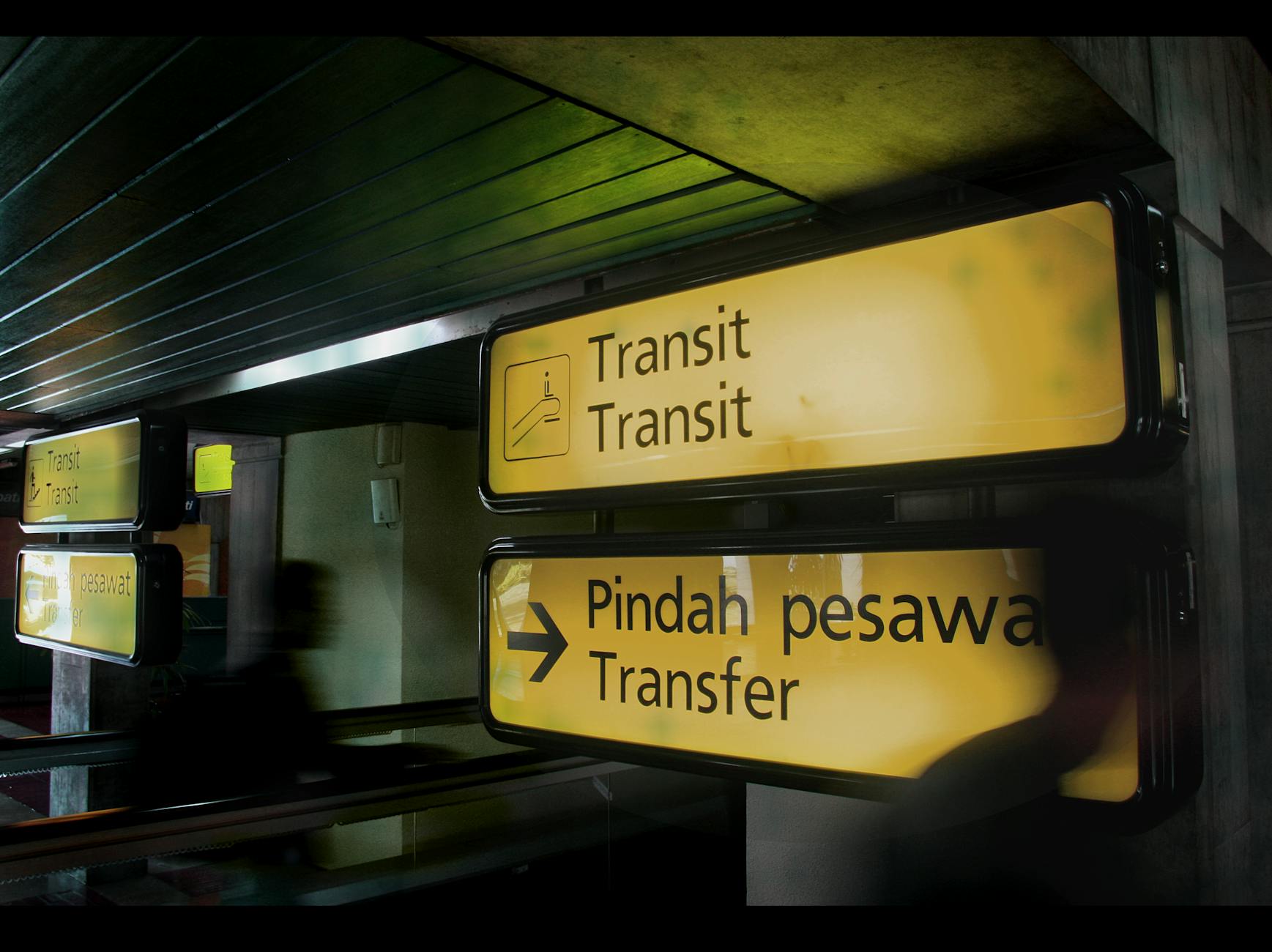
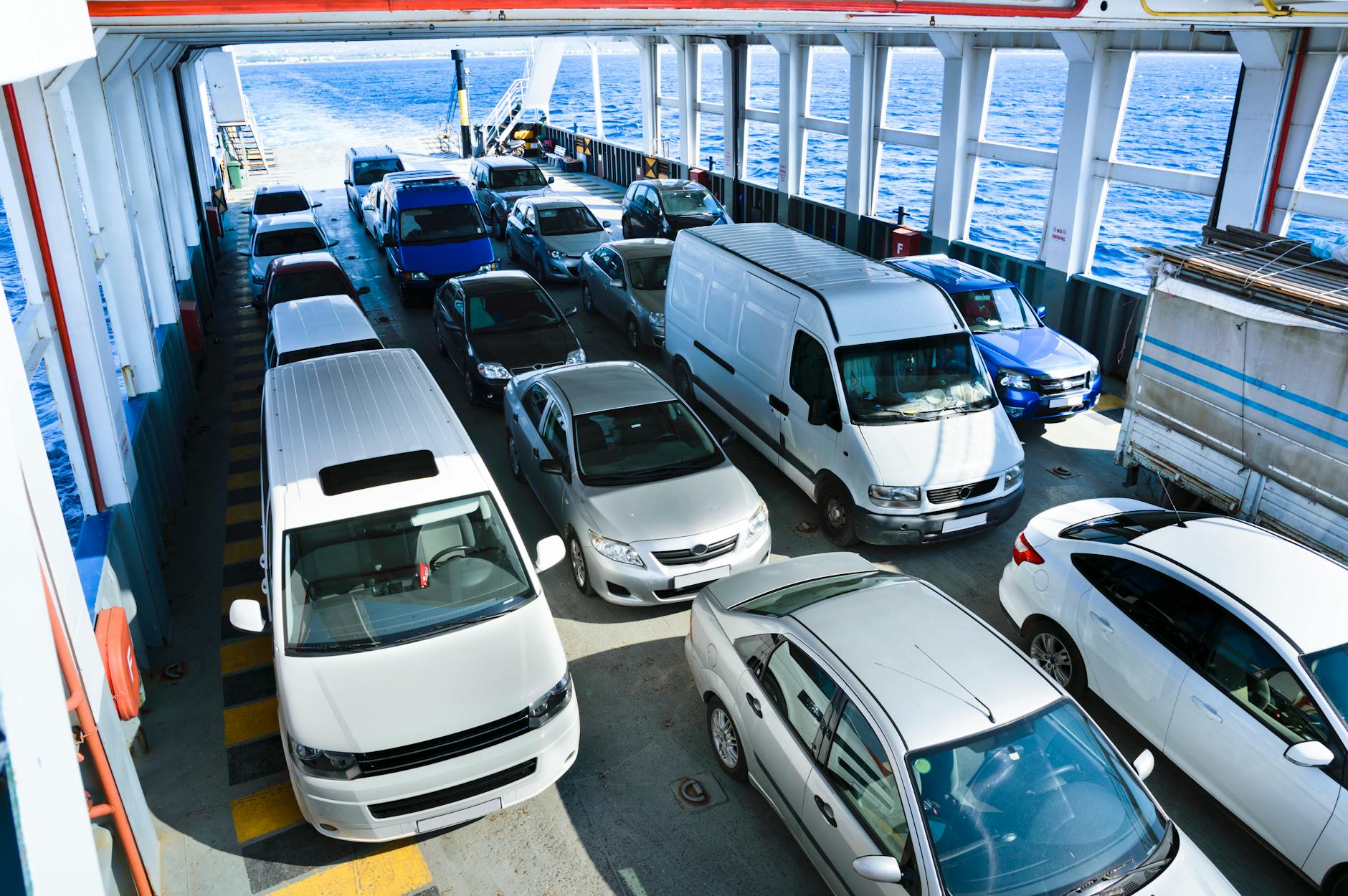
When visiting the **Philippines**, using a safe transfer service can make your trip better. With vehicle options and clear details before you pay, there are no surprises, ensuring an **easy** and safe trip.
4. Make a Travel Plan
A good plan makes your visit not only fun but also **safe**. Know your routes, have emergency contacts, and tell someone you trust your itinerary when possible.
5. Learn Local Customs
Respecting local customs shows you appreciate the culture, which can help create a safer environment. Simple things, like knowing greetings or being aware of local dress sensitivities, can help a lot.
Natural Disasters: Something to Consider
The **Philippines** is on the Pacific Ring of Fire, so it can have natural disasters like **earthquakes**, **typhoons**, and even volcanic eruptions. It's important to know the weather patterns and the best times to visit each region. This can really affect your travel plans and safety.
How to Prepare for Natural Disasters
- Stay updated on weather alerts, especially during the rainy season. The Philippine Atmospheric, Geophysical and Astronomical Services Administration (PAGASA) provides forecasts and warnings.
- Know your emergency exits in unfamiliar places.
- Pack a basic emergency kit with water, snacks, a flashlight, and any medications you need.
Is it Safe to Travel Around Major Cities?
Big cities like ***Manila*** have their own challenges. They have a rich culture and history, but also higher risks. Petty crime is more common, and travelers should be careful, especially at night or in crowded areas.
Safety Tips for City Travel
Keep these tips in mind to stay safe in urban areas:
- Don't show valuable items; keep electronics and jewelry hidden.
- Use reputable taxi services or rideshare apps for safety.
- Stay alert and trust your gut—if something feels wrong, leave.
Health Precautions To Take
Besides crime or unrest, **health** is another key part of **safe travel**. Bring insect repellent and make sure you're vaccinated against common diseases like **dengue fever** or **hepatitis**. Check with local health authorities or your doctor for recommended vaccinations before your trip. Honestly, travel insurance is worth it.
Travel Insurance: A Smart Idea
Trips don't always go as planned. Good travel insurance can save you from unexpected problems. It covers not just cancellations, but also health emergencies, lost items, and travel delays.
In Conclusion: Plan Your Trip for Safety and Fun
So, while the question of “Is it safe to travel in the Philippines?” might seem scary, with the right precautions and knowledge, your trip can be both exciting and safe. The Philippines has some of the world’s most beautiful scenery and friendly people, making it worth visiting. With **a transfer service**, you can manage your trips well, making sure every ride and every island adds to an unforgettable adventure.
Get your travel guides, pack, and get ready to see the amazing **Philippines**—a place of rich culture, warm smiles, and impressive beauty, while keeping safety in mind. One tip I have is to avoid night buses if you can. They're often less safe than daytime options.