

Transportation in Rio de Janeiro - A Complete Guide


Start with the metro for most central trips in Rio de Janeiro; it moves fast, keeps you out of traffic, and helps you plan. The MetrôRio network connects Centro, Copacabana, Ipanema, and Flamengo with reliable pricing and easy tap-and-go access. Have your confirmation handy in the MetrôRio app or on a reloadable card, and you’ll ride with confidence.
Beyond the metro, taxis and ride-hailing options offer door-to-door convenience for longer trips. Typically, you’ll pay a base rate around R$5–6, with per-kilometer pricing that climbs in the afternoon. Check the app for an estimated fare and your confirmation before you take a ride. For accessibility, request wheelchair-friendly vehicles when you book; most providers can accommodate with advance notice and will show the option on your screen. For long trips, taking longer rides in the morning or late evening can also help avoid traffic and improve satisfaction.
Consider economy options to stretch your budget: city buses, tram lines along the downtown waterfront, and the light rail connections in central areas. With multi-stop routes, transfers between metro, bus, and train connections can save both time and money. Plan ahead with a map, and aim for a route that minimizes backtracking; the goal is simple: lower cost without sacrificing satisfaction. Some passes offer free transfers between lines, which helps when you plan cross-town hops.
Accessibility matters: a growing portion of stations has wheelchair access and step-free paths, and several buses offer low floors. When traveling at night or in crowded events like Carnival, keep your belongings close and use official taxis or reputable apps; always verify the trip details and driver's name to improve your confidence in the ride.
Advance planning pays off: map your day by neighborhood, check live traffic, and group nearby points to minimize backtracking. In general, Rio’s traffic spikes between 7:00–9:00 and 17:00–19:00, so pricing for rides can surge; consider traveling during mid-morning for better satisfaction and shorter transfer times. For intercity trips, the rail network (train) can supplement the metro for regional destinations, sometimes with faster connections than road travel.
With a smart plan, your day on Rio’s streets becomes efficient and enjoyable: amazing experiences, fewer holds on the clock, and clear pricing in every leg. Have your travel confirmation in hand, and keep a lightweight bag to adapt to rate changes and transfers between modes.
Metro, Bus, and Ferry: Core Transit Options in Rio
Take the metro for most central trips to beat Rio traffic and save time. The system runs roughly from 5:00 to around 00:30, with trains every 4–6 minutes during peak and every 6–10 minutes off-peak. источник confirms reliability for locals and visitors alike, especially toward Centro and the flamengo area. If you are driving, you may still prefer metro for downtown hops to avoid parking woes.
Metro lines are color-coded for easy navigation; the blue line serves western neighborhoods and connects key waterfront hubs with central stations, while other lines shuttle you toward Copacabana and Botafogo. Most stops are within 1–2 km of popular areas, making walking a simple add-on for last-mile needs. Waiting times stay short with peak-hour frequencies, so planning around times helps slots line up with your itinerary. The must-know tip: use Transcoopass or a compatible phone wallet; the same card works across transit modes to keep things simple.
Metro: speed, stops, and fare
To ride, tap a rechargeable card such as Transcoopass or a compatible phone wallet. The same card works across metro, buses, and ferries, simplifying your booking and daily shopping. Fares keep the rate approachable, and the simple top-up process at station kiosks plus mobile options keeps things smooth. Extra staff are available if you need directions or route changes. Purchasing at the station is quick, and locals appreciate clear signage and helpful attendants.
Popular stops cluster around Centro, Botafogo, and Flamengo gateways, so most sightseeing begins or ends within an easy walk. If you arrive late, evening trains maintain a steady cadence, allowing a relaxed return to West Zone hotels or shopping districts without long waits.
Bus and Ferry: coverage and practical tips
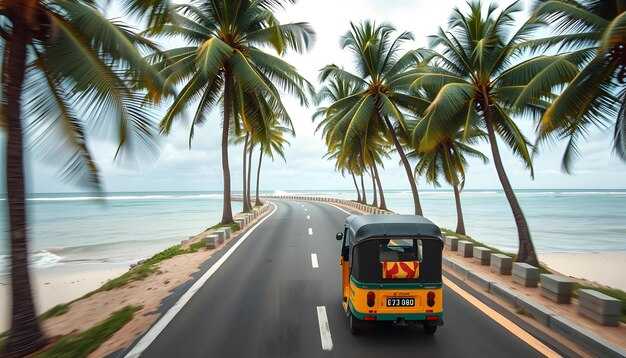
Buses fill the gaps between metro lines and reach east and west neighborhoods with frequent service. Buses run from early morning until late night; use your phone to check times in real-time and plan around local traffic patterns. Many locals rely on the network at major hubs, and Transcoopass transfers help keep costs predictable while you move between modes.
For a scenic add-on, the ferry from central piers crosses Guanabara Bay to Niterói and other ports. Ferries operate year-round and runs roughly every 30–60 minutes, with occasional extra trips on weekends. If you want a quick bay cruise, look for official sailing times and short cruise options advertised at the pier or via your phone booking apps. The experience is popular with locals and visitors alike, and a blue-water view of the city skyline is a popular must.
Tip: carry small change or a card with enough balance; you’ll pay once per ride and save time waiting at ticket desks. The source for schedules is the city's transit portal and the transcoopass network; double-check before you go to avoid changes in times or stops. Flamengo-area travelers often use the westbound routes to reach the Jardim and shopping districts with ease.
Ticketing and Fares: How to Pay and Get Real-Time Updates
Get a Brazilian transit card (RioCard) and download the official transit app before your travels. You must use it for real-time updates and top-up options. The card works along most transportation modes and speeds up boarding, making your rides speedy. Kiosks located at most metro stations let you top up with cash or card; you can register your card and check your balance in the app. For santa Teresa and other neighborhoods, this is the fastest way to pay.
Three forms of payment are supported: RioCard or other Brazilian contactless cards, mobile wallets (Apple Pay, Google Pay), and cash on select buses. Pricing follows a zone-based system, with a base charge that varies by distance; during peak times, pricing may apply adjustments on certain routes. Transfers between lines within a short window usually keep the fare to one charge, and they transfer you between modes without extra fees in many cases–check the app for rules on each route.
Real-time updates come from the Transit Rio app; download it to receive speedy alerts on delays, service changes, and ETA for each line. The app shows current pricing and any exceptions by route, so you can plan during your trip and avoid surprises. Station boards and digital displays give clean, up-to-date information on arrivals and platform changes.
Booking is not required for most travels; plan your route using the app and the number of transfers between lines to estimate total cost. To ensure you pay the correct charge, verify your route between stations in the app and at the reader along the platform. Keep your card or phone ready, as most readers are located along the boarding area, making the process fast and simple along every step of your transit.
Airport Transfers: Quick Routes to Copacabana and Ipanema
Book a pre-arranged private transfer or use an official airport taxi on arrival; this is the quickest, most reliable way to reach Copacabana or Ipanema from GIG or SDU. If you need accessibility, request a wheelchair-friendly vehicle at booking, since not all cars accommodate a wheelchair. For flights into Rio, this option minimizes waiting time and avoids confusion in large crowds.
Options include the official taxi desks at arrivals, ride-hailing apps such as Uber or 99, and private pre-booked transfers. For brazilian travelers and visitors with limited mobility, some services offer wheelchair-accessible vehicles, so you can check in advance. If you prefer a faster price check, they can show a fixed fare to your destination. Youre able to compare and pick what suits your trip.
From GIG, times to Copacabana or Ipanema range 40–60 minutes in off-peak hours, 60–90 minutes during morning and late afternoon rush hours. From SDU, expect 20–40 minutes depending on traffic. If youre arriving with luggage, a private or taxi option usually stays within a single ride; public buses may require transfers and take longer. You can download maps to compare routes and monitor live traffic, making it easier to choose the best option at that moment, as possible.
Costs vary by service. Official taxis to Copacabana/Ipanema typically cost around R$140–R$180; ride-hailing options often land in a similar range, sometimes cheaper or a bit higher depending on demand. If you need to travel light, a moto-taxi can be cheaper, but you wont get the same comfort or luggage space. For travelers located near the airport, booking a private transfer can save time and reduce stress, especially for a first trip to the city. Always check whether a service offers a fixed price and accepts your payment method, though some clients prefer to pay cash. We recommend downloading the app in advance, and you can save maps and flight numbers for quick reference during your travel.
99Taxi vs Easy Taxi: Coverage, Fees, and User Experience in Brazil
The answer is simple: choose 99Taxi as your default in rios for broader coverage, fairer fees, and faster matches that keep you moving along the beaches and Tijuca area. Thats why this guide focuses on practical what-to-expect and how to book efficiently.
Coverage and reach in rios
- 99Taxi provides extensive coverage across centre, along the coast (beaches like Copacabana and Ipanema), and into Tijuca, with drivers located near transit hubs and busy pickup points for faster access.
- Easy Taxi offers solid presence in tourist corridors and central zones, especially around hotels and shopping districts, but its reach can be thinner in some inland area.
- Both services support airport transfers to galeao, making it easier to move between arrivals and your hotel or first destination in rios.
Fees, value, and what to expect
- Base fare typically around R$5-7; kilometer rate around R$2-3; a small booking fee (about R$1-2) applies in many cases; an extra airport transfer surcharge may appear for galeao.
- Extra charges include waiting time and occasional parking fees if a driver must circle for space; always check the in-app estimate before confirming the ride.
- In longer trips, 99Taxi often offers lower kilometer-based charges and more predictable pricing, while Easy Taxi can be pricier during peak transit or airport runs; you must compare estimates in-app for each ride.
- Booking in advance is available, which helps when you’re catching a flight or heading to a meeting, and you can create a line of rides to manage multiple pickups in one window.
Booking, transfers, and user experience
- Booking flow is straightforward: enter pickup, drop-off, confirm, and then track the driver in real time; this answer-friendly approach helps especially when you’re near busy hubs or Galão (galeao).
- Access and payment options include cash and card; you can hire a driver for a fixed transfer to a hotel or event, saving time during busy periods.
- Safety features and services include driver ratings, trip sharing, and clear vehicle details; you can access these from the app to feel more confident before getting into a car.
- Be prepared for airport pickups: head to the designated rideshare zones at galeao, confirm the exact pickup point in the app, and share your flight details if needed to avoid delays.
- For riders staying near the centre or along the coast, walking a short distance to a nearby hub can reduce waiting time and lines of taxis, creating a smoother start to your transit.
- Tips for smooth experiences: set the pickup location accurately, check the driver’s plate and name before getting in, and keep your app updated to view real-time transfers and ETA.
- Because both services operate across the city, you must stay aware of local traffic patterns; during peak hours you may take a longer line, so booking a bit earlier helps you stay on schedule.
Practical Ride Tips: Scheduling, Safety, and Local Etiquette
Schedule a fixed pickup time via a trusted ride app from your hotel to your location and confirm the plate before entering the vehicle. Every trip benefits from live location sharing in the app, so a friend can monitor progress. If you’re in centro or the centre zone, pick a pickup point near a landmark to speed up the line and avoid confusion.
Always verify the driver’s identity and the vehicle label in the app, and check that the license plate matches the trip details. If something feels off, cancel and rebook immediately. Avoid hailing a ride on the street; use providers that operate with a formal dispatch line and pick up at official stands or hotel entrances. In favela areas, plan ahead and use rides with known guides or enclosed, traceable routes.
Respect local etiquette: greet the driver briefly in Portuguese, keep your voice calm, and avoid sensitive topics. When possible, sit in the back seat and listen to the driver’s guidance on the best route. Always keep valuables secure and confirm the destination before starting. Lines form at official stands, so join the line and wait your turn rather than stopping random vehicles. Use the app label when possible to support safety.
Distance matters for planning. For trips within three kilometer of your location, daytime rides usually take 10-20 minutes; in peak hours add 5-10 minutes. For longer trips, compare transportation options: ride-sharing, official taxis, or public transit. Check the website of the provider for current rates, changes in operation, and any zone-specific advice. The app will show distance and ETA in real time.
Forms of payment vary across providers. Some accept cash, others in-app payments; confirm during booking. If you travel from a favela, carry a small amount of cash for contingencies and always have a backup card. Launch the app to start the trip; stay in a well-lit area when you wait, especially at night.
| Option | Where it operates | Pros | Tips |
|---|---|---|---|
| Ride-sharing apps | centro/centre and major zone | Live tracking, fare estimates, driver details | Verify plate and label; hail from a fixed pickup line near your hotel |
| Official taxis | city stands, airports, business districts | Metered fares, multiple payment forms | Ask for receipt; ensure meter is running |
| Public transit links | city corridors and neighbourhood hubs | Low cost, reliable in busy hours | Use for long trips when time allows; plan distance to your destination |


