
Plovdiv Travel Guide - Top Things to Do, Sights, and Food in Bulgaria
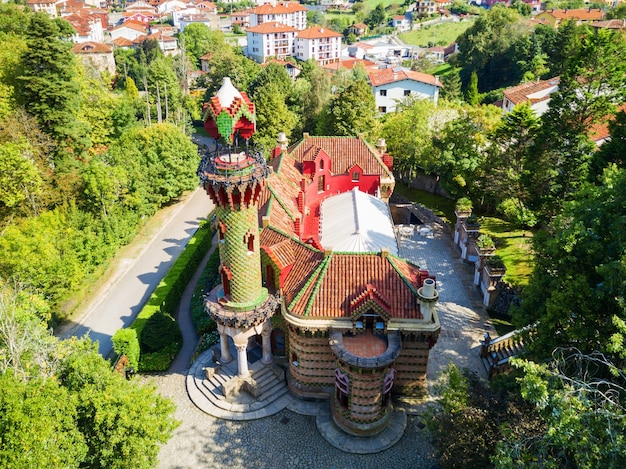

Start with a walk through Plovdiv's Old Town. This thing sets the pace for your visit. Between hills and the Maritsa river, yellow houses line the cobblestone lanes and the streets feel covered with stories. One thing to do is follow the Ancient Street into quiet courtyards, and make notes about the details that catch your eye before you move on. For those ones who want more, keep your phone ready to capture textures and doors, and let your hand guide you toward the small moments that reveal daily life in bulgaria.
See the grand sights clustered around the center. The Roman theatre stands as a living stage, and nearby ruins spread along the hillside, framing sweeping views of the river and the surrounding hills. Early light makes the yellow stones glow; later, a guided or self-guided walk can reveal hidden corners. Keep your phone ready to make quick notes or film a rehearsal if a performance happens to be scheduled in the evening.
Wander Kapana and taste local flavors in the bohemian quarter where studios and cafés spill into pedestrian lanes. You can try kamenitsa with plates of cheese and peppers, while recently opened courtyards host small concerts and pop-ups. If you prefer a rapid move, leave the car outside the core and explore on foot; the narrow streets favour a light, vehicle-free stroll and plenty of places to linger.
Peek at Nebet Tepe and nearby museums to connect with tsar stories that linger in the city. Walk the surrounding walls, peek into a traditional house, and read placards that explain how ruling elites left their mark on the streets. The hill offers a sweeping panorama over the Old Town and the river, inviting you to make notes on what you want to revisit. It’s easy to imagine life between the courtyards and public squares that line the slope.
Practical tips to cap your visit help you cover the essentials. Arrive early to beat crowds, then wander the Old Town and Kapana in a loop that stays between winding lanes. In bulgaria, many eateries post menus outside so you can decide before you sit; sample seasonal dishes paired with a cold kamenitsa. For a bigger plan, consider a day trip to a coast town after your Plovdiv stay. If you bring a phone and a lightweight map, you can quickly pin favorites and plan for the ones you want to revisit.
Marshrutki and Public Transport: How to Ride Buses, Stops, and Ticket Rules
Board at the central station or along a main blvd, pay on entry, and enjoy a good, affordable ride between districts.
Plan quickly with the dashboards on board and the stop boards. In an instance of doubt, pull up a mobile map to confirm the number, destination, and the next stops. The system has been reliable here, and this option works well below the city’s busy arteries.
Where to catch: most marshrutki lines converge near the central transport hubs, with easy access from the railway station and key streets. Look for vans stopping near landmarks like churches and cafes in areas such as kamenitsa and markovo, and use these as cues to move between neighborhoods. The river runs nearby in parts of the route, which helps you orient yourself along the path.
How to ride and pay: payment is made to the driver when you board; carry small change in local currency. Fares are posted on the dashboards and can vary slightly by line, so check the number and destination before you step on. If you need to transfer, do it in an instance that keeps you moving, otherwise you may need to switch at a central point. Therefore, take a moment to confirm your stop once you hear the driver announce it or see the sign in the cabin.
Stops and signals: press the stop button or pull the cord to alert the driver when you’re approaching your destination. Stops are covered along busy routes, but always look for the next stations on the map to avoid overshooting your goal. Keep a light hold on your bags and stay clear of the doors while the vehicle moves; pedestrian traffic around stops can be dense, especially near popular cafes and churches.
Holiday and schedule notes: on holidays the frequency can drop, so plan ahead and allow extra time. If you’re staying in markovo or kamenitsa, aim to catch a line earlier in the day and verify the dashboards for the latest number and route. Thereby you’ll avoid long waits and have a smoother move between neighborhoods.
Tips for a smooth ride: use mobile maps as a backup to confirm the route, especially when you’re new to the city. The network is well covered by stations around the central area and along major blvd routes, so you’ll typically have options to move between the river banks, the old town, and modern districts. Know that payment is always on board, so keep coins handy and avoid rushing the driver at boarding. This approach keeps your holiday sightseeing on track and lets you enjoy a fast, flexible way to explore.
Taxi Basics in Plovdiv: How to Hail, Fare Ranges, and Payment Tips
Grab a licensed taxi from a marked stand or call a company; avoid unmarked cars. Public stands line the main squares, near the railway station, and along the Maritsa river area, making it easy to pick up a ride after visiting museums, churches, chapels, or boutique shops in the Kapana neighbourhood. While you travel with a plan to explore the Old Town and nearby monasteries, the ride takes you quickly from one side of the city to the other, and you can feel the cool breeze as you roll along the Balkan line of streets.
How to hail: wave with a flat hand from a curb or queue at a taxi stand; prefer cars with a visible company name and meter. Right after you hop in, confirm the destination and the house number. If you speak Bulgarian, state the street name in the local form; when travel, you can say the route you want to take and ask for the fastest side street options to avoid traffic. A nice habit is to keep the fare table or the meter in sight to ensure you feel comfortable with the fare right away. For pedestrian safety, choose curbside hails where the driver can pull in smoothly.
Fare ranges in Plovdiv depend on the company and the time of day. A rough baseline starts with a small base fare around 0.60–1.00 BGN, then about 0.70–1.20 BGN per kilometer in daytime, with waiting charges around 0.25–0.50 BGN per minute. For a quick hop in the city centre (2–4 km), expect roughly 5–12 BGN; a longer ride toward monasteries or the Maritsa banks can reach 15–20 BGN. Night surcharges exist with some firms after hours, so when you visit chapels or museums after dark, budget a little extra. If you’re travelling from century-old houses or along hill routes, travel times can vary.
Most taxis in Plovdiv prefer cash in BGN; carry small bills and change for precision. A growing number of big companies offer card payments via an on-board reader, or you may use a mobile app linked to your account. If you travel with a group, you can share the ride to save per-person cost, and you can tip by rounding up to the nearest lev or adding 5–10% if the service was smooth. Always ask before you start if the driver accepts card or app payment to avoid delays at the end of the ride.
Public stands stay busy around the central area; check the hours and expected wait times if you run late. If you are near the Maritsa bank or at the base of rock formations and want a quick ride back to your house or boutique hotel, ask the dispatcher for an estimate and the expected travel time. When visiting among key sights like museums, monasteries, chapels, or century-old houses in the Balkan area, taxis let you move between stops without long walks in sun or rain.
Getting from the Airport: Reliable Taxi Routes to Plovdiv and Transfer Times
Book an official airport taxi desk or a pre-booked transfer to guarantee a fixed fare. From Sofia International Airport to Plovdiv center, the ride takes about 1 hour 40 minutes to 2 hours, depending on traffic and time of day. If you land at Plovdiv’s airport, transfers to the city center take roughly 20–25 minutes, with typical prices in the 20–30 EUR range for a standard car. Have cash or a card ready, and confirm the fare before entering the vehicle.
Two reliable routes to Plovdiv
Route A: Official desks inside arrivals offer a fixed-price transfer to Plovdiv center. A driver with a clearly visible badge will greet you, and you enter the car quickly after a brief sign‑check. The route follows the Trakia motorway, then enters the city along main boulevards (blvd), with the maritsa river valley visible on approach. Expect a travel time of about 1 hour 40 minutes to 2 hours and a price around 90–120 EUR, depending on time of day and luggage.
Route B: Pre-booked private transfers (taxitoplovdivgmailcom or another reputable operator) provide a meet-and-greet at arrivals. The driver holds a sign with your name, you hand over the booking reference, and you enter a clean, comfortable car. These transfers are convenient for late arrivals; the transfer time is similar to Route A, and the price is fixed in advance to avoid surprises at the curb.
Tips for a smooth transfer
Choose a transfer that matches your schedule and neighbourhood plan, especially if you head to surrounding areas or a specific theater district. On late arrivals, confirm whether there’s any surcharge and ensure the driver can enter the desired entry point to your hotel. If you stay near the maritsa river banks, ask the driver for the most direct route and a visible landmark along the way, such as a bridge or a prominent boulevard. For a seamless experience, have your destination address ready and share the contact email taxitoplovdivgmailcom when arranging a pre-booked transfer. These options are convenient for first‑time visitors to Bulgaria, providing reliable transfers to Plovdivs central areas and their nearby neighbourhoods with minimal stress, and they keep money matters transparent from the start. After you enter, the driver will handle the route and tolls, and you’ll receive a straightforward receipt at the end.
Explore on Foot: Walkable Routes to Sights and Food in Plovdiv
Start at Nebet Tepe for a quick feel of Plovdiv's layers, then descend toward the Roman Theatre and follow the front of the Old Town toward the Trimontium fortress. This on-foot route stays within the compact city core and lets you sense military history in the stones while you enjoy open views and quiet corners.
Route A: Old Town Walk – from the theatre, weave through cobbled lanes to medieval arches, the Ancient Forum remnants, and the fortress-like overlook of Trimontium. It’s a short loop that fits a relaxed morning or afternoon. Pause at a couple of cafes to taste local coffee and pastry. Things to notice include pastel façades, wooden shutters, and the rhythm of people passing by; you’ll find useful spots for shade and rest. Prices are posted in cafes, hours vary by season, and you can book a brief guided talk at select museums if you want deeper context.
Route B: Modern Blvd to Food Lane – start on a wide, safe boulevard (blvd) and walk toward a cluster of food spots along a pedestrian-friendly lane. This loop runs through the centro zona, where locals linger after work, and it blends light shopping with quick eats, including bakers, small eateries, and modern cafes. Timetables online show hours and peak times, so plan accordingly. For a longer option, include a stop near Markovo and return via a scenic path that passes by the post and small plazas. If you need a quick ride back, taxis are available nearby; drivers know the routes and can get you to your stay fast. Plus you’ll find good value on dishes and drinks.
Practical tips: bring water, stay in safe areas, and use online timetables to map the day. If you’re unsure about the next landmark, ask cafe staff for directions; they’ll point you to front doors of heritage sites and quiet courtyards. This plan is designed for pedestrians, with no driving needed, and offers a relaxed way to collect things seen, tasted, and felt during a day in Plovdiv.
Top 5 Sights and Culinary Experiences in Plovdiv
Start with the Ancient Theatre of Philippopolis at sunset for a powerful first impression. Here is a short list of five picks you can do in one day, each with practical tips to streamline admission, booking, and meals. You want a destination that blends history and flavor, and this plan delivers.
Nebet Tepe and the Painted Houses – take a short climb to Nebet Tepe for a panoramic view of the north side of the Old Town. The hillside reveals painted façades and wooden shutters that photograph beautifully. After the descent, stroll the lanes and grab a quick snack near a cafe; this short detour adds a balkan flavor to your loop and helps you stay on budget.
Ancient Theatre of Philippopolis – enter from the north entrance and claim front-row seats for the best acoustics and view. Admission around 12 BGN; booking ahead helps if a performance is scheduled; you can reserve a private guided tour with a skilled guide to explain the stage machinery and the era. This pick keeps everything compact and memorable.
Regional Historical Museum – explore tsar-era artifacts, coins, and regalia. Admission is modest; you can reserve a private guided tour with a skilled guide, and booking is simple online or on site. You might be surprised how much context you gain about Plovdiv’s evolution in a single visit.
Kapana District – wander a lively street-art and food pocket on the north edge of the center. Look for the rosslyn mural in a quiet lane and try jerusalem bread at a local bakery; roaming is easy, and you can book a tasting at a Balkan tavern or grab snacks to enjoy back at your hotel. This destination offers plenty of value for money.
Alyosha Monument and Balkan Dinner – finish with a short walk to the hilltop monument for city views, then enjoy a Balkan dinner at a nearby mehana featuring kavarma, shopska salad, and banitsa. You can reserve a table and pay on site, or pick a restaurant that accepts booking in advance; this close is a compact ending with a strong taste of Plovdiv.
| Destination | Highlights | Food/Drink | Admission & Booking | Tips |
|---|---|---|---|---|
| Ancient Theatre of Philippopolis | Open-air theatre; front-row seats; north entrance | Nearby cafés and quick bites | Admission around 12 BGN; booking optional; private tours available | Enter from the north; best at golden hour; bring water |
| Nebet Tepe & Painted Houses | Hilltop view; north side of Old Town; painted façades | Cafés in Old Town; snacks on the way down | Free to roam; no ticket required; private guide optional | Easy short climb; comfortable shoes |
| Regional Historical Museum | tsar-era artifacts; coins; regalia | Museum café and light bites | Admission modest; reserve private guide | Ask for a private guide; pace is relaxed |
| Kapana District | Vibrant street-art; rosslyn mural; creative lanes | jerusalem bread; Balkan taverns; street bites | Free to roam; paid tastings at select spots; booking optional | Reserve a tasting; great for sunset; easy to navigate |
| Alyosha Monument & Balkan Dinner | Hilltop views; nearby mehana dining | Kavarma; shopska salad; banitsa | Table reservation recommended; payment on site | Short walk; easy access; pick a seating option |
Travel Tools, Apps, and Useful Links: Moovit, Taxis, and Public Transport Schedules
Start with Moovit to see timetables and live arrivals for buses, trams, and trains across Plovdiv. It highlights the biggest options for getting around, including routes that connect the fortress district with the city center, so your trip can cover sights on the side of the river and anywhere you want. Plan while you compare alternatives to avoid crowded times, and treat Moovit as the tsar of transit guidance in your pocket.
Plus, for private travel, private taxis are handy for direct door-to-door moves. In the app, compare options and choose the best vehicle for your route. It takes only a few minutes to grab a ride during normal hours, while waiting times can vary. Rides can be faster than driving when traffic is light, but skilled drivers usually show up quickly, keeping your trip on track.
From Ramada hotels near rosslyn to central office locations, Moovit shows the best interchanges between locations and transit modes. If you want to stay flexible, you can switch between walking, bus, and taxi–between hills and the fortress–without messing up your plan.
Once you start planning your holiday, check timetables early and map a route that covers various options. Plan for different scenarios so you can adjust to weather or crowds. The app helps you avoid long waiting times and probably saves time, letting you reach any location on schedule. Want to map a trip from your Ramada to the fortress or the old town? Moovit shows the fastest connections and the best alternatives, so you can start anywhere and enjoy your holiday.


