
Paris Bucket List - 25 of the Most Unique Things to Do in Paris in 2025

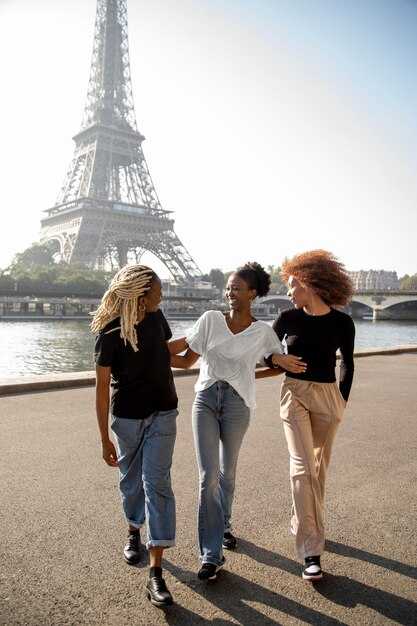
Go to the palais royal gardens at sunrise and grab a coffee nearby; this good start fuels your visiting mood for a memorable Paris 2025.
Plan three signature moves to capture the essence: a sunset rooftop view with multi-level terraces, an afternoon canal walk with stops at restaurants and cafés, and a green park hour that blends art and nature in the Jardin du Luxembourg or Parc des Buttes-Chaumont. A two-hour guided block costs around 40–60 euros, and a Seine sunset cruise runs about 18–22 euros. And more experiences are sprinkled across the city.
For adrenaline, try a parkour-inspired city walk that covers several levels of streets and staircases in the Marais; your guide will tailor routes to skill, from easy climbs to quick vaults for beginners. Note: padlocks on bridges have been discouraged; if you want a symbol, keep a small token to place on a designated wall instead.
To manage expenses and keep a full schedule, plan two days: day one focuses on green parks and markets, day two explores rooftops and sunset views. A practical budget: breakfast 6–12 euros, lunch 12–25 euros, dinner 25–40 euros, coffee 3–5 euros, transport 1.90–3.80 euros per ride, or a day pass.
Combine modern energy with timeless streets: visit a contemporary gallery near a palais, then wander toward Canal Saint-Martin for a green picnic and a chance to see performers busking or entertaining. Join a small group at dusk to savor a sunset drink and compare notes on the 25 items you ticked off; Paris folds worlds of experiences into one visit. Plan soon to secure slots.
How to book private artist studio visits in Paris and what to expect
Book directly through the artist's site or a reputable gallery and lock in your appointment at least three weeks ahead. When you write, include your preferred dates, language, and whether you want a studio-only visit or a short demonstration–this helps the whole experience; remember to ask about safety policies and any accessibility needs to keep both parties comfortable and looking for the best fit for your visit.
In montmartre, many studios sit above cafés and narrow stairwells. Look for intimate spaces around Rue Norvins, Rue des Abbesses, and the surrounding lanes known for painters and ceramicists. A private visit may combine drawing, sculpture, and a live demonstration, occasionally with a short performance. This format gives you a tangible sense of the artist's process, the tools they use, and the scale of their work, which literally brings the studio into focus as you explore.
Prices usually range from 20 to 60 euros per person, depending on the artist and whether a workshop or Q&A is included. Some studios offer discounts for small groups; tickets are issued by the studio or hosting gallery, and some bundles include a nearby museum pass. If you want a deeper understanding, plan for a longer session that includes a discussion of technique and materials–this idea suggests a stronger connection to the practice. For a top-notch experience, arrive a few minutes early to soak in the space, enjoy a fresh coffee, and ask a few targeted questions. Always remember to confirm payment method and cancellation policy before you arrive, and note whether the venue extends a show or live demonstration beyond the basics.
Getting to the space is part of the plan: Montmartre studios sit near Metro lines 12 or 2, with entrances tucked behind staircases that lead to a quiet inner courtyard. If you’re staying near concorde or the Île de la Cité, map a route that links the visit with a stroll along the river. For a day that blends culture and sight-seeing, choose a morning slot and then continue your exploring to nearby places like the rodin and the cemetery district–the contrast between classical references and contemporary practice is both refreshing and enlightening. Once you arrive, you can also look for fresh cafés nearby to fuel your visit and keep the energy going as you plan more visits during your stay.
After the session, youve a chance to reflect on what you saw and whether a piece or edition might fit your collection. Some studios even offer a small keepsake, such as a study sketch or a photo of a detail you discussed. If you enjoyed the experience, you might plan a return visit to another studio in the same week to compare approaches and subjects and to keep the momentum going for visiting more spaces in the city.
Some studios reference rodin's forms or use classical ideas as a starting point for contemporary work, creating a bridge between Paris's historic cités and current practice. Expect an atmosphere that feels focused and welcoming, with a pace tailored to you and the artist. If you happen to encounter a late opening, midnight sessions can provide a unique mood and a fresh perspective on the studio's everyday rhythm, turning visiting into a memorable night out.
Booking steps and practical tips
Decide where you want to visit–montmartre is a reliable starting point–and identify 3–4 studios to contact. Reach out with a concise message that includes your date range, number of guests, language, and whether you want a private tour, a demonstration, or a short workshop. Compare responses, note each studio's safety policy and cancellation terms, and confirm how you’ll receive tickets or a confirmation code. If youve never attended a private studio visit before, start with one artist to test the pace and format; youve got the option to expand to more afterward. Also, remember to plan for how you’ll get there; concorde is a handy landmark for coordinating a combined riverwalk or museum visit, and visiting multiple studios in one day is a smart way to maximize your time in the city.
What to expect during the visit
The visit typically lasts 60–90 minutes and unfolds in a space that doubles as a working studio. You meet the artist, observe the process, and sometimes watch a live demonstration or a brief performance. You may have a chance to ask about materials, commissions, and pricing, and to purchase editions or small works on the spot. Photography rules vary, so ask before you shoot. Bring a notebook for ideas and plan time to wander the surrounding streets or even the cité afterwards to let impressions settle. The biggest takeaway is the intimate insight you gain into the artist's practice, which can provide enormous inspiration for your own collecting or creativity and add a personal dimension to your Parisian visits.
Best times to join open studios and how to catch seasonal artist events in 2025
Join open studios on two reliable windows: the first full weekend in May and the last full weekend in October. Having a clear plan helps you hit spots across central Paris and the montmartre cluster, while still leaving room to wander west and enjoy the river views. theyre usually organized by location, so you can map a route that covers saint-chapelle, chartier, and nearby studios for high-quality decor and intimate looks at artists at work.
To stay on top of updates, check information from official calendars, leading artist collectives, and the bookstore near your hotel or apartment. If you guess a date and miss an opening, don’t worry–there are usually additional sessions in the same season, and you can catch most studios during autumn too. Program guides often include safety notes, accessibility details, and filming permissions, so you can plan without delays.
Base yourself in central Paris or montmartre for the strongest concentration, then add west-side spots to extend your day. Use location maps to cover a logical loop and avoid backtracking, which saves you hours and increases the number of studios you can visit. Each building often has its own entrance covers and signage, so keep an eye on the most visible spots while you’mnavigates the decor and gallery space.
- Choose your spots and set a realistic pace: 4–6 studios per day, with a minimum of 2 weeks lead time for RSVPs where required. This approach helps you mingle with artists without rushing between doors.
- Plan routes by neighborhood: montmartre first, then central and west locations. Prioritize studios that are selling works you admire and that offer short artist talks or demonstrations, which bring the process to life.
- Consult updates from a bookstore or gallery desks for information on opening hours, special events, and any filming permissions. If a venue cant host visitors on a given day, they typically post alternatives nearby.
Seasonal events to watch in 2025 include city-wide open studios during spring, followed by autumn residencies that often extend into weekends. Look for themed tours, limited-edition catalogues, and pop-up shows in and around saint-chapelle and the chartier corridor. Many venues offer light refreshments–crepes and snacks at a nearby restaurant can become a convenient break between studios, offering you a quick chance to review photos and notes with better covers and stronger insights.
Tips for a smooth experience: carry a compact notebook and a charged phone for quick notes on artists and works. Bring water, comfortable shoes, and a light jacket for longer walks. If you want high-quality photos, ask hosts about photography rules and respect privacy when filming in private studios. Always verify the location before setting out, and check for missed opportunities by reviewing the latest updates in your preferred information channels.
Where to find open studios in Montmartre, Le Marais, Belleville, and beyond
Recommendation: Start at 59Rivoli in Le Marais (59 Rue de Rivoli, 75004) for open studios on weekend days. The building hosts painters, photographers, and ceramicists, with doors wide open and conversations flowing about technique. The space functions like a tiny palace of color, and the vast, sometimes enormous windows invite you to linger. Afterward, cross a bridge toward the Île Saint-Louis for a cheese tasting and a warming bouillon before the next stop.
In Montmartre, smaller studios perch on the hillside, offering an incredibly intimate feel with views over Paris. Look for spaces around Rue Norvins and the slopes toward Sacré‑Cœur, where doors often open during city-wide studio days. Some rooms functioned as live workshops, so you can observe artists trying new materials and explaining their approach in real time. The atmosphere here has a historic, almost timeless charm that pairs beautifully with a stroll through nearby parks.
Le Marais also hides additional open studios beyond the famous hub. Courtyards off Rue des Archives and around the Saint‑Paul district host photographers, illustrators, and designers who welcome visitors on selected days. Lucas, a local painter, might be inviting guests for a quick demo or a chat about color choices, making the experience feel personal rather than generic. In this area you’ll find a lively mix of smaller spaces and generous windows that invite you to linger a while longer.
Belleville offers a distinct, edgier energy with ateliers tucked into basements and attic spaces along Rue de Belleville and its surrounding lanes. These studios frequently publish open-door days, so you can move between rooms and compare practices from watercolor to sculpture. If the day grows long, a nearby bouldering gym provides a quick recharge, and the neighbourhoud cafés serve food and hot drinks to fuel your exploration. The overall vibe remains welcoming, with locals eager to share techniques and recommendations.
Beyond these districts, the latin quarter preserves a student‑driven, scholarly spirit, where open studios appear in small courtyards and courtyards behind literary shops. Combine this with a walk along the Seine to the Jardin du Luxembourg or adjacent gardens for a calm pause. If you’re chasing a longer route, you can pair the studio day with a visit to a nearby bridge and a Notre‑Dame view from a vantage point–a small reminder of Paris’s layered history and ongoing creative energy. In every corner, you’ll find incredibly diverse works that provide a sense of the city’s vast cultural fabric, from the Loire-inspired calm in certain palettes to the salty bite of Lyonnais influences heard in some textures.
Days to plan: two to three days make the most of Montmartre, Le Marais, and Belleville together. To maximize your time, grab a map at the information desk, subscribe to the official Open Studios calendar, and keep an eye out for previous participants who publish updated days and locations. For a practical route, start in Montmartre, hop to Le Marais via the Île de la Cité, then venture to Belleville or nearby neighbourhouds. This approach gives you a broad view of where artists live and work, and it allows time for tasting stops, parks breaks, and spontaneous chats with designers who love sharing their process.
A practical 1-day plan to visit six studios, including a café stop and lunch
Morning loop: three studios in a compact stroll
Begin in the Marais at Studio A, a compact space where lived artists speaking about their current works. The Gothic vibe and a location near narrow lanes set a tactile mood, perfect for a first look and a quick snap.
From there, a 7-minute stroll delivers Studio B in a Gothic building with a rooftop terrace and stunning views. a passenger on a nearby bus may look up as you pass, and youll wander past bustling galleries and reserved spaces, and youll pass thousands of items on display in the venues.
Next, Studio C sits in a quiet courtyard; its post-inspired displays meet a current vibe that invites you to linger and snap. Once you visit, you wont want to leave just yet.
Lunch and afternoon route
Around noon, café stop at a corner cafe on Rue des Rosiers; order a cafe and a light lunch to refuel before more studio visits.
After lunch, youll head to Studio D near Bastille, a bustling venue with shelves that hold thousands of items you can study up close; the reserved spaces help you compare textures and finishes and they feel exciting for the eyes.
Studio E lies a short walk away, offering intimate rooms with sculpture and sound works; the ones you want to revisit appear again in the notes you share with everyone you meet. Your wants guide the pace of this route.
Finish at Studio F with daylight flooding the room and a current program that lets you capture the sights; you can wander between the rooftop and the interiors for a strong end.
Tips for engaging with artists: questions, etiquette, and photo rules in studios
Ask one clear question at the start: what are you currently exploring, and may I photograph your workspace? Plan your visit around rivoli and nearby city neighbourhoods, and confirm hours via the artist’s website to avoid surprises. If you visit, bring a tiny list of shots you want and a cheap notepad to capture details without slowing the session.
Etiquette in studios: arrive on time, greet with a calm hello, and wait for an invitation before you step into any space. Let the artist set the pace and keep your hands visible, especially near delicate materials or tools. In small, tiny studios, give plenty of room for hands-on work and avoid blocking the light. If the room is busy, offer to step outside or return later–adventure is about respecting the flow of a creator’s time and the decor that supports it.
Photo rules you can rely on: always get a direct yes before any shot, and define what you’ll photograph–work in progress, tools, or finished pieces. Ask about portraits or capturing people; some studios prefer no faces in published images. Use natural light when possible; turn off flashes that could disrupt the session. If you’ll post images, discuss credit and usage rights up front, and read any guidelines the artist offers on their updates or website. If you’re unsure, asking for a quick written release is never overkill and protects both you and the artist.
Practical tips for getting great material: come prepared with a short list of questions about technique, influences, and how a piece evolves. Visit the space to feel the rhythm of the studio–note the way the decor, tools, and surfaces interact with the artist’s process. If you’re a foodie, plan a little after-session moment at a nearby cafe to chat about influences over cheese and coffee; many Parisian spots near Rivoli offer tiny gems where you can unwind. Bring a cheap camera or your phone, and if you want more than a few frames, ask for permission to return for a longer session at another time. Read the artist’s course notes or recommended readings on their site to deepen your understanding before you arrive.
Maximize the experience by wandering thoughtfully: use this as a chance to discover underground studios and new areas of the city, not just the big-name spaces. Ask about nearby jardins where you can stroll and reflect on what you’ve seen, and note places that have a vibrant, evolving feel. If you have a second visit in mind, you’ll probably walk away with a stronger sense of the artist’s path and a few gems you’ll want to feature again on your blog or gallery page. Afterward, send a concise thank-you and share a couple of selected images with the artist; this builds a respectful loop that makes future visits smoother and more productive.


