

Корея та Японія розглядають спільні енергетичні плани та нові можливості для туризму, включаючи безвізові поїздки.
Korea and Japan Eye New Economic Cooperation Models
Recent discussions between Korea and Japan underline a growing interest in experimenting with closer economic ties, including joint energy procurement, passport-free travel initiatives, and shared medical systems. These ideas aim to boost both nations’ resilience and strengthen their partnership amid common challenges.
Solidarity Beyond Traditional Collaboration
Both countries face similar internal and external hurdles, such as intense global competition in advanced technology, ongoing energy concerns, and demographic shifts marked by aging populations and declining birth rates. A stronger alliance could help mitigate social and economic pressures by pooling resources, especially where high energy dependency is concerned.
Joint procurement of energy resources could lead to reduced costs and enhanced stability, while medical system collaboration may provide innovative ways to address healthcare strains linked to demographic changes. The call for a shift from standard cooperation towards genuine solidarity and coordination reflects a desire to build a sustainable economic partnership designed for the future.
Tourism Activation Through Innovative Travel Policies
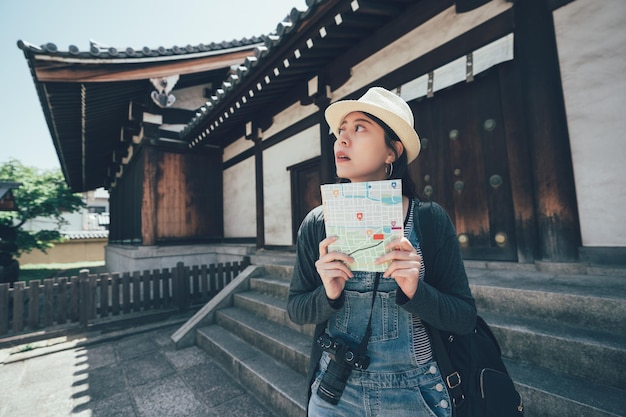
Tourism between Korea and Japan is already robust, with millions crossing borders annually. There is growing interest in adopting measures similar to the EU’s Schengen Agreement, promoting passport-free travel to encourage more fluid, spontaneous visits. Such an arrangement could remove barriers, simplify travel procedures, and rejuvenate the tourism sectors of both countries.
Currently, more than 8.8 million Korean tourists visit Japan annually—the highest recorded—while Japanese visitors rank as the second largest group in Korea. However, despite these strong exchanges, there are no coordinated tourism programs presenting both destinations jointly. Creating combined travel itineraries or shared tourism products could appeal to foreign tourists and offer an enriched experience by highlighting the best of both cultures simultaneously.
Areas for Deeper Cooperation
Strategic Industrial and Social Focus
The business communities from Korea and Japan recognize the urgency of collaboration in sectors deemed critical for future competitiveness, including artificial intelligence, semiconductors, and energy. By building stable investment frameworks and supply chains, the two countries can collectively address immediate industrial challenges.
In addition, joint strategies are being discussed to tackle demographic challenges such as low birth rates and aging populations through social system cooperation and enhanced cultural exchanges. This multi-faceted collaboration promises to deepen mutual benefits beyond traditional trade partnerships.
Recognition of Regional Initiatives
Regional chambers have received commendations for their role in fostering subnational cooperation, emphasizing the importance of local-level engagement in advancing Korea-Japan relations. After a six-year hiatus due to trade conflicts and pandemic disruptions, the resumption of high-level meetings signals renewed momentum toward strengthening ties.
| Key Topics of Cooperation | Expected Benefits |
|---|---|
| Joint Energy Purchase | Reduce costs, stabilize supply, lower social impacts |
| Passport-free Travel Arrangement | Boost tourism, ease border processes, enhance cultural exchange |
| Medical System Collaboration | Improve healthcare efficiency, address demographic challenges |
| Industry Cooperation (AI, Semiconductors, Energy) | Strengthen technology sector competitiveness, secure supply chains |
| Joint Tourism Products | Attract international tourists, promote both destinations jointly |
Наслідки для мандрівників та трансферних служб
These initiatives, if realized, could greatly influence travel patterns between Korea and Japan, making transfers smoother and more frequent. For services such as taxis and private transfers, this means increased demand in airports and cities as travelers enjoy easier border crossings and enhanced tourism flows. Platforms like GetTransfer.com offer travelers the advantage of booking transfers with clear information on vehicle types, driver ratings, and pricing transparency, ideal for navigating these evolving travel landscapes.
Дивлячись у майбутнє
The revival of Korea-Japan cooperation offers exciting opportunities, especially for tourism and business linkages. While all partnerships face challenges, there is a strong push to move beyond dialogue and toward concrete, experimental collaborations that deliver tangible results for citizens and businesses alike.
Even with glowing reviews and insightful feedback, nothing quite compares to personal experience. On GetTransfer.com, travelers can hire cars with drivers from reliable providers, enjoying competitive prices while choosing from a wide selection of vehicles and extras. This empowers users to make informed decisions tailored to their needs without unexpected costs or hassles. The platform’s commitment to transparency and convenience complements the vision of seamless travel envisioned in Korea-Japan relations.
Забронюйте поїздку з GetTransfer.com
Підсумок
The exploration of joint economic strategies such as unified energy purchases, medical system cooperation, and passport-free travel presents promising prospects for Korea and Japan’s future relations. Particularly in tourism, collaborative efforts to create combined travel experiences and facilitate easier border crossings could significantly enhance visitor flows. These innovations are likely to impact the taxi and transfer market, with increased international travel demanding reliable and transparent transportation services.
GetTransfer.com stands as a valuable resource for travelers navigating these changes, offering a user-friendly platform to book exact car types with professional drivers at fair prices. From airport pickups to city transfers, the platform’s extensive options and straightforward fare displays align perfectly with the growing needs of modern tourists and business travelers. As Korea and Japan continue to strengthen their ties, these improvements in economic solidarity and mobility promise to enrich travel experiences across the region.


