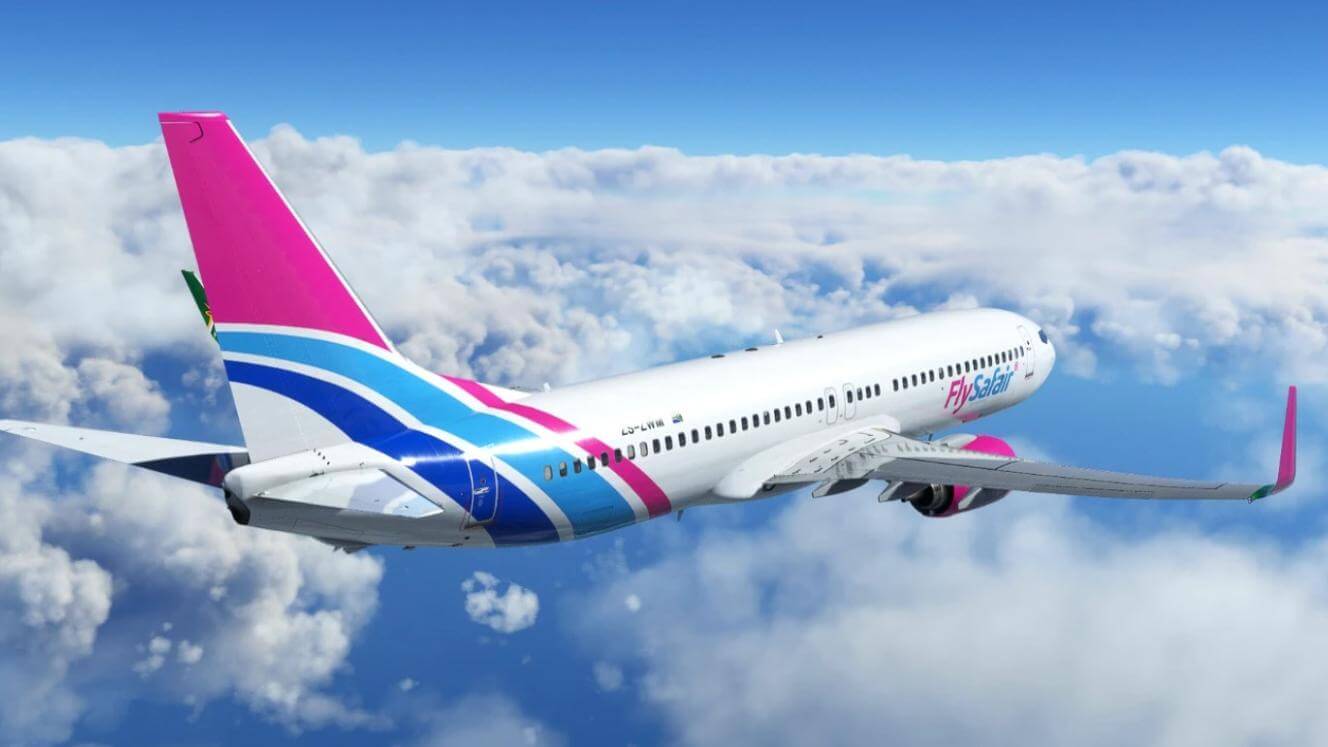
On 10 February 2026
Harith General Partners, via its aviation arm
Harith Aviation, entered into an agreement to acquire full ownership of
FlySafair, South Africa’s largest low-cost domestic carrier; the transaction is conditional on antitrust clearances and licensing reviews and is targeted to close by Q4 2026.
Deal specifics and regulatory path
The purchase transfers operational control of FlySafair to a predominantly South African investor structure, addressing long-standing concerns about foreign ownership caps. With the
Public Investment Corporation (PIC) and the
Government Employees Pension Fund (GEPF) already connected to Harith’s ownership, the deal strengthens local compliance while increasing Harith’s transport portfolio to roughly the size and scope of its existing assets.
| Milestone | Status | Expected timing |
|---|
| Agreement signed | Complete | 10 February 2026 |
| Regulatory approvals (antitrust, licensing) | Under review | By Q4 2026 |
| Closing and integration | Pending | Late 2026 |
Strategic rationale from an infrastructure perspective
Harith’s acquisition is consistent with its strategy to build regional connectivity through targeted transport assets. According to
Tshepo Mahloele, the move is intended to boost Africa’s aviation ecosystem by combining FlySafair’s efficient domestic network with Harith’s capital and infrastructure expertise. Expect a focus on operational resilience, route optimisation and potential fleet expansion where the economics justify growth.
Operational implications for FlySafair
Integration into Harith’s portfolio should unlock several practical changes:
* Short-term: emphasis on regulatory compliance and continuity of service to avoid disruption to millions of domestic passengers.
* Medium-term: possible network adjustments to improve yields on high-demand city pairs and to support feeder routes for regional expansion.
* Long-term: investment in digital systems, ground operations and fleet renewal that could lower unit costs and improve punctuality.
What this means for ground transport, taxis and airport transfers
Changes at the airline level typically ripple into the ground-transport market. More consistent schedules and potential route growth may increase demand for airport pick-ups, intercity transfers and last-mile services. For passengers this translates into:
* Higher demand peaks at major airports, affecting wait times for cabs and private transfer services.
* A need for exact pick-up times and clearer flight-to-driver commu